




Arched Oak Clock
An arched oak clock brings domestic timekeeping from centuries past into a room through solid timber and brass dialwork.
Arched Oak Clock
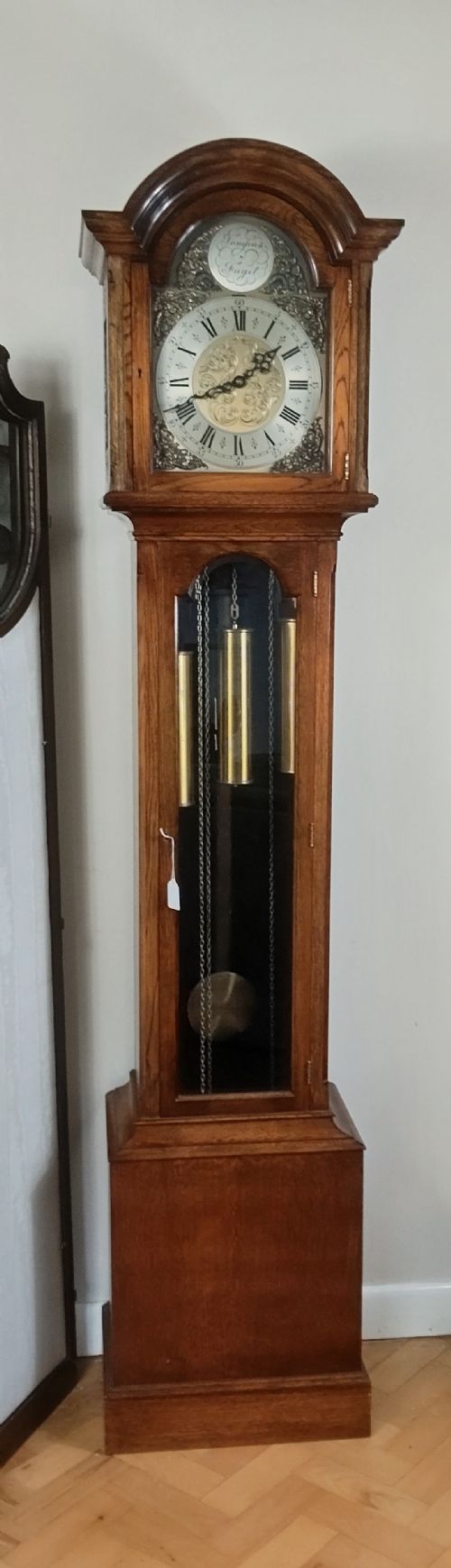
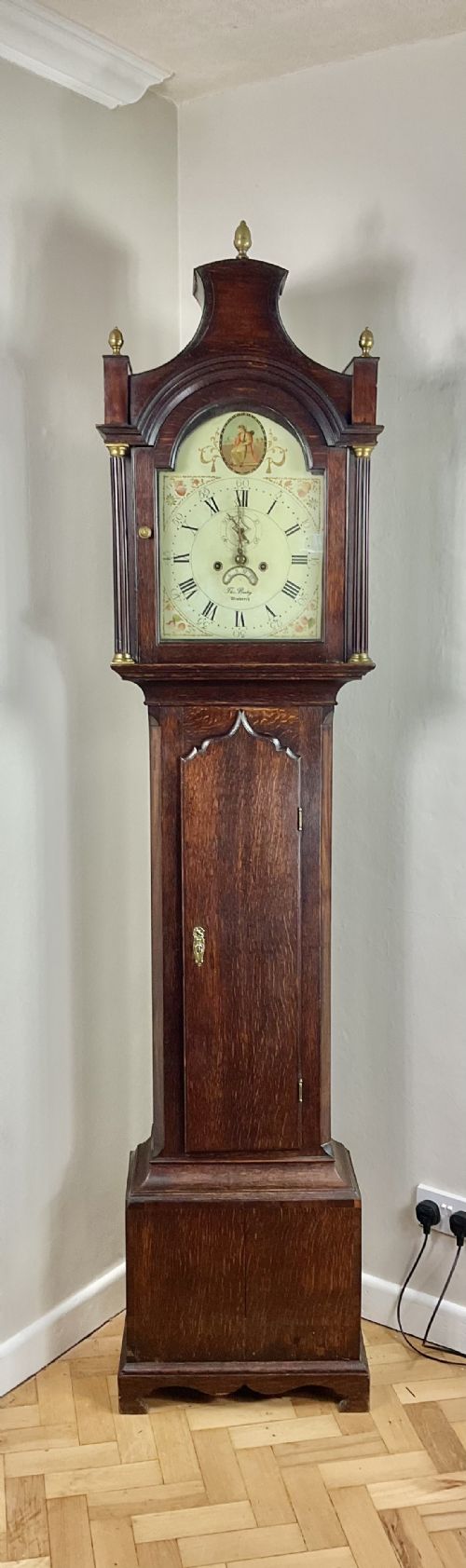
When you search for an arched oak clock, you encounter tall grandfather longcase clocks, smaller grandmother clocks, and compact bracket or mantel clocks. These pieces span the eighteenth century, the Georgian era, the nineteenth century, and into the nineteen-twenties and nineteen-thirties.
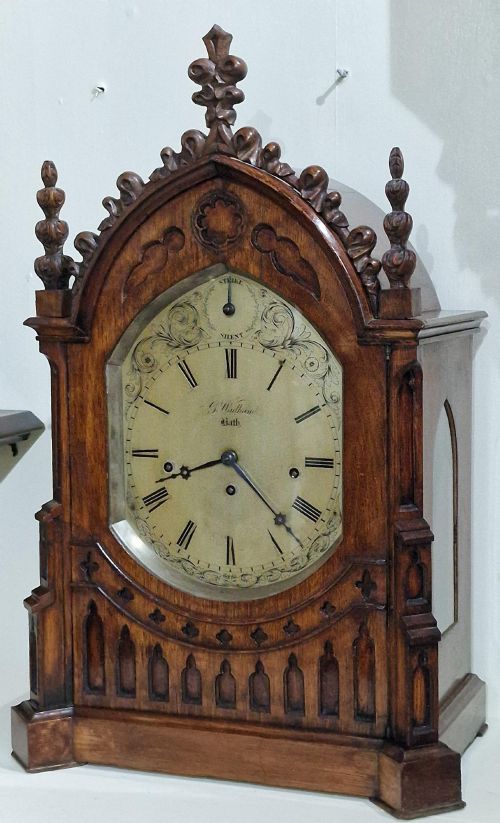
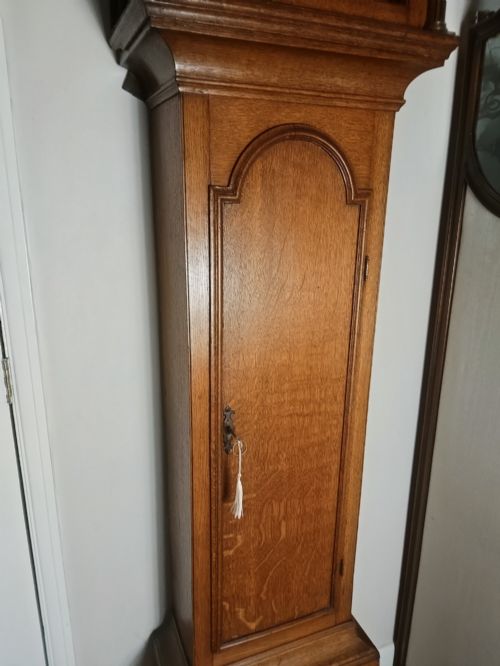
The longcase versions dominate the selection, often featuring arched brass or enamel dials housed in substantial wooden cases. Regional makers from places such as Wales and various English towns constructed these housings to anchor the domestic interior.
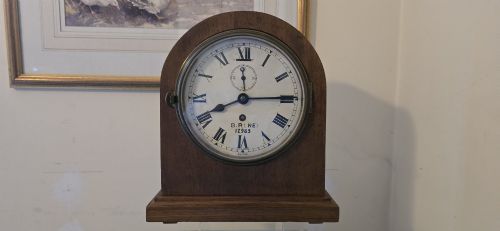
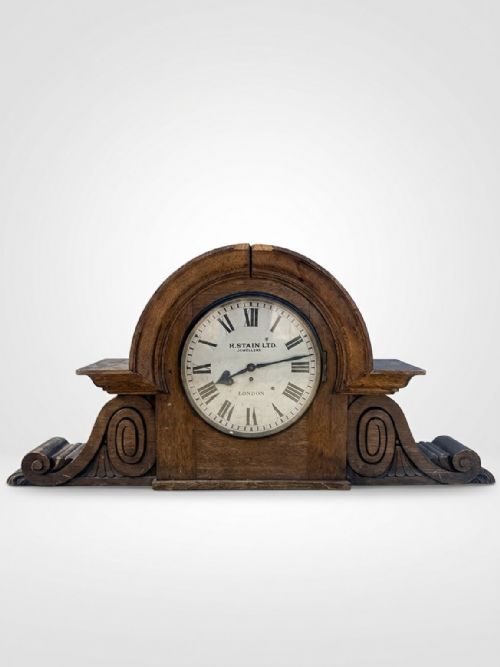
Shorter bracket and mantel variations appear from the Edwardian period onwards, offering similar timber construction on a more intimate scale. Whether tall or compact, the arched top defines the silhouette across every period represented here.
Materials and Construction
Makers utilised native oak as the primary timber, occasionally selecting pollard oak or incorporating mahogany accents around the dial and door. These woods were joined and polished to protect the internal brass and steel movements.
Dial faces combined engraved brass plates or painted enamel with delicate metal hands, protected behind glass panels. Brass bells and complex striking trains were fitted within the cases to regulate the hours and tunes.
Some provincial clocks recorded tunes on three separate bells, ensuring the household woke to local music as well as striking hours.
Judging Quality
The refinement of the dial engraving and the complexity of the movement separate standard timepieces from exceptional examples. Dial work signed by established provincial makers demonstrates superior craftsmanship in the brass casting and hand-cut lettering.
The integration of the timber case, particularly figured grain or specialised woodwork like star-burst door inlays, distinguishes the finer commissions. Movement capabilities, such as musical chiming trains or multiple bells, add further distinction to the mechanics.
George Wadham·James Coster·Jn Wright Linton·Rob Parry·M Thomas·Foxton·William Lister·Thomas Baker·Richard Watkin·Owen of Llanrwst·Anthony Binks
The Arched Oak Clock Glossary
- Longcase clock
- A tall pendulum clock housed in a wooden tower, commonly called a grandfather clock. These standing timepieces evolved from earlier wall-hanging designs during the seventeenth century.
- Bracket clock
- A portable table or shelf clock with a carrying handle, originally designed to sit upon a wall bracket. They frequently house spring-driven movements rather than hanging weights.
- Fusee
- A conical pulley used in spring-driven clocks to maintain equal power as the mainspring unwinds. This mechanism ensures steady timekeeping throughout the duration of the winding cycle.
- Grandmother clock
- A smaller, more slender version of the traditional longcase clock, popular in the twentieth century. They offer the presence of a tall clock in reduced proportions.
- Strike and silent
- A mechanism that allows the striking train of a clock to be manually silenced at night. This function prevented the bell from chiming during sleeping hours.
Arched Oak Clock: Frequently Asked Questions
What is a grandmother clock?
A grandmother clock is simply a smaller, more slender version of the traditional longcase grandfather clock. These pieces occupy less floor space while retaining the traditional dial and pendulum mechanics.
They appear frequently in twentieth-century production, offering collectors a manageable scale for modern rooms without losing the characteristic arched oak case.
How do I wind an eight day clock?
An eight day clock requires winding once a week using a specialised key inserted into holes on the dial face. This action winds the weights or springs that power the movement.
Care must be taken not to over-wind the mechanism, stopping as soon as resistance is felt to protect the historical internal components.
Where were these clocks made?
These timepieces originated in workshops across England and Wales, often constructed by regional horologists and cabinet makers. Towns such as Henley, Malling, and Pwllheli produced local variants signed on the dial.
Such provincial pieces reflect the distinct stylistic preferences and woodworking traditions of their specific geographic regions.
How do I date an oak clock?
Dating relies on stylistic clues in the dial architecture, the shape of the oak case, and the maker's signature inscribed on the face. Earlier Georgian and eighteenth-century examples feature square or arched brass dials with cast spandrels.
Later Edwardian and twentieth-century models show cleaner lines, enamel faces, and simpler timber construction that differentiate them from their antique predecessors.