

Vintage Miniature Painting
A vintage miniature painting captures likenesses and scenes on a remarkably small scale, offering intense detail preserved behind glass or within delicate frames.
Vintage Miniature Painting
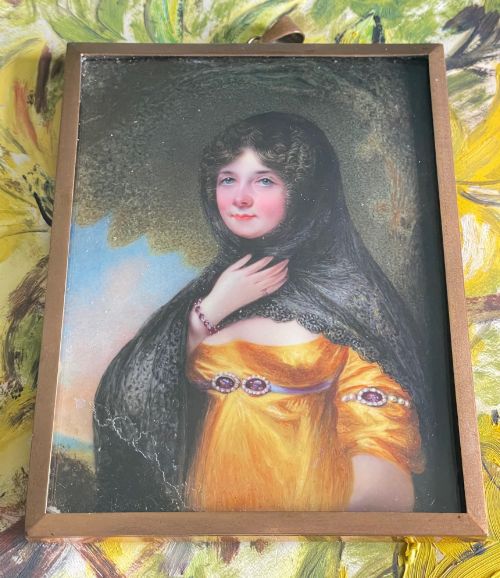
When you search for a vintage miniature painting, you encounter intimate works executed on paper, wood, glass, and metal. The selection spans portraits of sitters from the Georgian, Regency, and Victorian eras alongside landscape and gouache studies from the nineteenth and twentieth centuries.
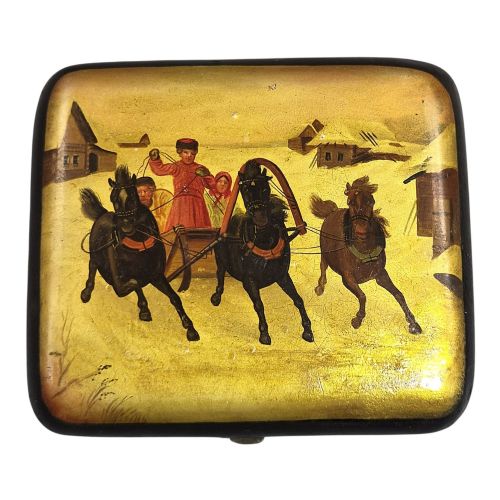
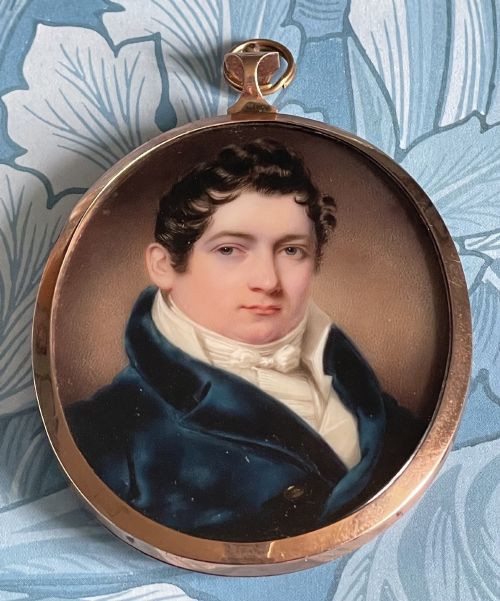
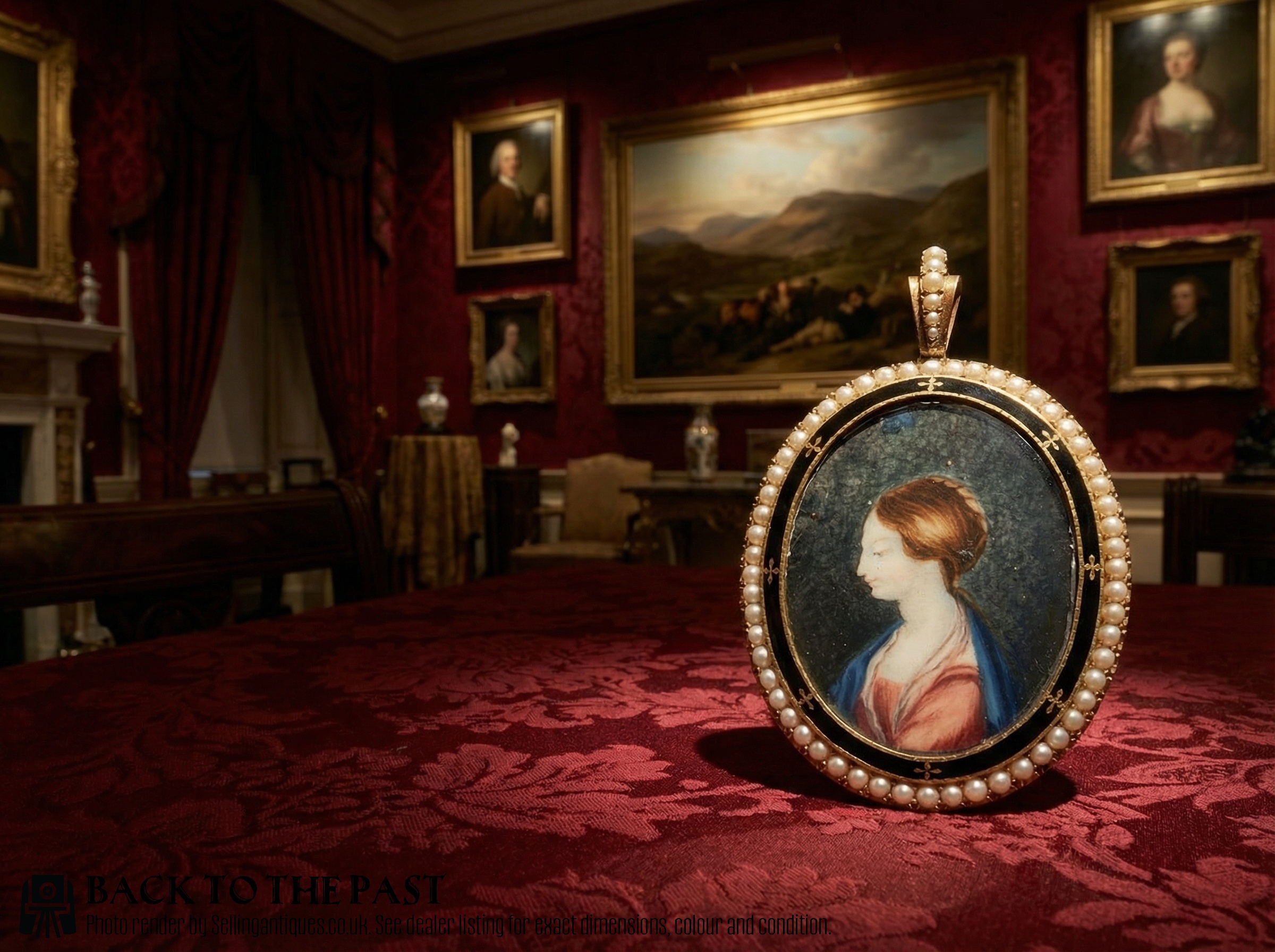
You will frequently find oval watercolour portraits framed in ebonised wood or housed within small metal surrounds. Other examples incorporate enamel plaques, brooches, and panel paintings originating from British, European, and Indian traditions.
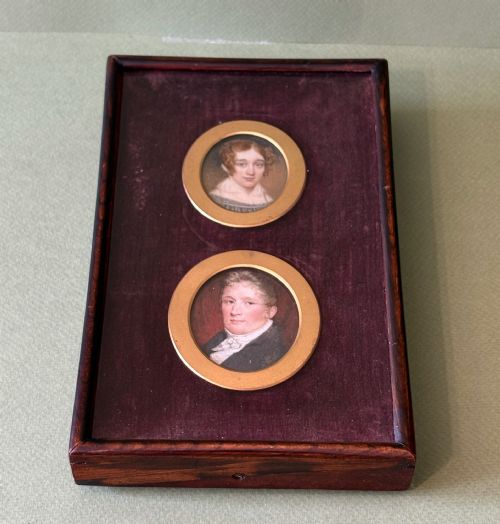
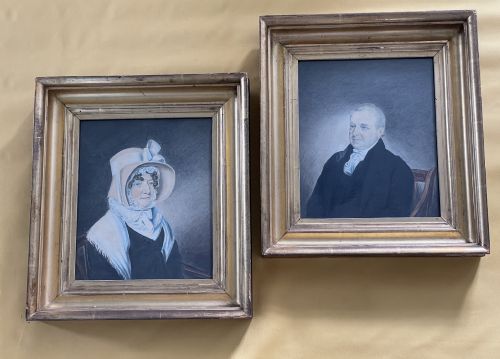
The format also includes framed pairs and individual likenesses depicting children, officers, and ladies in period dress. These works rely on precise brushwork to achieve facial expression and costume detail within surfaces often measuring only a few inches across.
Materials and technique
Artists painted these small works using watercolour, gouache, enamel, or oil on grounds of paper, thin wood panels, ivory substitutes, or copper plaques. The application demanded steady magnification and fine sable brushes to control pigment on such confined surfaces.
Frames and mounts played an integral part in construction, utilising ebonised timber, cast brass, silver, and glass covers to protect the delicate paint layers. Enamel works involved firing powdered glass pigments onto metal bases at high temperatures to secure permanent colour.
Materials appearing across these works include paper, wood panels, glass, brass, and enamel.
Distinctions in quality
Quality rests primarily on the precision of the draughtsmanship and the psychological depth achieved in the subject's expression. Superior examples display confident, unhesitating brush strokes that define facial bone structure and textile textures without muddying the pigments.
The integrity of the original housing also influences the tier of the piece, as genuine period frames with intact convex glass and original backing papers preserve the work better than later replacements.
Horace Hone·John C D Engleheart·Jean-Baptiste van Loo·Fernando Del Basso
The Vintage Miniature Painting Glossary
- Watercolour
- A paint consisting of pigment suspended in a water-based solution, frequently applied to paper or card in miniature portraiture. It allows for translucent layering to simulate flesh tones.
- Gouache
- An opaque water-based medium containing pigment and a binding agent, mixed with white to create solid, flat areas of colour. It appears frequently in Indian and Mughal miniature paintings.
- Ebonised frame
- Wood stained black to imitate ebony, commonly used for nineteenth-century portrait frames. These frames often feature gilt brass bezels and small hanging loops.
- Enamel plaque
- A small metal plate fused with vitreous glass paste under heat, providing a glossy, durable surface for painted scenes or portraits. It resists fading over centuries.
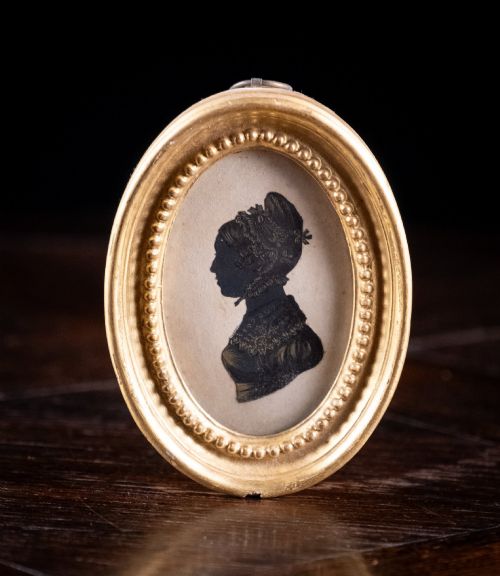
- Silhouette
- A profile portrait filled in with a single solid colour, usually black on a light background or gold on glass. Early examples were hand-painted or cut from paper.
Vintage Miniature Painting: Frequently Asked Questions
How were miniature paintings displayed?
Owners typically hung these small portraits in intimate spaces such as boudoirs or study rooms, often grouping several pieces together on a wall. Alternatively, people carried them in pockets or wore them as lockets and brooches to keep likenesses of family members close.
Over time, surviving pieces have retained hanging loops, tabletop struts, or fitted leather travelling cases designed for secure placement on surfaces or personal transport.
Are all miniature paintings portraits?
While portraiture forms a large part of the surviving record, makers also produced landscapes, architectural studies, and courtly scenes. Indian gouache paintings and European panel works frequently depict figures in narrative or architectural settings rather than isolated likenesses.
The scale remains the unifying factor across these different subjects, maintaining a compact format designed for close, personal inspection.
How do I date a miniature painting?
Dating relies heavily on the costume, hairstyle, and framing style of the subject. Regency pieces often show high-waisted dresses and short hair, while Victorian examples feature distinct drapery, broader frames, and specific mounting techniques.
Signatures, artist attribution notes on the reverse, and the material of the support board or frame also provide secure chronological markers for comparison.
How should I care for a vintage miniature?
Keep these works away from direct sunlight to prevent the fading of delicate watercolours and gouache pigments. Maintaining a stable room temperature and low humidity protects both the paint layers and the wooden or metal frames from warping.
Avoid touching the painted surface directly and ensure that glass covers remain sealed to keep out dust and atmospheric moisture.