
Vintage Metal Planter
A vintage metal planter brings industrial texture and patinated character directly into the room.
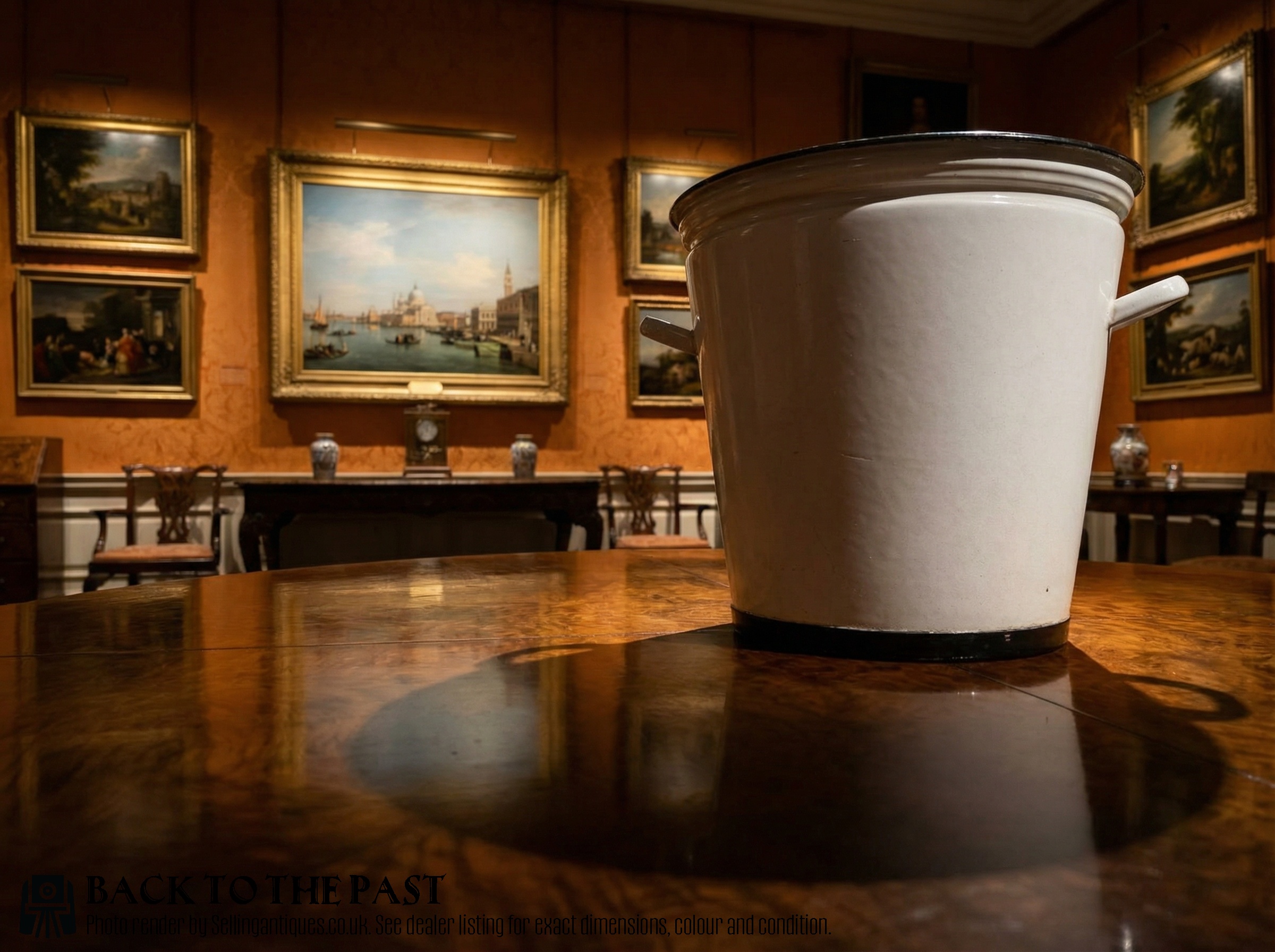
The Nature of Vintage Metal Planters
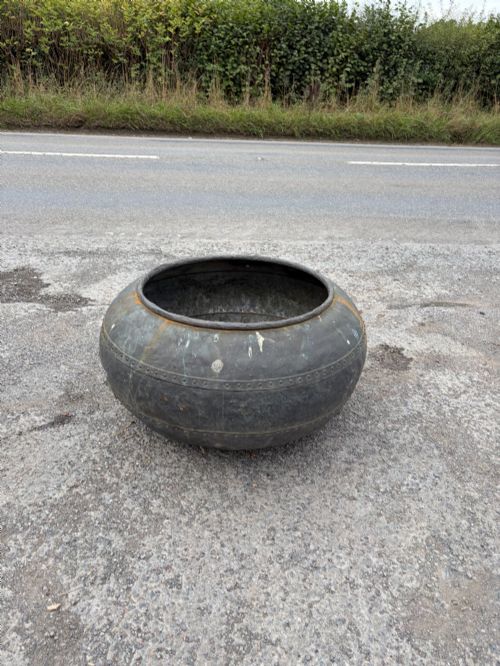
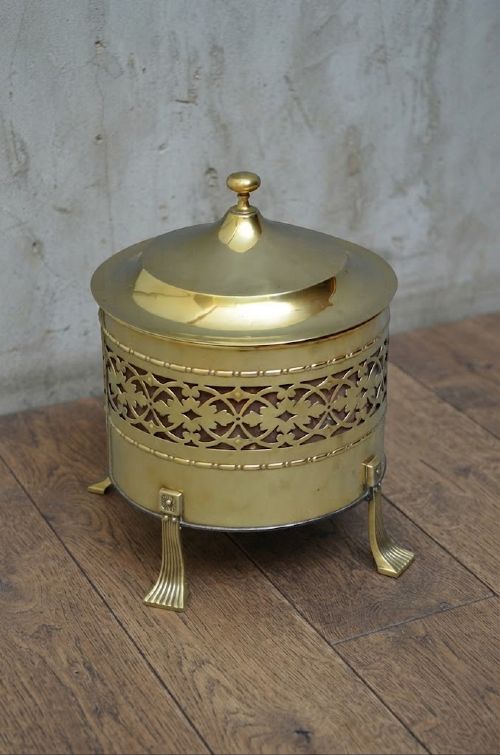
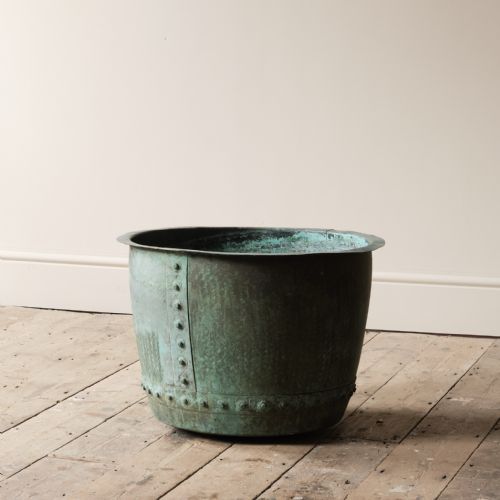
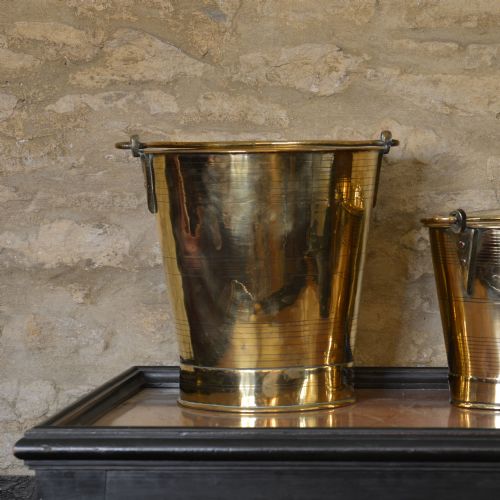
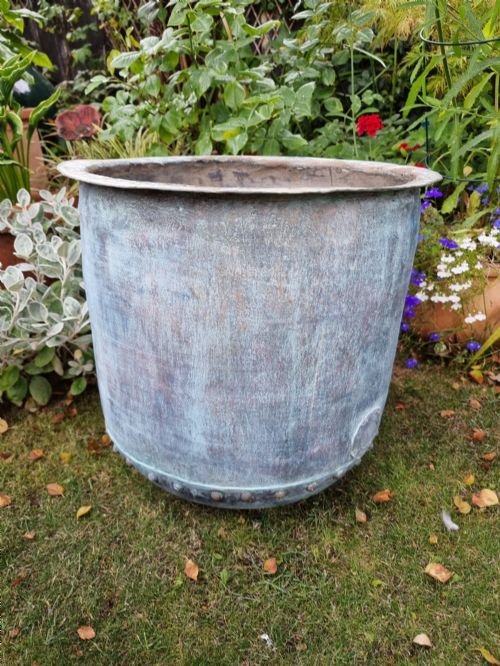
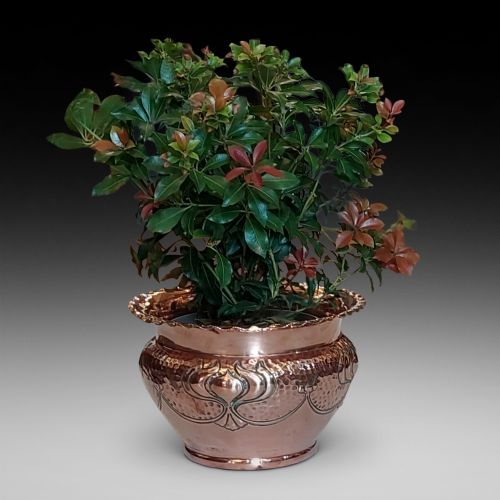
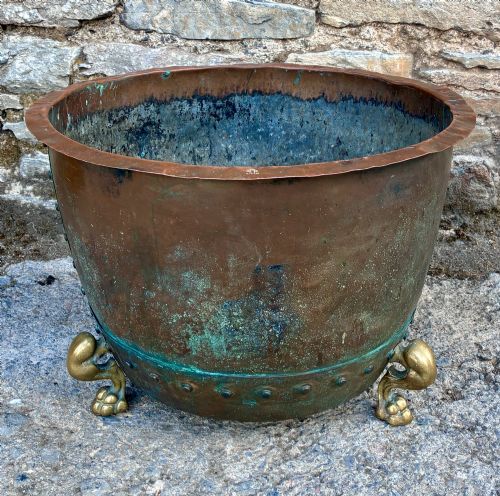
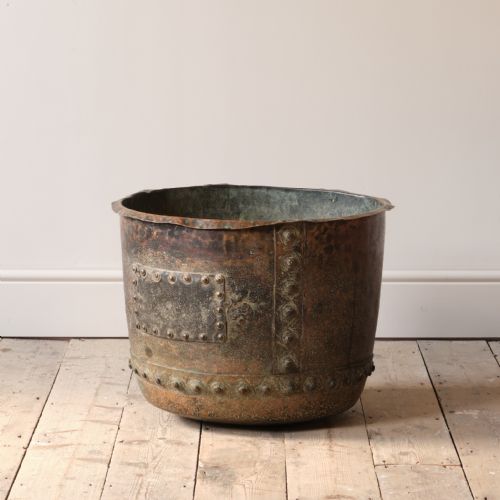
A vintage metal planter encompasses robust utilitarian vessels and decorative display pieces designed for flora. Buyers exploring this category encounter a range of forms spanning rugged garden vessels to ornate interior receptacles. The selection includes substantial jardiniieres, log baskets, buckets, and garden urns.
The pieces emerge from distinct historical periods, stretching from the nineteenth century through the Edwardian era and the 1920s. Common styles include Victorian utility, rustic country and farmhouse, Arts and Crafts, and neoclassical designs. These containers function equally well for housing houseplants or serving as standalone decorative accents.
Origins vary between humble galvanized storage bins and refined brass display bowls featuring classical motifs. A buyer most frequently meets durable utilitarian items alongside more decorative domestic vessels. Each object displays the distinct surface wear accumulated through decades of practical use.
Materials and Construction
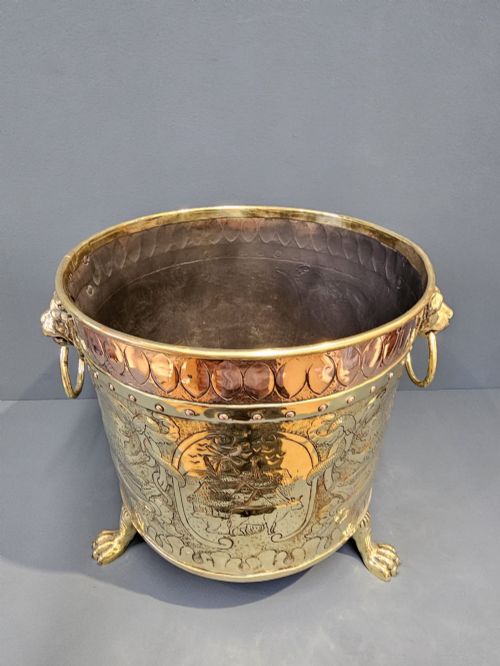
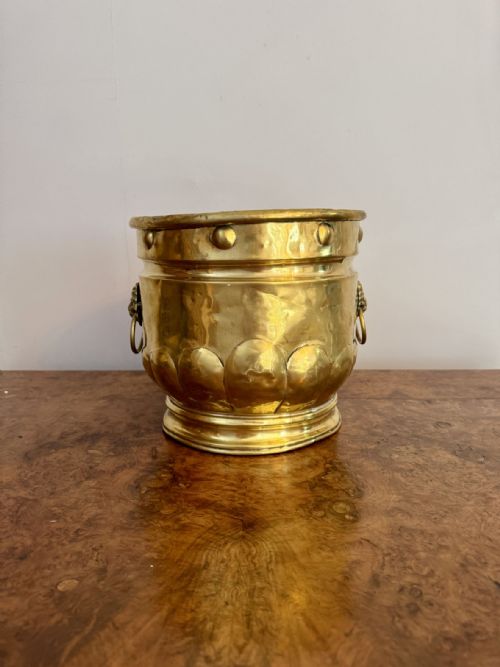
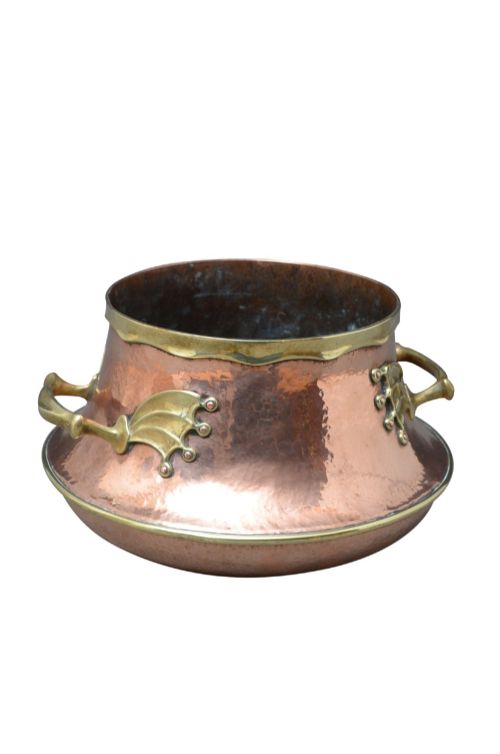
Makers utilised a diverse palette of metals including steel, brass, copper, galvanized metal, zinc, enamel, and cast iron. Copper pots and brass jardiniieres demonstrate sheet metal manipulation and soldering techniques. Brass examples frequently incorporate cast handles, such as lion masks, attached securely to the main body.
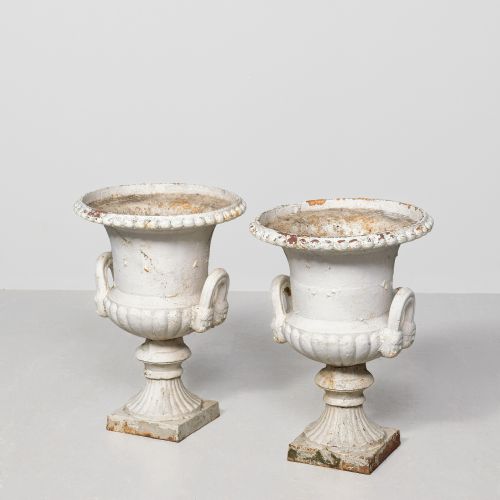
Cast iron urns required traditional foundry work, utilising sand moulds to achieve heavy, rigid garden ornaments. Galvanized metal and zinc vessels relied on protective coatings to resist corrosion in damp outdoor environments. Enamel pails combined metal substrates with fused vitreous glass coatings in contrasting colours like white and blue.
Retail Price Guide 2026
Typical UK retail prices for vintage metal planter, calculated from the Sellingantiques database of over a million retail prices indexed since 2003. This retail price guide relies exclusively on Sellingantiques data; no external sources or auction records are used, so the figures do not describe the wider market.
Listings feature items fashioned from seven distinct metals, ranging from heavy cast iron to vitreous enamel.
Assessing Quality and Merit
Quality rests in the integrity of the metalwork, the weight of the casting, and the honesty of the surface finish. Substantial gauge metals and heavy cast iron demonstrate superior durability compared to thinner, utilitarian stampings. The balance of proportions and the crispness of decorative detailing distinguish finer workshop production from standard utility items.
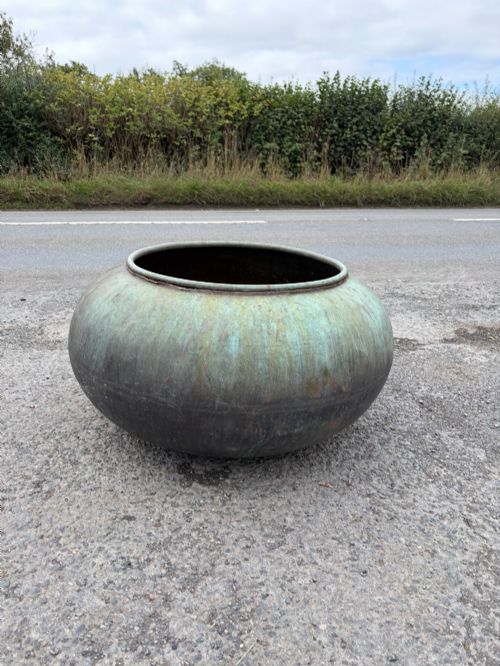
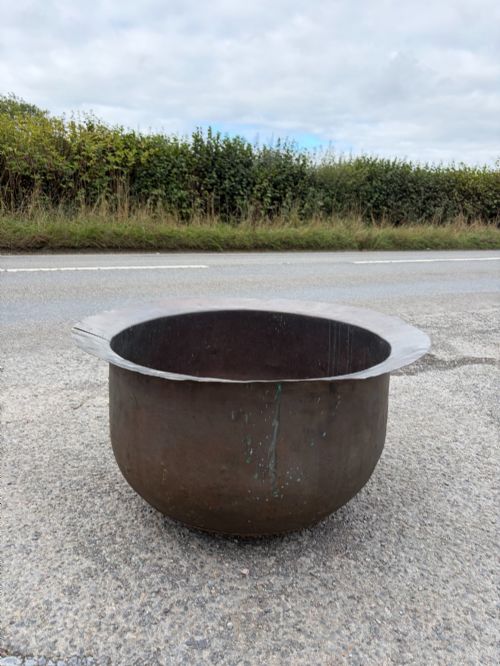
The character of the patina plays a decisive role in the appeal of these pieces. Original surface oxidation, mellowed copper tones, and honest wear elevate an object beyond mere utility. Altered surfaces or heavy structural repairs diminish the historical integrity of the vessel.
The Vintage Metal Planter Glossary
- Jardiniere
- An ornamental pot or stand for plants, typically designed for interior display rather than rough garden use.
- Galvanised metal
- Steel or iron coated with a protective layer of zinc to prevent rusting, common in utility items.
- Arts and Crafts
- A design movement valuing handcraftsmanship, simple forms, and honest expression of materials.
- Neoclassical
- A style drawing inspiration from the classical art and culture of ancient Greece and Rome, often featuring formal motifs.
Frequently Asked Questions
How do I clean a copper planter?
Wash the surface gently with warm soapy water and a soft cloth to remove accumulated dirt. Avoid harsh abrasives that strip away the historical patina accumulated over decades.
Dry the metal thoroughly with a soft towel to prevent water spotting. Leave the natural oxidation untouched unless a bright, polished finish is specifically desired.
Can these planters go outdoors?
Cast iron urns and galvanised metal bins are naturally suited for outdoor garden environments due to their weather-resistant properties. These robust materials withstand seasonal temperature shifts and moisture.
Brass and copper pieces, however, benefit from sheltered outdoor placement or indoor use to protect against aggressive corrosion. Check the underside for drainage holes if planting directly into the vessel.
What is an Arts and Crafts jardiniere?
An Arts and Crafts jardiniere is a decorative plant container produced under the influence of late nineteenth and early twentieth-century design reform. These pieces emphasise honest metalwork and subtle hand-finished details.
They frequently feature functional handles, such as cast brass lion masks, integrated smoothly into the overall aesthetic. The construction avoids excessive machine perfection in favour of artisan character.
How do I date a metal planter?
Examine the manufacturing techniques, visible tool marks, and fastening methods used on the body and handles. Nineteenth-century pieces often show hand-beaten copper seams or heavy cast brass components.
Twentieth-century items may display uniform galvanisation, machine-rolled rims, or fused enamel coatings. Stylistic clues like neoclassical motifs or Victorian utility forms also indicate the era of production.