
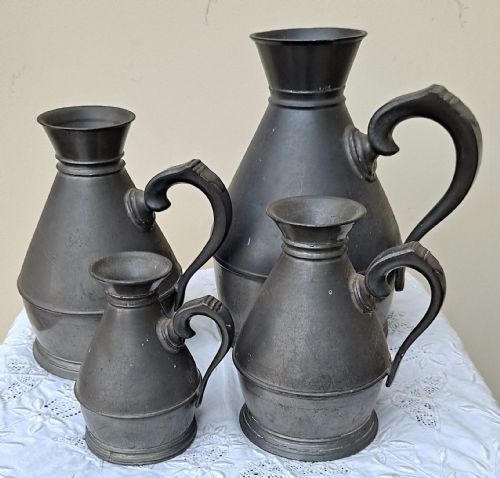


Vintage Metal Pitcher
A vintage metal pitcher brings everyday utility and distinct historic character into a room through honest materials like copper, pewter and brass.
Vintage Metal Pitcher
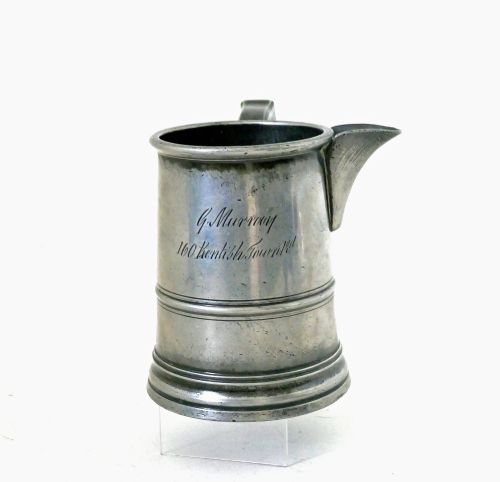
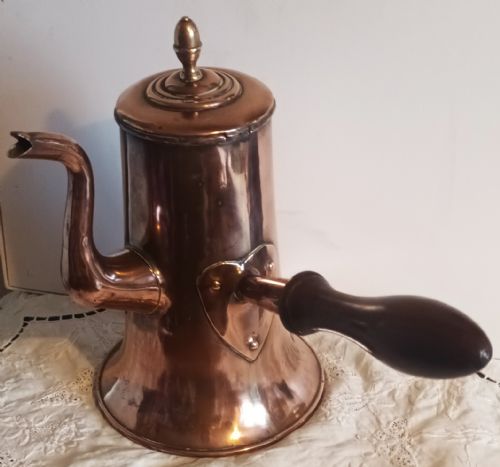
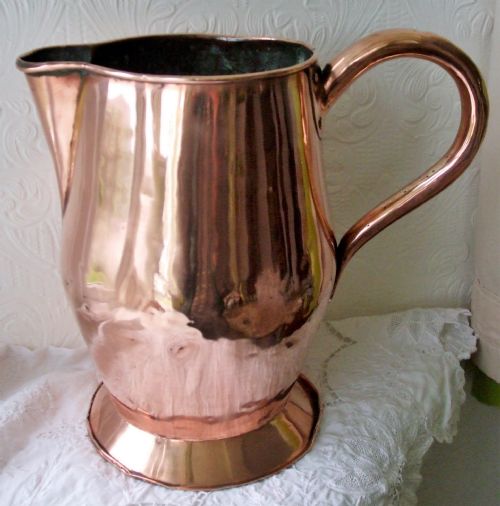
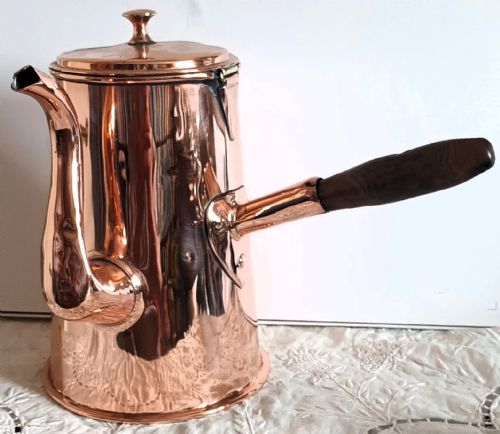
When you search for a vintage metal pitcher, you encounter domestic vessels shaped for pouring liquids, holding measure, and serving coffee or ale. These objects bridge the gap between utilitarian kitchenware and decorative metalwork.
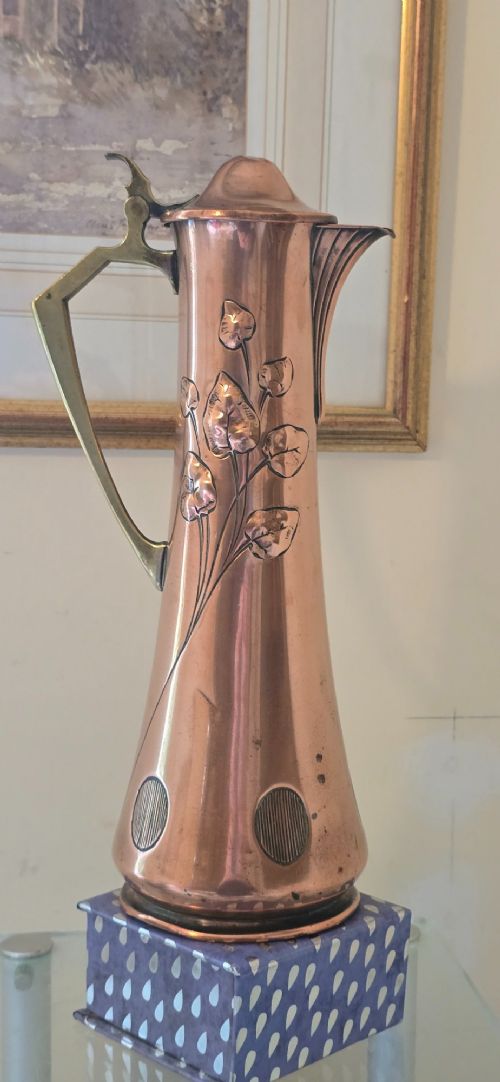
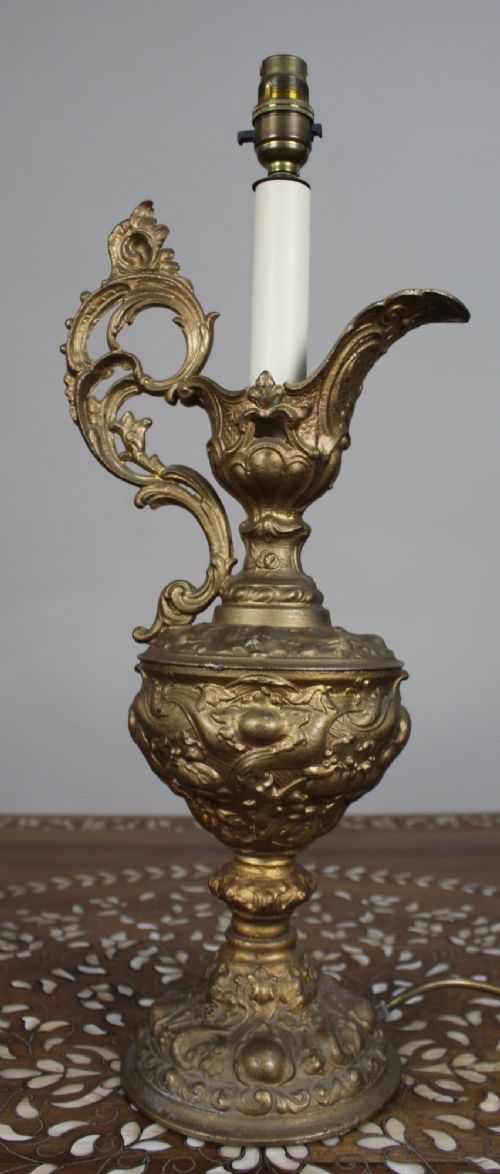
The pieces on this page span several centuries, with prominent examples stemming from the Georgian and Victorian eras, alongside robust Arts and Crafts and Art Nouveau designs. You are likely to meet heavy copper measuring jugs and pewter flagons alongside slender brass ewers.
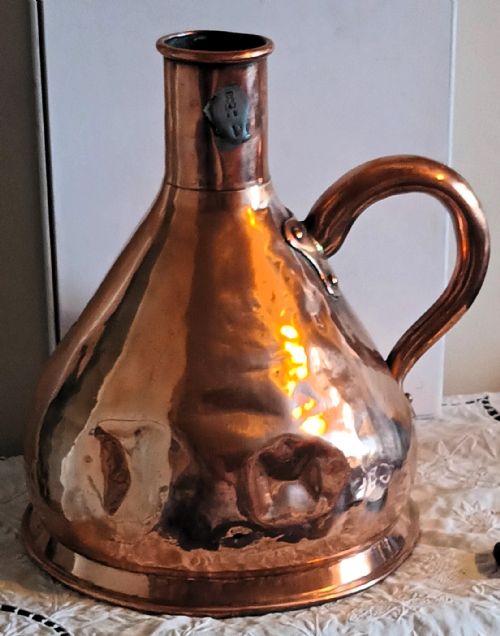
Origins range from English country workshops to continental foundries and Middle Eastern markets, reflecting diverse regional forms such as the Scottish Tappit Hen and Irish haystack measures.
Materials and construction methods
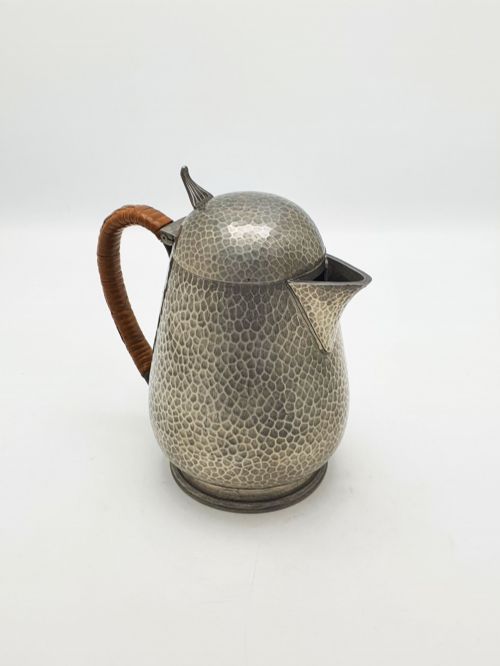
Copper and pewter dominate the physical record, shaped by hammering, casting and soldering techniques that leave subtle tool marks on the surface. Makers frequently used brass for handles, spouts, and reinforcing bands to add structural contrast.
Surface decoration relies on physical manipulation rather than applied ornament, seen in engraved inscriptions, repoussé floral relief work, and applied enamel details. Handles often integrate cane wrapping or distinctive cast forms like marine motifs and scrollwork.
Several heavy vessels include curious design touches like a sea-monster handle guarding the spout.
Distinguishing quality in metalware
Quality rests in the weight of the metal and the integrity of the original construction, where thicker gauge copper and heavy-gauge pewter retain their structural rigidity through generations of use. Superior pieces display clean, confident hand-hammering and secure, well-fitted joints rather than heavy modern patching.
Artistic ambition separates standard utilitarian vessels from exceptional examples, particularly where notable designers and workshops introduced sculptural handles, harmonious proportions, and integrated enamel work that elevate simple pouring jugs into sophisticated decorative art.
Joseph Sankey·Archibald Knox for Liberty and Co·Keith Murray·Orme Evans and Co·WMF
The Vintage Metal Pitcher Glossary
- Pewter
- A malleable alloy composed principally of tin, often combined with copper and lead. It develops a soft, dark grey patina with age.
- Haystack measure
- A distinctively shaped Irish or English liquid measure featuring a bulbous body that tapers toward the top, resembling a traditional stack of hay.
- Flagon
- A large vessel with a handle and lid, traditionally used for holding and pouring ale or wine.
- Repoussé
- A metalworking technique where the artisan hammers the design from the reverse side to form a raised pattern on the front.
- Tappit Hen
- A traditional Scottish pewter drinking measure fitted with a lid and a tap or simple pouring lip.
Vintage Metal Pitcher: Frequently Asked Questions
How were these metal pitchers used originally?
These vessels served practical domestic and commercial functions, ranging from measuring ale and spirits in taverns to heating water and serving coffee at the table.
Larger graduated sets allowed merchants to dispense accurate volumes of liquids, while ornamental ewers and decorated flagons performed both pouring and display duties in affluent households.
How do I clean an antique metal pitcher?
Cleaning depends entirely on the metal and the presence of historic patina, which many collectors prefer to leave undisturbed.
Gentle washing with warm water and mild soap removes surface dust, but aggressive metal polishes should be avoided to preserve the authentic aged surface of copper and pewter.
Can I use these pitchers for serving drinks today?
While many of these vessels remain structurally sound, historic solders and internal linings may contain lead or other metals unsuited for modern food safety standards.
It is generally wiser to enjoy them as decorative objects, flower vases, or dry display pieces rather than for daily beverage consumption.
How can I tell the difference between copper and brass items?
Copper exhibits a distinct pinkish-red hue and tends to be softer and more malleable when hand-hammered into vessels.
Brass appears yellower and brighter due to its alloy composition of copper and zinc, often providing a harder, more rigid structure for handles and decorative mountings.