
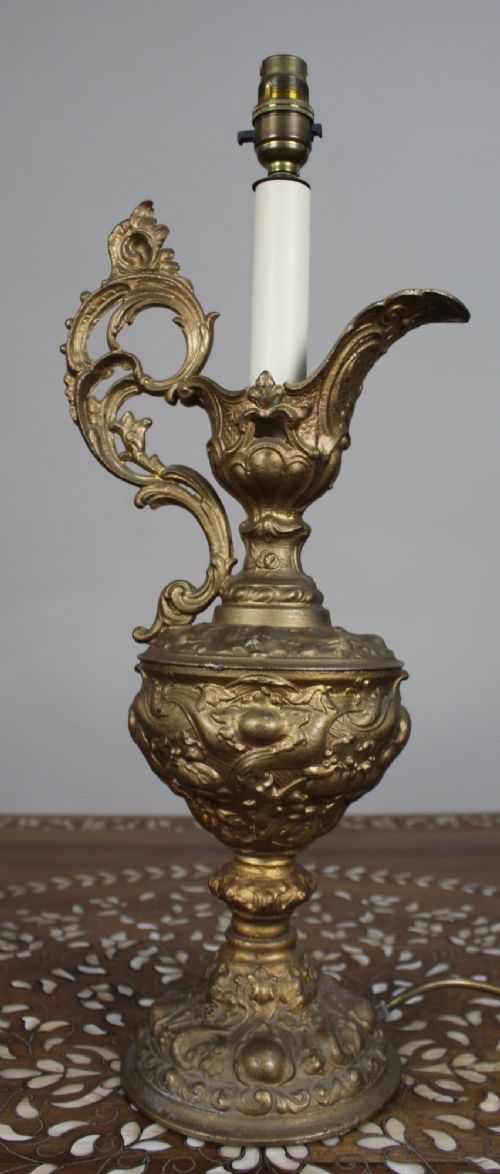


Antique Brass Pitcher
These antique brass pitcher pieces bring heavy metal craft and practical form into a room, offering warm tones and solid historic utility.
Antique Brass Pitcher
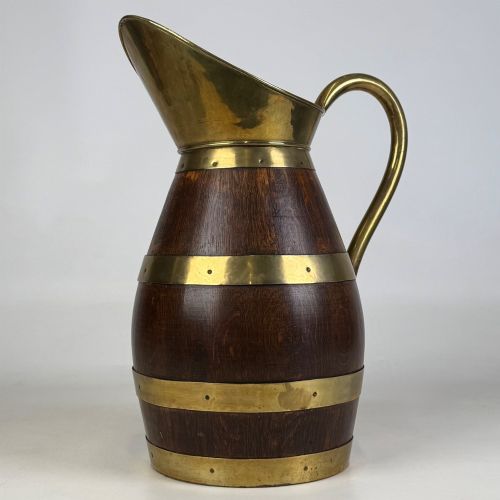
When you search for antique brass pitcher items, you encounter a varied collection of vessels designed for serving, measuring, and display. The selection spans utilitarian water cans, decorative ewers, and coopered oak jugs bound in metal.
Most examples originate from the nineteenth and early twentieth centuries, covering Victorian, Edwardian, and Arts and Crafts periods. Alongside standard brass, pieces frequently incorporate copper, oak, and glass.
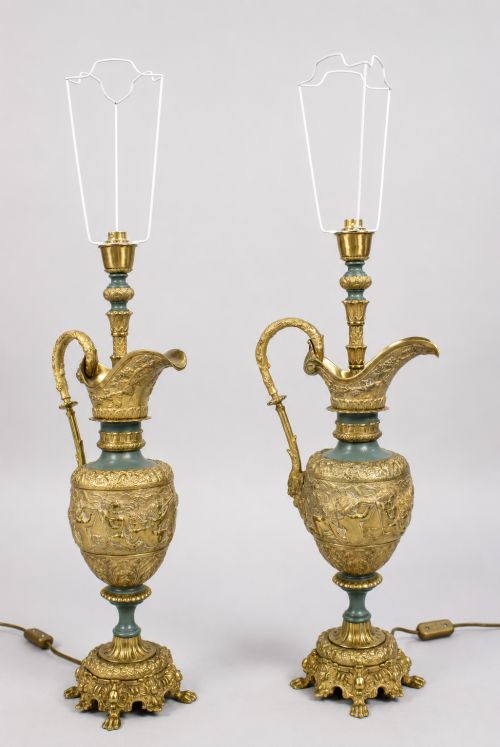
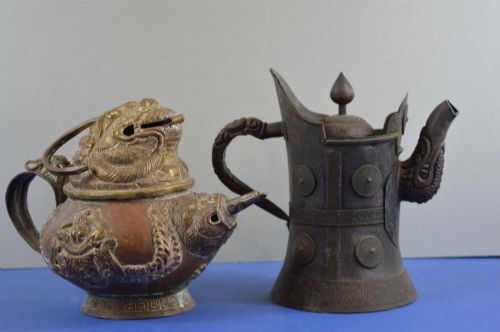
Forms range from traditional English haystack measures to Tibetan ceremonial ewers and Middle Eastern coffee pots. Buyers also find table lamps adapted from ewer forms and large umbrella stands.
How They Were Made
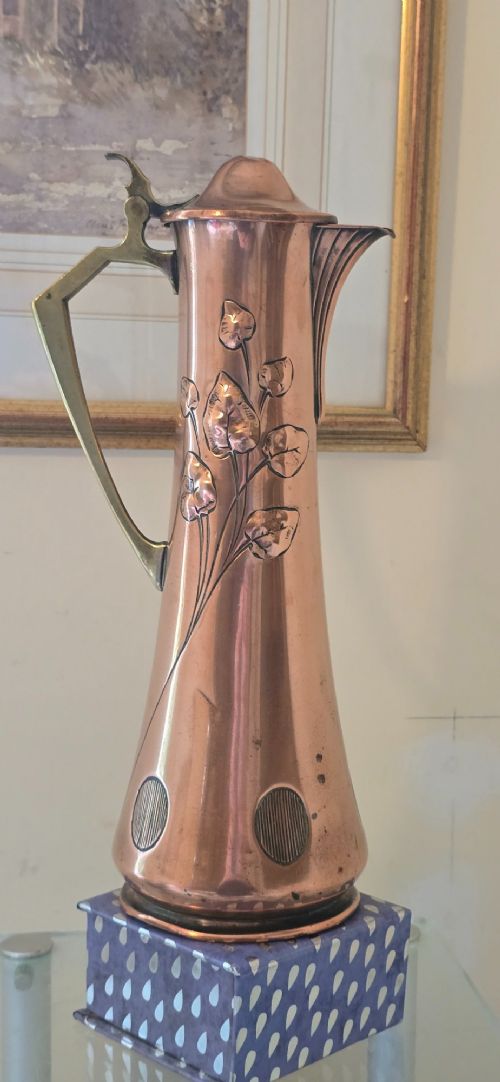
Makers utilised sheet brass and copper, often shaping them over forms or joining sections with visible seams and rivets. Coopered versions relied on staves of oak bound tightly with heavy brass bands.
Surface decoration involved chasing, repoussé relief work, and applied cast elements such as handles shaped like dolphins or Bacchus figures. Some items combined brass with gilt metal, ormolu, and enamel.
Antique Brass Pitcher Retail Price Guide 2026
Typical asking prices for brass pitcher among the pieces listed under this phrase on Sellingantiques today, from the lower quarter to the upper quarter. They describe what is for sale here now, not the wider market.
Yak butter tea pots sit alongside Victorian water cans, proving that hot liquids travelled in style across continents.
What Varies in Quality
The standard of a piece rests upon the weight of the metal and the crispness of any chased or cast relief work. Heavier gauge brass and thick copper indicate durability and substantial material use.
Finishing details distinguish finer examples, such as neatly dovetailed or coopered joints on wooden bodies and securely fixed handles. The harmony between decorative mounts and the main body dictates overall success.
J Bower·Orme Evans And Co·H F Fearncombe And Co
The Antique Brass Pitcher Glossary
- Ewer
- A large jug with a wide spout and handle, traditionally used for holding water. Many survive as decorative items or table lamps.
- Coopered
- Built from wooden staves bound together with metal hoops, much like a barrel. This technique appeared on larger jugs and umbrella stands.
- Haystack measure
- A traditional British standard liquid measure featuring a distinctive bulbous body and narrow neck. These were stamped for official capacity.
- Repoussé
- A metalworking technique where the design is hammered into relief from the reverse side. It creates tactile surface patterns on copper and brass bodies.
- Oinochoe
- An ancient Greek wine jug shape featuring a trefoil mouth. Revival versions mimic this classic three-spouted rim profile.
Antique Brass Pitcher: Frequently Asked Questions
What were brass pitchers used for?
These vessels served practical domestic roles such as carrying water, measuring liquids, and heating water for washing. Many acted as utility items in kitchens and dairies before transitioning to decorative display.
Heavier examples, like haystack measures, held exact volumes for trade use, while others functioned as ritual objects or coffee pots.
How do I clean an antique brass pitcher?
Most collectors prefer to leave a natural aged patina on old brass and copper surfaces. Harsh chemical cleaning can strip away historic character and reduce desirability.
Dusting with a dry cloth or gentle washing with mild soapy water is usually sufficient for routine maintenance. Avoid abrasive pads that scratch the metal.
How do I date a brass jug?
Dating relies on stylistic clues, manufacturing marks, and construction methods. Pieces from the Georgian period often show hand-hammered seams, while Victorian and Edwardian items display more standardised workshop production.
Maker stamps and capacity marks also help narrow down the decade of manufacture.
Are these pitchers waterproof?
While many metal and coopered vessels were designed to hold liquids, age can affect their integrity. Shrinkage in wooden staves or tiny pinholes in old metal can lead to leaks.
It is wise to test containers before filling them for extended display with fresh water.