



Art Nouveau Metalware
Art nouveau metalware brings fluid organic lines and floral motifs into domestic spaces through practical objects made to be used and displayed daily.
Art Nouveau Metalware
When you search for art nouveau metalware, you encounter domestic items from the early twentieth century designed with characteristic plant tendrils, floral relief and sweeping curves. The selection ranges from functional vessels like jugs, planters and chalices to desk accessories and large fruit stands.
You are most likely to meet pieces produced during the Edwardian period around nineteen hundred, alongside items from nineteen ten and nineteen thirty. These objects embody the intersecting aesthetics of the Art Nouveau and Arts and Crafts movements, often incorporating Celtic revival details.
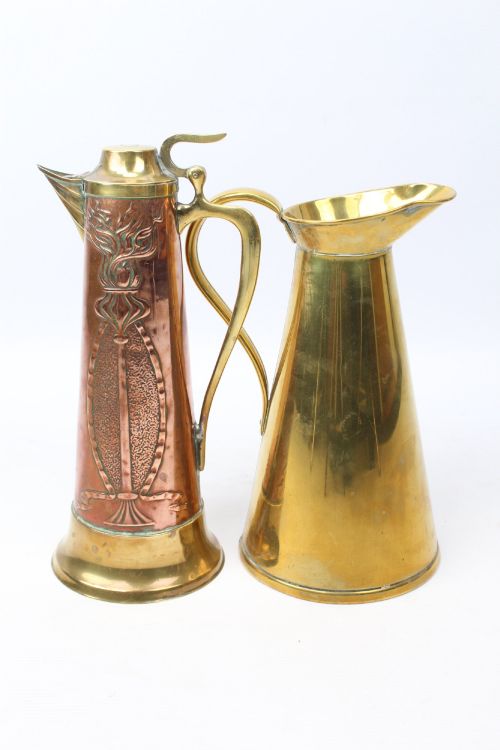
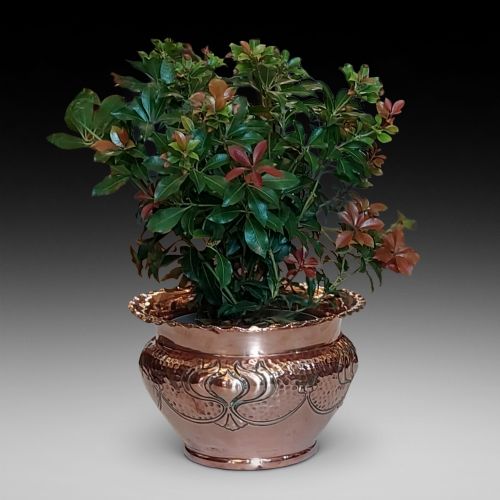
The forms span everyday household items transformed into decorative statements, including graduated copper jugs, botanical trays, maiden candelabra and lidded tankards. Their origins encompass British workshops, continental manufacturers and French studios.
How they were made
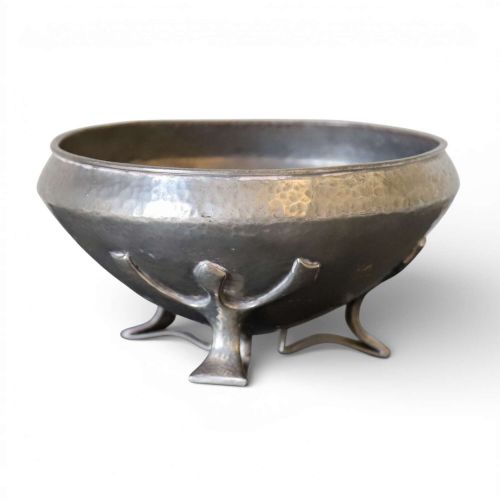
These items rely on base metals such as copper, pewter, Britannia metal and silvered pewter, which lent themselves to shaping into organic contours. Workshops utilised sheet metal fabrication and casting techniques to achieve high-relief floral designs and figural elements like mermaids and maidens.
Surface enhancement often involved hand-beating copper surfaces, applying enamel highlights or employing silver plating over pewter to catch the light. Maker marks and model numbers were frequently stamped into the base during production.
Art Nouveau Metalware Retail Price Guide 2026
Typical asking prices for art nouveau metalware among the pieces listed under this phrase on Sellingantiques today, from the lower quarter to the upper quarter. They describe what is for sale here now, not the wider market.
Several pieces feature sculptural figures, including a mermaid handle and maiden candelabra, bringing silent company to the mantelpiece.
What varies in quality
The distinction between standard production and exceptional work lies in the crispness of the chased or cast relief work, particularly on figural handles and floral motifs. Pieces from known designers and prominent metalwork firms exhibit superior proportions and more ambitious sculptural integration.
Finish preservation also separates examples, as original silvering, patination on copper and intact enamel insets determine how successfully a piece retains its intended visual impact.
Liberty & Co Tudric·Oliver Baker·Joseph Sankey·WMF
The Art Nouveau Metalware Glossary
- Pewter
- A malleable alloy primarily composed of tin, historically used for domestic vessels and decorative objects due to its low melting point and dark grey lustre.
- Britannia metal
- A specific type of tin-based alloy known for its silvery appearance and ability to take a fine polish, frequently utilised for manufactured tableware.
- Silvered pewter
- Pewter that has received a thin coating of silver to enhance its brightness and mimic solid silver items.
- Tudric
- The trade name used by Liberty & Co for their range of pewter ware produced during the early twentieth century.
- Chalice
- A large stemmed goblet or cup, often repurposed in this period for decorative display rather than liturgical use.
Art Nouveau Metalware: Frequently Asked Questions
What is art nouveau metalware?
Art nouveau metalware encompasses domestic objects manufactured around nineteen hundred featuring the characteristic sinuous lines, plant forms and floral motifs of the movement.
These pieces include utilitarian items like copper planters, pewter trays, jugs and candelabra that merge practical function with decorative design.
How were these metal items used?
Households utilised these vessels and trays for everyday domestic purposes, such as serving drinks, holding cut flowers, or organising desk equipment.
Many pieces also served purely ornamental functions on sideboards, mantels and dining tables to showcase artistic taste.
How do I identify periods?
Dating relies on stylistic markers combined with manufacturer stamps, model numbers, and material choices typical of the Edwardian era and nineteen tens.
Objects from this window frequently blend Art Nouveau curves with Arts and Crafts structural honesty or Celtic revival motifs.
What materials are common?
Pewter and copper dominate the production of this period, often enhanced through silver plating or enamel detailing.
Britannia metal and silvered pewter also appear frequently, providing durable alternatives to solid silver for complex figural casts.