

Vintage Lounge Armchairs
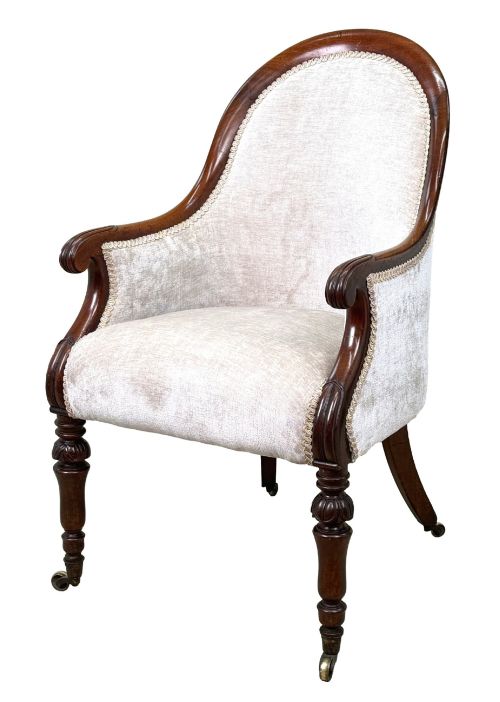
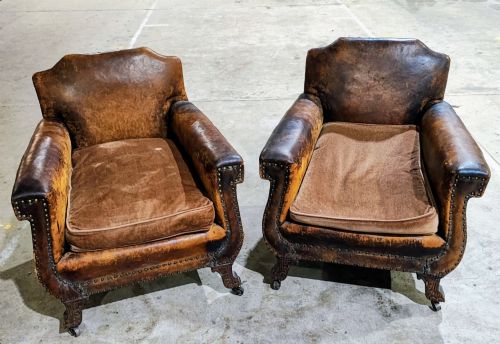
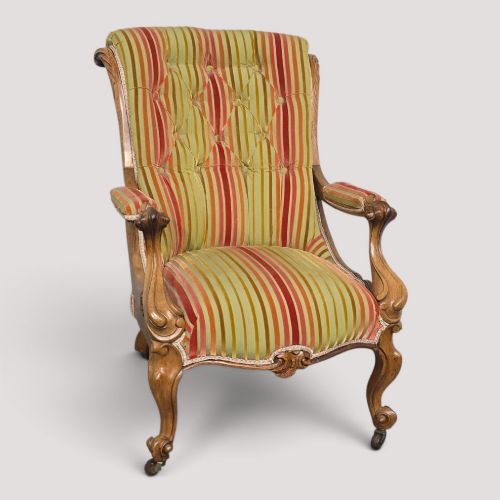
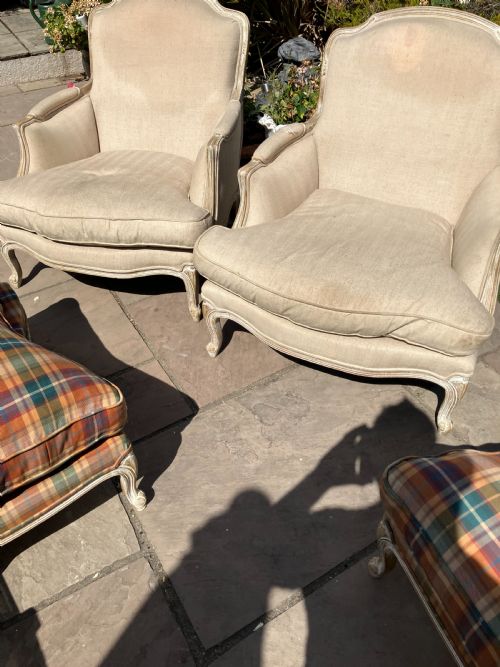
These vintage lounge armchairs bring deep seating and period character into a room, offering tactile materials and established silhouettes ranging from Art Deco to Victorian.
Vintage Lounge Armchairs
When you search for vintage lounge armchairs, you encounter heavy timber frames, upholstered seats, and generous proportions designed for relaxation. The pieces span multiple centuries and stylistic revivals, combining utilitarian comfort with decorative presence.
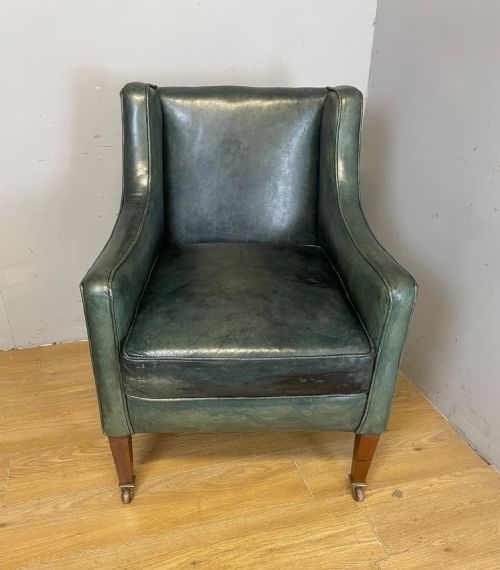
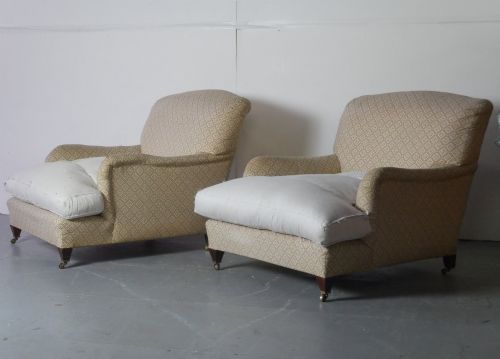
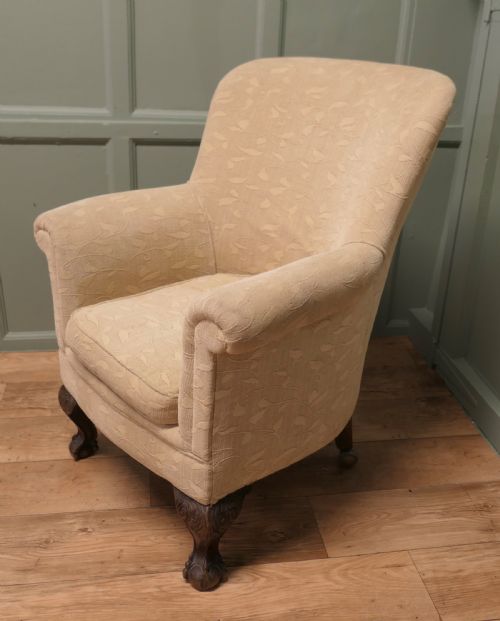
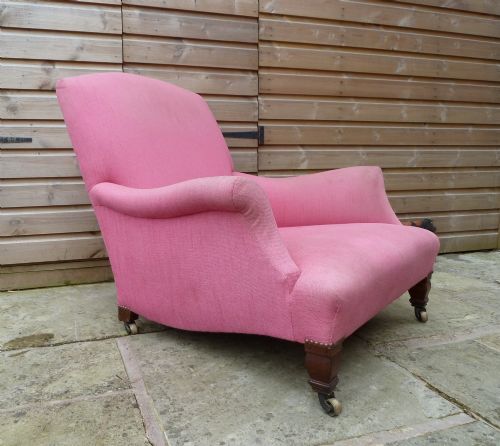
The forms encompass wing backs, tub chairs, bergere suites, and oversized open armchairs. Each type reflects the domestic habits of its period, prioritising padding, posture, or structural timber display.
How they were made
Frames rely on solid hardwoods like mahogany, walnut, oak, and satin birch, often shaped through traditional joinery and steam bending. Timber choice dictates the weight and structural integrity of each armchair.
Upholstery techniques employ materials such as leather, velvet, fabric, split cane, and feather fillings to achieve comfort. Makers combined internal webbing and coil springing with hand-stitched outer coverings to shape the seating profile.
Listings feature periods spanning from the Victorian era through to 1930s Art Deco.
What varies in quality
The distinction between tiers rests upon timber selection and the retention of original upholstery components. Superior examples display dense hardwoods, uncompromised frame joints, and tactile leather or textile coverings that have aged with uniform character.
Refinements in carving, proportion, and decorative veneers separate standard seating from exceptional pieces. Attention to internal padding density and the preservation of maker signatures or distinct regional styles elevate a chair's standing.
Howard and Sons·Gillows·Hille
The Vintage Lounge Armchairs Glossary
- Bergere
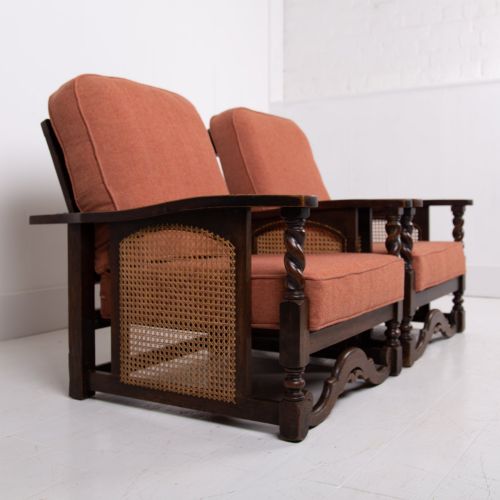
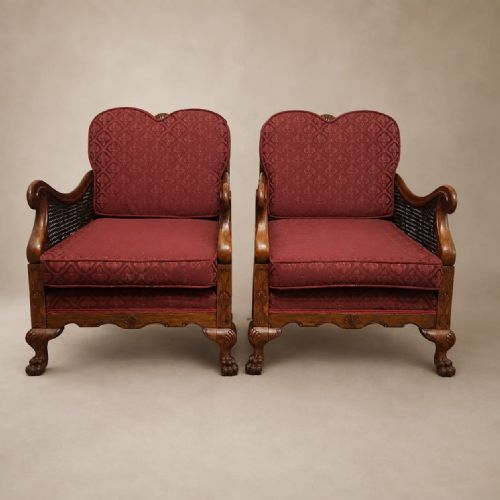
- An enclosed armchair with cane or wicker panelling set into a wooden frame. This French seating form gained popularity for its lighter visual weight.
- Tub armchair
- A comfortable chair featuring a continuous curved back and arms forming a semi-circular enclosure. The design provides intimate support for reading or conversation.
- Club chair
- A deep, low-slung armchair traditionally upholstered in leather. Originating in French and English clubs, it prioritises substantial cushioning.
- Wing back
- An armchair with high side panels attached to the arms to shield the sitter from drafts. Early versions were standard in unheated rooms.
- Satin birch
- A pale, lustrous timber utilised extensively in twentieth-century Scandinavian furniture. Its fine grain takes a high polish.
- Split cane
- Woven rattan material used for panel inserts in chair backs and sides. It offers flexibility and ventilation.
Vintage Lounge Armchairs: Frequently Asked Questions
What defines a club chair?
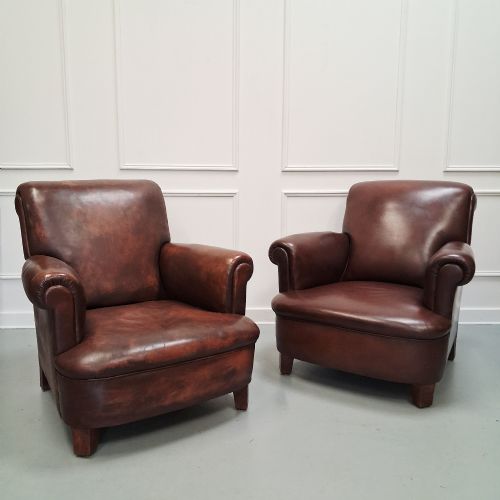
Club chairs are low, deep-seated armchairs traditionally upholstered in thick leather. Their generous proportions are engineered for extended relaxation.
They emerged in French and English establishments during the early twentieth century. The style relies on soft internal filling and robust leather skins that soften with handling.
How do I identify Art Deco armchairs?
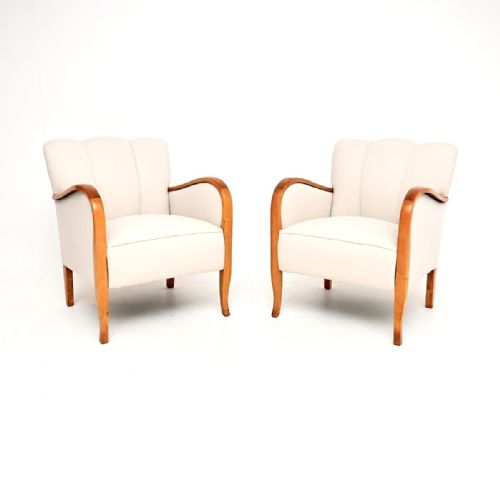
Art Deco armchairs feature streamlined silhouettes, geometric symmetry, and contrasting materials like satin birch and calf suede. Their forms abandon fussy ornamentation in favour of bold curves.
Manufactured predominantly during the 1930s, these chairs often incorporate club styling or occasional proportions. The integration of exotic woods and metal accents remains typical.
Are bergere chairs comfortable?
Bergere chairs provide firm support through their exposed wooden frames and cane panelling. Modern or period squab cushions are typically added to the seat base for softness.
The cane sides offer breathability while maintaining a rigid structural shell. They suit drawing rooms and studies where upright posture is preferred.
What is a library armchair?
Library armchairs are substantial seating pieces designed for reading rooms, often executed in mahogany, walnut, or leather. They feature supportive arm heights and deep seats.
Nineteenth-century examples frequently include tub or open arm configurations. Their sturdy timber frames were built to withstand heavy daily use in institutional and domestic libraries.