

Vintage Library Desk Chair
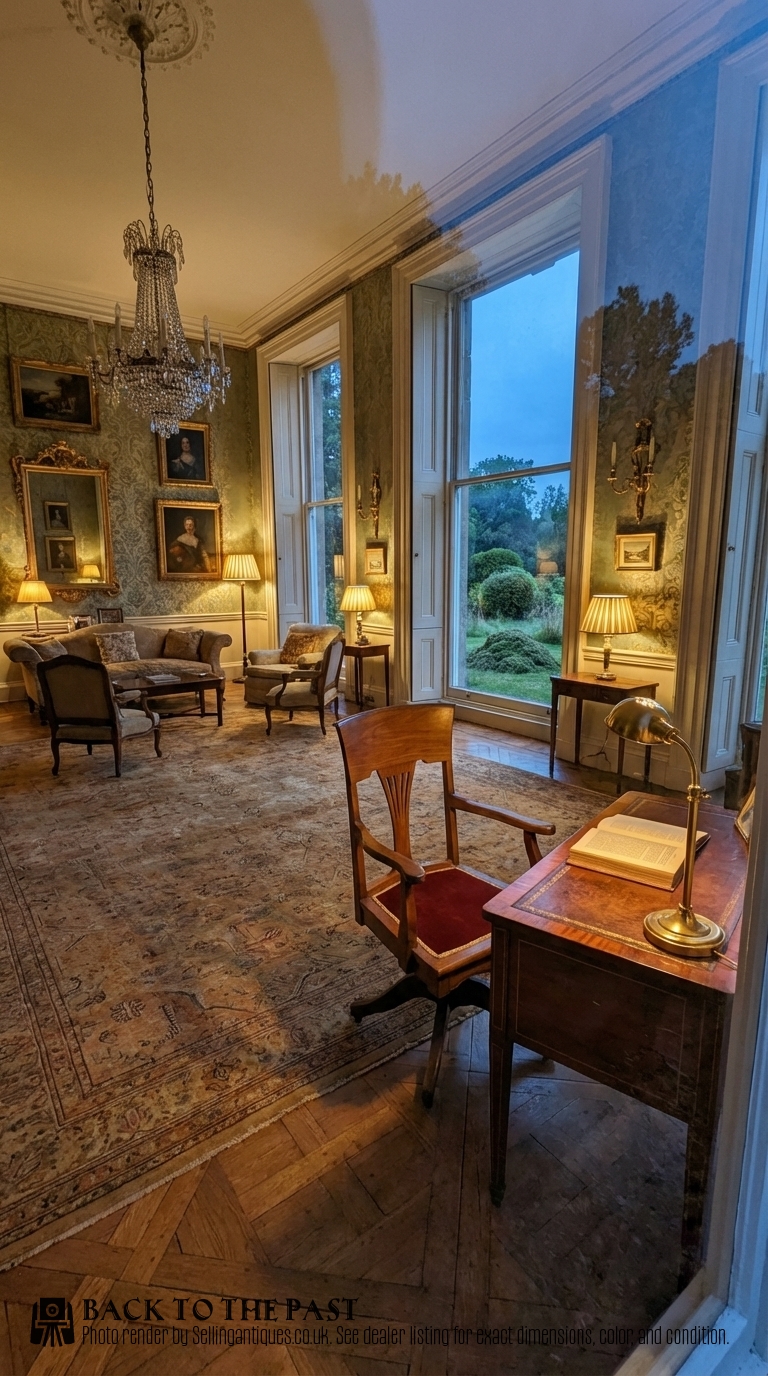
A vintage library desk chair anchors a room with working leather and sturdy timber.
Vintage Library Desk Chair
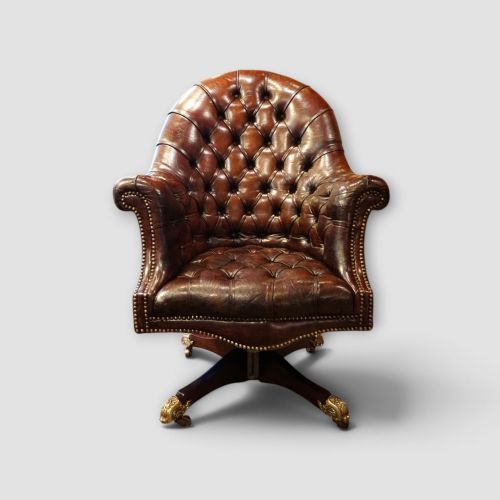
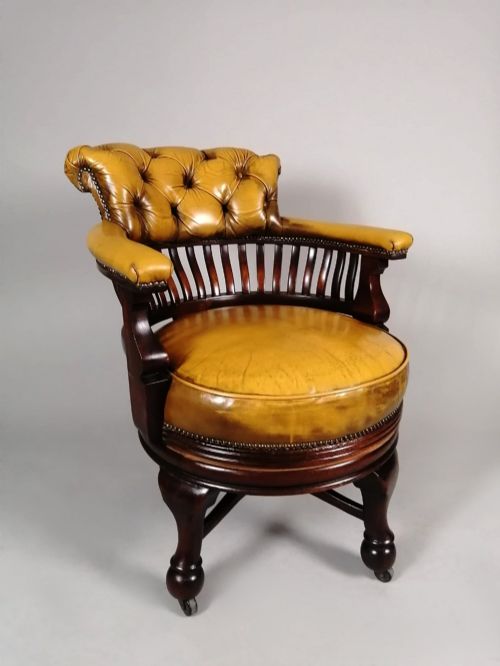
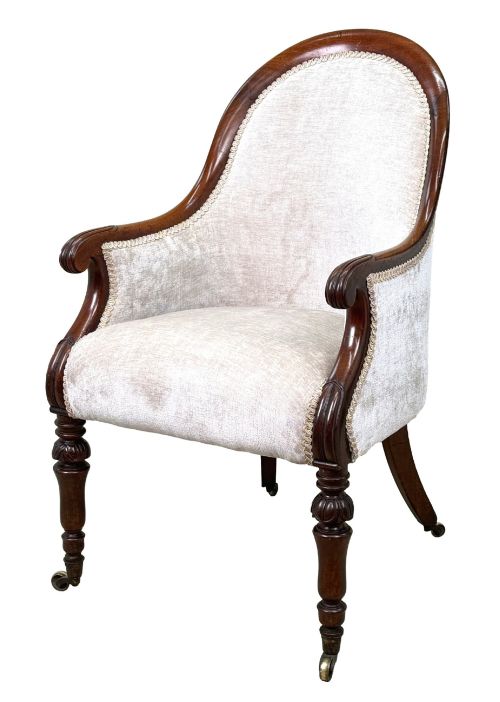
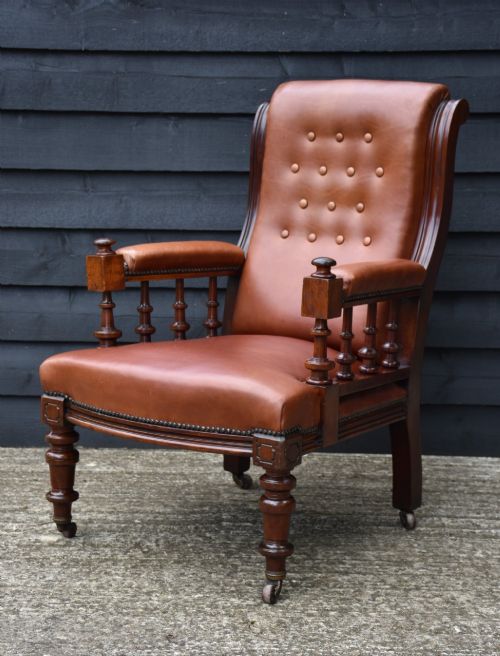
A vintage library desk chair combines the heavy frame of a reading seat with the functional height or swivel of an office place. Most pieces found here belong to the Victorian and Edwardian eras, alongside earlier Georgian and Regency designs and later revivals.
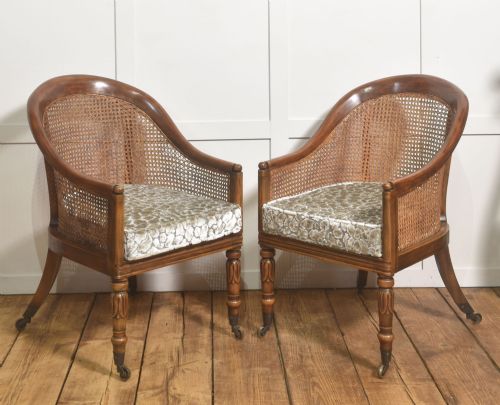
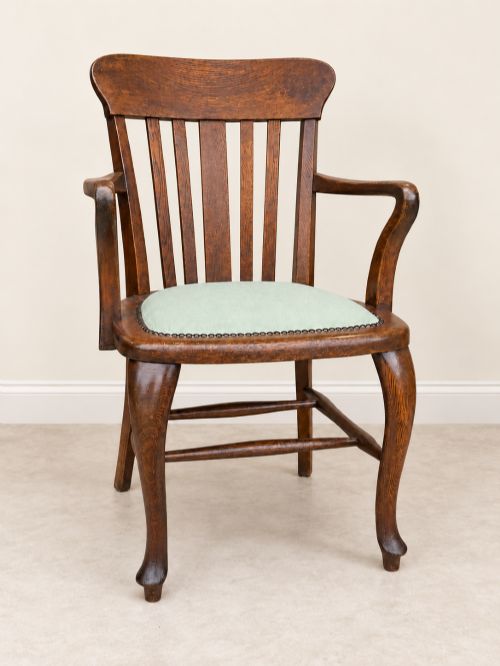
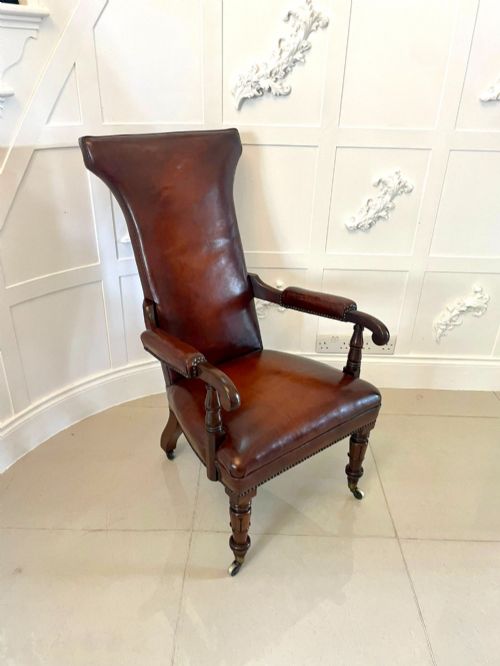
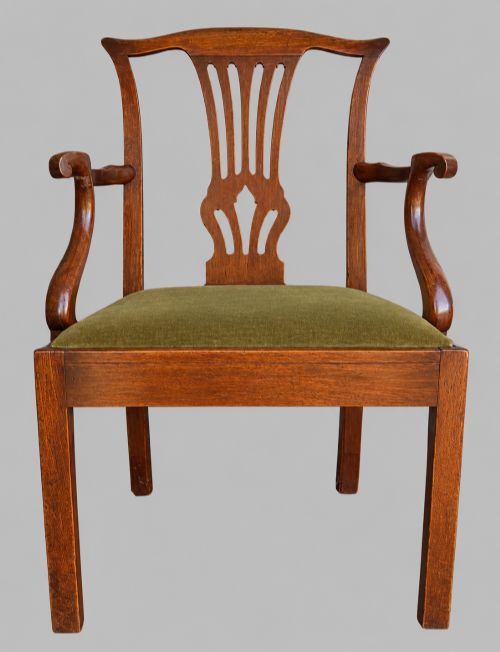
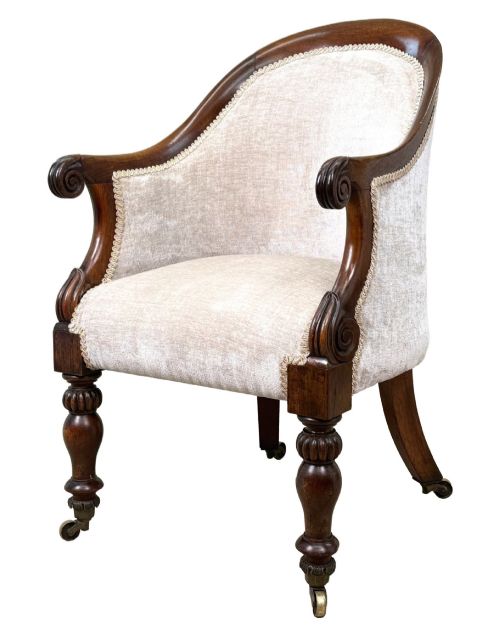
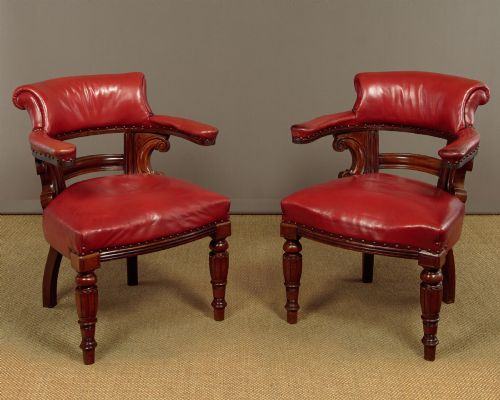
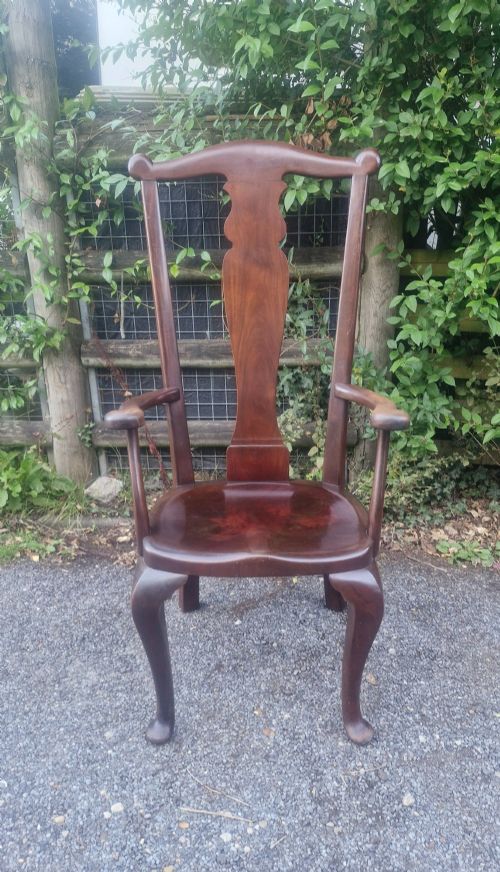
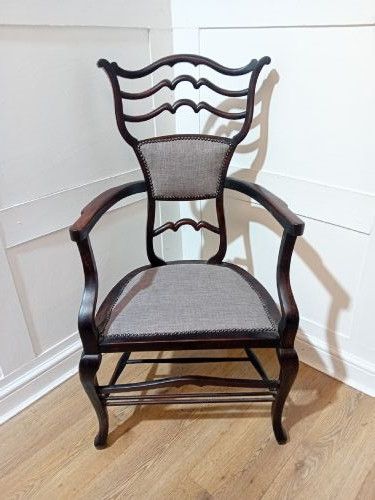
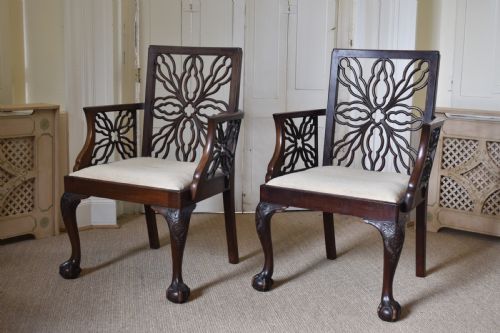
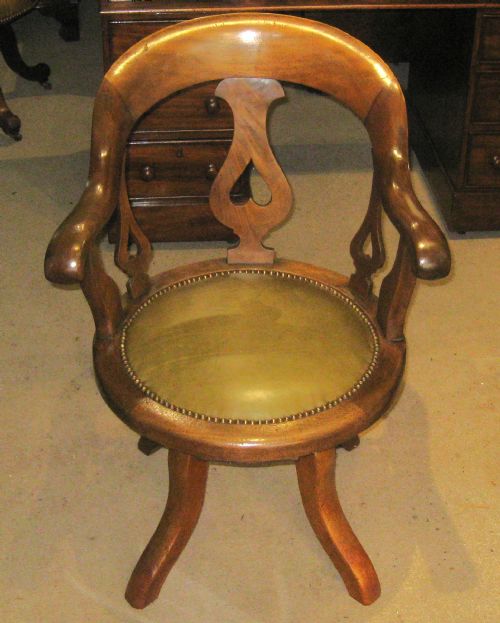
The silhouettes vary from tub shapes and open armchairs to revolving desk seats and deep Gainsborough forms. Mahogany and oak predominate, frequently fitted with leather upholstery or cane panels for daily study.
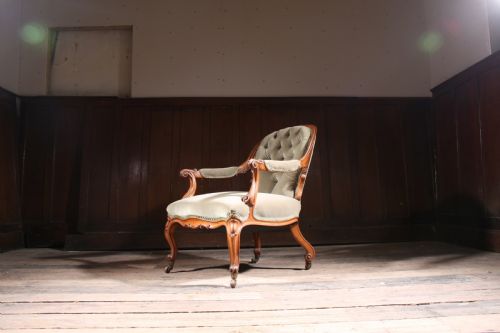
These seats serve as functional study furniture as well as formal armchairs for reading rooms. They appear in diverse styles ranging from Chippendale revival to Arts and Crafts and Empire.
Materials and Construction
Makers built these frames primarily from dense hardwoods like mahogany, walnut, and oak, often turning or carving the timber for structural support. Brass fittings secure swivel mechanisms and castors on revolving variants.
Upholstery relies on hand-dyed leather, hide, and woven cane inserts stretched across arm frames. Traditional joinery methods hold the elbow joints and back rails firm under daily pressure.
The furniture styles range from Georgian and Regency through to Arts and Crafts and Edwardian revivals.
Execution and Proportion
Quality rests in the balance of the timber frame and the depth of the carved detail on the arms and legs. Finer examples show crisp blind fretwork or disciplined turnings rather than heavy, slack lines.
The material integrity of the leather hide and the tightness of the cane work dictate the finish of the piece. Superior construction maintains rigid joints in the revolving mechanisms and elbow supports.
The Vintage Library Desk Chair Glossary
- Gainsborough chair
- A wide, upholstered armchair with open arms and a low seat, designed in the 18th century for writing or sitting at a desk. These typically feature mahogany frames and leather pads.
- Bergère
- An enclosed upholstered armchair with a wooden or cane frame where the sides are filled with wickerwork or cane. This style provides a lighter visual weight while maintaining sturdy back support.
- Captain's chair
- A rounded wooden armchair with a low back and arms that wrap around the sitter, often set on a revolving pedestal or rigid legs. They appear frequently in oak or mahogany for office use.
- Tub armchair
- A seat with a continuous curved back and armrest forming a single circular enclosure. This form hugs the body for prolonged periods of reading.
- Blind carving
- Carved ornament applied directly to a flat wooden surface in low relief, frequently seen on Georgian style mahogany rails. It adds texture without interrupting the structural line.
Vintage Library Desk Chair: Frequently Asked Questions
How do I choose the right height?
Check the clearance from the underside of the chair arms to the floor against your desk opening. Many older swivel models have fixed heights that require careful measurement.
Traditional library chairs often sit lower than modern office seats, intended for relaxed reading rather than typing at a computer.
Can I use one daily?
Solid mahogany and oak frames handle regular daily seating well if the joints remain tight. Leather upholstery benefits from occasional conditioning to prevent cracking under use.
Revolving mechanisms from the nineteenth century require gentle operation and periodic lubrication of the iron spindle.
What is a Gainsborough chair?
A Gainsborough chair is a wide armchair with an upholstered back and seat, open padded arms, and short wooden legs. They were originally built for writing tables and libraries.
Later revival versions copy these proportions in mahogany with hand-dyed hide.
How do I identify the period?
Look to the timber species, the turning style of the legs, and the method of upholstery assembly. Georgian and Regency pieces show hand-cut joinery and slender mahogany sections.
Edwardian and later iterations often employ machine-cut elements and standardised brass castors alongside heavier oak frames.