

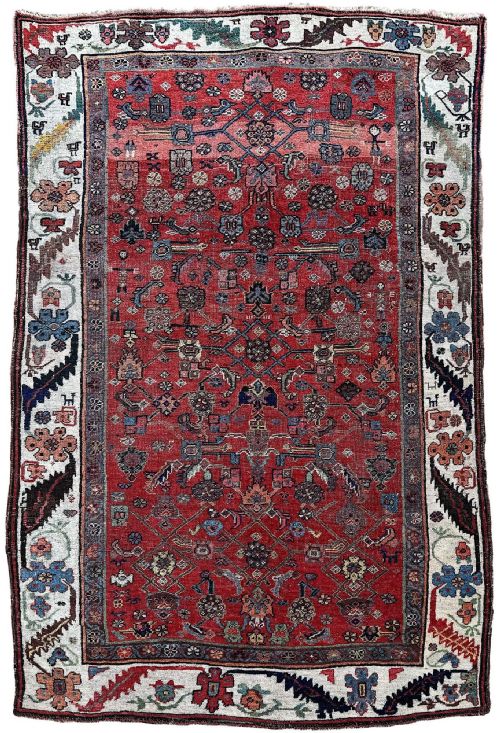
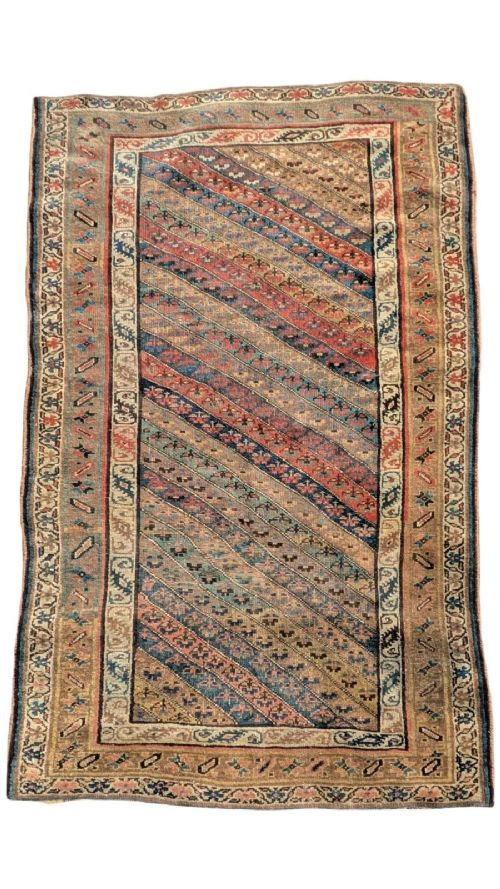
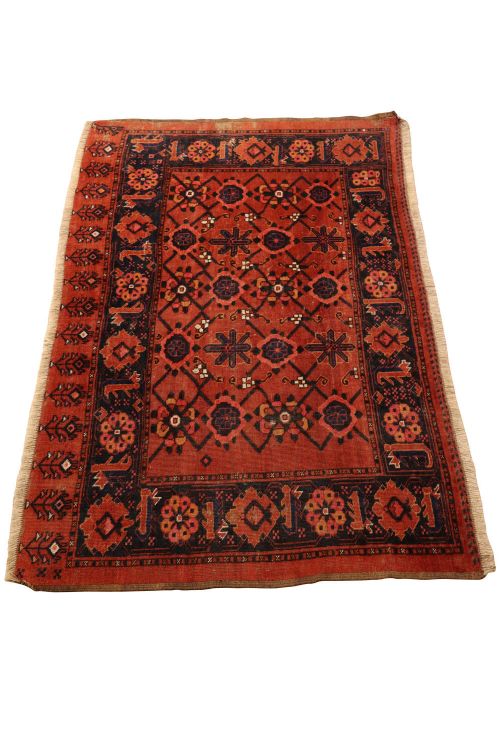


Vintage Kurdish Floor Rug
These vintage kurdish floor rug pieces bring bold tribal geometry and village craftsmanship straight into modern interiors.
Vintage Kurdish Floor Rug
A vintage kurdish floor rug represents the weaving traditions of nomadic and village makers from West Persia and surrounding regions. These floor coverings arrive in various formats, ranging from compact area rugs to long narrow runners suited for hallways.
Most examples date from the nineteenth and early twentieth centuries, spanning periods such as 1900, 1890, 1910, and earlier nineteenth century decades. The styles embrace Persian Tribal, Kurdish Tribal, Bidjar, and Caucasian Tribal designations.
Buyers meet pieces attributed to specific groups including the Jaf, Quchan Kurds, and Sauj Bulagh tribe. These floor textiles function practically underfoot while displaying centuries-old regional symbolism.
Assessing quality in regional carpets
Quality differences stem from knot density, handle flexibility, and the crispness of the tribal motifs. Tighter knotting allows sharper geometric definition and finer detail across the field and borders.
The integrity of the wool pile and the balance of the regional composition determine the visual strength of the piece. Superior examples display confident command of traditional Kurdish and Persian design vocabulary.
Nomadic weavers often worked from memory, translating local folklore and mountain landscapes directly into geometric wool patterns.
The Vintage Kurdish Floor Rug Glossary
- Pile
- The upright yarn loops that form the soft upper surface of the rug. This wool layer absorbs foot traffic and displays the woven patterns.
- Runner
- A long, narrow carpet format designed specifically for hallways, corridors, and stairs. These pieces guide movement through domestic spaces.
- Bidjar
- A town and regional weaving centre in West Persia known for exceptionally dense, heavy carpets. Rugs from this tradition earn renown for structural sturdiness.
- Senneh
- A historic weaving style associated with fine Kurdish town and village production. These pieces often feature intricate geometric field patterns.
- Warp
- The vertical foundation threads stretched tightly on the loom before knotting begins. Cotton and wool serve this structural role.
- Weft
- The horizontal threads passed across the warp lines between rows of knots to secure the pile. This element locks the entire structure together.
Vintage Kurdish Floor Rug: Frequently Asked Questions
Where were these rugs made?
Makers wove these textiles across villages and tribal territories of West Persia, including the Bidjar region and the Chahar Mahal Valley.
Nomadic and settled Kurdish groups produced these floor rugs using local wool and traditional hand-knotting methods.
How do I clean a wool rug?
Regular gentle vacuuming without a rotating brush roll keeps surface dust from settling into the wool pile.
Professional specialist cleaning is necessary for deeper maintenance to protect the natural fibres and dyes.
Can these rugs handle hallway traffic?
Dense wool construction and sturdy hand-knotted foundations make many of these formats suitable for heavy foot traffic.
Runners and long rugs function practically in corridors while providing warmth and acoustic softening.
How do I date a tribal rug?
Dating relies on structural characteristics, regional design shifts, materials, and historical attribution records.
Nineteenth-century examples show specific wool characteristics and natural dye variations that distinguish them from later twentieth-century production.