
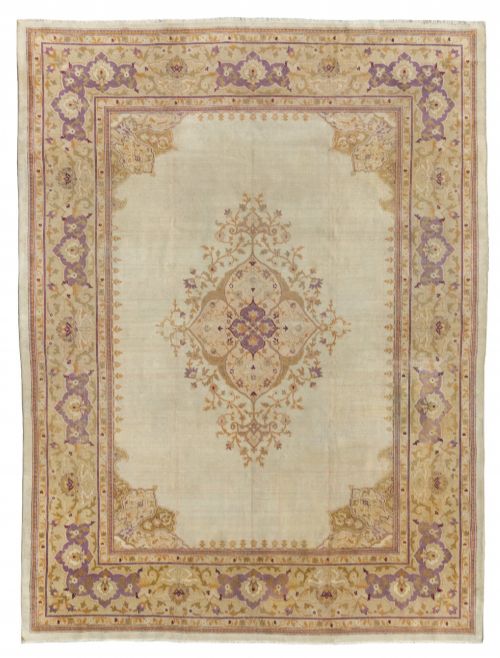


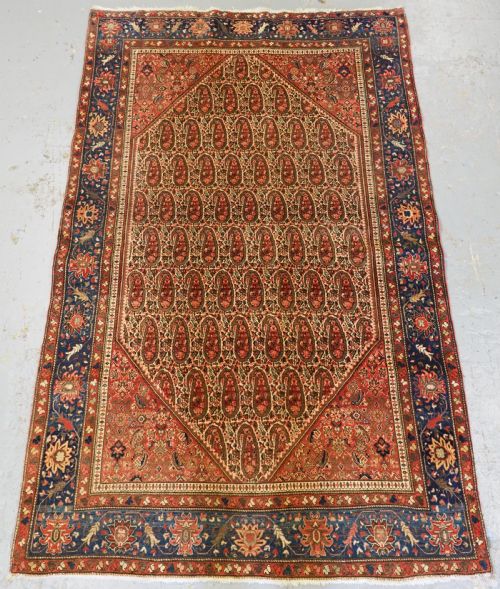


Edwardian Era Wool Rug
An edwardian era wool rug brings enduring texture and rich motifs into a room, combining traditional craftsmanship with the warmth of natural wool.
Edwardian Era Wool Rug
When searching for an edwardian era wool rug, a buyer encounters woven floor coverings originating from around the turn of the twentieth century, specifically spanning the periods from eighteen eighty to nineteen twenty. These pieces represent a variety of regional weaving traditions, including Persian, Turkish, Turkmen, and tribal workshops.
The most common examples on this page are Persian traditional, Malayer, Bakhtiar, and tribal formats such as Baluch and Quchan Kurdish rugs. They display distinctive cultural motifs ranging from garden and medallion designs to prayer mihrabs and boteh patterns.
These textiles function primarily as decorative floor coverings or wall hangings, bringing historical depth and diverse regional aesthetics into domestic spaces. Each piece reflects the specific weaving heritage and palette of its origin.
What varies in quality
Quality in an edwardian era wool rug is determined by the tightness of the weave, the intricacy of the design execution, and the fineness of the spun wool utilised in the pile. Superior examples demonstrate deliberate colour placement and balanced proportions across the field and borders.
The preservation of the original edges, fringe areas, and pile height further distinguishes finer examples from those showing heavy wear. Regional provenance and the complexity of tribal motifs also contribute to the distinction between standard and exceptional pieces.
Current listings span the years eighteen eighty to nineteen twenty, featuring wool and cotton materials across Persian, Turkish, and tribal styles.
The Edwardian Era Wool Rug Glossary
- Pile
- The upright loops or cut ends of yarn that form the usable surface of a rug. This layer determines the softness underfoot and absorbs much of the daily wear.
- Warp
- The vertical threads stretched lengthwise on the loom before weaving begins. These foundational cords support the entire structure of the textile.
- Weft
- The horizontal threads passed alternately over and under the warp threads to lock the knots in place. Together with the warp, it forms the grid foundation.
- Mihrab
- A niche design element found in prayer rugs indicating the direction of prayer. This architectural motif often frames the central field of the textile.
- Boteh
- A stylised almond or pear-shaped motif representing a shrub or floral spray. It appears frequently in traditional Persian and regional weaving.
Edwardian Era Wool Rug: Frequently Asked Questions
How do I clean my rug?
Vacuum gently without using a rotating brush bar to protect the delicate wool fibres from unnecessary friction and tension.
Professional specialist cleaning is recommended for heavier dirt removal to preserve the natural dyes and structural integrity of the weave.
Can I place these in hallways?
Placing these textiles in moderate traffic areas allows them to be enjoyed daily while receiving reasonable protection from heavy wear.
Using a suitable underlay prevents slipping and cushions the foundation against hard flooring surfaces.
How do I identify tribal designs?
Tribal designs often display geometric patterns, repeated medallions, and spontaneous local motifs rather than formal court compositions.
Regions such as Baluch and Kurdish areas produced distinctive layouts reflecting nomadic traditions and local symbolism.
Are these rugs suitable for modern rooms?
The soft colours and traditional motifs complement contemporary interiors by adding organic texture and historical warmth to minimalist spaces.
Contrasting neutral floors with patterned wool textiles creates a balanced focal point in a living room or study.