


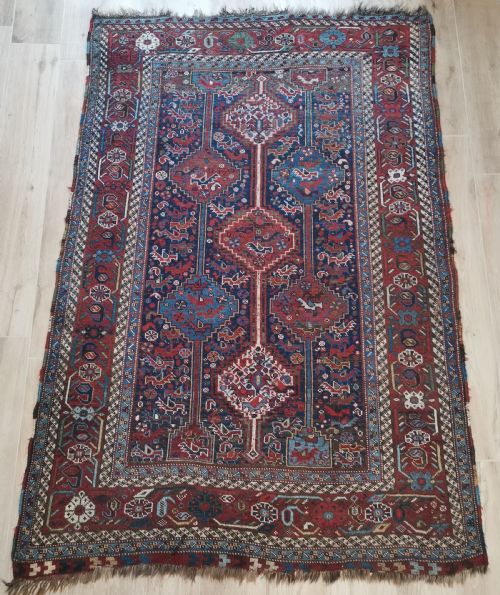
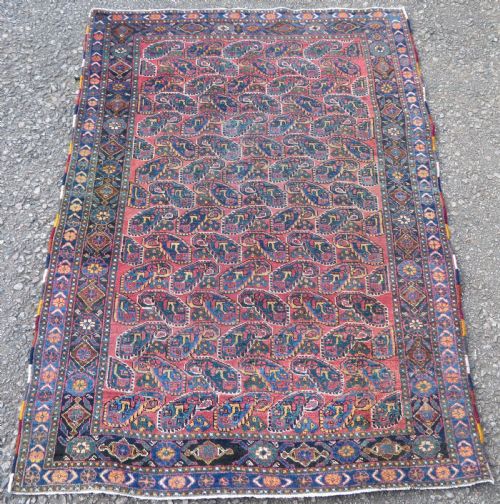
Traditional Nomadic Carpet
A traditional nomadic carpet brings tribal heritage into a room through woven wool and regional symbols created by weavers across Central Asia and Persia.
Traditional Nomadic Carpet
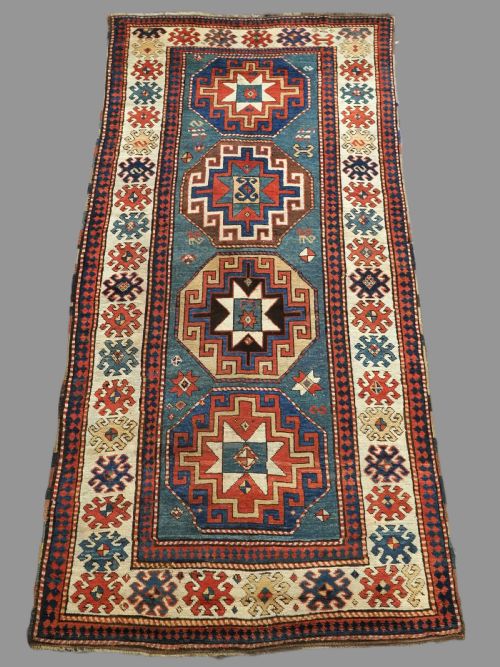
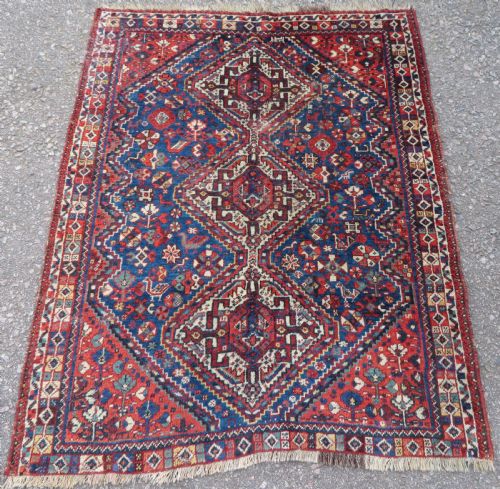
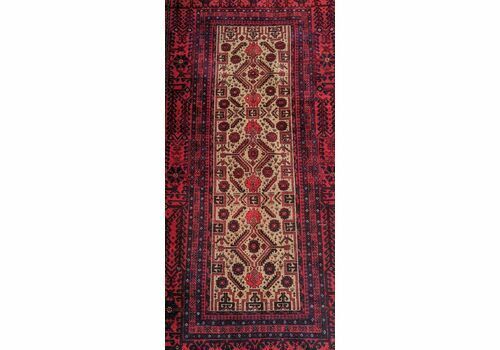
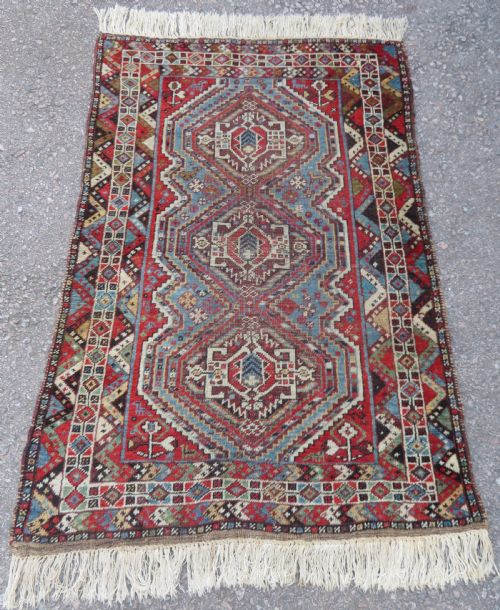
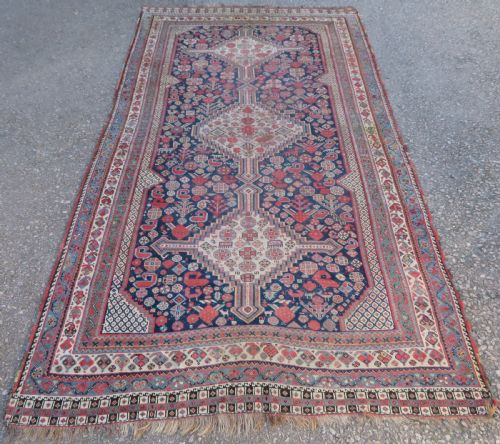
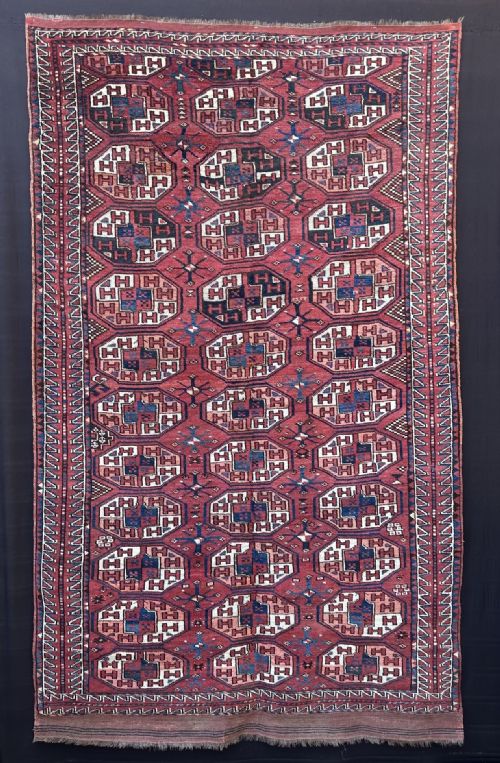
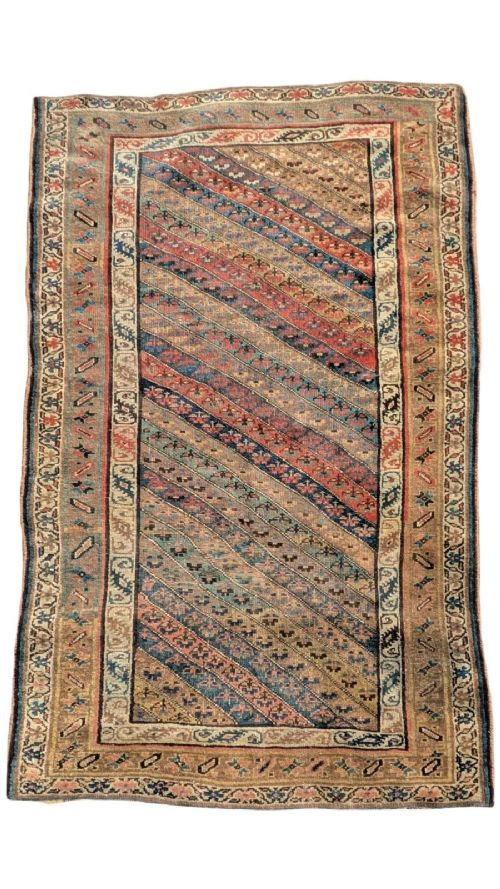
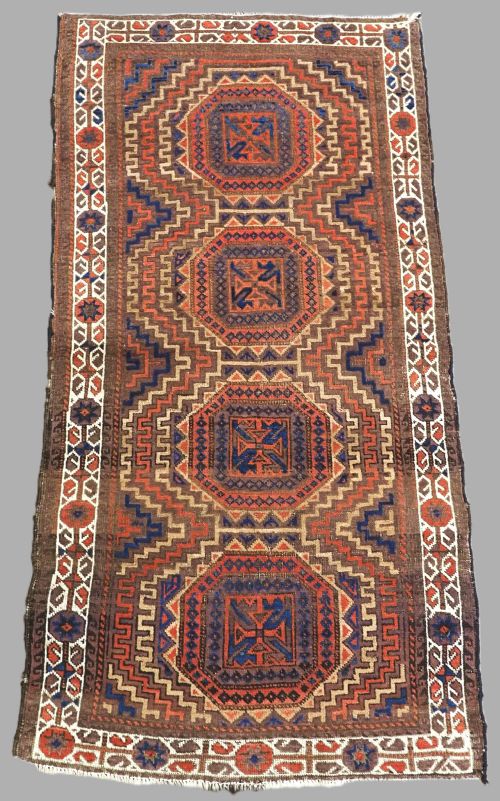
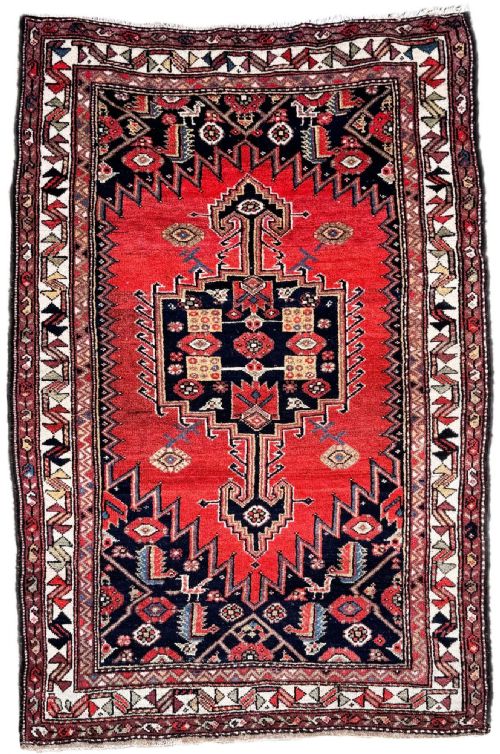
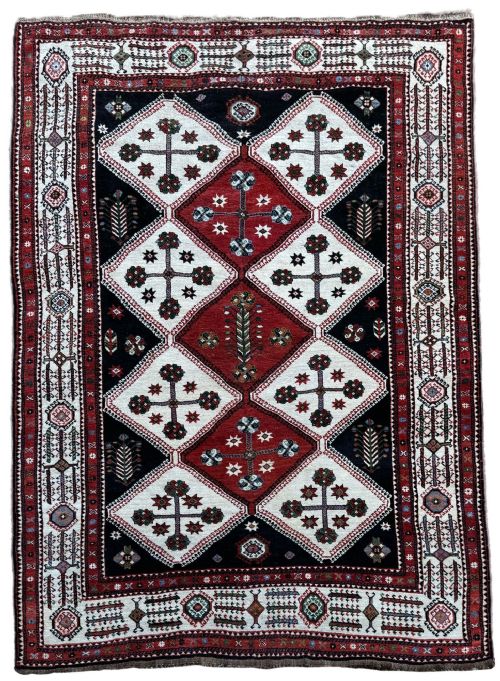
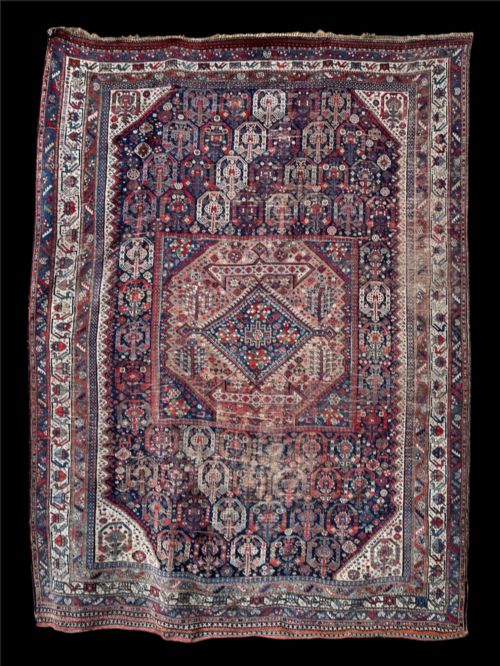
A traditional nomadic carpet encompasses hand-woven floor coverings and textiles originating from tribal confederacies and nomadic groups such as the Turkmen, Baluch, Khamseh, Afshar, and Kurdish peoples. These pieces date primarily from the nineteenth and early twentieth centuries, reflecting regional weaving traditions passed down through generations.
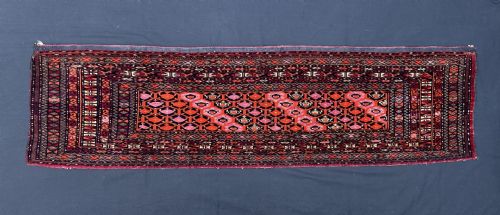
The selections available here range from large carpets and room-sized rugs down to smaller formats like prayer rugs, runners, and specialised tribal bags including torbas and jollas. Most examples hail from Persian, Central Asian, and Caucasian regions, displaying distinct tribal motifs and field patterns.
Buyers will encounter formats executed in various pile and flatweave techniques, spanning from village carpets to tent furnishings. The overarching category centres on authentic tribal expression rather than urban workshop production.
What varies in quality
The calibre of a piece rests on the fineness of the knotting, the precision of the tribal geometry, and the integrity of the wool. Early examples with undisturbed pile and well-preserved borders demonstrate superior structural survival.
The depth and variation of natural dyes influence visual success, alongside the complexity and clarity of traditional guls or field designs. Pieces retaining complete original edges and ends command greater regard among collectors.
Listings feature pieces spanning the nineteenth century up to the 1940s, utilising wool, cotton, felt, and natural dyes.
Teke Tribe·Sariq Tribe·Kizyl Ayak Tribe·Baharlu Tayefeh
The Traditional Nomadic Carpet Glossary
- Gul
- A primary medallion or repeating octagonal motif commonly found in Turkmen and Central Asian weaving. These designs often identify specific tribes or clans.
- Prayer Rug
- A smaller format rug featuring a mihrab or arch design at one end, traditionally oriented toward Mecca during daily prayers. These often incorporate directional motifs.
- Torba
- A small utilitarian tribal bag used for storage inside a yurt or tent, featuring a decorative face woven in pile or flatweave techniques. Complete examples retain their original plain weave backs.
- Gabbeh
- A coarsely knotted, thick pile rug traditionally made by nomadic weavers for personal use, known for sparse, abstract designs and broad fields of solid colour.
- Flatweave
- A textile produced without a raised pile by interlacing warp and weft threads directly, encompassing techniques used for storage bags and tent bands.
Traditional Nomadic Carpet: Frequently Asked Questions
How do I identify tribal designs?
Tribal designs are distinguished by geometric motifs, repeating guls, and stylized animal or plant forms that reflect specific regional heritage rather than formal court aesthetics.
Studying the characteristic palette and structural quirks helps attribute a piece to groups such as the Baluch, Afshar, or Turkmen.
Where were these carpets made?
These textiles originate from regions across Persia, Central Asia, and the Caucasus, produced by nomadic and semi-nomadic tribes living in tent camps or rural settlements.
Local access to specific sheep breeds and indigenous dye plants shaped the distinct output of each distinct weaving group.
How should I care for a wool rug?
Maintenance requires regular gentle vacuuming without a rotating brush bar to protect the wool pile and historical foundations from unnecessary friction and wear.
Professional cleaning tailored to antique textiles ensures that natural dyes and hand-spun fibres remain stable over decades of daily use.
What is a prayer rug used for?
Prayer rugs were traditionally utilised for daily Islamic devotions, featuring a distinct niche or arch design that indicates the correct direction during ritual placement.
Beyond ceremonial use, their portable format made them practical furnishings for travel and domestic daily life within nomadic tents.