

Geometric Patterned Wool Rug
A geometric patterned wool rug brings grounded texture and structure to a room through centuries-old tribal weaving traditions.
Geometric Patterned Wool Rug
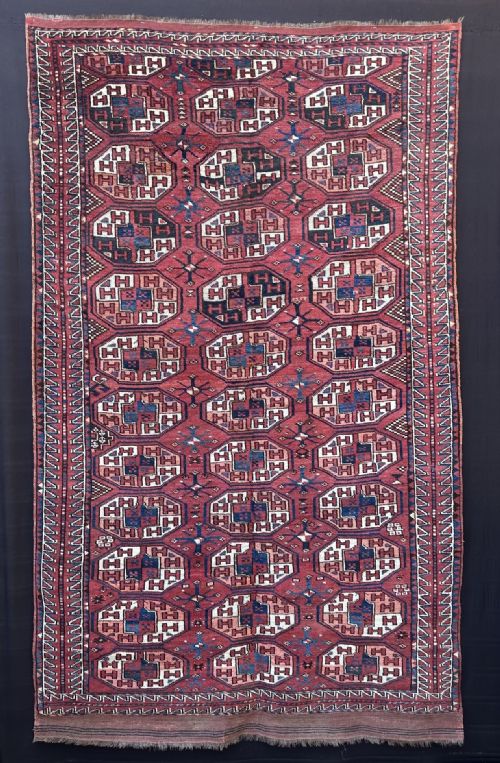
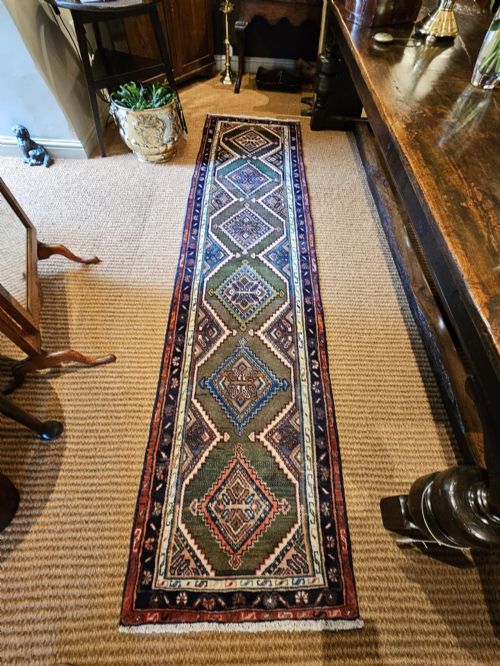
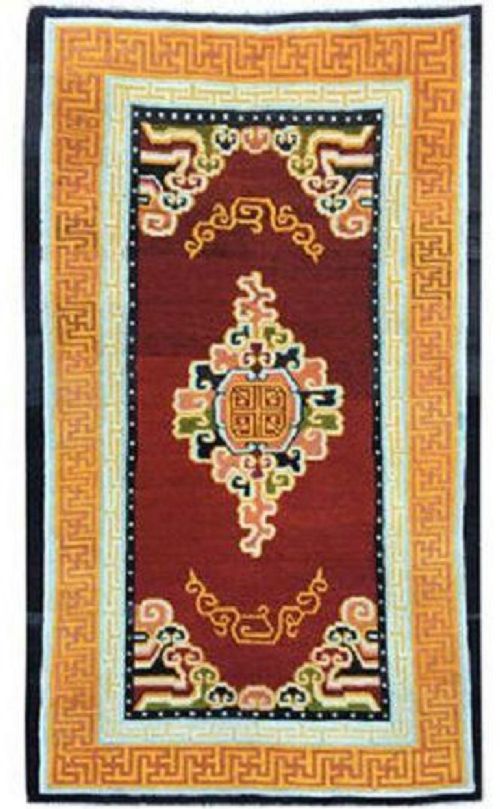
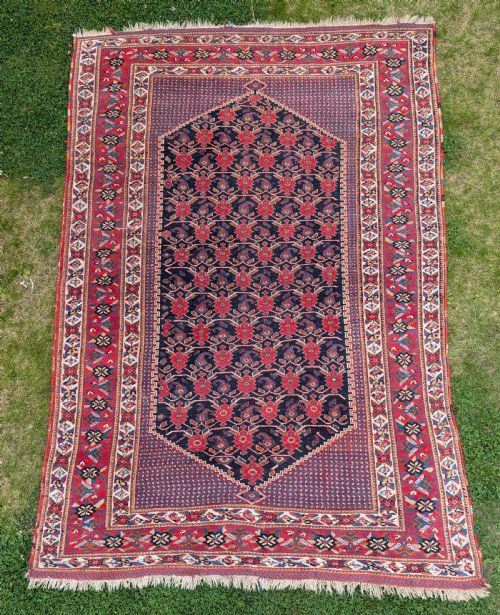
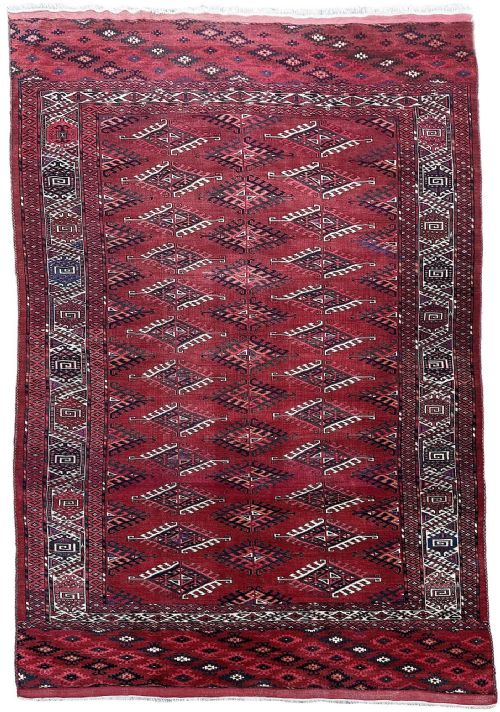
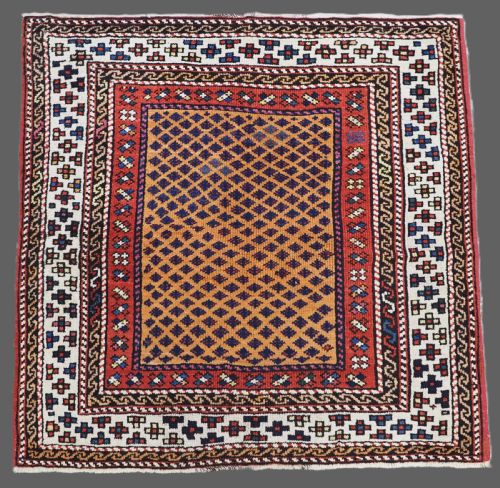
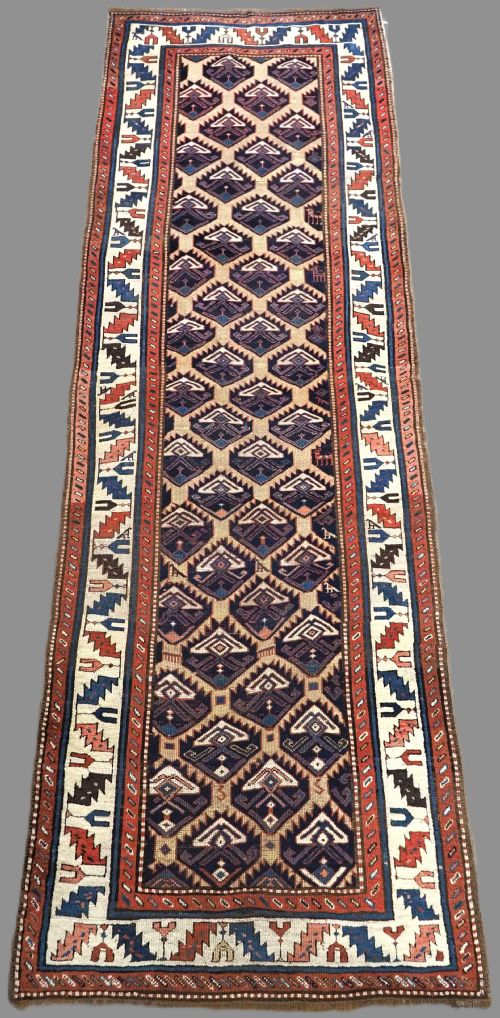
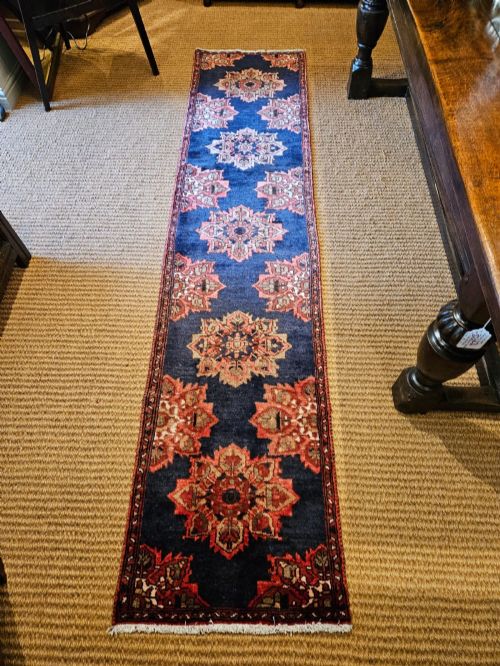
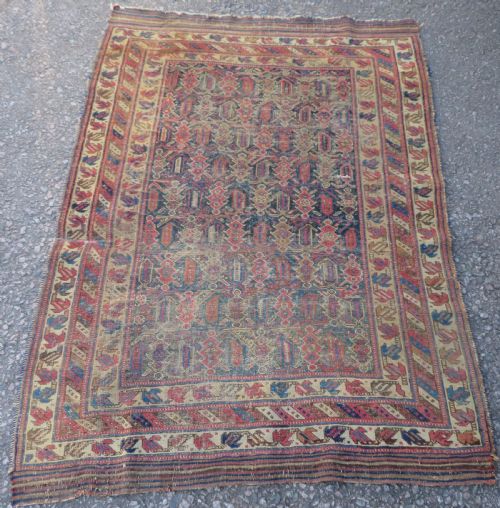
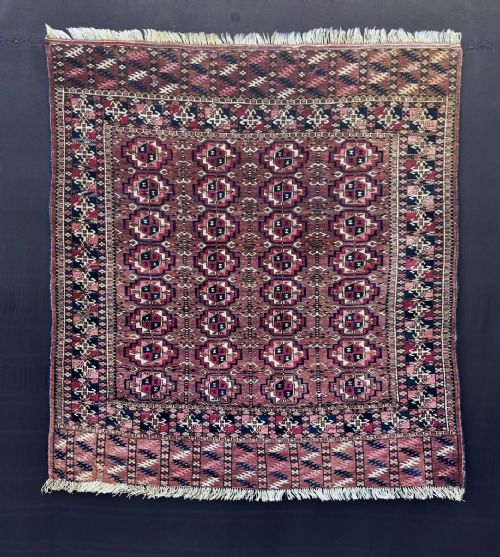
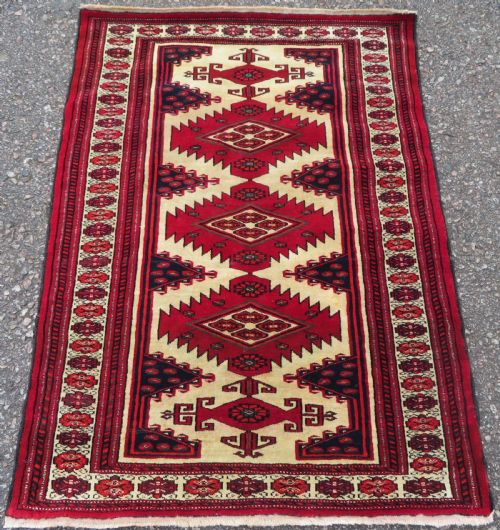
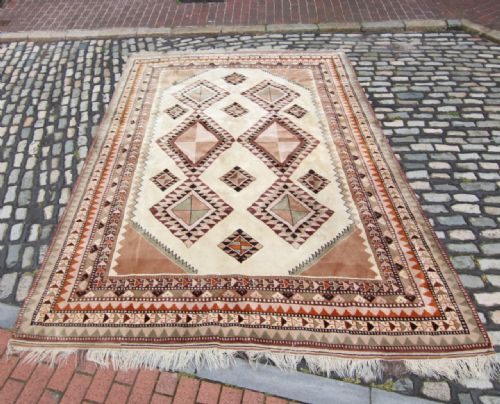
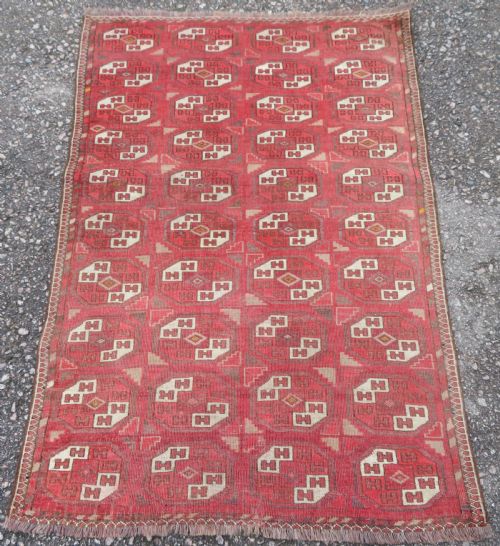
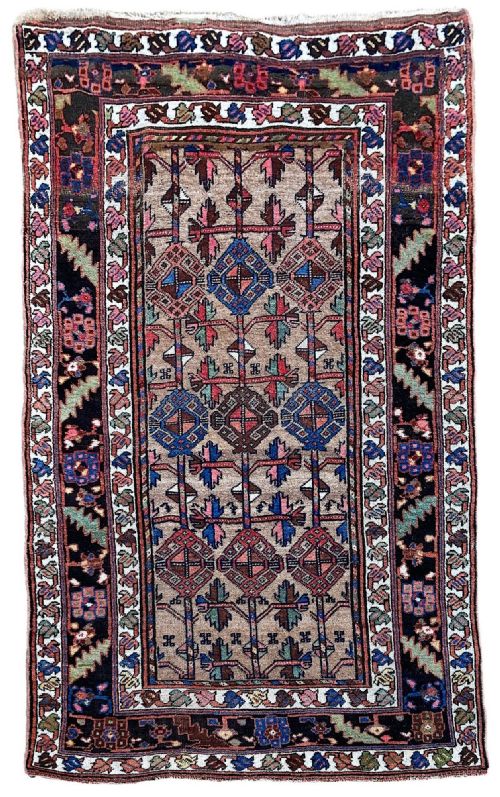
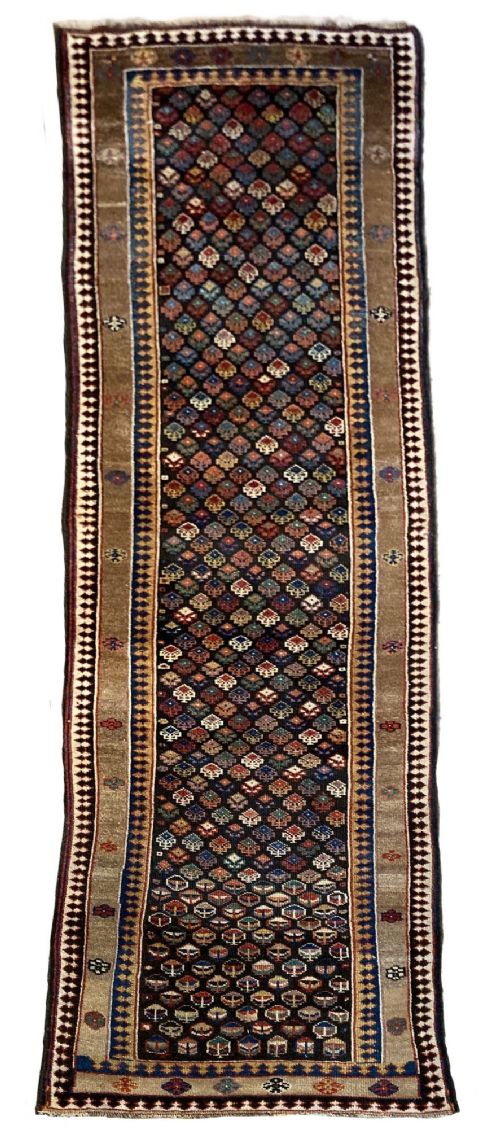
A geometric patterned wool rug encompasses floor coverings created by tribal and village weavers across Central Asia, the Caucasus, and Persia, spanning from the mid-nineteenth century to the early twentieth century. When exploring this selection, buyers encounter traditional formats including wide carpets, small square rugs, long hallway runners, and tent door hangings.
The prevalent designs on this page showcase repeat lattices, tribal motifs, and angular field patterns originating from specific groups such as the Turkmen, Afshar, Kurdish, and Kazak weavers. These pieces range from compact room accents to substantial runners designed for corridors and halls.
Materials and construction
The pieces listed here rely heavily on wool and hand-spun wool, frequently combined with cotton foundations and coloured using natural dyes. Weavers tied or wove these materials by hand, producing dense piles or flat-weave structures designed to withstand decades of heavy use.
The structural integrity stems from traditional hand-knotting and flat-weaving techniques passed down through generations in regions such as Anatolia, Turkmenistan, and North-West Persia.
Several pieces in the listings carry the label crooked, proving that historical nomadic weavers embraced charmingly imperfect geometry.
Judging the execution
Quality in these textiles rests upon the precision of the knotting, the handling of the wool, and the depth of the natural dyes used to build the geometric field. Finer pieces demonstrate consistent tension across the foundation and sharp clarity within the repeating lattice or tribal motifs.
The distinction between standard examples and superior survivals lies in the crispness of the design execution, the resilience of the hand-spun wool, and the harmonious ageing of the vegetable colour palette over time.
The Geometric Patterned Wool Rug Glossary
- Runner
- A long, narrow carpet format specifically woven for hallways, corridors, and narrow spaces. These pieces measure significantly longer than they are wide.
- Kilim
- A flat-woven carpet or rug produced without a pile by tightly interweaving warp and weft strands. This technique creates a lightweight, reversible textile with sharp geometric edges.
- Engsi
- A specialised carpet type traditionally hung over the entrance doorway inside a nomad tent. These pieces typically feature compartmentalised geometric layouts.
- Natural Dyes
- Colourants extracted from plants, roots, and minerals rather than synthetic chemical sources. They yield rich, variable tones that mellow gracefully with age.
Geometric Patterned Wool Rug: Frequently Asked Questions
Where should I place a runner rug?
Runners suit narrow spaces such as hallways, corridors, and kitchens where long, linear floor coverings add warmth and visual structure.
They also function effectively along gallery walls or beside large pieces of bedroom furniture.
How do I clean an old wool rug?
Gentle, regular vacuuming without a beater bar removes loose surface dust without catching the pile or damaging the old wool foundation.
Professional specialist cleaning is advised for deeper maintenance to protect the natural dyes and hand-spun fibres.
Are these rugs suitable for high-traffic areas?
Traditional hand-knotted wool construction provides natural durability and resilience against heavy daily foot traffic.
The dense pile and sturdy wool fibres absorb pressure while maintaining their structural integrity over decades.
How do I identify tribal designs?
Tribal designs rely on repeating geometric shapes, medallions, and lattice patterns rather than elaborate floral curves.
Specific motifs often reflect the distinct regional heritage of makers such as the Afshar, Turkmen, or Kazak communities.