

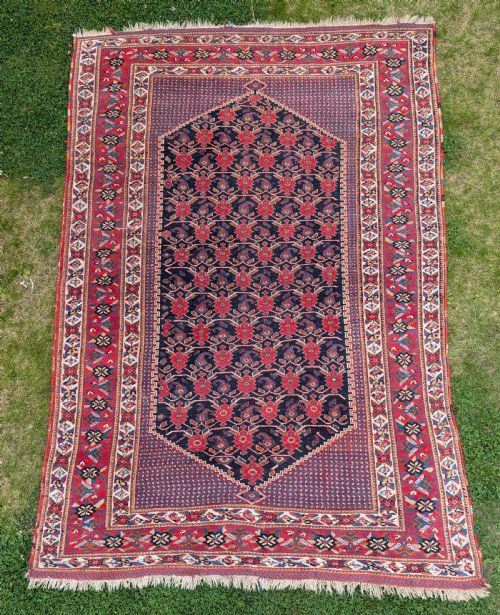
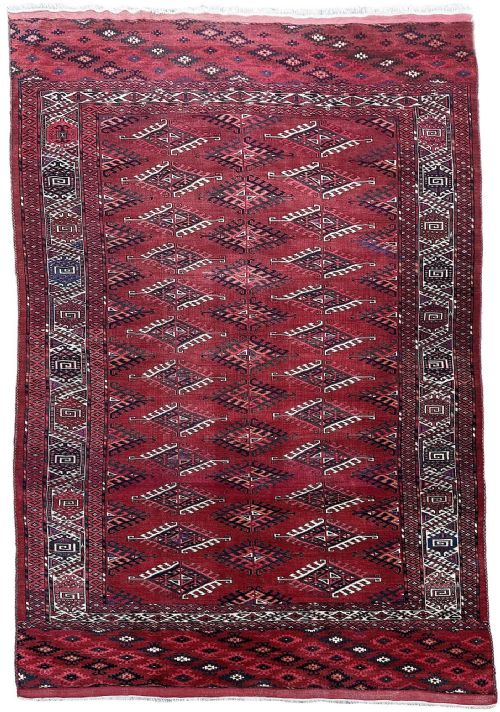
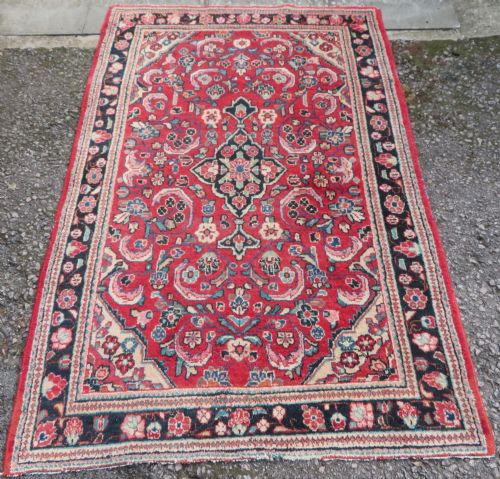
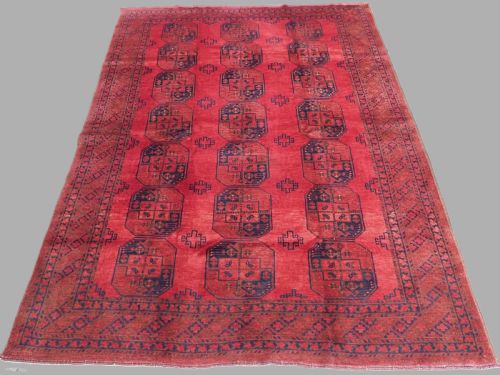
Crimson Wool Area Rug
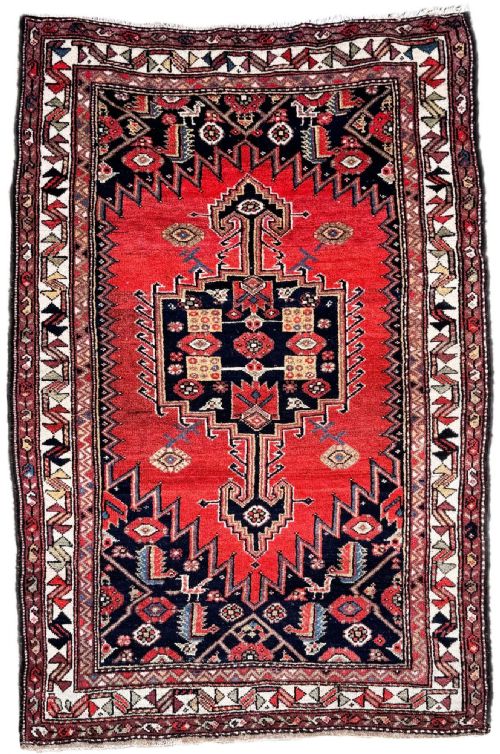
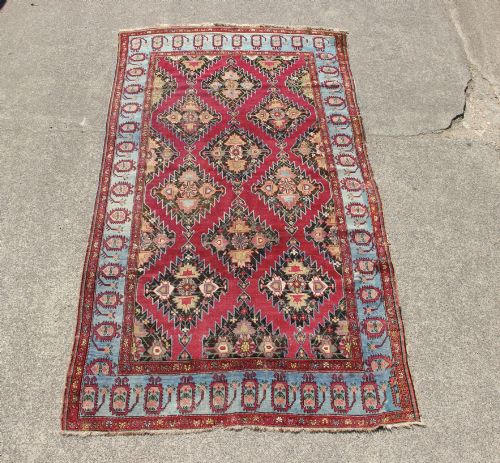
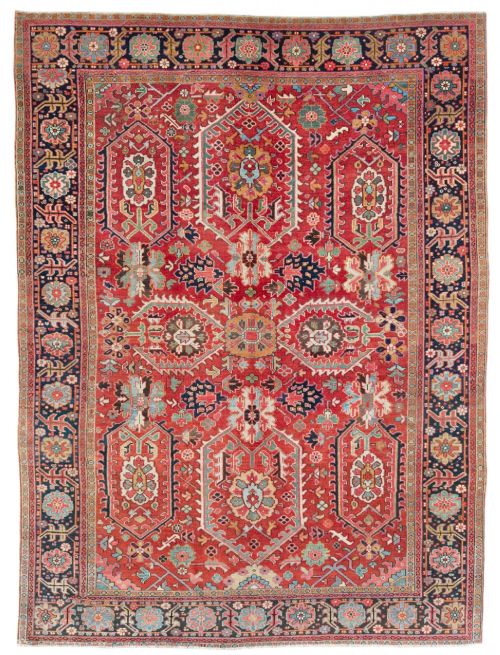
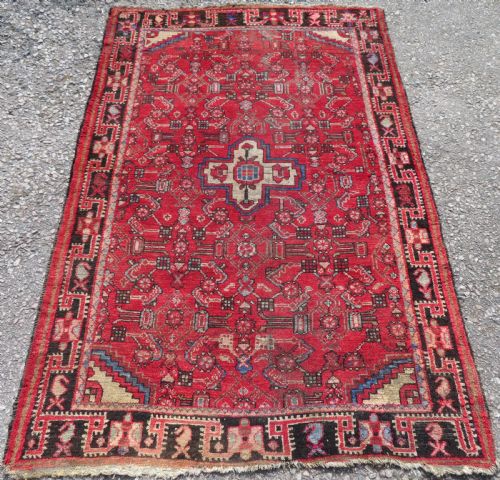
These crimson wool area rugs bring rich, deep dyes and historic tribal patterns directly onto the floor.
Crimson Wool Area Rug
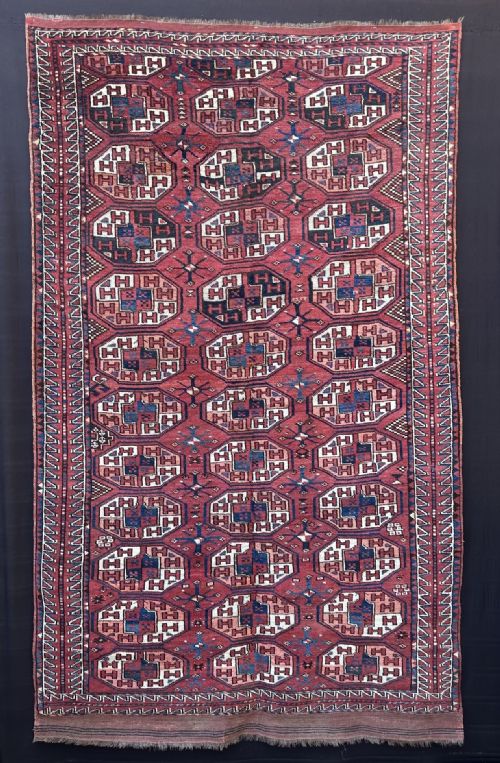
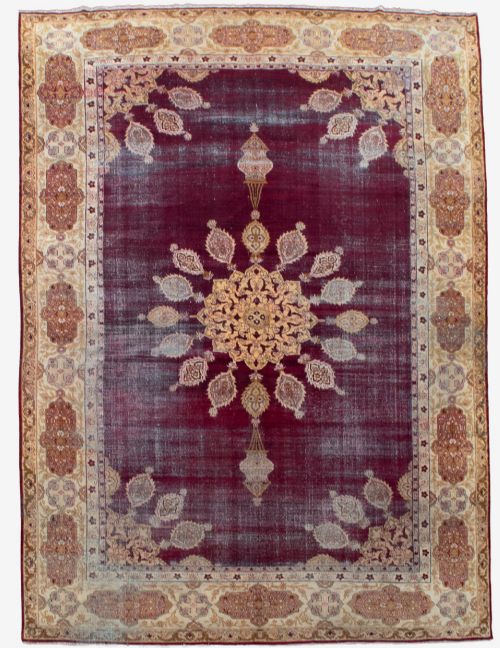
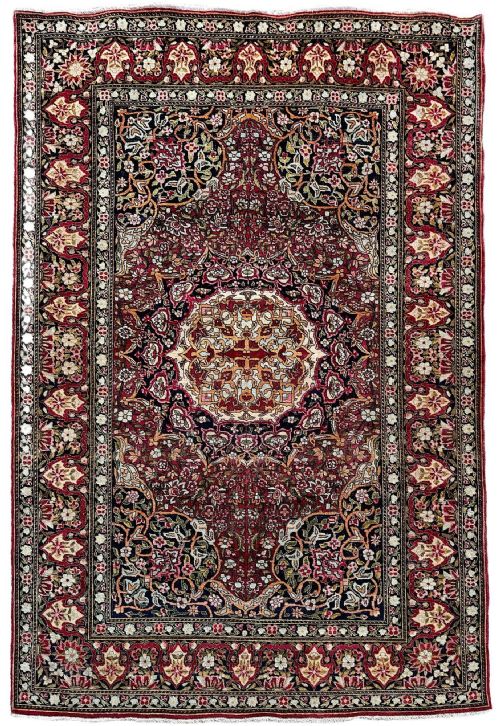
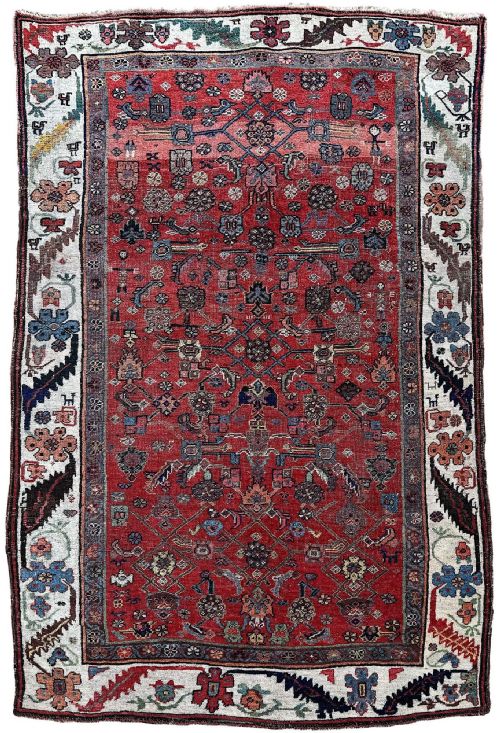
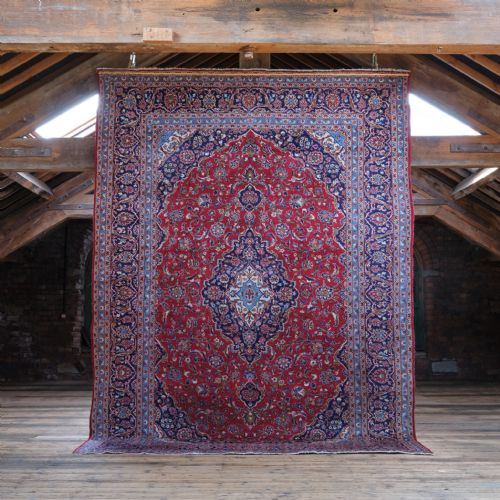
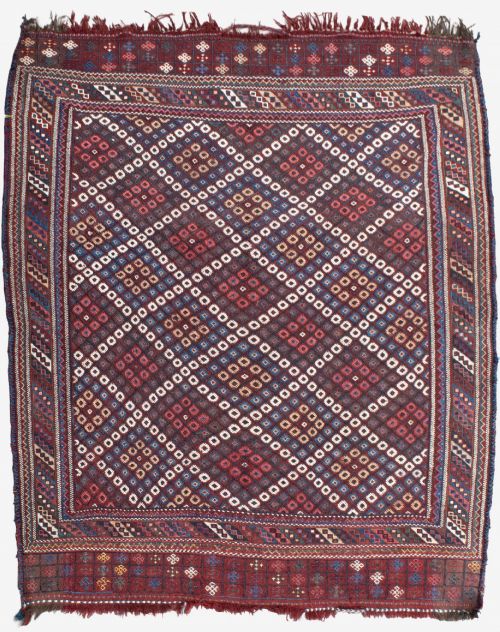
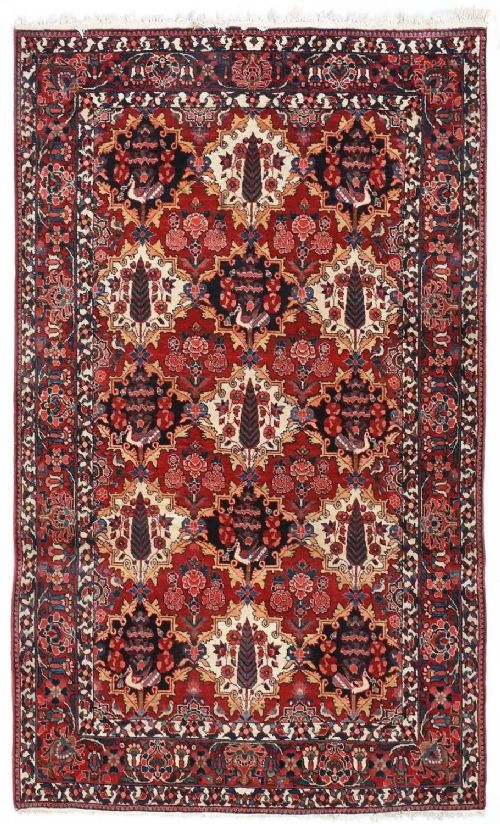
A crimson wool area rug brings together deep red tones and heavy floor coverings originating from Persia, Central Asia, and the Caucasus. These pieces span production dates from the nineteenth century into the twentieth century, covering village works, nomadic tribal weavings, and large city carpets.
Buyers seeking a crimson wool area rug will frequently encounter traditional Persian styles such as Kashan, Kirman, Hamadan, and Heriz alongside Turkmen and Baluch tribal formats. The selection ranges from compact mats and prayer rugs up to large country house and palace sizes.
Materials and construction
Construction relies heavily on hand-knotted and hand-woven techniques using natural materials like wool, cotton, and silk. Weavers utilised hand-spun wool alongside natural dyes to build durable pile surfaces designed for heavy daily use.
The integration of cotton foundations with dense wool pile allowed workshops and nomadic tribes to achieve intricate geometric and floral designs. Dyes derived from natural sources provide the shifting crimson and red shades characteristic of these older textiles.
Crimson Wool Area Rug Retail Price Guide 2026
Typical asking prices for crimson wool area rug among the pieces listed under this phrase on Sellingantiques today, from the lower quarter to the upper quarter. They describe what is for sale here now, not the wider market.
Listings span multiple production centres across Persia, Central Asia, and the Caucasus, dating from the eighteen-seventies through the nineteen-thirties.
Judging quality in woven floor coverings
Quality rests upon the fineness of the knotting, the stability of the foundation, and the complexity of the design layout. Finer wool preparation and careful handling of natural dyes yield greater clarity in the motifs and a softer handle.
The consistency of the weave and the depth of the palette separate standard village production from high-end city workshops and palace carpets. Well-executed tribal pieces display balanced proportions and tight structural tension across the entire rug.
The Crimson Wool Area Rug Glossary
- Pile
- The vertical or slanted loops of yarn that form the usable surface of a rug. This forms the soft layer that walkers step upon.
- Prayer rug
- A small format rug featuring a mihrab or arch design used traditionally for daily devotions. These pieces often direct the eye toward a central focal point.
- Tribal rug
- A weaving produced by nomadic or semi-nomadic groups rather than urban workshops. These textiles rely on memory patterns and tribal symbols.
- Natural dyes
- Colourants extracted from plants, insects, and minerals before the advent of synthetic alternatives. They produce complex tones that age with character.
Crimson Wool Area Rug: Frequently Asked Questions
How do I clean an antique wool rug?
Maintenance requires gentle vacuuming without a rotating brush bar to protect the delicate wool pile and aged foundations. Professional specialist cleaning remains essential for removing deep dirt without damaging natural dyes.
Water exposure must be strictly controlled to prevent dye bleeding or structural shrinkage. Immediate blotting of accidental spills helps preserve the integrity of the fibres.
Can I place these rugs in high traffic areas?
Traditional wool carpets possess natural lanolin that resists everyday dirt and wear, making them durable for living spaces. Using a quality underlay prevents slipping and cushions the foundation against hard flooring.
Placing older woven items out of direct, harsh sunlight prevents premature fading of the crimson and red wool tones. Rotating the rug periodically ensures even wear across the surface.
How do I identify a tribal rug from a city carpet?
Tribal pieces display bolder geometric motifs, asymmetrical details, and structures tied to specific nomadic groups like the Baluch or Turkmen. City carpets from centres like Kashan or Kirman feature refined curvilinear floral designs and symmetrical layouts.
The handle and wool texture also differ, with village and nomadic pieces often feeling heavier and more rustic than urban workshop equivalents.
What dates are common for these rugs?
The available selection primarily encompasses pieces manufactured between the late nineteenth century and the early twentieth century. Examples stretch from the eighteen-seventies through the nineteen-thirties, capturing late nineteenth-century and interwar craftsmanship.
Older nineteenth-century pieces often display distinct natural dye variations compared to examples produced closer to the nineteen-forties.