


Vintage Iron King Bed
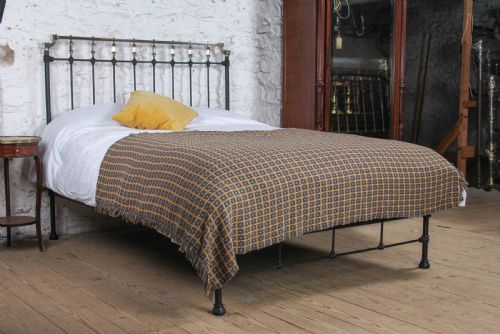
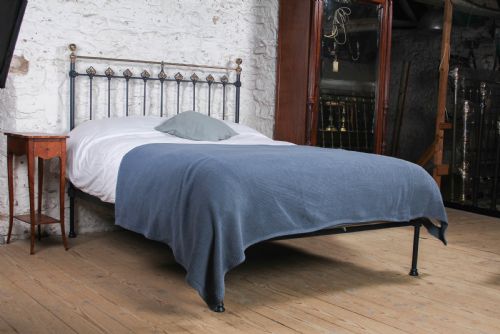
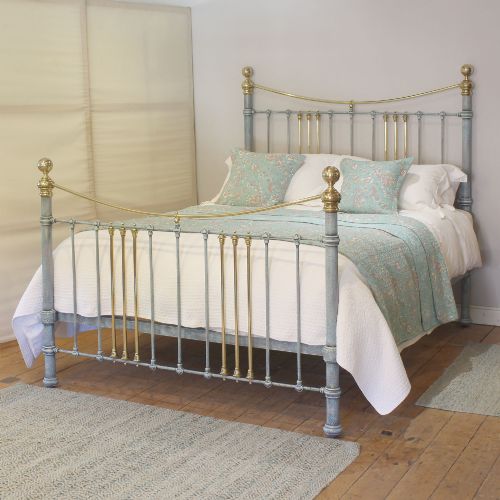
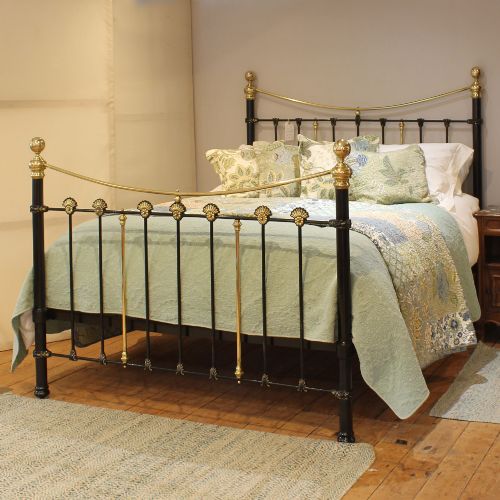
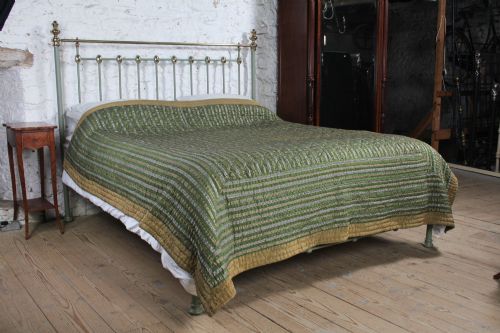
A vintage iron king bed offers generous sleeping space framed in robust metalwork, combining period character with modern mattress proportions.
Vintage Iron King Bed
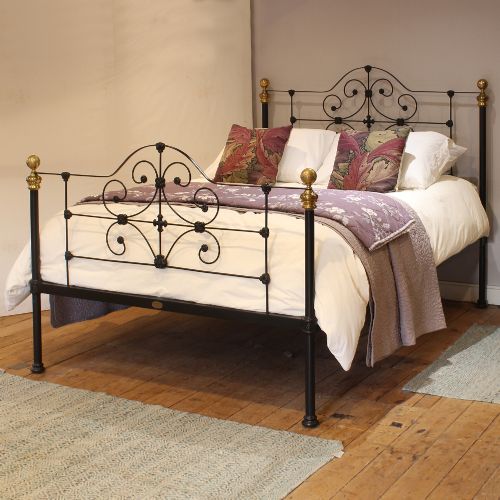
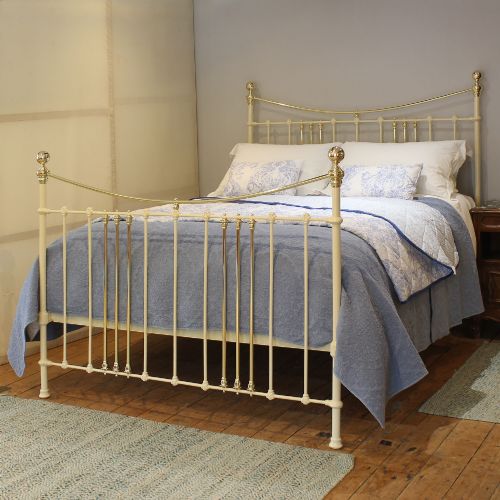
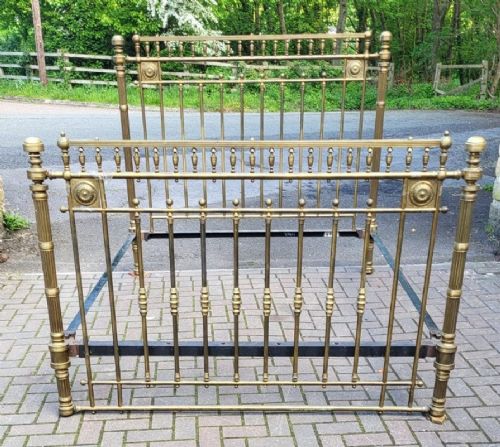
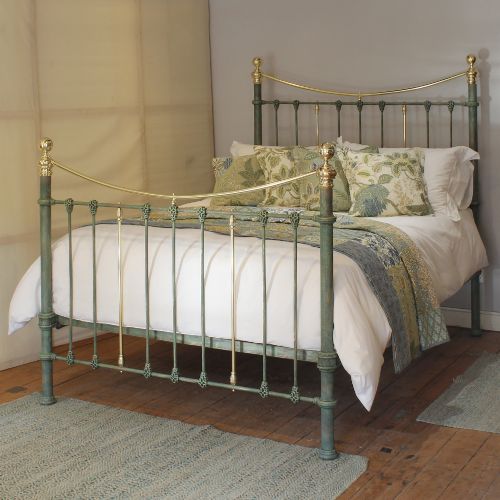
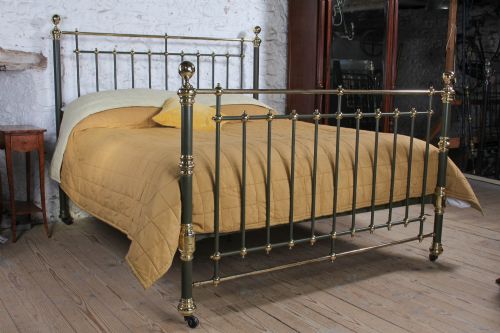
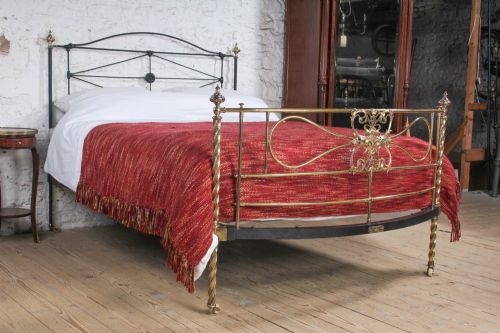
A vintage iron king bed brings substantial scale and historic presence to a bedroom. When you search for a vintage iron king bed, you encounter sturdy frames designed for larger sleeping formats, often blending heavy iron or cast metal components with decorative brass fittings. The selection spans robust Victorian examples alongside lighter Edwardian designs.
Most pieces date from the late nineteenth century through to the early decades of the twentieth century. Forms range from traditional high footboards to practical no end bedsteads and low end configurations. Regional variations such as Irish and French styles also appear frequently across the listings.
Materials and construction methods
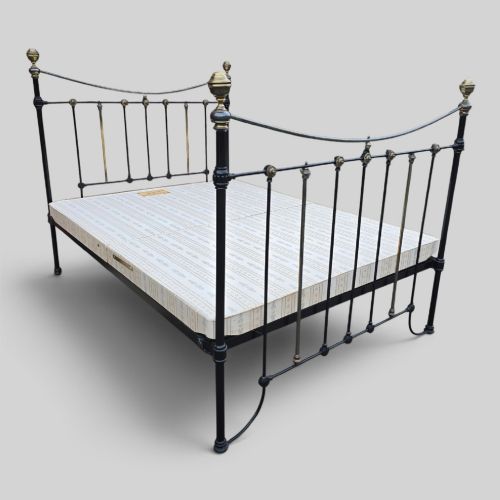
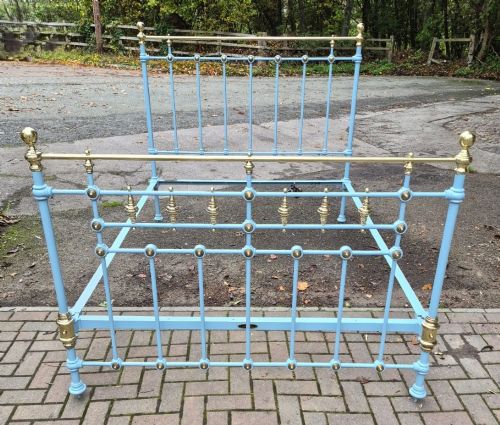
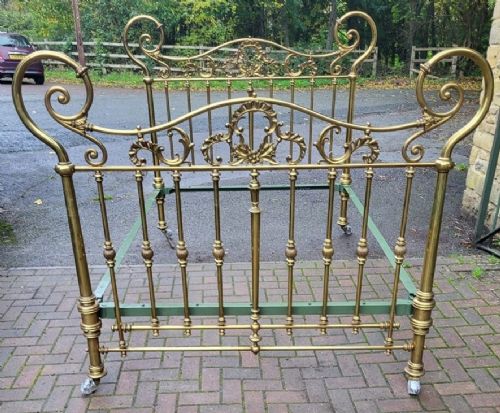
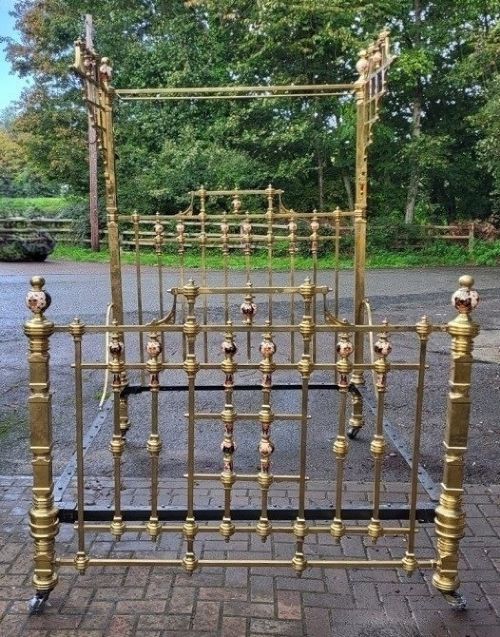
Makers utilised a combination of cast iron, forged iron, and wrought iron for the primary structural framework and rails. Brass components, including spun finials, mounts, and heavy tubing, provided decorative contrast against the dark or painted metal surfaces. Ceramic elements occasionally feature in the detailing of specific frames.
Metal components were shaped using traditional casting and forging techniques, allowing for intricate junctions and robust joints designed to withstand heavy daily use. Surface finishes typically involve applied paint or specialised enamel coatings, which protect the underlying iron from oxidation over decades of service.
Vintage Iron King Bed Retail Price Guide 2026
Typical asking prices for vintage iron king bed among the pieces listed under this phrase on Sellingantiques today, from the lower quarter to the upper quarter. They describe what is for sale here now, not the wider market.
Several Irish iron beds arrive with charming ribbon reed details, proving that even heavy industrial metalwork knew how to dress up for Sunday best.
Assessing quality in period metal beds
The distinction between standard examples and exceptional pieces rests primarily on the crispness of the castings and the complexity of the ironwork. Frames featuring detailed mouldings, applied brass ornamentation, and clean tapered posts demonstrate higher levels of nineteenth-century craftsmanship.
Structural integrity and originality also dictate the standing of a bedstead. Pieces retaining their original brass components, maker marks, and undisturbed painted finishes command greater interest than those with heavy structural alterations or mismatched replacement parts.
Winfield
The Vintage Iron King Bed Glossary
- Bedstead
- A framework of a bed consisting of headboard, footboard, and side rails. This term frequently appears in historic listings to describe complete metal frames.
- Half Tester
- A canopy bed where a partial tester projects from the wall or headboard over the pillow end. These grand Victorian constructions often incorporate extensive brass ornamentation.
- Dip-Rail
- A top rail on a headboard or footboard that curves downward toward the centre. This shaping provides a softer silhouette common in Edwardian designs.
- No End
- A bed configuration featuring a headboard but lacking a high footboard, creating an open appearance at the base. This layout is especially popular in Irish iron bed designs.
- Finial
- A decorative ornament fixed to the top of bed posts or corners. They are frequently cast in polished brass to contrast with iron frames.
Vintage Iron King Bed: Frequently Asked Questions
Will a modern king mattress fit these beds?
Most vintage iron king beds accommodate modern standard king size mattresses, though slight variations in nineteenth-century sizing can occur.
It is advisable to verify internal rail dimensions and support slat placement before purchasing a mattress.
How do I care for painted iron frames?
Dust the metalwork regularly with a soft, dry cloth to prevent the accumulation of grime on painted and brass surfaces. Avoid abrasive cleaners or harsh chemical solvents that can strip historic paint or lacquer.
Preserve exposed brass sections with a suitable non-abrasive metal polish applied sparingly with a soft cloth.
How do I distinguish Victorian from Edwardian styles?
Victorian iron beds tend to feature heavier proportions, elaborate castings, and complex brass ornamentation reflecting mid to late nineteenth-century tastes. Edwardian examples often display simpler lines, lighter scaling, and curved dip-rails that anticipate twentieth-century minimalism.
Examining the complexity of the spindle work and the overall weight of the iron framework clarifies the chronological period.