


Victorian Brass Headboard
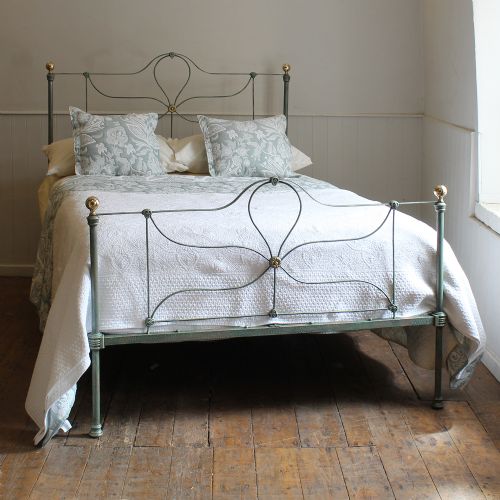
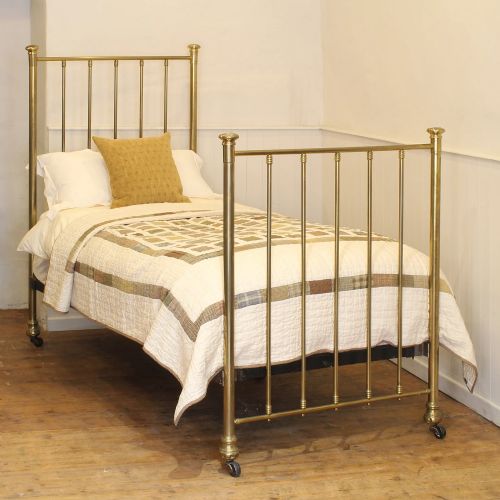
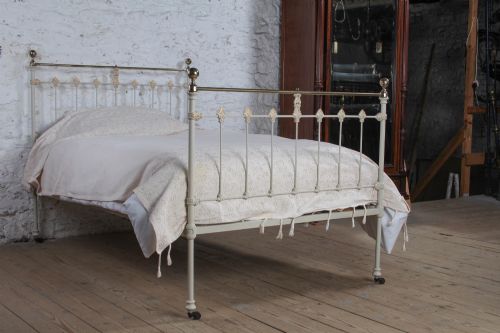
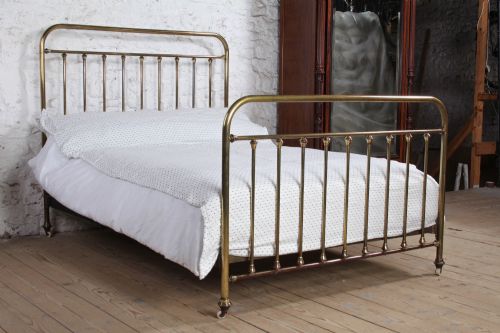
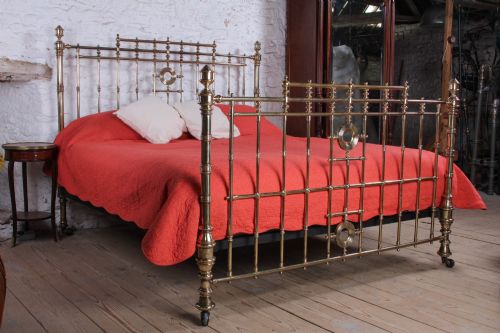
A victorian brass headboard brings substantial period presence to a bedroom, combining warm metallic polish with robust nineteenth-century ironwork construction.
Victorian Brass Headboard
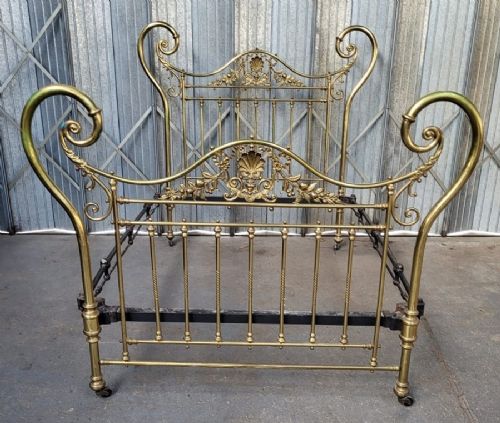
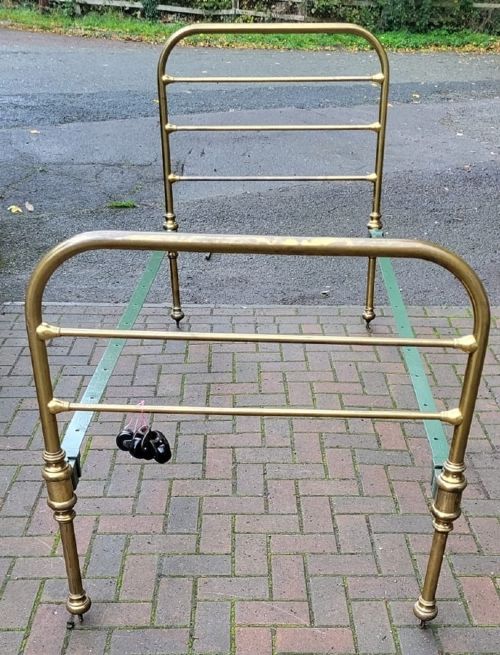
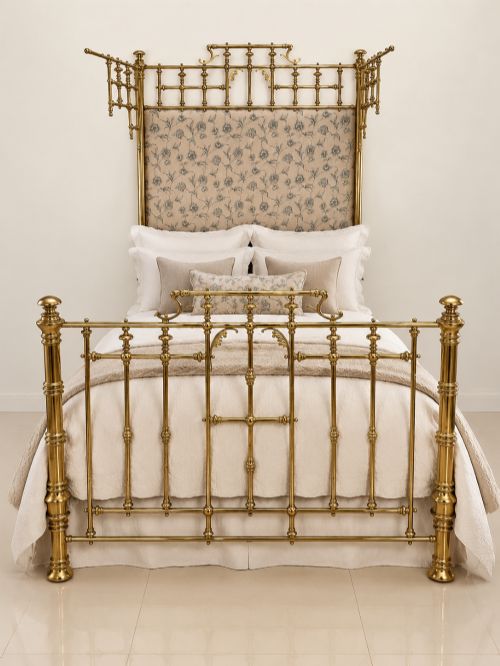
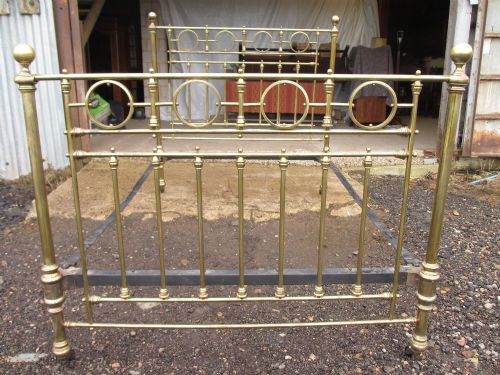
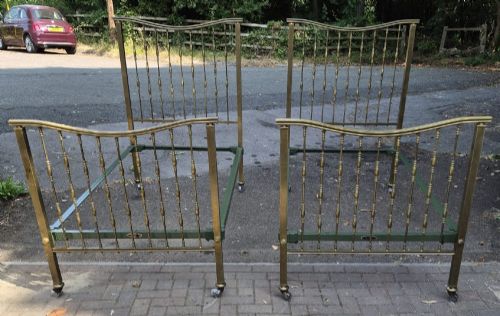
A victorian brass headboard typically forms part of a larger antique bedstead, combining polished metal tubing with sturdy iron or cast iron support frames. Buyers searching for this form encounter double, king, and single sizes spanning the Victorian and Edwardian decades.
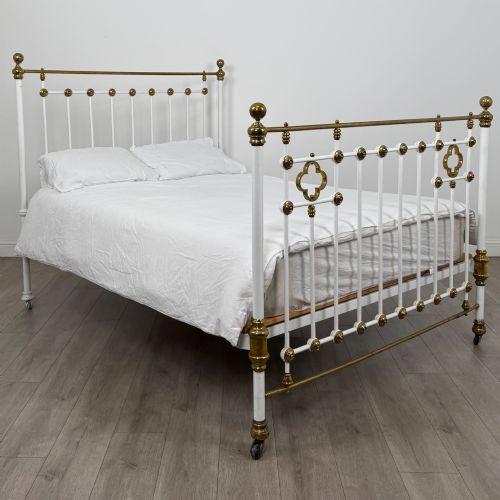
The selections on this page feature robust metal bed frames alongside combinations of brass, iron, and occasional timber elements like maple or mahogany. Many examples incorporate footless formats or simple straight rails alongside highly ornate casting work.
Origins stretch from British workshops to French provincial designs, encompassing distinct styles such as Gothic Revival, Aesthetic Movement, and Arts and Crafts. These pieces provide authentic nineteenth-century scale and structural solidity for contemporary interiors.
Materials and construction methods
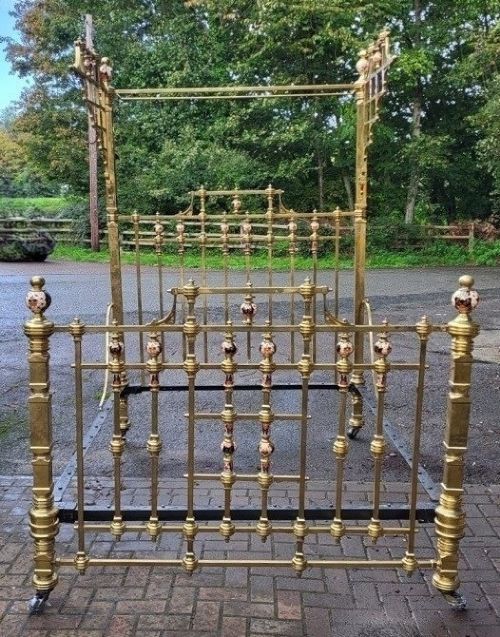
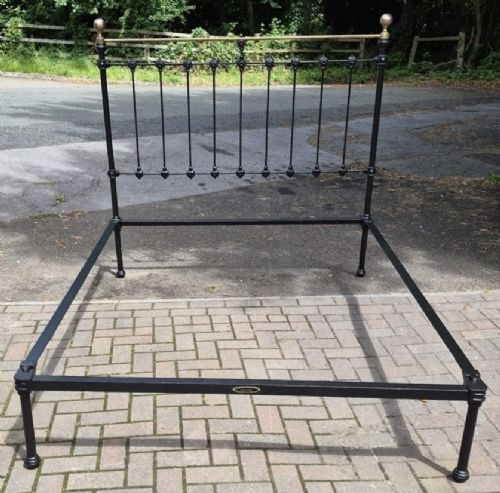
Construction relies heavily on durable combinations of solid brass, cast iron, and wrought iron components designed to withstand decades of daily use. Metal tubing connects securely to heavy cast iron side rails and original castors.
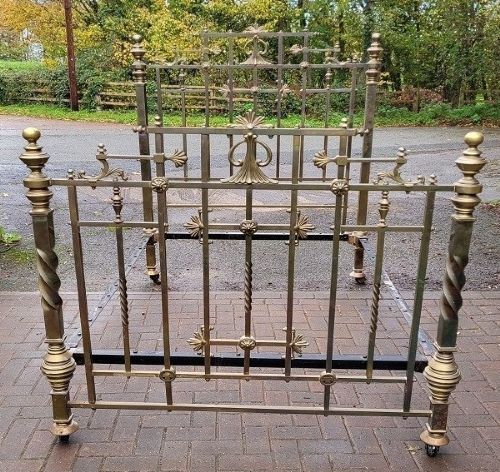
Detailed ornamentation comes from quality foundry work, producing decorative finials, stamped brass mounts, and ornate corner brackets. Structural integrity depends on precise iron slot-in frames that lock the head and foot sections together.
Irish iron foundries occasionally produced surprisingly pretty bed frames with distinct regional casting flourishes.
Distinguishing quality across examples
Quality reveals itself in the weight and thickness of the brass tubing and the crispness of the cast iron detailing. Exhibition pieces display superior finishing, elaborate decorative motifs, and signed maker stamps from prominent nineteenth-century manufactories.
The integrity of the original joints, castors, and slot-in iron frames dictates the structural stability of each bedstead. Simpler utilitarian designs differ from elaborately styled Gothic Revival or Aesthetic Movement frames through the complexity of their brass castings.
Winfield·RW Winfield·Maple and Co·Hoskins and Sewell·James Shoolbread and Co
The Victorian Brass Headboard Glossary
- Bedstead
- A framework of a bed supporting the mattress and springs. These traditional structures incorporate head and foot sections linked by iron side rails.
- Cast Iron
- Iron shaped by pouring molten metal into a mould. This heavy material provides the rigid structural foundation for many brass-accented beds.
- Half Tester
- A bed featuring a partial canopy extending from the headboard over the upper portion of the mattress. Such designs offer a grand architectural profile.
- Dip Rail
- A horizontal top rail curving downward towards the centre. This profile appears frequently on late nineteenth and early twentieth-century bed designs.
- Finial
- A decorative ornament fixed to the top of a bed post. These brass components often feature turned or cast geometric and botanical forms.
Victorian Brass Headboard: Frequently Asked Questions
How do I fit a modern mattress?
Many antique iron and brass frames utilise non-standard nineteenth-century dimensions that differ from contemporary sizing. Adapting the setup often requires bespoke mattress fabrication or subtle adjustments to the internal iron support rails.
Checking the exact width and length measurements against standard sizes ensures a secure fit. Modern slatted bases can frequently be placed within the original iron side frames to support contemporary mattresses.
Are these beds easy to assemble?
Most antique metal bedsteads rely on simple wedge-lock or slot-in iron joints that connect the headboard, footboard, and side rails without requiring complex tools. Two people can easily slot the heavy components together during assembly.
The original castors and iron side frames must be kept clean and lightly lubricated to ensure the joints slide together smoothly. Checking the squareness of the frame during assembly prevents twisting.
How do I identify a maker?
Maker marks usually appear as stamped lettering or brass plaques affixed directly to the iron side rails or the reverse of the headboard. Prominent nineteenth-century firms often stamped their company name into the structural cast iron.
Studying the specific style of the castings, finials, and brass mounting details also helps attribute pieces to known workshops like Winfield or Hoskins and Sewell.