


Antique Iron Daybed Frame
An antique iron daybed frame gives a room genuine period character with its combination of robust metalwork and slender architectural lines.
Antique Iron Daybed Frame
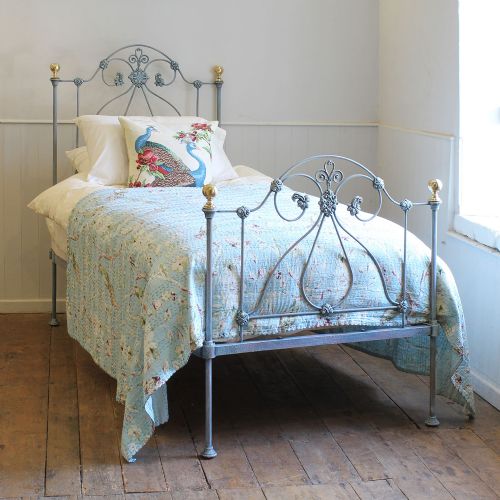
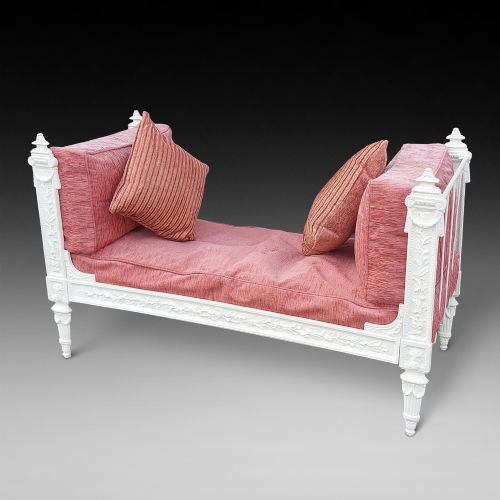
An antique iron daybed frame is a versatile piece of furniture designed for both resting and sitting, appearing in Victorian forms across this selection. These items function as single beds, child cot beds, and daybeds, often incorporating brass components alongside the metal structure.
The frames date from the mid to late nineteenth century, spanning decades such as eighteen fifty, eighteen seventy, eighteen eighty, and eighteen ninety. Buyers frequently encounter single sizes and platform styles alongside French country aesthetic variations.
Makers like R W Winfield appear in the evidence, offering large single size brass and iron bedstead configurations. Other examples include painted finishes, blue verdigris treatments, and pairs of single beds without ends.
How they were made
Construction relies primarily on cast iron and wrought iron, providing sturdy structural integrity for the bedstead frames. Manufacturers combined these heavy metals with polished brass tubing and decorative finials to create contrast.
Finishing techniques involved applied paint and specialised surface treatments like blue verdigris to protect the metal and enhance visual appeal. Some pieces integrate fabric and mattresses within child cot bed formats and platform styles.
Some nineteenth century children grew up sleeping within a painted iron cot complete with its own historical mattress.
What varies in quality
Quality differences emerge in the complexity of the metal castings and the proportion of brass detailing relative to iron. Finer examples display crisper decorative motifs and more substantial brass mounts on the head and foot boards.
The integrity of the original paintwork or the subtlety of applied verdigris finishes contributes significantly to the visual standing of each piece. Maker attribution, such as work associated with R W Winfield, distinguishes standard production from notable workshop output.
R W Winfield
The Antique Iron Daybed Frame Glossary
- Cast iron
- A strong, hard iron-carbon alloy produced by pouring molten metal into a mould. It allows for intricate decorative patterns on headboards and footboards.
- Wrought iron
- Tough, malleable iron that can be heated and worked into shape with hand tools. It provides structural strength for the framework of the bed.
- Verdigris
- A green patina formed naturally or chemically on copper, brass, or bronze surfaces. In these listings, it appears as a specific blue verdigris colour finish.
- Platform style
- A specific design configuration where the mattress sits upon a raised base platform rather than traditional slats. This format influences the overall height and profile of the bedstead.
Antique Iron Daybed Frame: Frequently Asked Questions
How do I style an antique iron daybed frame?
These frames suit guest bedrooms, studies, or sunrooms where they function as seating by day and a single bed by night. Layer them with simple linens to let the metalwork remain the focal point of the room.
Because they feature slender silhouettes, they do not overwhelm smaller spaces. Pairing them with period textiles enhances their nineteenth century origins.
What mattress size fits these antique beds?
Most options listed are single or super single sizes, which require specific mattress dimensions rather than standard modern single proportions. Checking the exact width measurements provided in each listing ensures a proper fit.
Platform styles and cot beds particularly benefit from custom or tailored mattress solutions. Reviewing the interior frame dimensions before purchasing avoids sizing discrepancies.
How do I date a Victorian iron bed?
Dating relies on stylistic clues, construction methods, and documented dates ranging from eighteen fifty to eighteen ninety. Earlier Victorian examples often feature distinct casting details compared to late Victorian production.
Maker signatures or stamps, when present, provide definitive chronological markers. Material combinations, such as the use of brass alongside iron, also shift across these decades.
Can these beds be disassembled for transport?
Most nineteenth century metal bedframes utilise knockdown construction with side rails that hook into the headboard and footboard posts. This modular design allowed the pieces to be easily moved and stored.
Care should be taken with older joints and brass components during assembly. Ensuring the frame squares correctly on the floor keeps the structure stable.