

Antique Brass Single Bed
An antique brass single bed offers robust Victorian or Edwardian metalwork built to standard single proportions for daily sleeping.
Antique Brass Single Bed
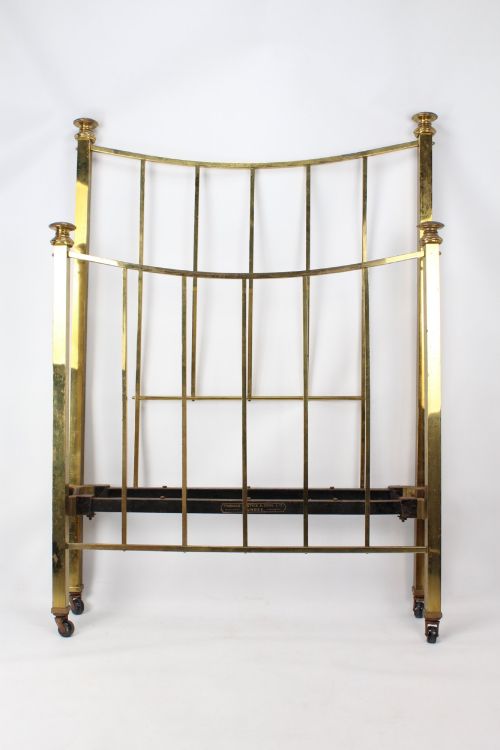
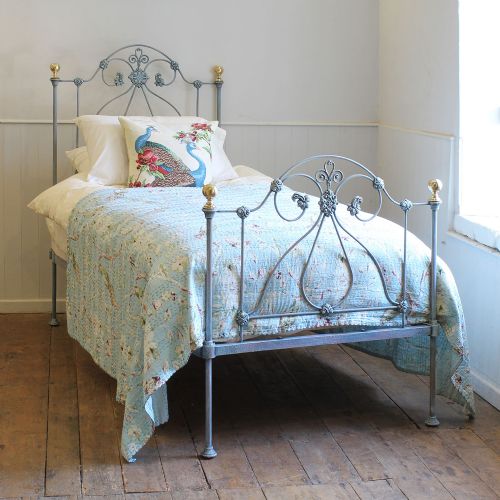
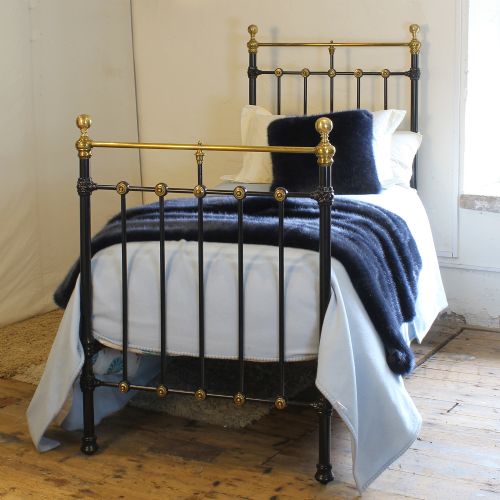
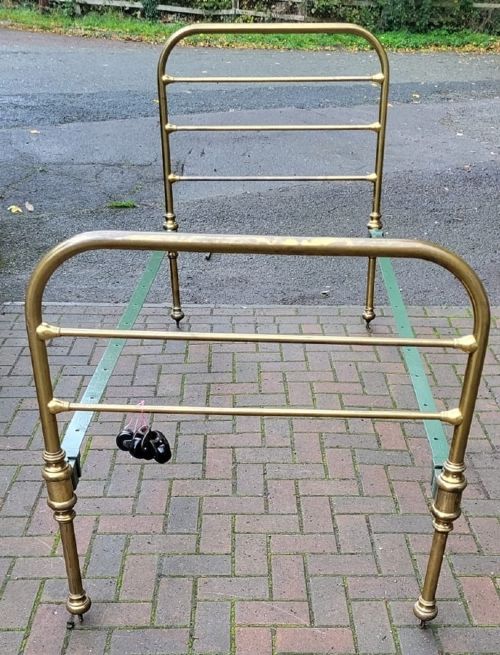
An antique brass single bed is a domestic sleeping frame constructed primarily during the Victorian and Edwardian periods, stretching from the mid-nineteenth century into the early twentieth century. These pieces encompass single beds, bedsteads, and bed frames designed for one occupant, often measuring around three feet in width.
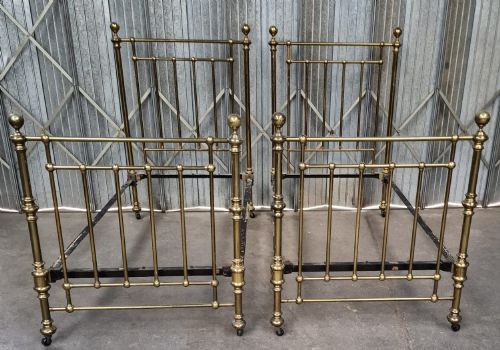
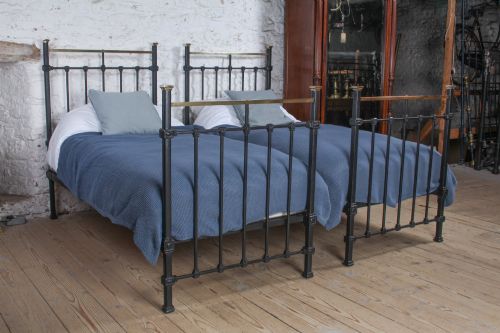
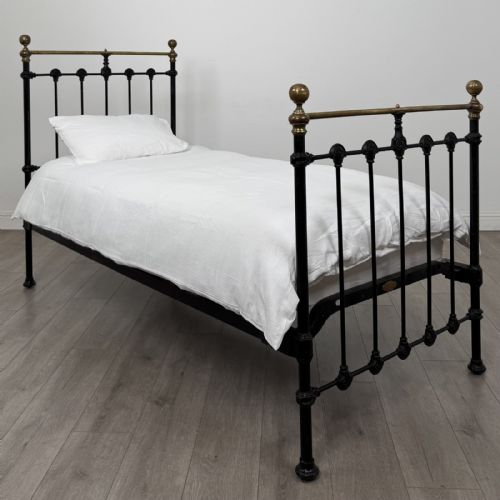
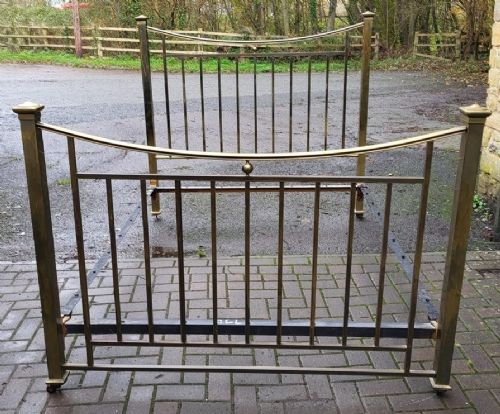
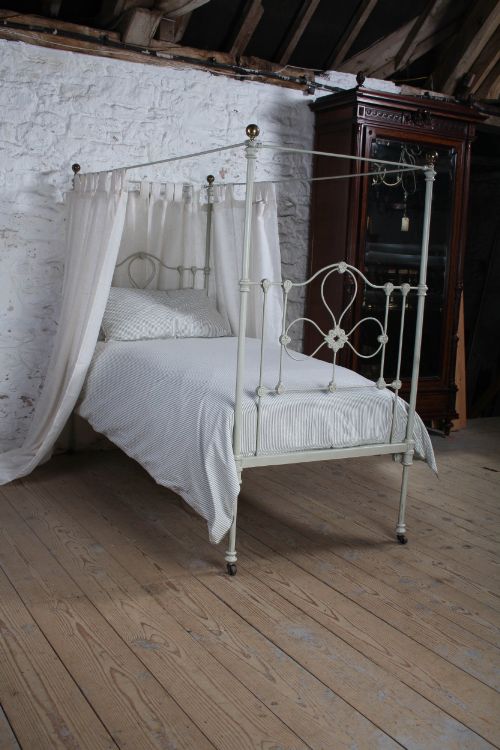
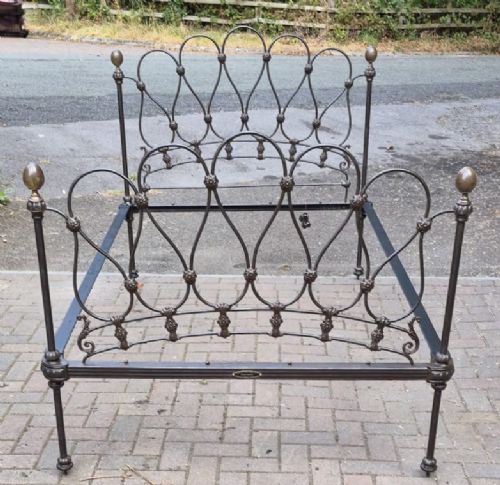
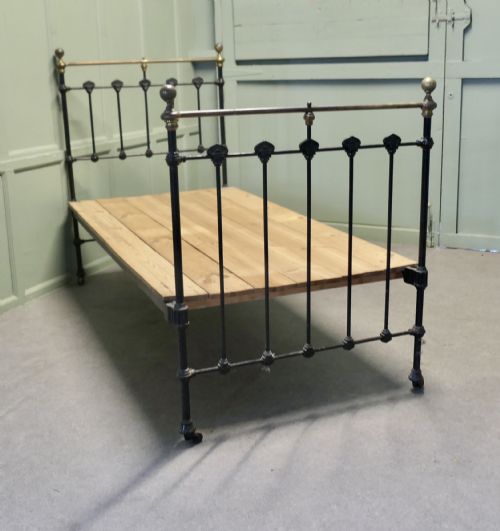
Buyers encounter all-brass constructions alongside mixed frames that pair brass components with cast iron or wrought iron. Styles range from simple utilitarian designs to ornate Victorian frameworks featuring rings, hoop details, and castors.
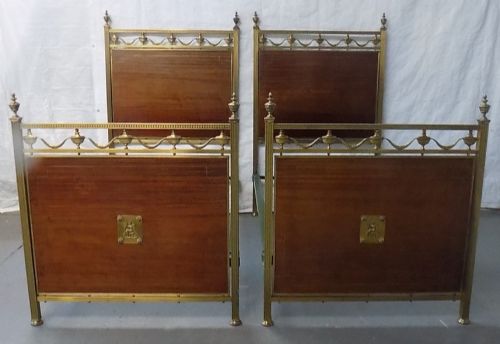
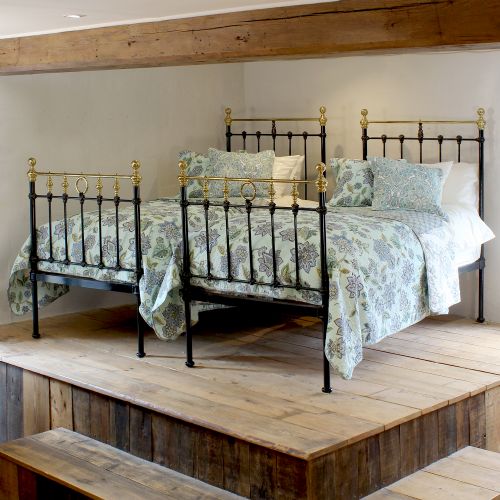
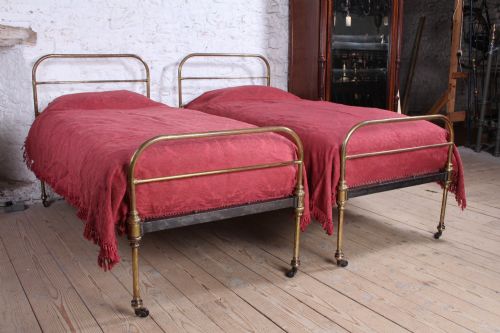
Origin examples on offer include English pieces alongside items bearing continental traits such as French Belle Epoque, Edwardian Dutch Revival, and Austrian 19th Century aesthetics. Many survive as matching pairs that can be joined together or utilised separately in a bedroom.
How they were made
Makers built these frames using heavy cast iron and wrought iron for structural rigidity, combining them with bright or aged brass tubing, spindles, and decorative castings. Metal components were frequently finished with paint, black coatings, or verdigris treatments.
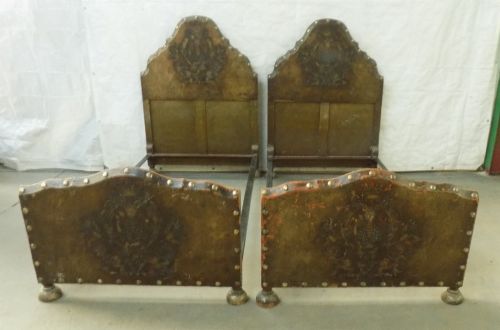
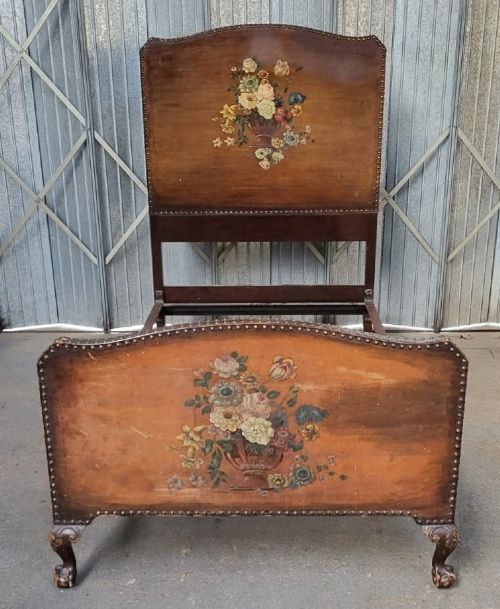
Specialist workshops integrated ceramic elements, leather upholstery, and timber sections into specific styles like the Edwardian Dutch Revival bedstead. Metal parts were hand-forged, assembled with mechanical joints, and fitted with functional iron castors for mobility.
Antique Brass Single Bed Retail Price Guide 2026
Typical asking prices for brass single bed among the pieces listed under this phrase on Sellingantiques today, from the lower quarter to the upper quarter. They describe what is for sale here now, not the wider market.
Listings feature pieces spanning the 1850s through to the Edwardian era, incorporating materials such as brass, cast iron, leather, and ceramic.
What varies in quality
Quality in an antique brass single bed rests upon the weight and solidity of the metal casting, the crispness of decorative brass mounts, and the integrity of the original joints. Heavier iron foundations and substantial brass tubing distinguish high-grade workshops from lighter commercial output.
The sophistication of the metalwork, such as hand-forging details, hoop work, and applied brass decoration, marks the distinction between standard utilitarian frames and pieces produced by notable makers.
Hoskins & Sewell·R W Winfield·Shoolbred
The Antique Brass Single Bed Glossary
- Bedstead
- The complete framework of a bed, including the headboard, footboard, and side rails. This term is frequently used interchangeably with bed frame in nineteenth-century inventory records.
- Castor
- A small wheel fitted to the base of each bedpost to allow easy movement across floor surfaces. They are commonly made of brass or iron.
- Toleware
- Metalware painted or lacquered in japanned designs, seen on specific continental bedframes from the nineteenth century. It provides a durable decorative surface finish.
- Verdigris
- A green patina formed naturally on copper, brass, or bronze surfaces through atmospheric oxidation. On certain pieces, this finish is part of the intended decorative aesthetic.
Antique Brass Single Bed: Frequently Asked Questions
Can I use a modern mattress on an antique brass single bed?
Most antique brass single beds accommodate standard modern single mattresses, though historical widths can vary slightly from contemporary sizing.
Buyers should verify the exact internal rail measurements of the bedstead before purchasing a mattress to ensure a correct fit.
How do I care for antique brass and iron frames?
Maintenance involves gentle dusting with a soft cloth and avoiding abrasive chemical cleaners that can strip protective lacquers or historical patina.
Iron components finished in paint or black coatings require simple dry wiping to preserve the original surface condition.
Are these beds strong enough for everyday use?
Nineteenth-century metal beds were engineered for heavy daily domestic service using robust cast iron and thick brass components.
When properly assembled with secure side rails, they provide a stable and durable structure suitable for regular sleeping.
How can I tell a Victorian bed from an Edwardian one?
Victorian models frequently display heavier cast iron elements, darker painted finishes, and robust structural rings typical of the mid to late nineteenth century. 柏 Edwardian pieces often lean towards lighter proportions, brighter all-brass constructions, or regional decorative styles such as Dutch Revival.