


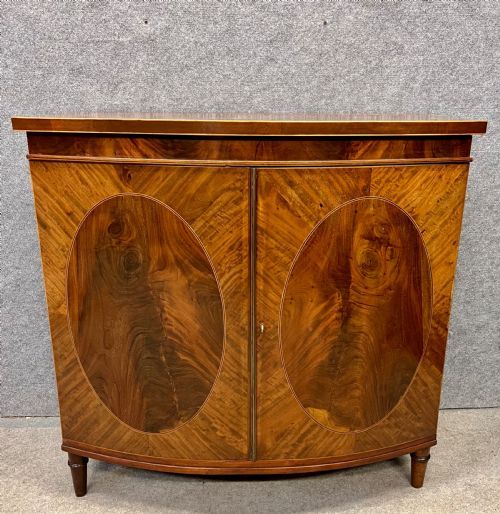
Vintage Inlaid Cabinet
A vintage inlaid cabinet brings together precise cabinet-making and decorative woodwork, offering practical storage with distinct period character.
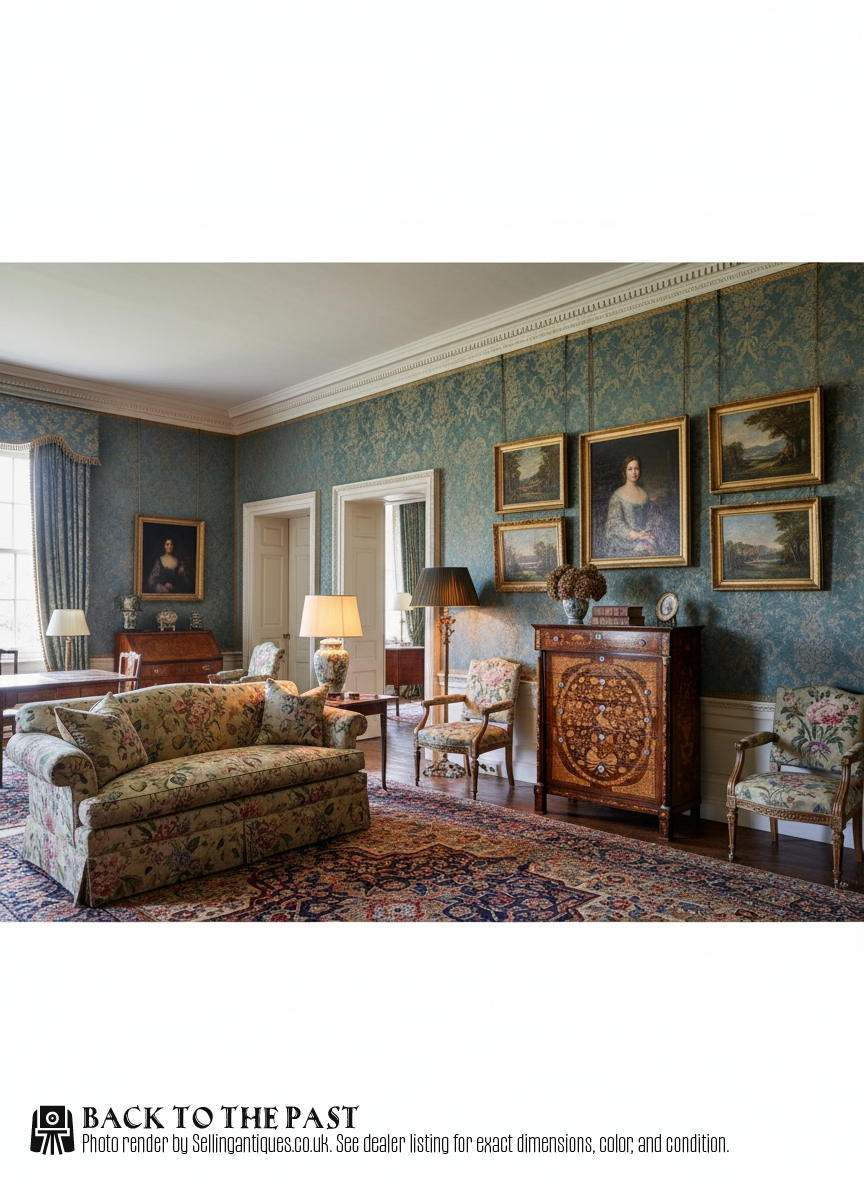
Vintage Inlaid Cabinet
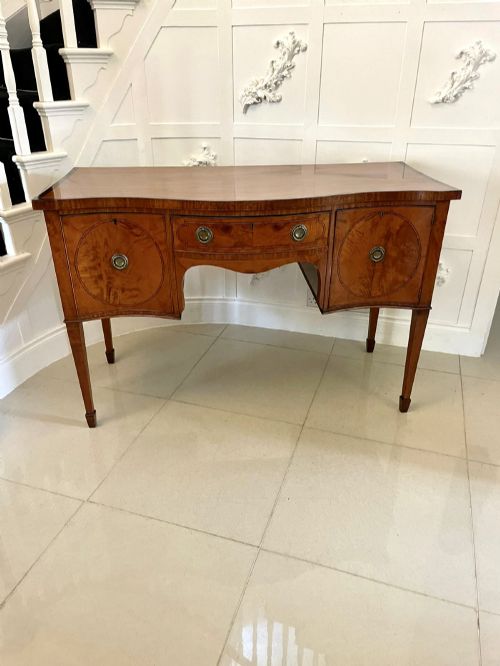
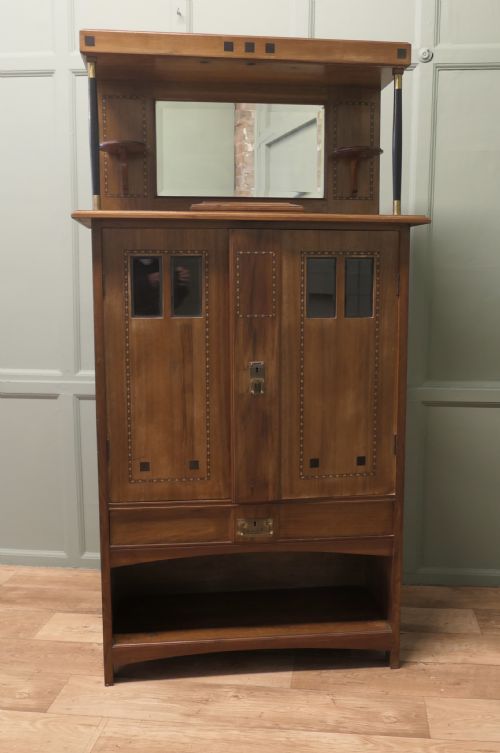
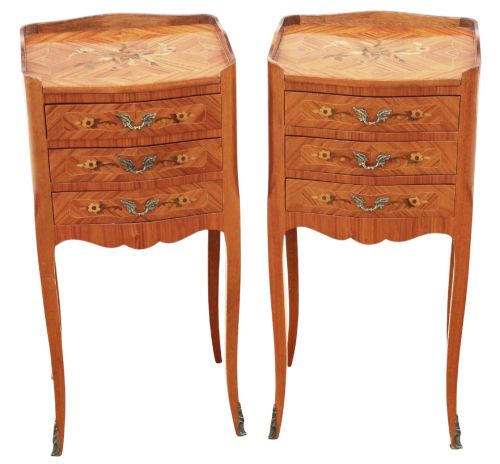
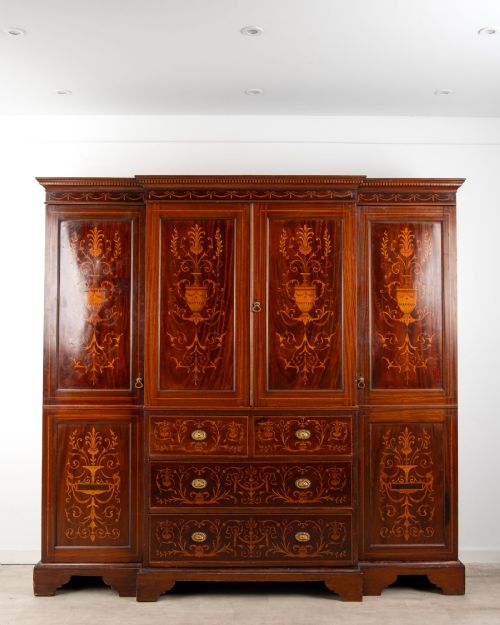
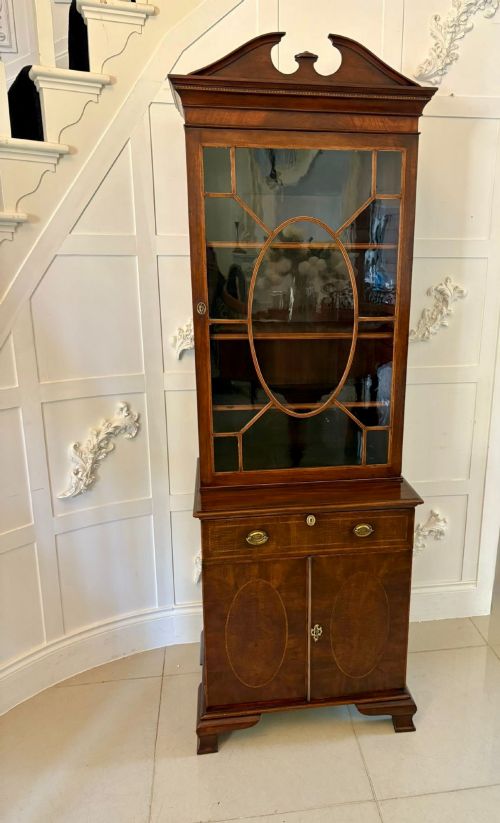
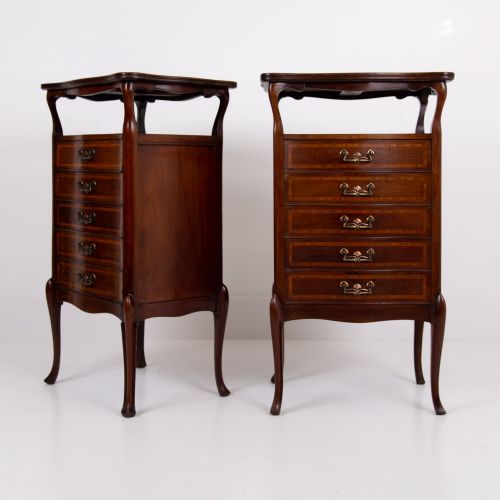
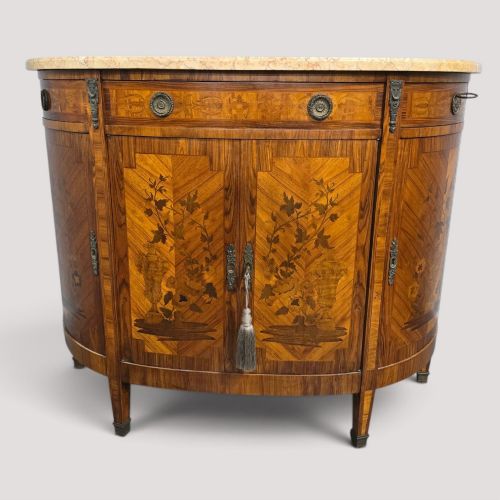
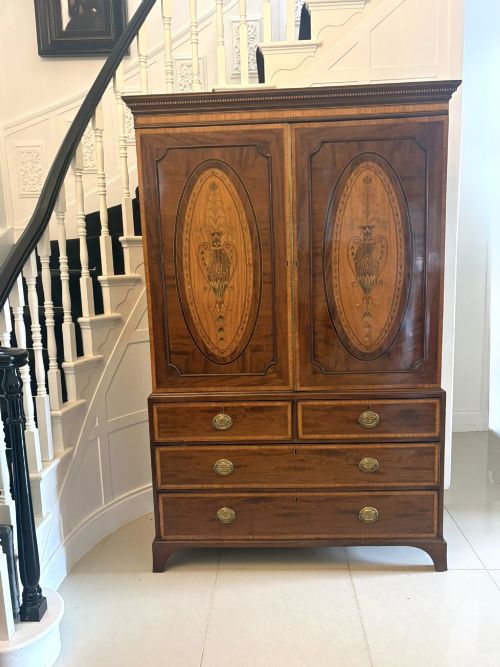
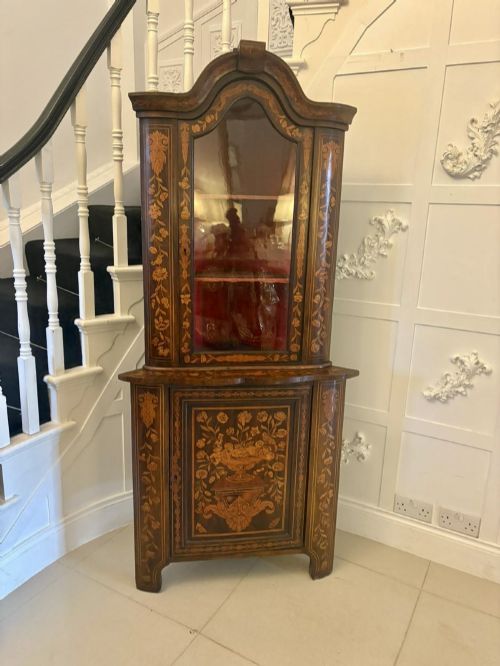
A vintage inlaid cabinet spans a wide range of forms, from compact bedside cupboards and corner units to large display cabinets and sideboards. The phrase covers pieces originating from the Georgian and Victorian eras through to the Edwardian period and the early twentieth century.
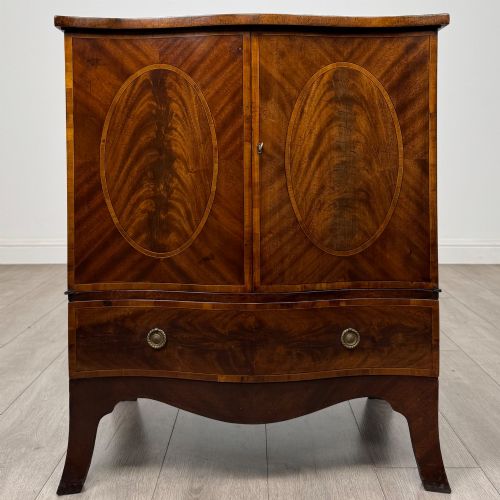
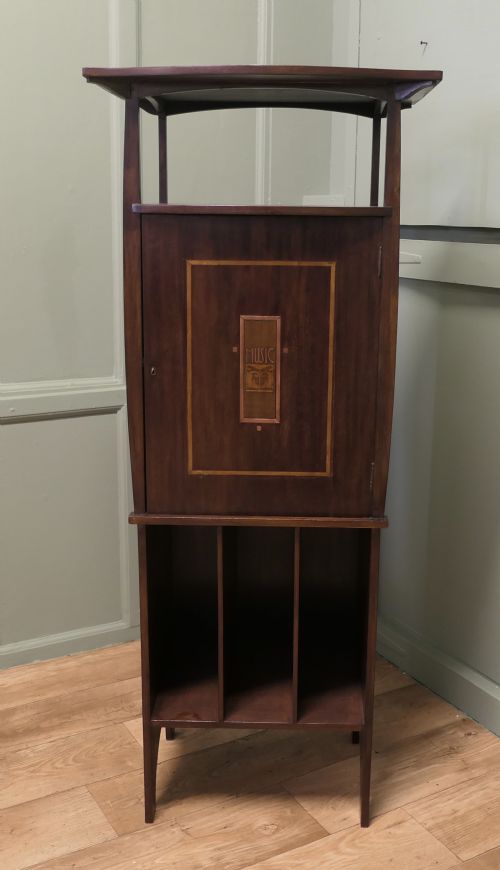
The version most commonly met on this page is the Edwardian mahogany cabinet, often finished with delicate satinwood inlay and standing on tapering legs. These items combine everyday utility with the refined decorative tastes of their respective periods.
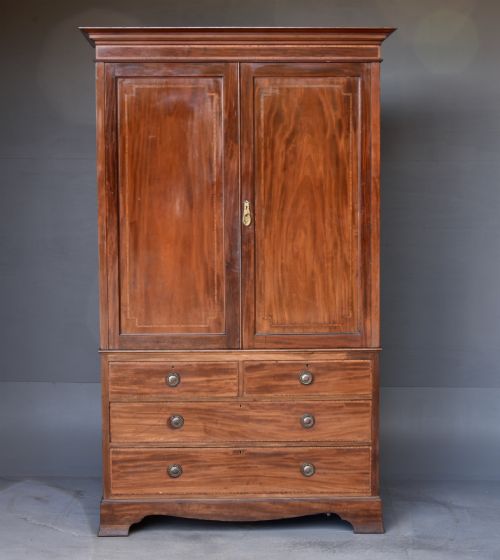
Makers and workshops utilised various timbers, incorporating brass hardware, glass panels and occasionally marble tops into forms such as bookcases, music cabinets and compactum wardrobes.
Materials and construction
Carpenters built these pieces primarily using structural hardwoods such as mahogany, walnut, rosewood and satinwood, applying contrasting timber veneers for decorative effect.
Wood inlay techniques involved meticulous hand-cutting of contrasting slips of veneer, which were then fitted flush into shaped recesses within the primary timber surface.
Secondary materials such as brass handles, glass panes for display doors and heavy marble slabs for commodes and console tops completed the construction.
Assessing quality and finish
Quality rests upon the crispness of the timber inlay and the precision with which contrasting woods fit into the surrounding ground. Superior examples display sharp, tight joints without visible gaps or excessive filler.
The choice of primary timber influences the overall standing of a piece, with figured flame mahogany, burr walnut and carefully selected satinwood marking out finer productions.
Structural integrity, original hardware, and untouched polished surfaces separate standard utilitarian items from finer workshop pieces.
JS Henry·Edwards and Roberts·maples and co
The Vintage Inlaid Cabinet Glossary
- Inlay
- A decorative technique where pieces of contrasting wood, metal or shell are inserted into a prepared recess to form a flush surface.
- Marquetry
- Form of inlay where entire pictorial or geometric designs are assembled from veneers before being applied to a carcase.
- Compactum
- A large fitted wardrobe or combination cabinet designed to provide multiple types of internal storage within a single unit.
- Satinwood
- A light-yellow, lustrous timber native to India and Ceylon, frequently utilised for banding, stringing and decorative panels.
- Demi-lune
- Half-moon shape in plan, describing furniture such as sideboards and commodes designed to stand flat against a wall.
Vintage Inlaid Cabinet: Frequently Asked Questions
What is a vintage inlaid cabinet used for?
These cabinets serve multiple domestic purposes, acting as display spaces for ceramics, storage for books or linens, and bedside tables.
Their varied interior layouts, including drawers, shelves and hanging space, allow them to function practically in modern rooms.
How do I identify an Edwardian inlaid cabinet?
Edwardian examples usually feature light mahogany or satinwood timbers decorated with delicate floral or geometric stringing.
They frequently date from around nineteen hundred to nineteen ten and often stand on slender square-tapered legs.
Are marble tops original to these cabinets?
Many nineteenth-century commodes, sideboards and corner cabinets were manufactured with heavy white, grey or rouge marble tops.
These stone surfaces provided durable, water-resistant finishes suitable for washing stands and serving areas.
How should I care for wood inlay?
Keep inlaid furniture away from direct sunlight and rapid changes in temperature to prevent the delicate veneers from lifting.
Apply traditional beeswax polish sparingly and buff gently with a soft cloth to maintain the timber's natural lustre.