

French Marquetry Chest
A French marquetry chest brings sophisticated floral and geometric wood inlay together with graceful serpentine curves for a striking interior statement.
Defining the French marquetry chest
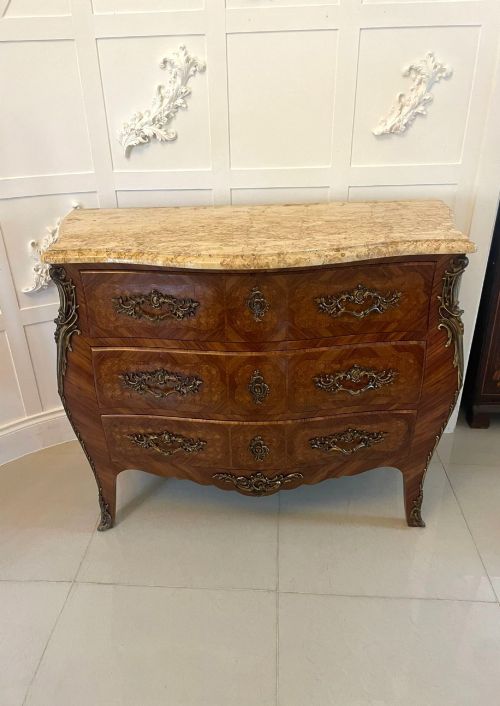
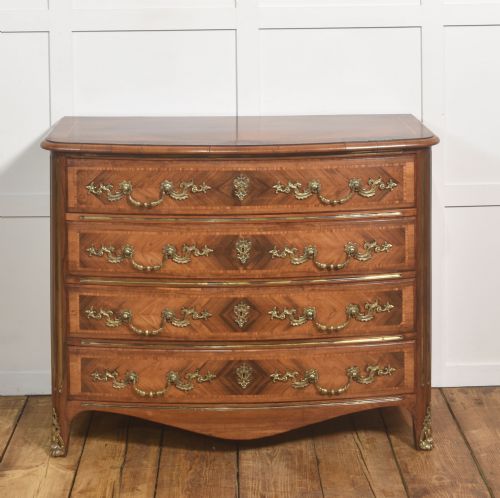
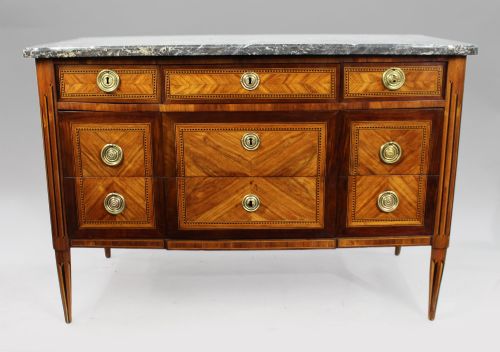
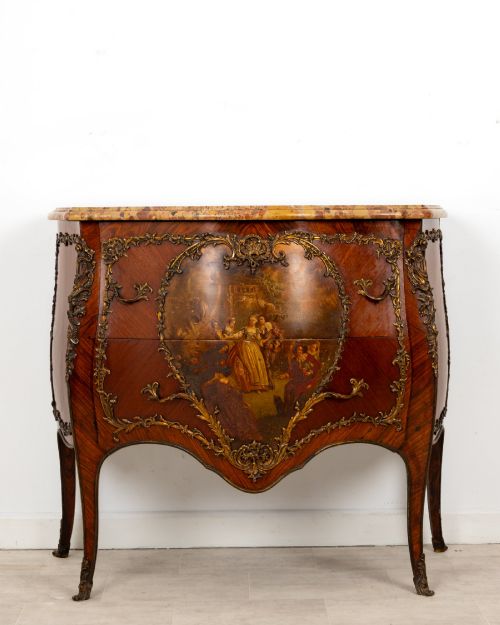
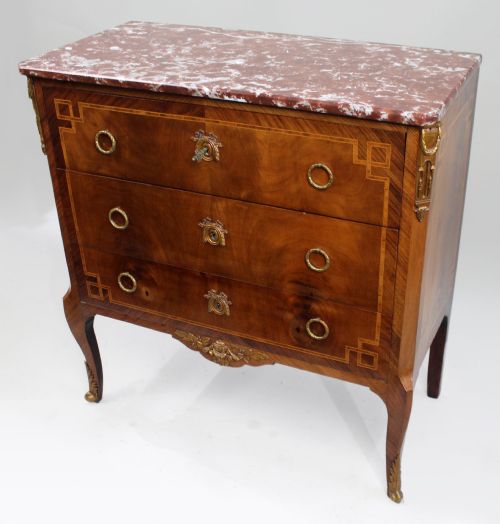
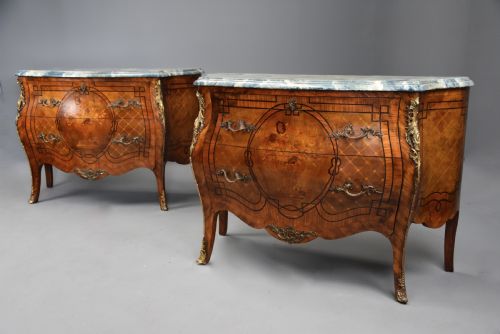
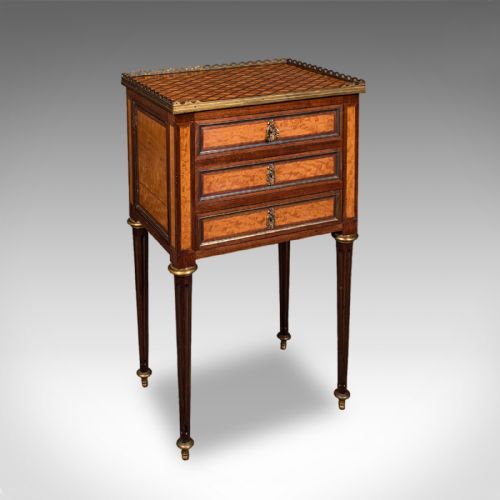
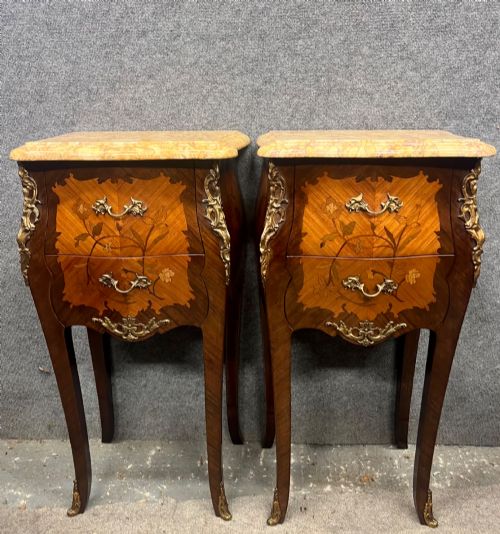
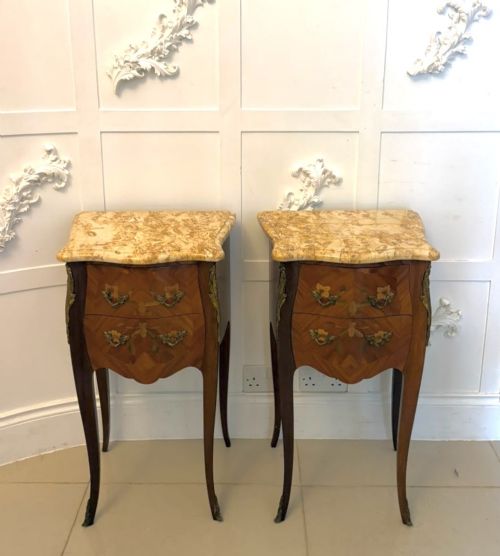
A French marquetry chest serves primarily as a commode or bedside cabinet, designed with multiple drawers or cabinet space for elegant storage. Buyers seeking this category encounter pieces predominantly from the nineteenth century, alongside revival iterations reflecting earlier eras.
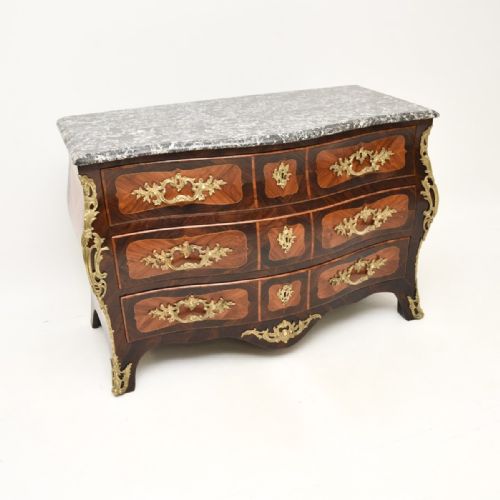
The aesthetic leans heavily toward Louis XV styles and rococo influences, characterised by sweeping contours and bombe silhouettes. These storage pieces function effectively as focal points in bedrooms and drawing rooms alike.
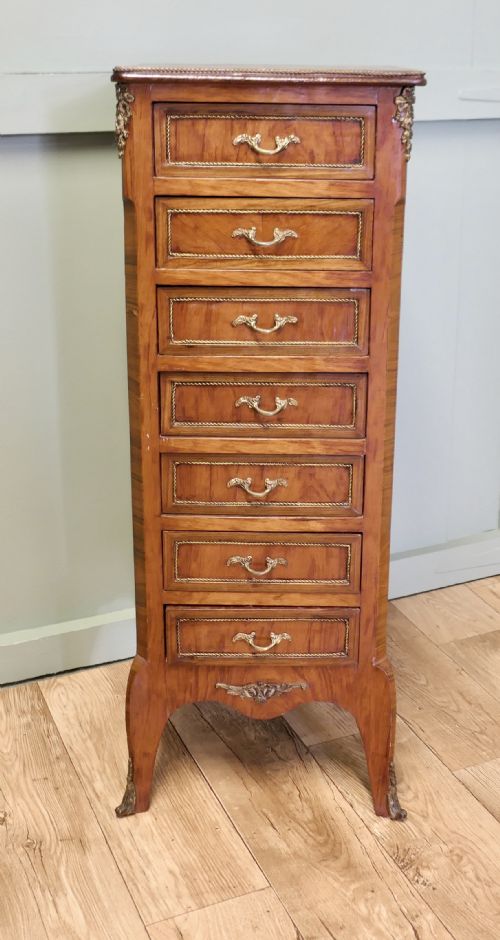
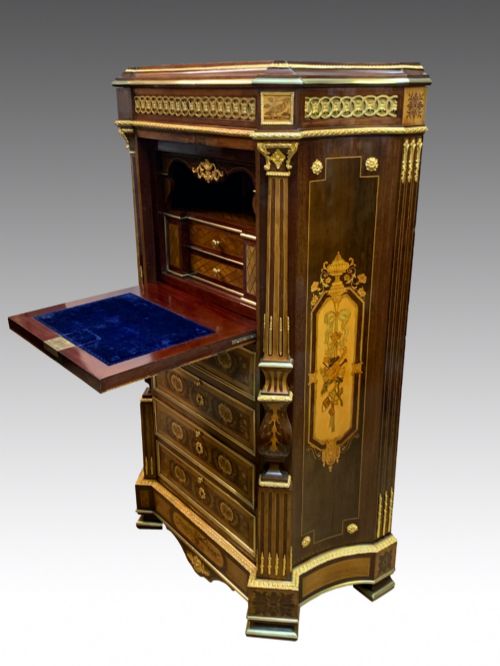
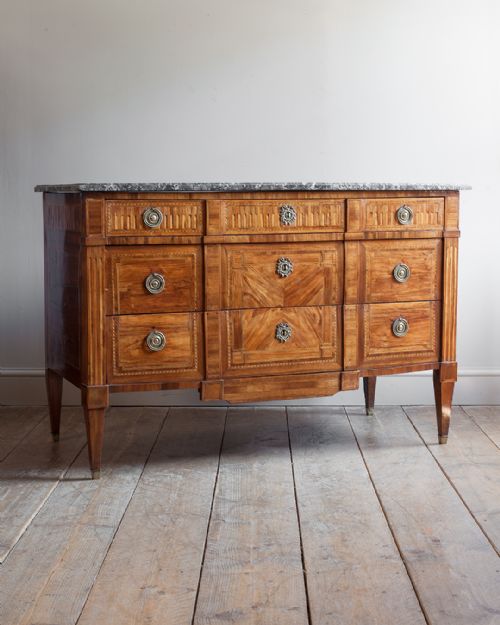
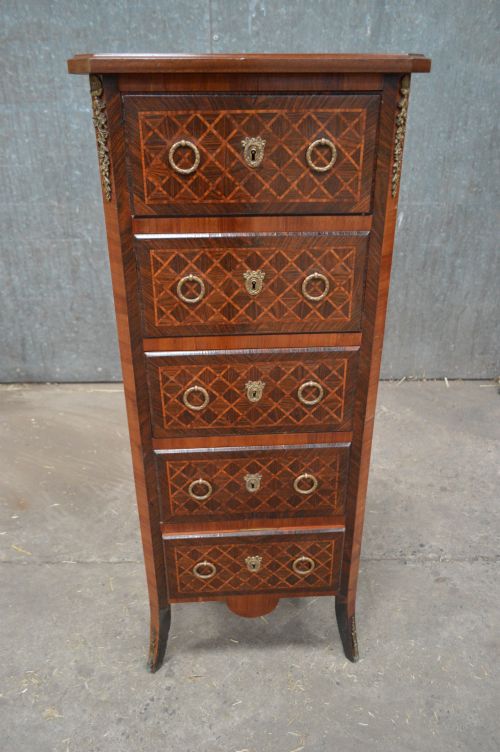
Origins trace directly to continental workshops, with Parisian influences appearing frequently across the selection. Forms range from compact bedside chests to substantial sideboards and tall semainiers.
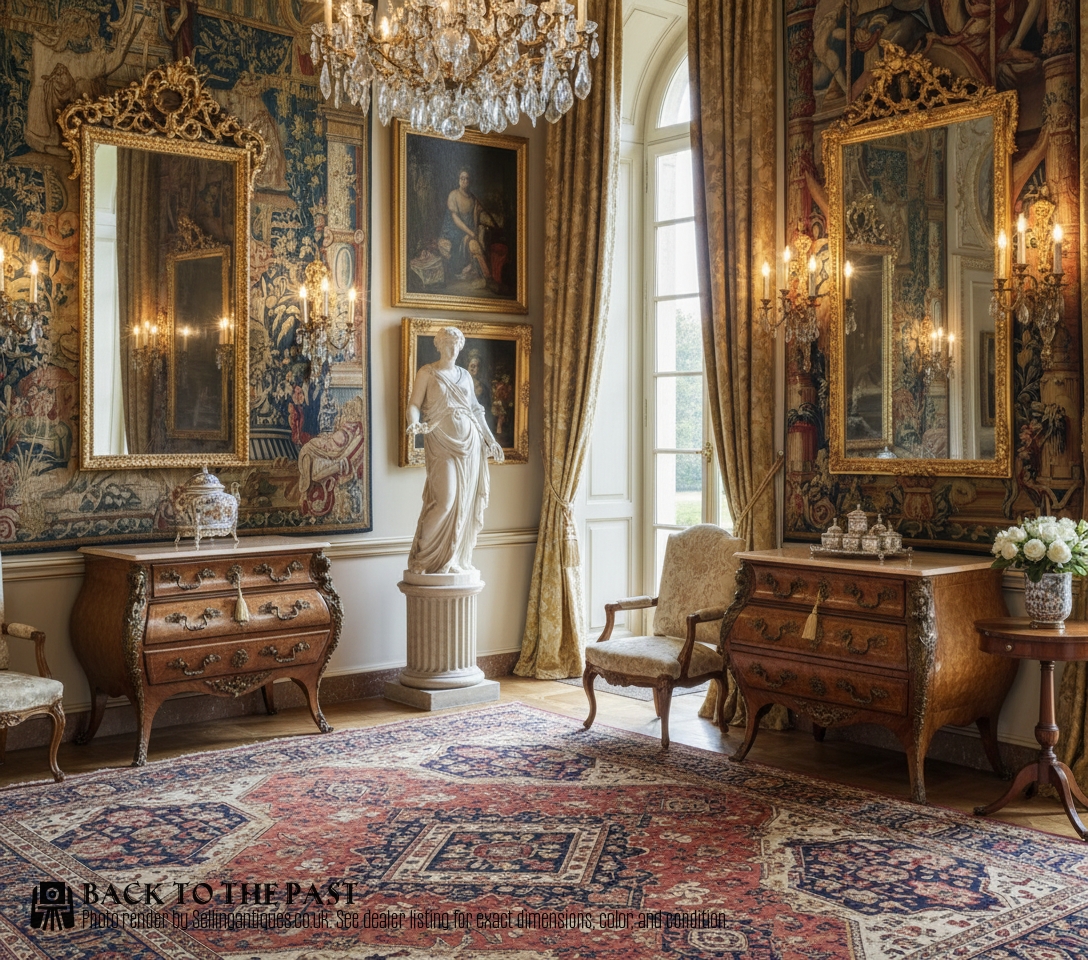
Materials and construction methods
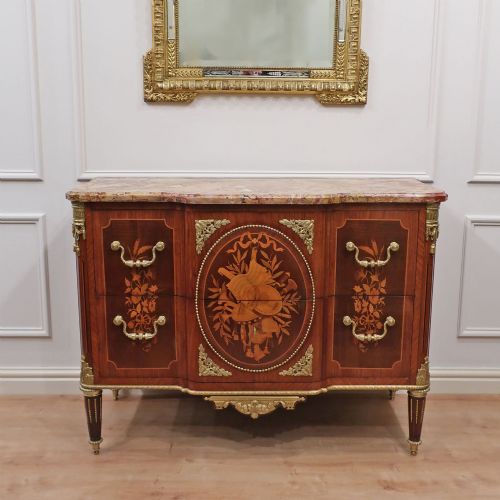
Craftsmen built these carcases using robust timbers such as walnut, mahogany, and oak, applying fine veneers of kingwood and rosewood over the primary structure. Detailed pictorial or geometric patterns were meticulously cut and assembled from contrasting wood species to form the distinctive surface decoration.
Marble slabs were precision-fitted to the upper surfaces, providing a durable and cool counterpoint to the warm wood tones below. Cast gilt-bronze, or ormolu, mounts and handles were secured to corners and drawer fronts to protect edges and accentuate the flowing lines.
Retail Price Guide 2026
Typical UK retail prices for french marquetry chest, calculated from the Sellingantiques database of over a million retail prices indexed since 2003. This retail price guide relies exclusively on Sellingantiques data; no external sources or auction records are used, so the figures do not describe the wider market.
Listings feature eighteenth-century pieces alongside nineteenth-century revivals, incorporating kingwood, rosewood, walnut, and marble.
Assessing craftsmanship and finish
The finesse of the veneer work dictates the standing of a piece, separating standard production from master craftsmanship through the tightness of the joinery and the complexity of the wood selection. Finely articulated floral motifs demonstrate superior hand-cutting compared to simpler geometric repetitions.
The integration of heavy marble tops and the weight of the cast bronze mounts indicate the original investment in materials. Crisp detailing in the chased ormolu hardware elevates the overall harmony of the furniture.
Germain Landrin
The French Marquetry Chest Glossary
- Marquetry
- The art of applying decorative pieces of veneer to a structure to form intricate designs or pictures. Artisans select various tinted woods to achieve natural shading.
- Commode
- A low chest of drawers, standing on legs, which became popular in France during the eighteenth century. These pieces often feature prominent serpentine or bombe shapes.
- Bombe
- A swelling, outward-curving contour on the front and sides of a chest of drawers. This silhouette requires advanced cabinetmaking skills to ensure structural integrity.
- Ormolu
- Gilded bronze mounts applied to the corners, feet, and drawer pulls of fine furniture. The technique involves treating metal with a mercury-gold amalgam.
- Semainier
- A tall, slender chest traditionally built with seven drawers, one for each day of the week. This form maximises vertical storage space in domestic interiors.
- Vernis Martin
- A type of simulated Japanese lacquer developed in France to imitate Asian screens and panels. The finish uses multiple layers of varnish applied over painted decorations.
Frequently Asked Questions
What is a bombe commode?
A bombe commode is a chest featuring distinct convex curves along its sides and front. This bulging profile is characteristic of eighteenth-century French design and its later revivals.
The sweeping shape demands exceptional woodworking expertise to bend and fit veneers smoothly over complex wooden forms without cracking.
How do I care for marble tops?
Marble surfaces require gentle cleaning with warm water and a soft cloth to avoid scratching the polished finish. Acidic liquids such as wine or vinegar should be wiped away immediately to prevent permanent etching.
Applying a specialist stone wax periodically helps protect the natural porous material from everyday stains and moisture rings.
Where should I place a commode?
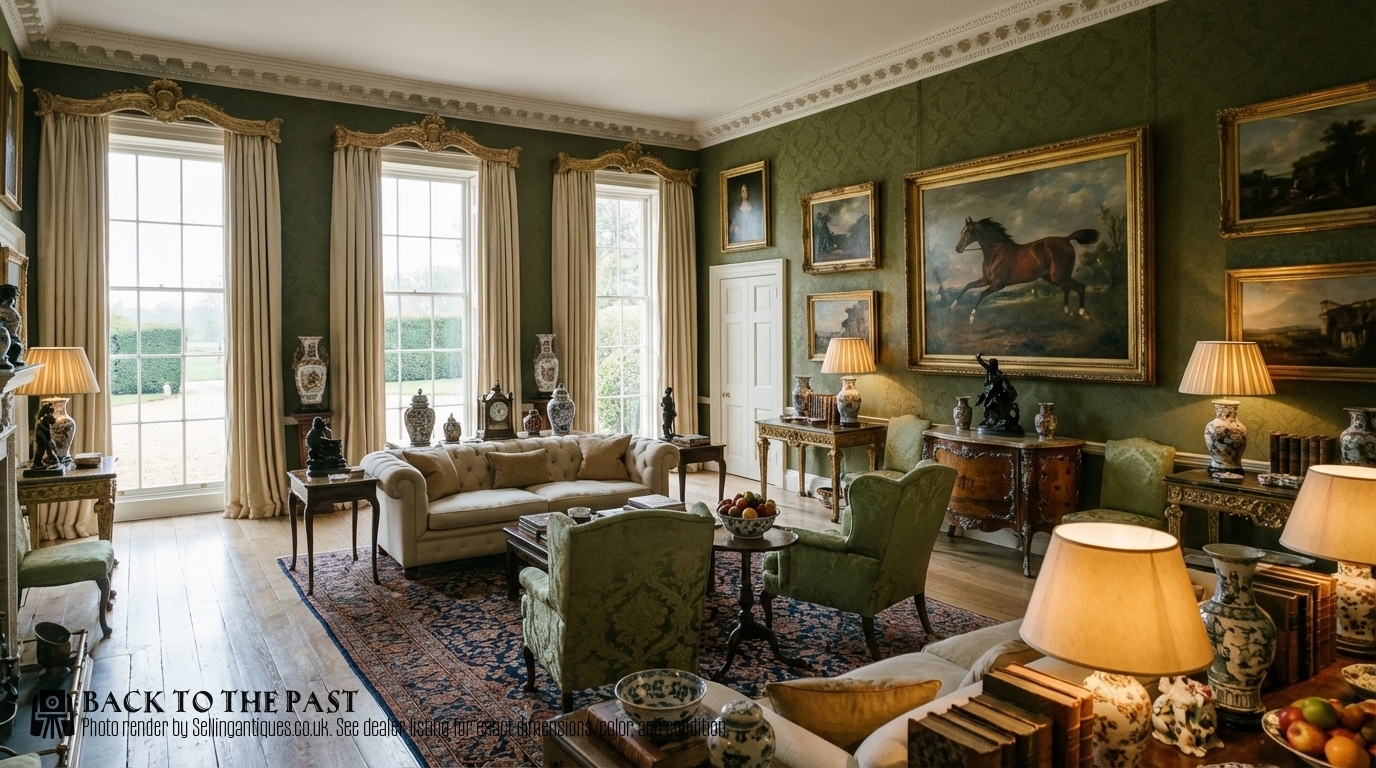
These chests work well as statement pieces in hallways, living rooms, or spacious bedrooms where their decorative marquetry remains visible. Their flat marble surfaces also provide a convenient display area for lamps or decorative objects.
Placing them away from direct sunlight and heat sources protects the delicate wood veneers and natural glues from drying out over time.
How do I distinguish nineteenth-century revival pieces?
Nineteenth-century revival furniture often replicates earlier Louis XV styles using mechanical veneer-cutting techniques alongside traditional hand assembly. Examining the secondary timbers inside the drawer linings and the composition of the bronze mounts helps clarify the date of manufacture.
Archive records show that revival pieces frequently combine kingwood and rosewood veneers with heavy marble tops, echoing eighteenth-century aesthetics with nineteenth-century structural methods.