
Vintage Hallway Server
A vintage hallway server brings practical surface space and period character to a narrow entrance.
Vintage Hallway Server
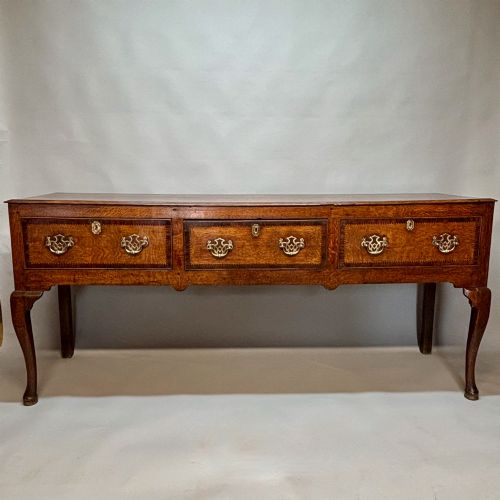
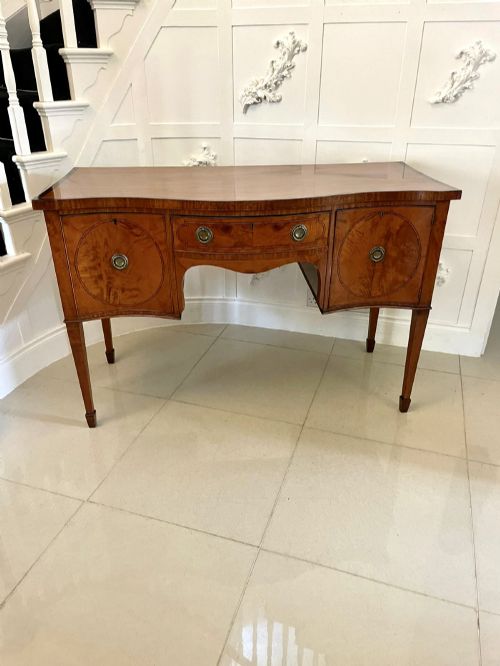
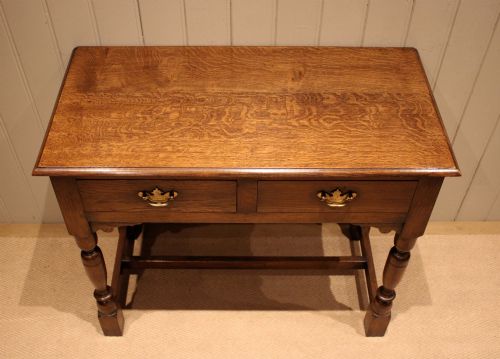
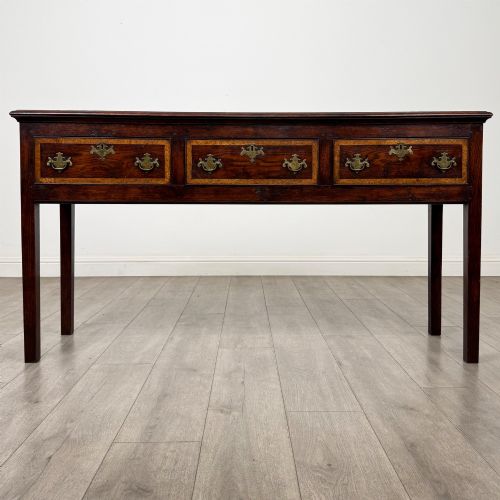
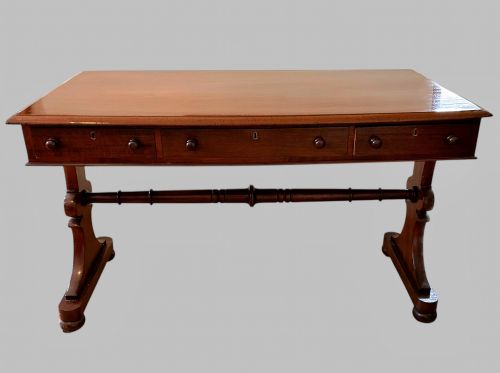
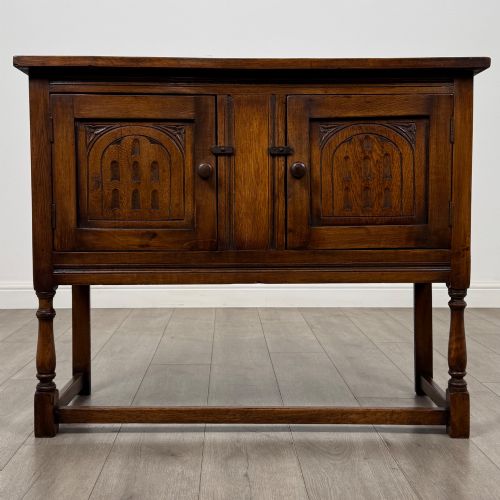
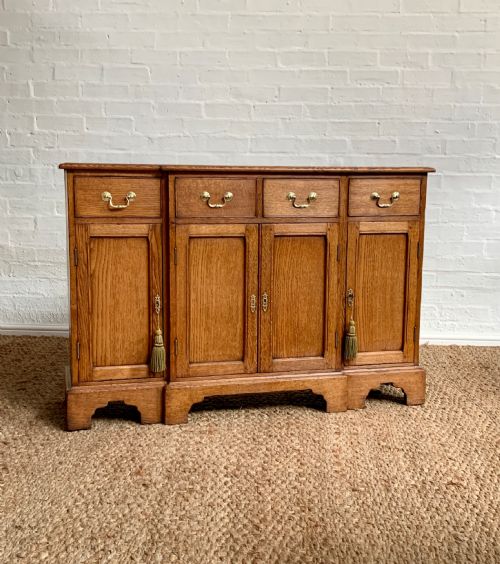
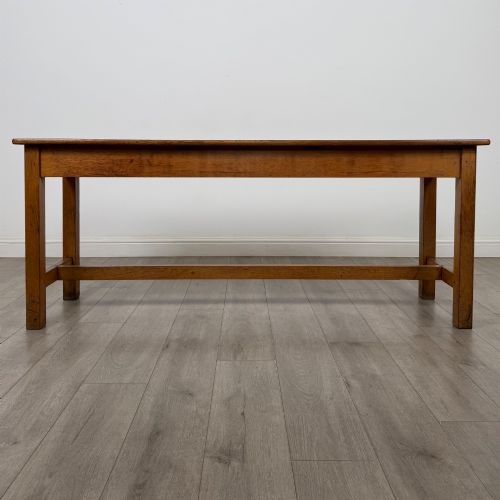
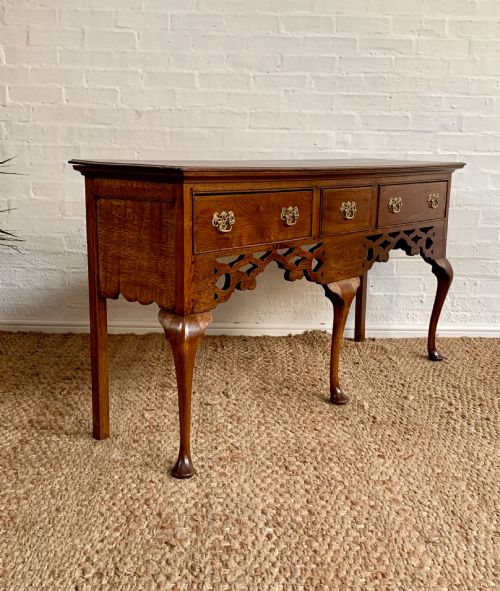
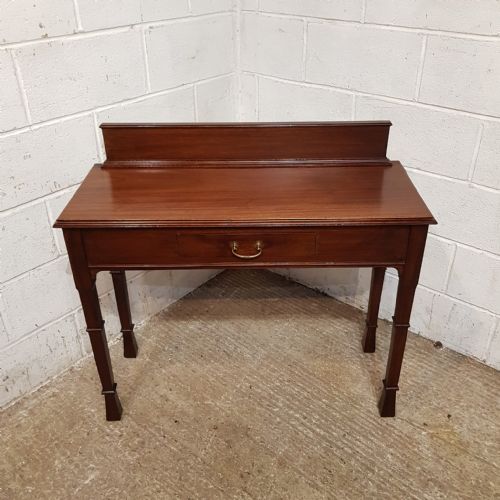
A vintage hallway server encompasses a variety of narrow furniture forms designed to stand against a wall in a passage or reception space. The selection spans console tables, sideboards, dresser bases, and small cupboards drawn from the nineteenth and twentieth centuries. These pieces serve as a drop-space for post and keys while anchoring the entrance with distinct period presence.
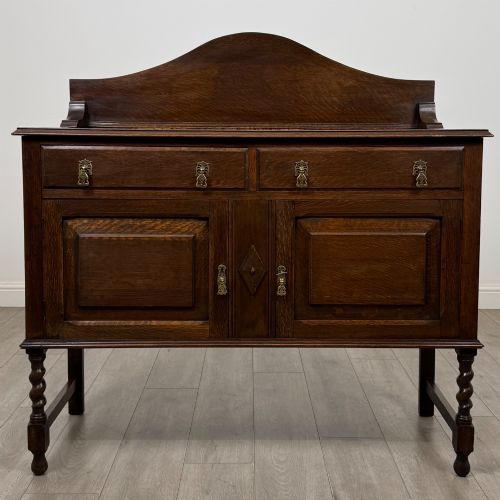
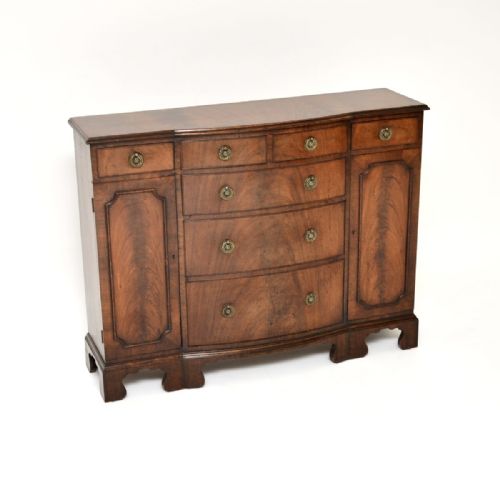
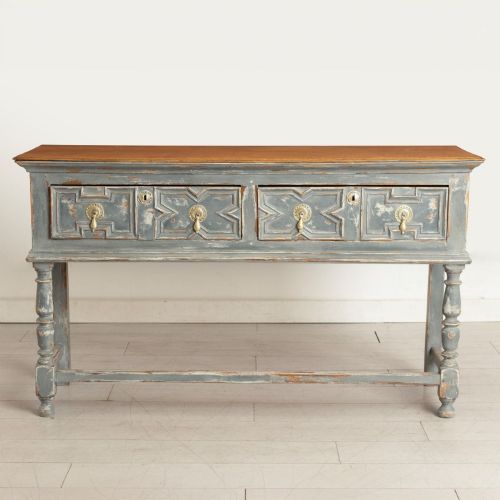
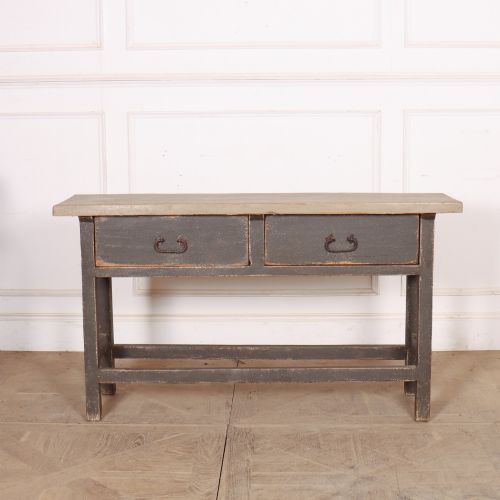
Oak and mahogany dominate the offerings, frequently taking the form of Edwardian side tables, dresser bases, and compact sideboards. Walnut, burr walnut, and painted pine also appear regularly, offering alternatives from French Provincial consoles to English country pieces. Such variety ensures a suitable proportion for almost any entrance layout.
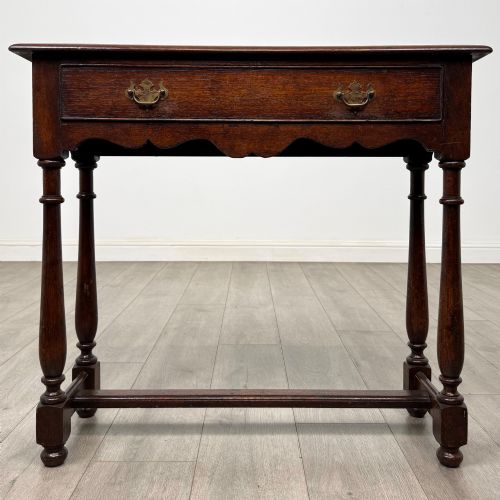
Makers and designers of note, including Hille and Fortnum and Mason, occasionally provide named attribution among twentieth-century walnut and console pieces. Alongside these stand robust oak items displaying barley twist legs, Gothic Revival carving, or Georgian revival proportions. Each object reflects the domestic requirements of its original era.
How they were made
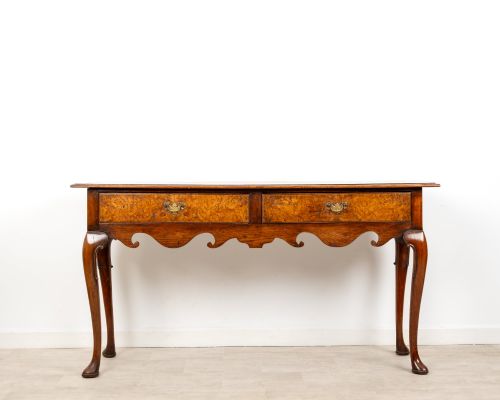
Cabinetmakers utilised solid timbers such as oak, mahogany, walnut, and cherrywood, often pairing them with veneers of burr walnut and satinwood to create patterned surfaces. Brass hardware, from campaign-style mounts to simple drop handles, provides functional detail across many nineteenth and twentieth-century examples. Painted finishes appear on pine and mixed timbers, offering a smoother surface texture.
Construction techniques visible across the listings include dovetailed drawers, turned legs such as barley twists, and carved detailing ranging from Flemish Green Man motifs to restrained string inlay. Marble tops feature on specific continental console tables, providing a cool, hard-wearing surface. Every method serves the dual demand of daily utility and structural stability.
Listings feature oak, mahogany, walnut, burr walnut, satinwood, pine, cherrywood, paint, and brass across console tables, sideboards, and dresser bases.
What varies in quality
Quality in these pieces is dictated by the selection of timber and the ambition of the joinery. Finely figured burr walnut or satinwood veneers require expert handling, whereas plain pine relies entirely on the honesty of its painted surface and solid construction. Finer examples display crisp carving, balanced proportions, and careful attention to secondary timbers.
The sophistication of the design sets standard utility furniture apart from superior cabinetwork. A piece bearing the stamp of a notable firm or displaying refined Sheraton revival lines carries greater design integrity than a plain provincial counterpart. These distinctions define the hierarchy within any gathering of period servers.
Hille·Fortnum and Mason·M. D. Miller and Sons
The Vintage Hallway Server Glossary
- Console Table
- A table designed to fix or stand flat against a wall, frequently supported by two front legs and secured to the wall structure. These narrow tables suit hallways where floor space is at a premium.
- Dresser Base
- A low sideboard or cabinet featuring drawers and often a lower shelf or cupboard section. Originally used in kitchens or dining rooms, they provide generous storage in entrance spaces.
- Barley Twist
- A turned wooden furniture leg or column resembling a twisted rope. This decorative woodworking technique appears frequently on Edwardian oak furniture.
- Serpentine
- A gently undulating curved line, convex at the centre and concave at the ends, seen on the front edges of superior sideboards and serving tables. It adds considerable elegance to the silhouette.
- Burr Walnut
- Wood cut from a walnut tree growth or burr, producing an intricate, swirling grain pattern. Cabinetmakers prize this timber for decorative veneer panels on console tables and servers.
Vintage Hallway Server: Frequently Asked Questions
What is a vintage hallway server?
A vintage hallway server is a collective term for narrow tables, sideboards, and console units designed to fit passage spaces. They provide a practical surface for everyday items while establishing the decorative tone of an interior.
These pieces draw from various nineteenth and twentieth-century styles, ranging from rustic painted pine to polished mahogany and burr walnut.
How do I choose the right size?
Measure the available wall space and walkway clearance carefully before selecting a piece. Narrow console tables and shallow sideboards allow easy movement in tight corridors without obstructing doors.
Consider the height in relation to light switches, radiators, or mirrors positioned above the surface.
Where were these servers used originally?
Such furniture was placed in entrance halls, dining rooms, and parlours to assist with serving food or receiving guests. Hallway tables specifically held calling cards, correspondence, and lamps.
Today, they adapt readily to modern domestic entrances, serving identical practical functions.