
Vintage Hallway Bench
A vintage hallway bench serves as a welcoming anchor for an entrance, combining practical seating with period character.
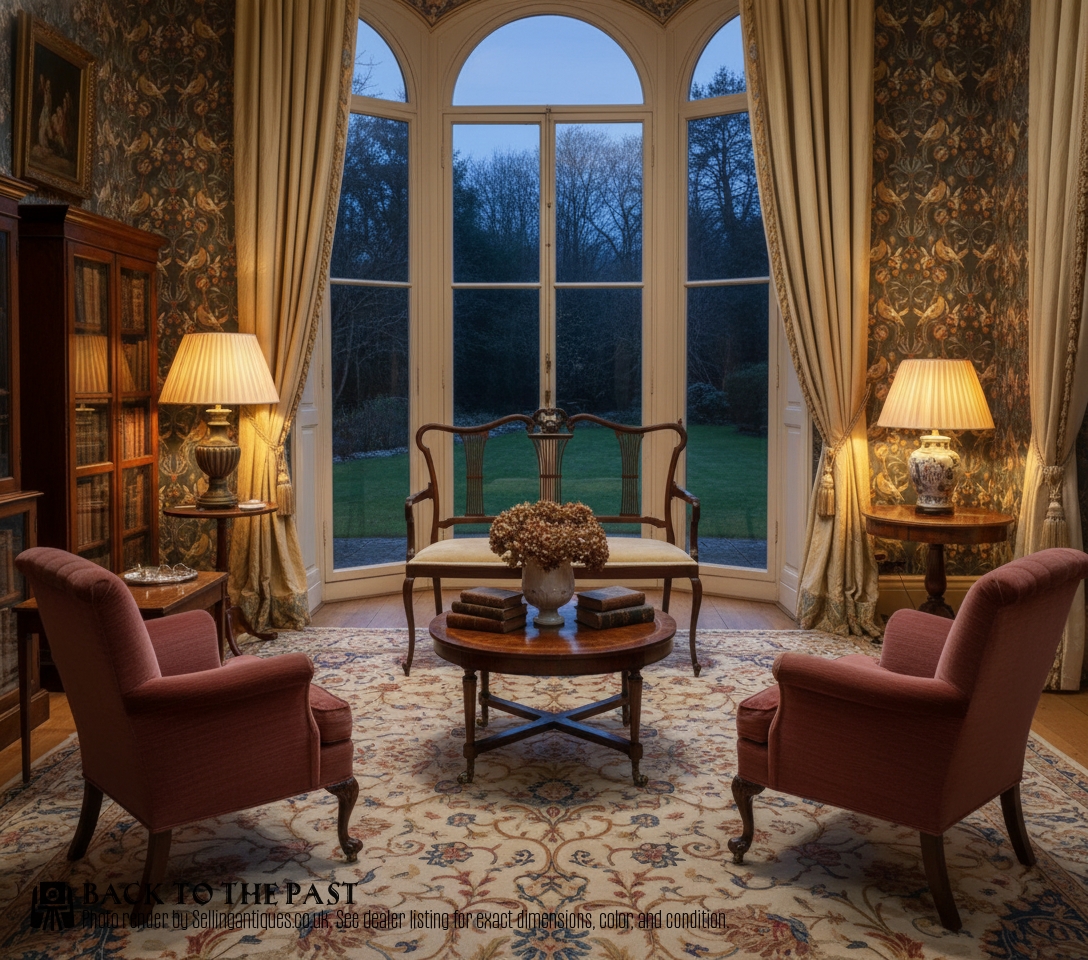
Vintage Hallway Bench
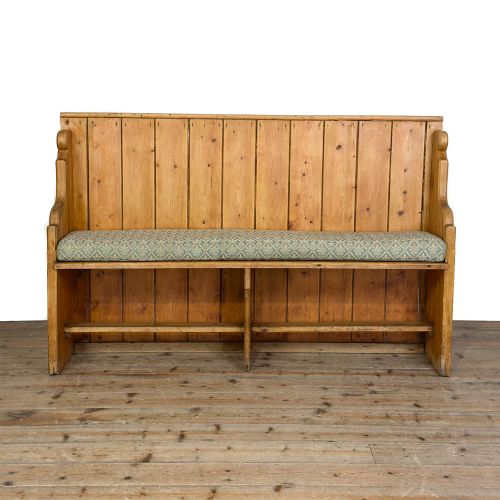
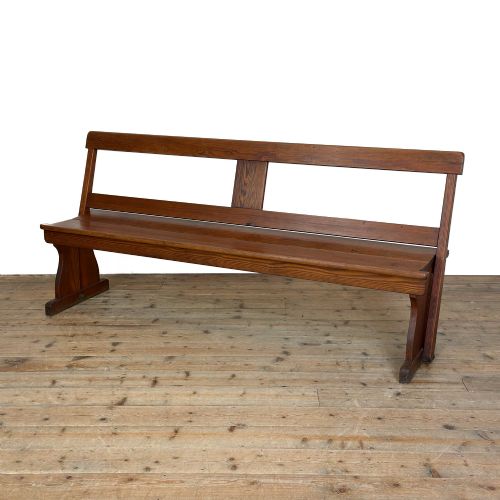
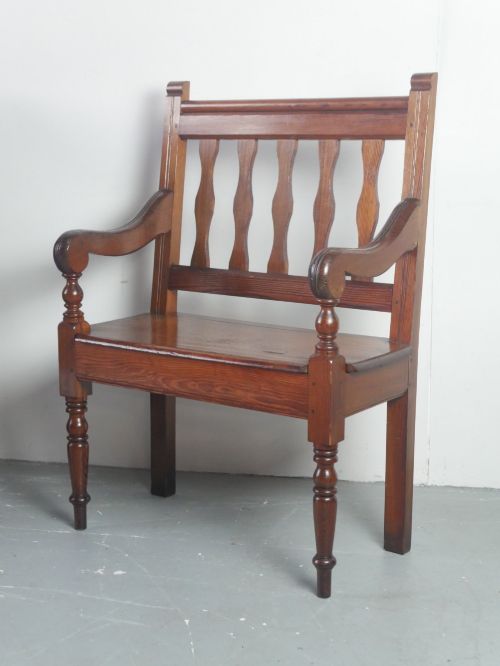
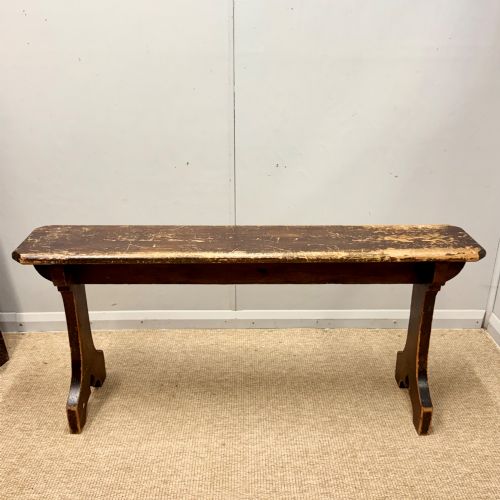
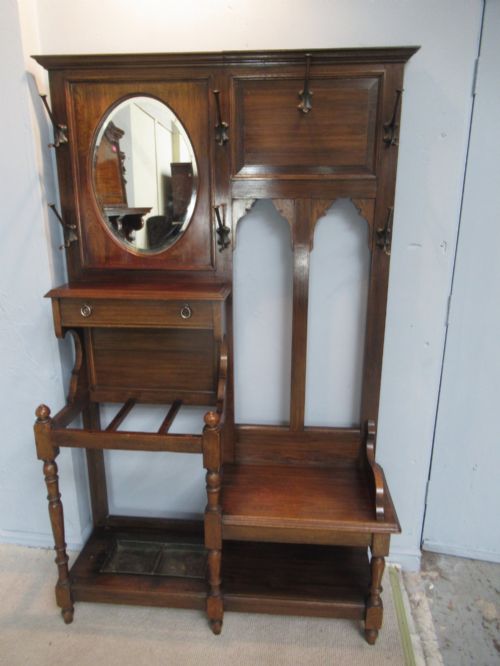
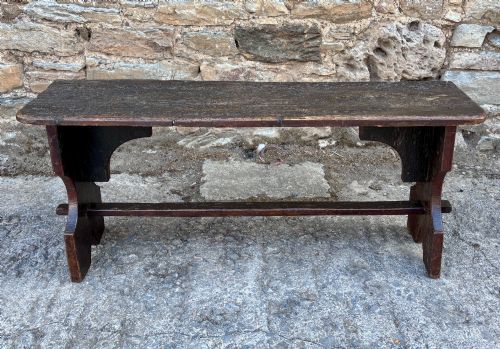
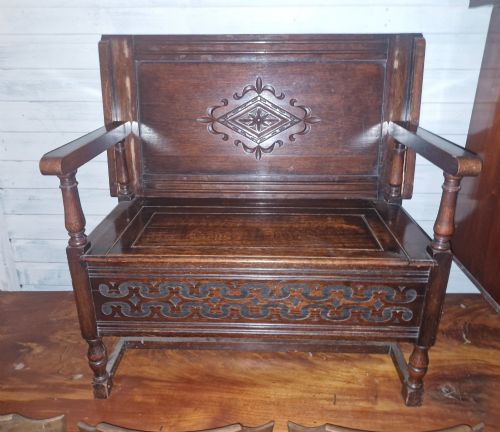
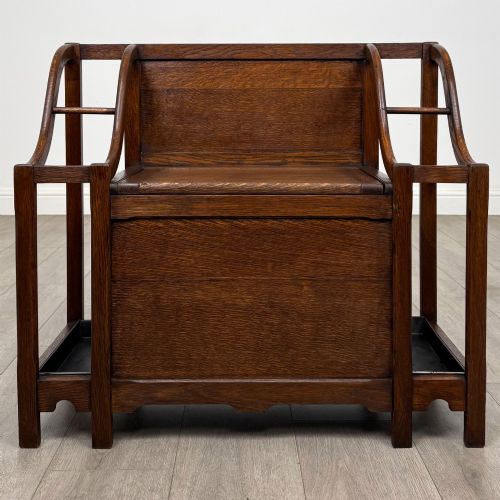
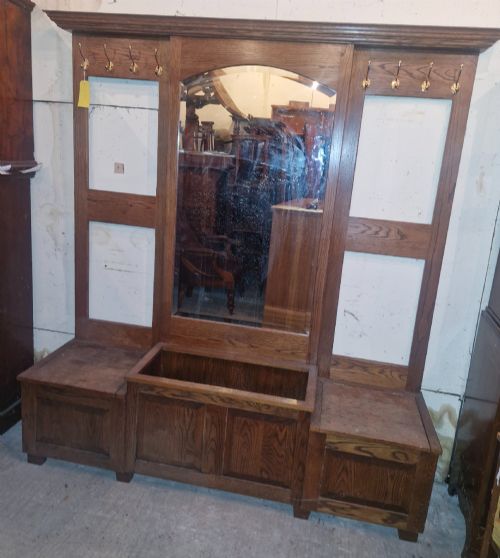
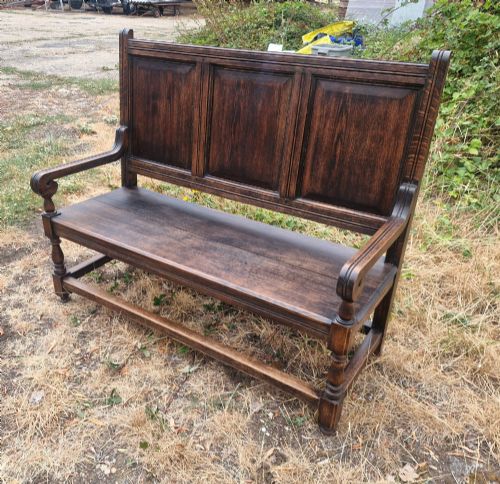
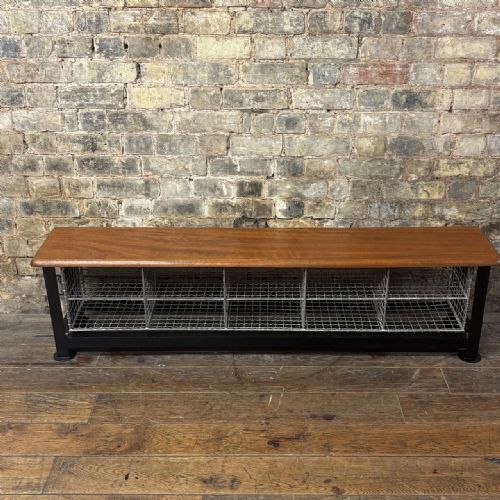
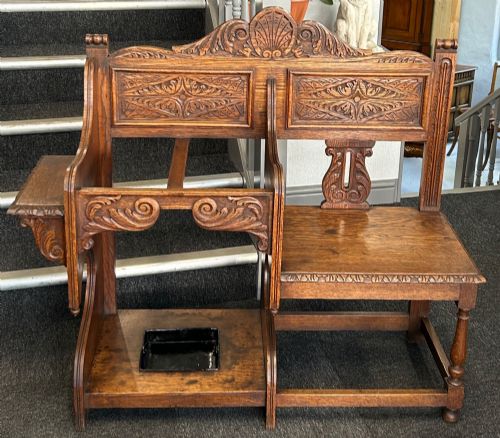
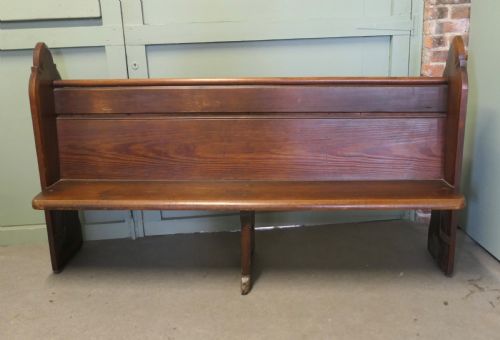
A vintage hallway bench provides a functional seating solution for entryways, incorporating various historic forms from simple pine settles to elaborate oak hall stands with integrated coat hooks and storage compartments. These pieces originate from multiple eras, spanning Victorian, Edwardian, and early twentieth century periods, reflecting diverse domestic and institutional uses.
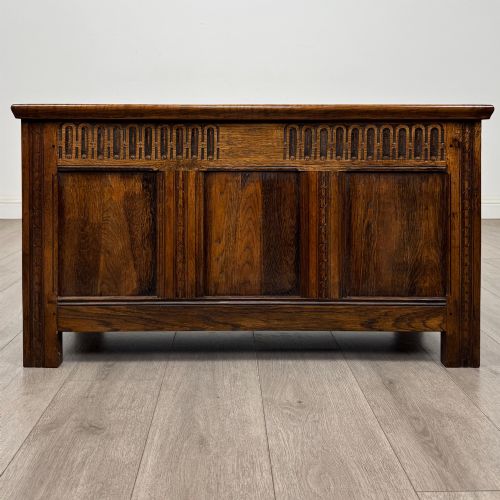
Originating from British and continental workshops, these items often merge utility with traditional craftsmanship, such as panelled backs, carved supports, and integrated umbrella stands. The variety ranges from long rustic boards to compact seats designed specifically for smaller vestibules.
Materials and construction
Construction relies heavily on solid timbers, predominantly pine and oak, alongside occasional uses of mahogany, cherry, and painted surfaces. Carpenters utilised traditional joinery techniques, including panelled construction and pegged joints, ensuring structural longevity for heavy daily use in busy entranceways.
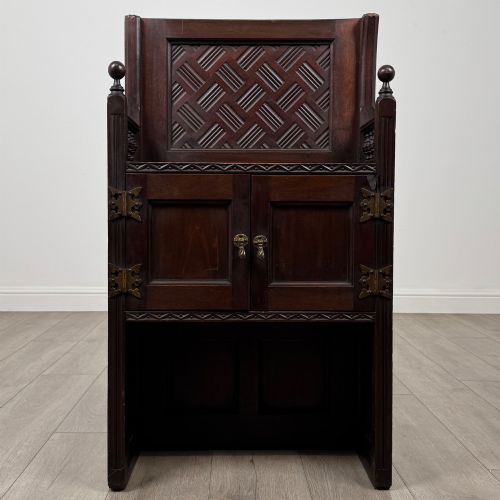
Many items incorporate functional hardware in brass and iron, seen in coat hooks, luggage racks, and hinges for lift-up seats. Finishes range from natural wax and honey brown patina to applied layers of blue, grey, and black paint on historic Hungarian pine frames.
Vintage Hallway Bench Retail Price Guide 2026
Typical asking prices for vintage hallway bench among the pieces listed under this phrase on Sellingantiques today, from the lower quarter to the upper quarter. They describe what is for sale here now, not the wider market.
Several pews retain traces of church organ sheet music and decades of quiet contemplation.
Assessing quality and craftsmanship
Quality in these seating items depends on the integrity of the timber, the depth of the original patina, and the sophistication of any carved details. Pieces featuring integrated storage, such as fold-over tops or compartmentalised boot stores, demonstrate higher complexity in their design.
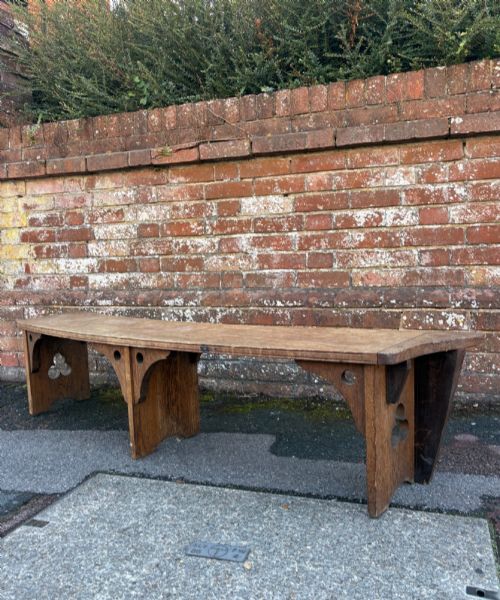
The refinement of the joinery and the survival of original hardware, including brass hooks and iron brackets, distinguish standard utilitarian items from finer architect-designed examples associated with movements like Arts and Crafts.
Shapland and Petter·Liberty
The Vintage Hallway Bench Glossary
- Settle
- A wooden bench with a high back and solid arms, often featuring enclosed storage beneath the seat. This form protected inhabitants from draughts in older hallways and public spaces.
- Pew
- A long wooden bench traditionally found in churches or chapels, constructed from pine or oak with straightforward linear proportions.
- Hall stand
- A multi-functional entrance piece combining a seat with vertical panels for hats, coats, and walking sticks, often incorporating a mirror or umbrella trays.
- Patina
- The surface sheen and colour acquired by timber through age, handling, and regular waxing over decades.
- Trefoil
- A three-lobed decorative carving resembling clover leaves, frequently seen in Gothic revival and Arts and Crafts woodwork.
Vintage Hallway Bench: Frequently Asked Questions
How do I choose the right size for my corridor?
Measure the available floor space carefully, accounting for door swings and the depth of open storage compartments. Compact hall seats suit narrow spaces, while longer settles require wider hallways to maintain clear walkways.
Consider whether you need integrated coat hooks or umbrella stands, as combined pieces alter the vertical scale and visual weight within a small entrance.
Were these benches originally made for homes?
Many examples served utilitarian roles in institutions, churches, schools, and rural public houses before entering domestic settings. Chapel pews and school gym benches were adapted over time for hallway use due to their narrow profiles and sturdy construction.
Purpose-built domestic hall stands appeared in greater numbers during the Victorian and Edwardian periods, designed specifically to greet visitors and store outerwear.
How should I care for waxed pine and oak?
Maintain timber surfaces by applying a clear beeswax periodically to nourish the wood and preserve the historic patina. Avoid placing antique seating in direct sunlight or near heat sources to prevent the timber from splitting.
Dust regularly with a soft, dry cloth and address spills immediately to protect vulnerable painted or polished finishes.