





Antique Cane Stool
An antique cane stool offers a woven seat within a timber frame, bringing lightness and historic utility to a bedroom or hall.
Antique Cane Stool
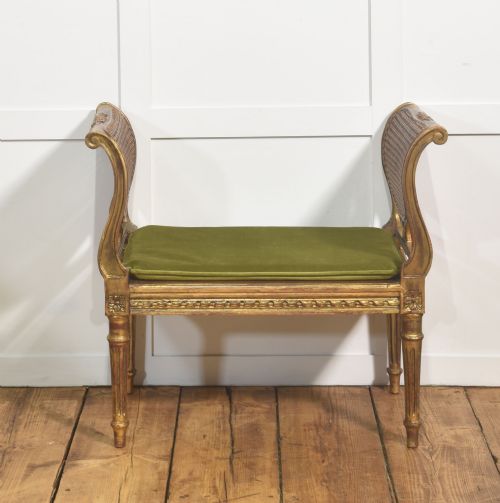
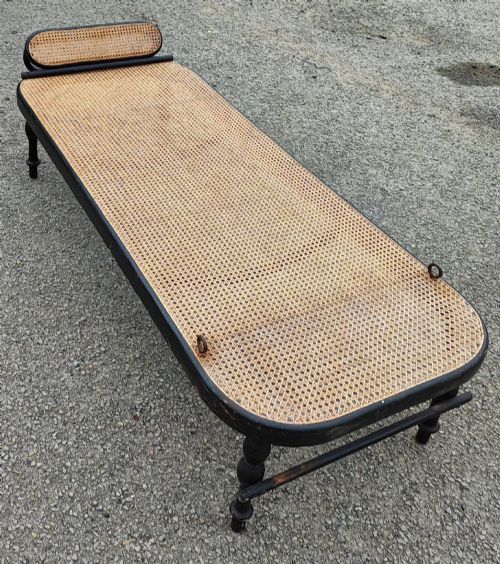
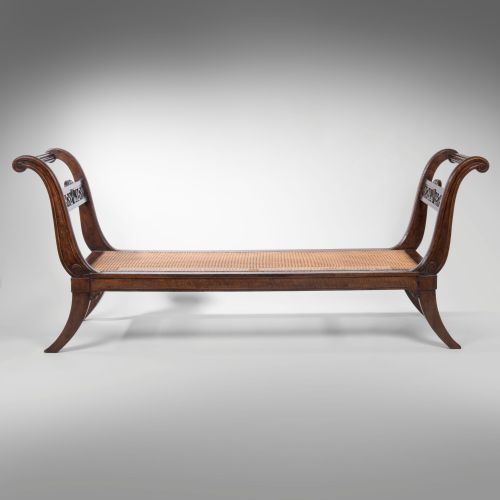
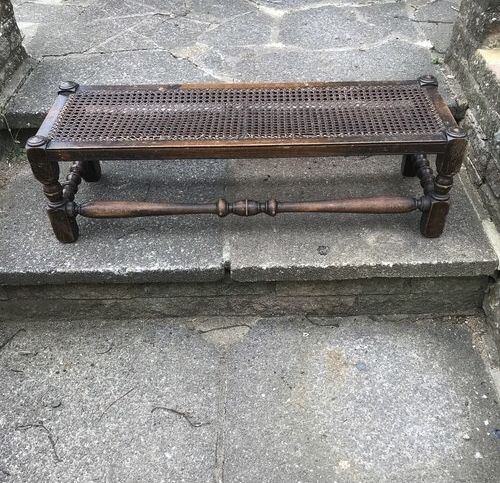
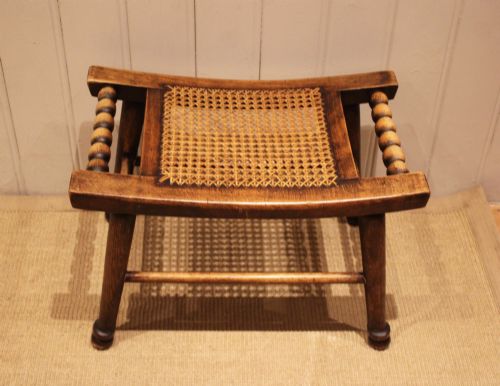
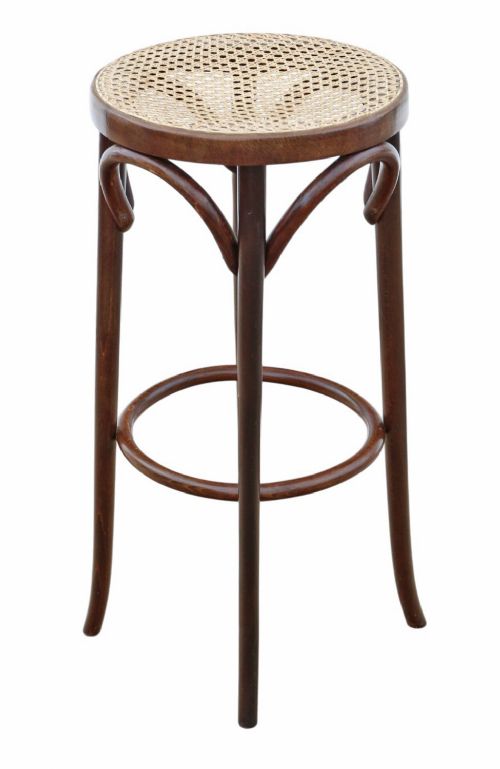
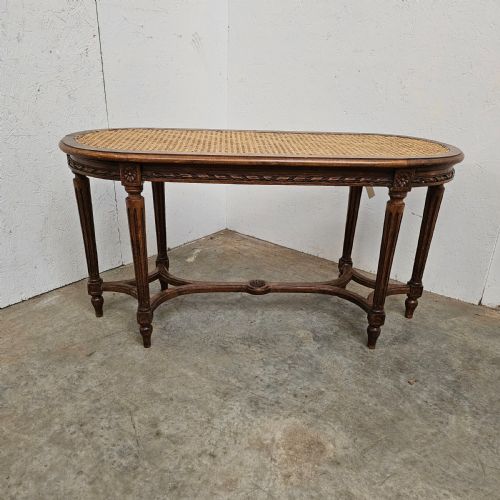
An antique cane stool appears across various periods from the Georgian era through the Edwardian years and into the early twentieth century. These pieces encompass window seats, dressing table stools, long footstools, and tall bentwood designs.
The materials paired with the woven seating include mahogany, oak, beech, walnut, satinwood, and giltwood. Makers utilised different woods to suit styles ranging from French Louis XVI and Régence to Regency and Victorian Gothic.
The forms span low footstools, square tables with caned tops, and long daybeds, reflecting both domestic comfort and practical seating requirements.
Materials and technique
Timbers such as mahogany, oak, beech, and walnut form the structural frames, often shaped with turned legs, X-frames, or carved details. Giltwood, painted wood, and ebonised finishes appear across French and English pieces.
The seating surface relies on cane or woven bergere, threaded through the wooden framework to create a resilient, flexible platform. Brass fittings and turned wooden supports complete the construction of specific benches and stools.
One extraordinary library armchair cleverly conceals folding steps within its oak frame, ready for high shelves.
Craftsmanship and distinction
The refinement of the carved wood frame, whether in the crisp execution of Louis XVI style motifs or the turning of oak and beech legs, separates standard joinery from superior craftsmanship. The tight, even tension of the woven cane work indicates the maker's skill and patience.
The choice of timber, from plain beech to figured mahogany, walnut, or giltwood, dictates the visual weight and status of the piece. Original surfaces, such as aged paint or patinated oak, preserve the integrity of the antique.
Thonet·Richard Hicks Bridgens
The Antique Cane Stool Glossary
- Bergere
- A closed-arm armchair or stool style featuring cane work panels set into a wooden frame. This French seating method provides both flexibility and breathability.
- X-frame
- A structural base formed by intersecting diagonal timbers that cross to support the seat. This form appears frequently in Regency and Edwardian window seats.
- Ebonised
- Wood stained or treated to imitate ebony. This dark finish creates a strong visual contrast with natural cane seats.
- Banquette
- A long upholstered or caned bench seat intended for hallways or placement beneath windows. These elongated forms offer generous seating proportions.
Antique Cane Stool: Frequently Asked Questions
Where do these stools fit best?
These stools suit placement at the foot of a bed, beneath a dressing table, or positioned by a window as a low seat.
Their open cane work prevents rooms from feeling visually crowded while providing practical utility.
How do I care for cane seats?
Cane requires occasional light dusting and hydration to prevent the natural material from becoming brittle over time.
Keeping these pieces away from direct heat sources helps preserve the elasticity of the weave.
What is a window seat?
A window seat is an elongated stool designed to sit low beneath window frames without obstructing the view.
These pieces often feature decorative frames and long caned surfaces suited for extended sitting.