
Vintage Gold Candlesticks
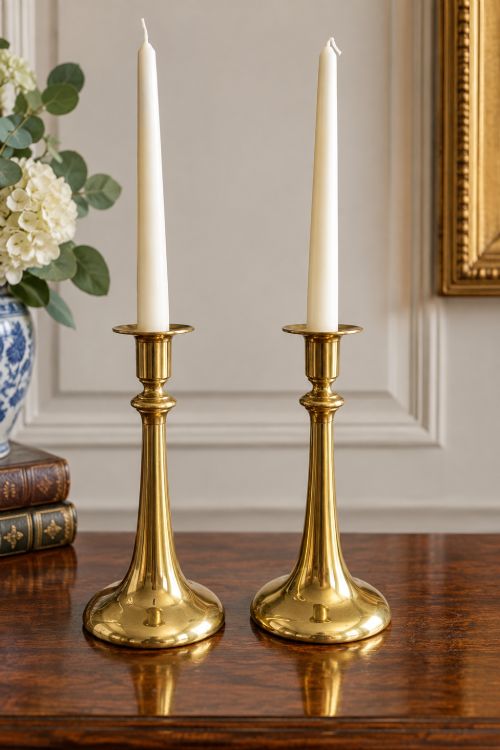
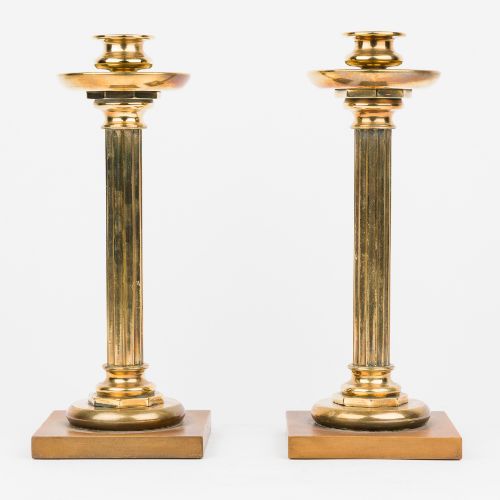
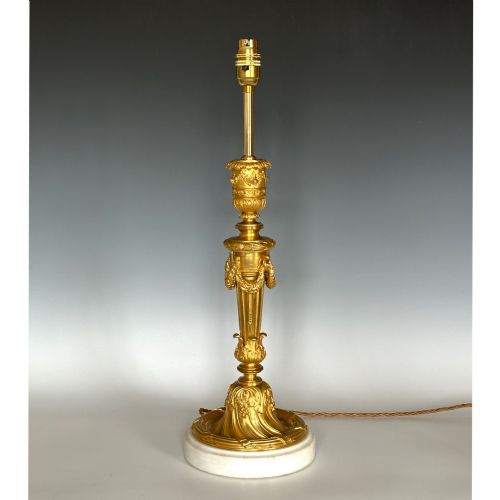
These vintage gold candlesticks bring together centuries of warm metalwork, ormolu and gilt bronze to illuminate tables and mantelpieces.
Vintage Gold Candlesticks
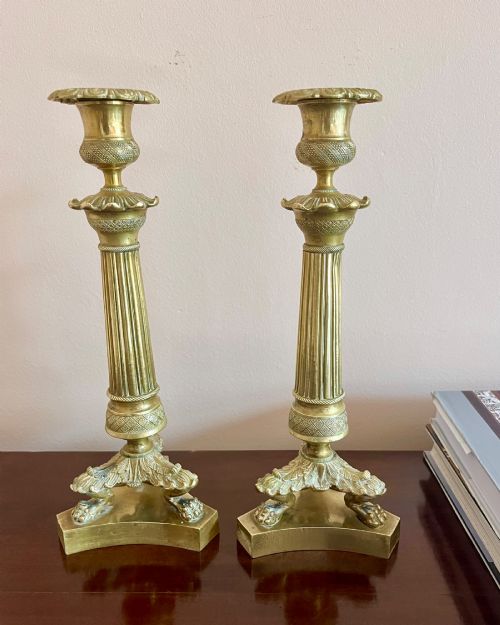
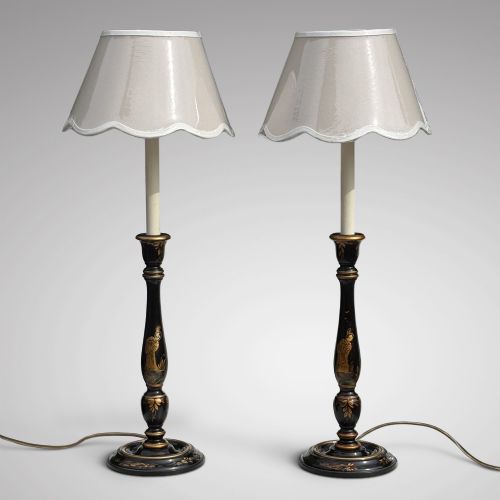
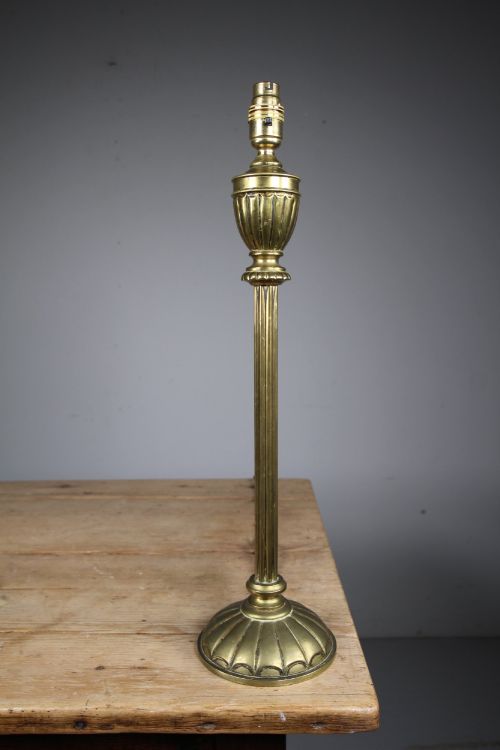
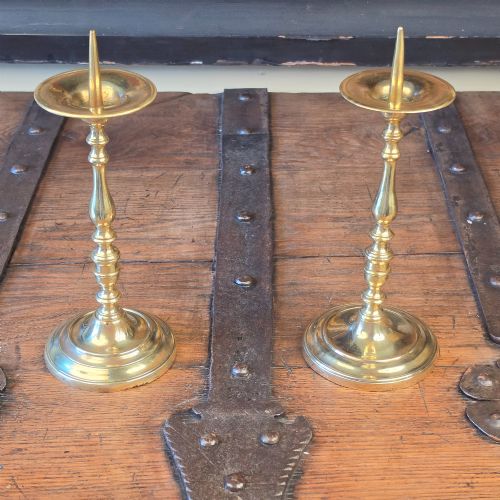
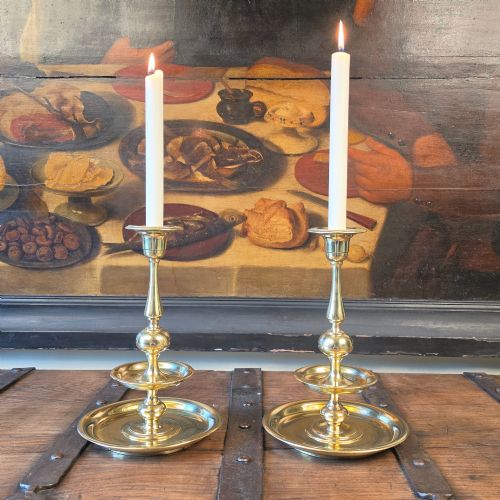
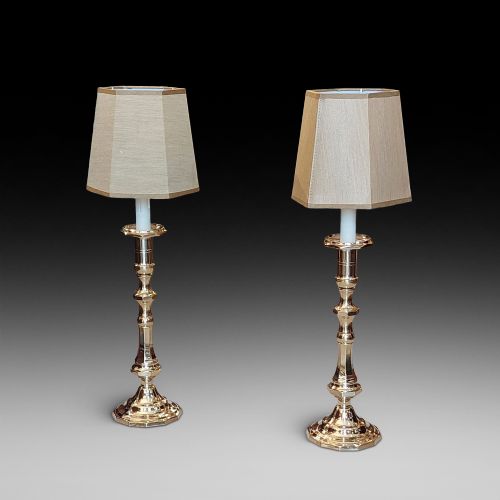
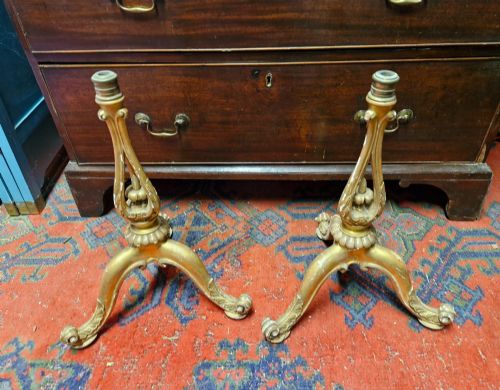
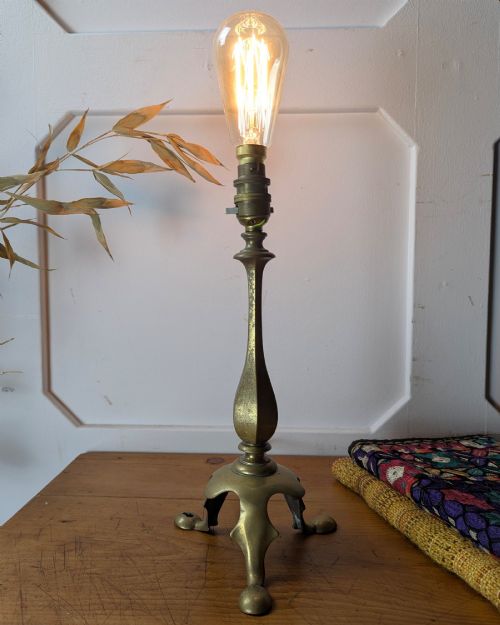
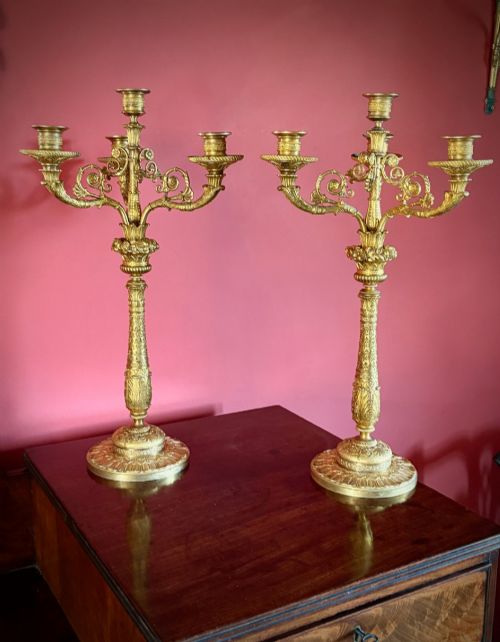
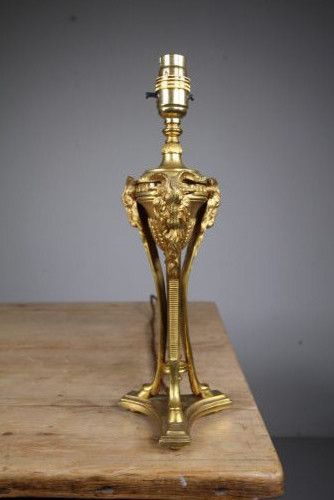
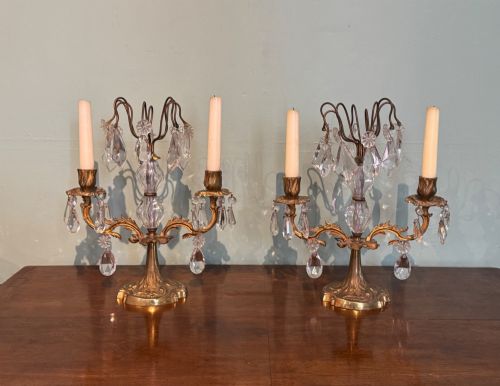
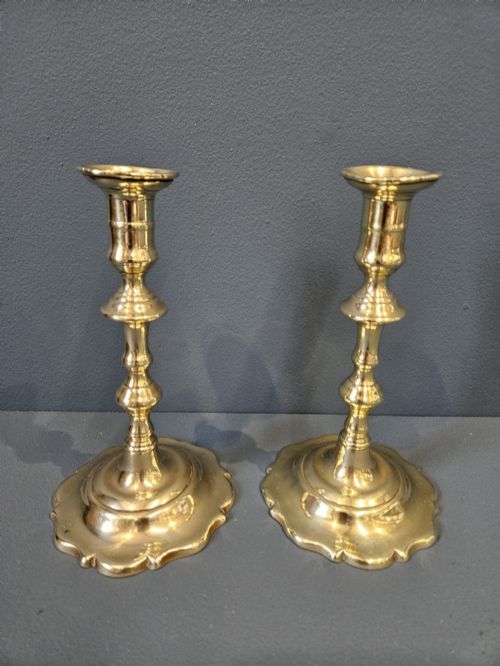
When you search for vintage gold candlesticks, you encounter a variety of yellow-metal lighting objects spanning the nineteenth century into the early twentieth century. The selection ranges from simple brass chambersticks and ejector designs to ornate French ormolu candelabras and converted table lamps.
Most examples originate from the Victorian and Georgian eras, alongside Edwardian and 1920s interpretations of earlier styles. These pieces function primarily as candle holders or wired lamp bases constructed to provide warm ambient illumination.
Forms include single candlesticks, balanced pairs, multi-branch candelabras and heavy pricket designs. Makers utilised brass, cast brass, bronze, gilt bronze and ormolu, sometimes mounting them on marble bases or combining them with timber and fabric.
How they were made
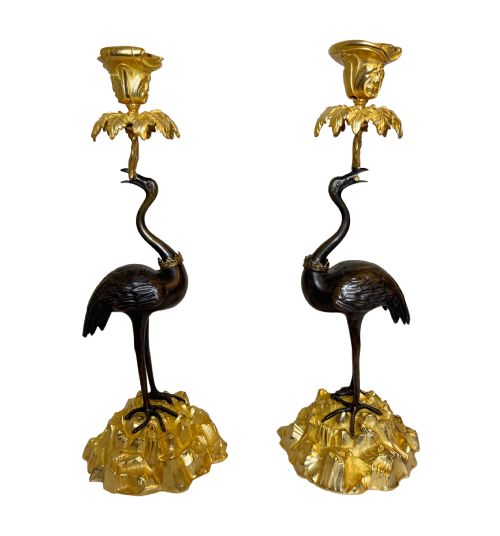
The construction relies heavily on casting and turning brass and bronze, finished with surface gilding or chemical patination to achieve the characteristic gold tone. Ormolu pieces involve the application of finely ground high-carat gold to a bronze base, creating a durable golden sheen.
Many items incorporate detailed chased ornament, cast motifs such as rams heads or flamingo details, and structural elements like hexagonal baluster forms or tripod bases. Later conversions often involve adapting these metal bodies to accept electrical fittings while retaining the original metalwork.
What varies in quality
The standard of the casting dictates the crispness of decorative details, separating mass-produced items from finely hand-chased examples. Heavier gauge metalwork and substantial proportions indicate superior material use and structural stability.
The integrity of the original gilt surface or ormolu finish defines visual richness. Pieces retaining their original gilding without excessive rubbing or modern re-plating hold greater authenticity.
J.T. & Co
The Vintage Gold Candlesticks Glossary
- Ormolu
- Gilt bronze, where a finely ground gold-mercury amalgam is applied to a bronze object and heated. This technique creates a rich golden finish characteristic of French decorative items.
- Pricket
- A sharp metal spike on a candlestick designed to skewer and hold a candle in place. These frequently appear on ecclesiastical or heavy nineteenth-century forms.
- Ejector
- A built-in internal mechanism found on certain nineteenth-century candlesticks that pushes the candle stub upward for easy removal. This practical addition aids in clearing remaining wax.
- Chamberstick
- A low, short candlestick fitted with a wide drip pan and a loop handle for carrying from room to room. They often sat on bedside tables or in hallways.
- Candelabra
- A branched candlestick holding multiple candles on separate arms. These pieces offer increased illumination and decorative symmetry.
Vintage Gold Candlesticks: Frequently Asked Questions
How do I clean gilt bronze?
Dust gently with a soft dry brush to remove surface particles without abrasive action.
Avoid chemical polishes that can strip the delicate gold layer from the underlying bronze.
Were these originally electrified?
Most antique pieces originally held wax candles before receiving electrical wiring later in life.
Many listings note conversions where lamps retain their antique metal bodies while serving modern electrical needs.
What is the difference between ormolu and brass?
Ormolu consists of applied gold leaf or mercury gilding over a bronze substrate for a rich golden appearance.
Brass is a solid alloy of copper and zinc offering a natural golden hue through the metal itself.
How do I date a brass candlestick?
Examine the construction marks, base weight, and manufacturing techniques such as casting seams or push-up ejectors.
Stylistic cues like Regency petal bases or Victorian ornamentation also help narrow down the period of origin.