



Late Victorian Candlesticks
When you examine late victorian candlesticks, you encounter eclectic metalwork and porcelain creations that illuminate late nineteenth-century interiors with distinct period character.
Late Victorian Candlesticks
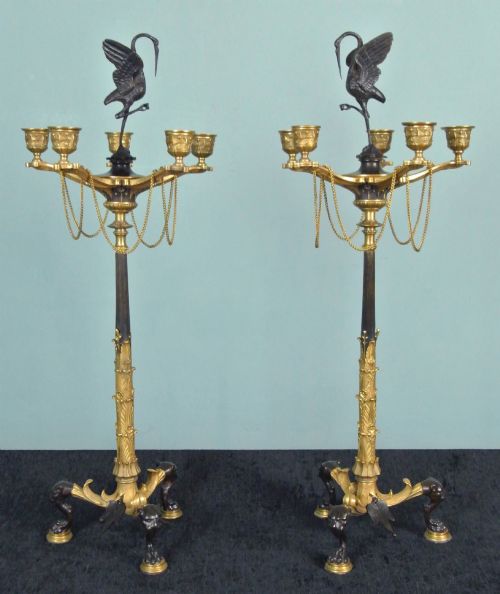
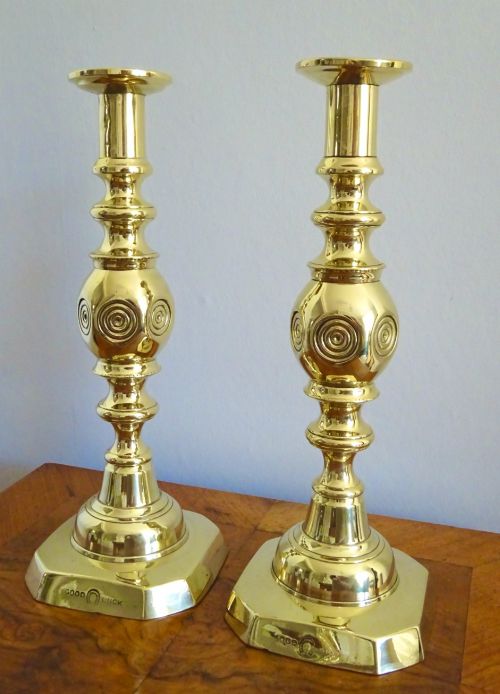
Late victorian candlesticks encompass a diverse array of lighting forms, ranging from simple chambersticks and brass table variants to elaborate porcelain figural groups and multi-branch candelabra.
Makers of this era embraced historicism and contemporary design movements, producing items that reflect Aesthetic Movement principles, Gothic revival motifs, and classical influences.
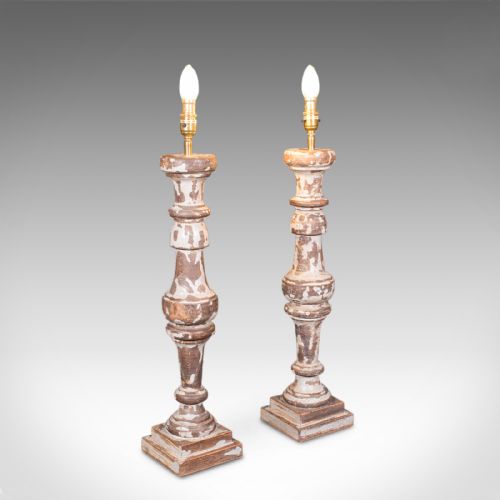
The selections span standard brass pairs, sterling silver examples hallmarked in cities like London and Chester, and converted lamp bases utilising painted pine or ceramic bodies.
How They Were Made
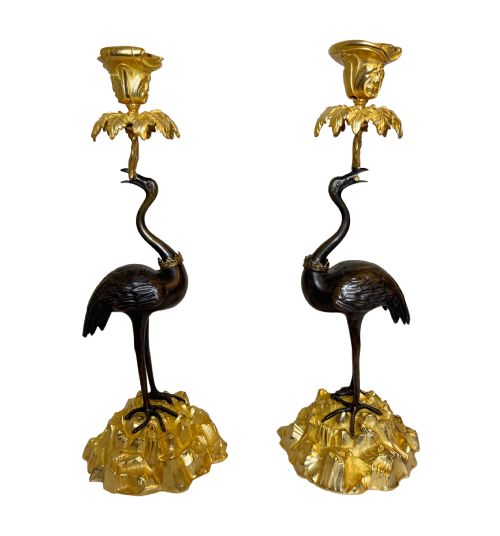
Metals dominate the construction methods, with brass, silver plate, sterling silver, and cast bronze or ormolu shaped through founding, spinning, and detailed chasing.
Porcelain elements from factories such as Volkstedt and Sitzendorf introduce painted allegorical figures and delicate ornamentation fused with metal mounts.
Alternative materials like tortoiseshell boulle-work, cut glass, pewter, and turned mahogany demonstrate the breadth of workshop capabilities during the period.
Late Victorian Candlesticks Retail Price Guide 2026
Typical asking prices for late victorian candlesticks among the pieces listed under this phrase on Sellingantiques today, from the lower quarter to the upper quarter. They describe what is for sale here now, not the wider market.
Listings feature brass, sterling silver, porcelain, and tortoiseshell materials across various candelabra and chamberstick forms.
What Varies in Quality
The standard of execution depends on the crispness of casting detail in bronze and brass components, where deeply chased motifs outperform shallow pressings.
Weight and balance distinguish higher tier examples, particularly in solid silver and heavy brass pairs designed to support tall tapers securely.
Artistic collaboration elevates specific pieces, as demonstrated by recognised designers and established firms applying careful proportion and unified styling.
Barbedienne·WMF·Frederick J Smith and Co·Dr Christopher Dresser·Sitzendorf·WM Tonks and Sons·James Hadley·Carrington and Co·Horace Woodward and Co·Thomas Bradbury and Sons
The Late Victorian Candlesticks Glossary
- Chamberstick
- A low candlestick fitted with a flat pan and a finger ring for carrying around a house. These portable light holders often included a small metal cone snuffer.
- Candelabra
- A branched lighting fixture designed to hold multiple candles simultaneously. Examples from this era frequently feature removable arms to convert into single sticks.
- Ormolu
- Gilded bronze utilised for decorative mounts and figural bases. This French technique imparts a rich golden sheen to cast metal components.
- Boulle-work
- An elaborate marquetry process employing tortoiseshell and brass inlay. This technique adorns luxury wooden bases and decorative surfaces.
- Pricket
- A sharp metal spike upon which a large candle is mounted directly. These contrast with standard socket cups that receive the taper base.
Late Victorian Candlesticks: Frequently Asked Questions
How do I clean antique brass safely?
Use a soft cloth and warm soapy water to remove accumulated dust without stripping historical patination. Avoid abrasive commercial metal polishes that can wear away delicate surface details.
Dry the metal thoroughly after cleaning to prevent spotting and preserve the original finish achieved over the decades.
Were these fixtures converted to electricity?
Many period examples undergo conversion into functional lamp bases to accommodate modern wiring while retaining their decorative forms. This modification often utilises existing structural channels without altering the outer metal or ceramic body.
Collectors should inspect the wiring pathways to confirm that the historic structure remains intact beneath any modern electrical components.
How do silver hallmarks help dating?
British silver hallmarks stamp the exact assay office, city, and year mark onto the metal surface. These official symbols provide precise chronological markers for sterling pieces.
Matching date letters against historical records confirms the exact year of manufacture and validates the authenticity of the item.