

Vintage Glass Vitrine
A vintage glass vitrine offers a transparent stage for objects, bringing light and order to collections.
Vintage Glass Vitrine
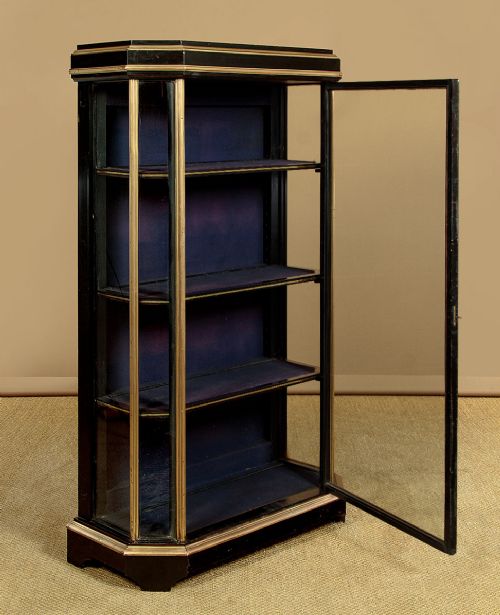
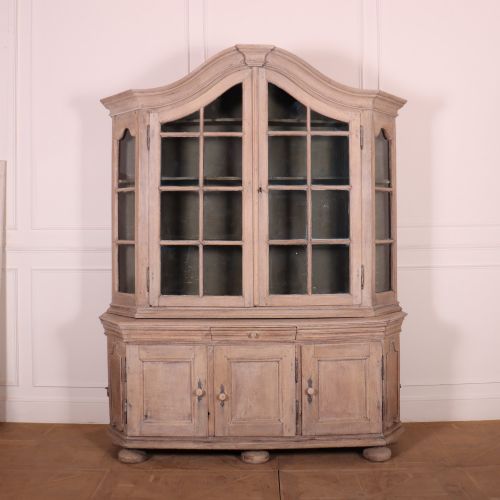
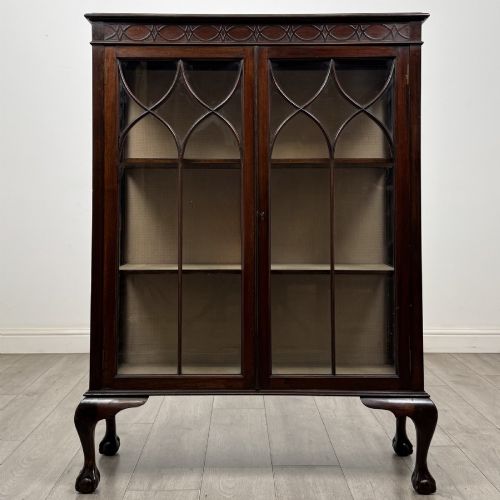
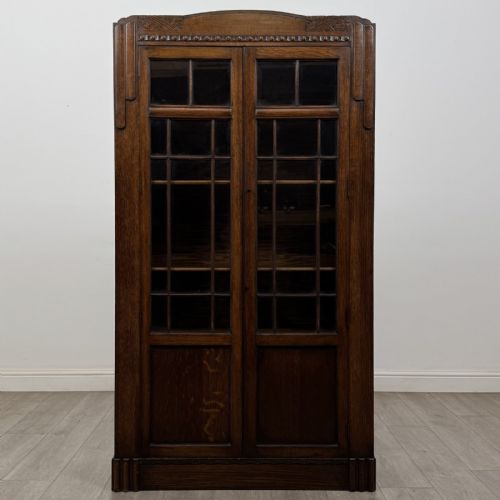
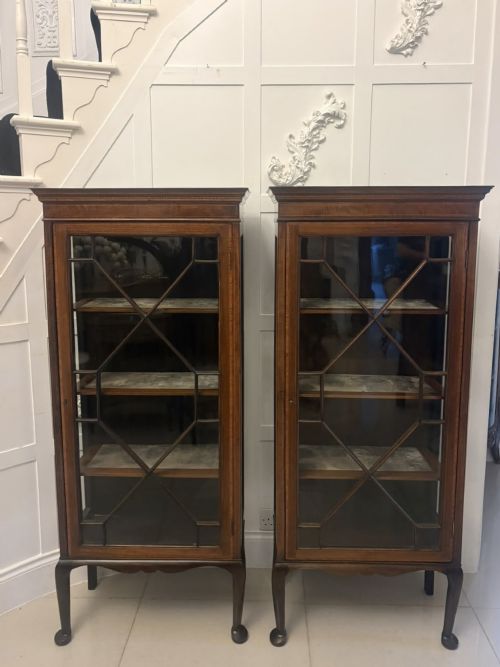
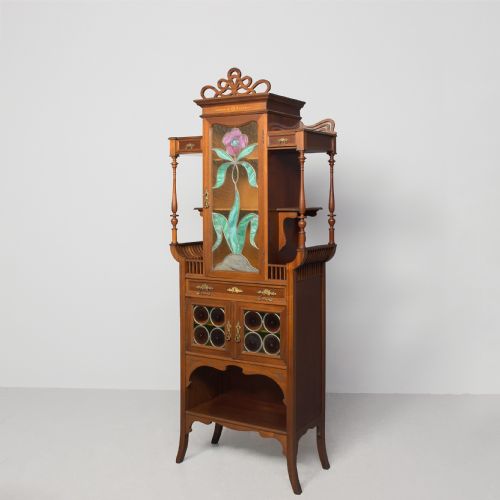
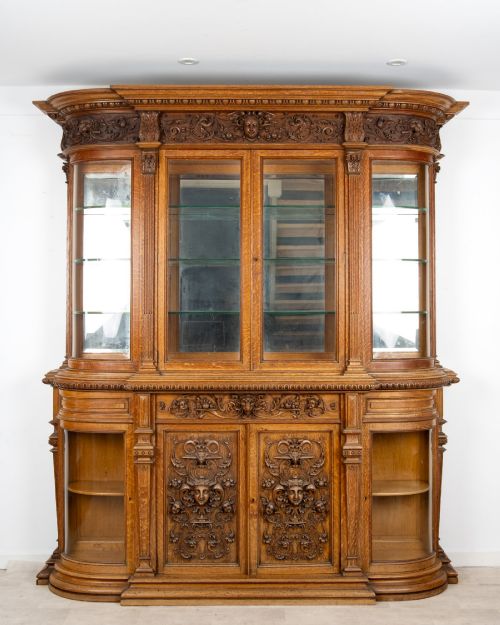
A vintage glass vitrine serves primarily as a display cabinet, designed to hold and exhibit precious items behind glazed doors or panels. These pieces emerge from periods spanning the late nineteenth century through the mid twentieth century, encompassing Edwardian and Art Deco designs alongside revival styles.
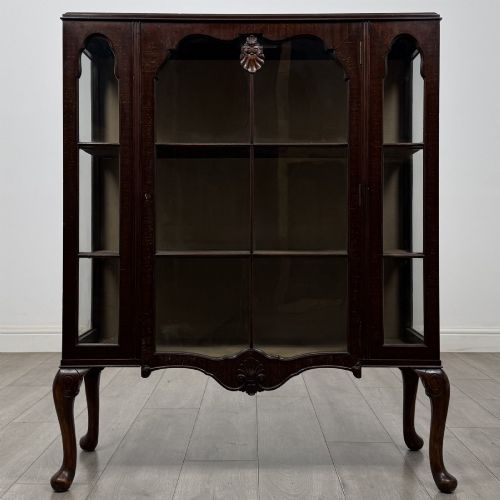
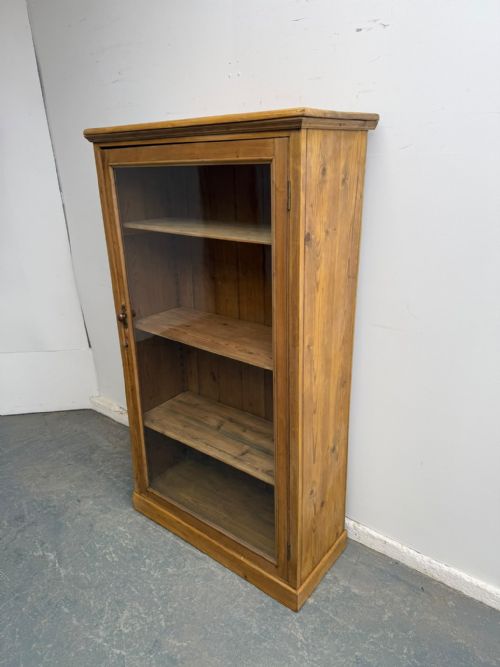
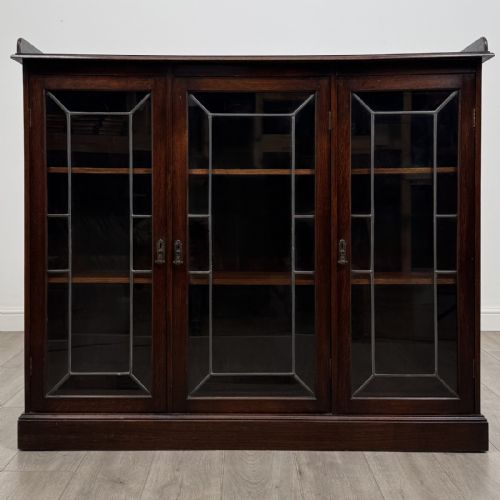
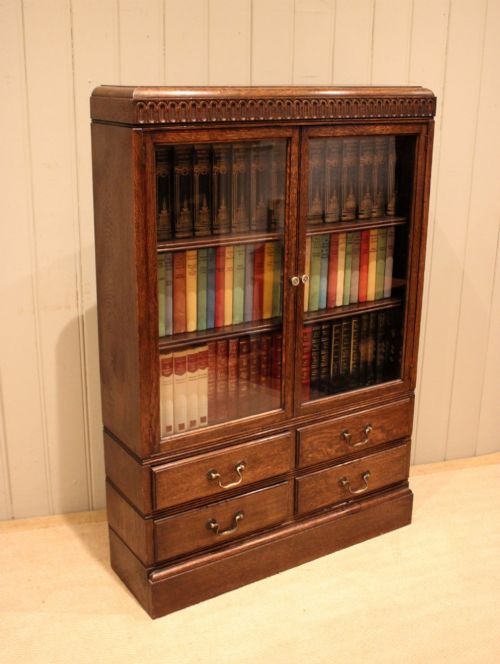
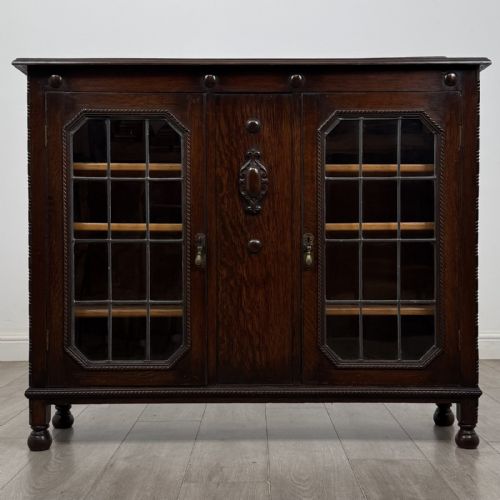
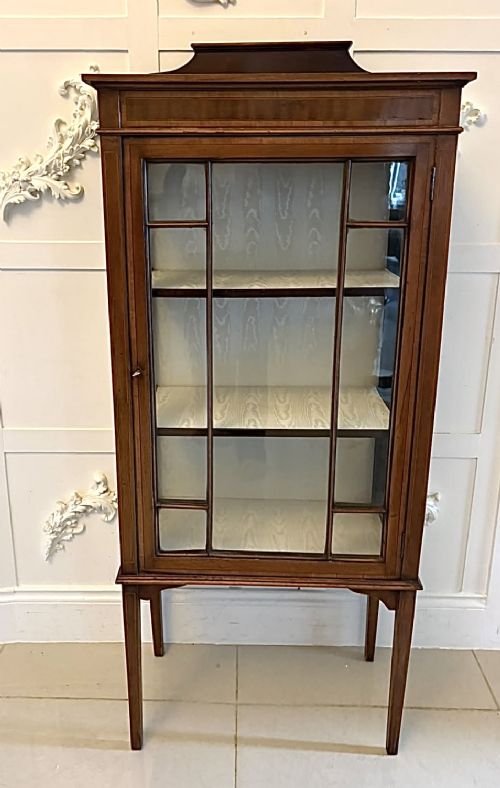
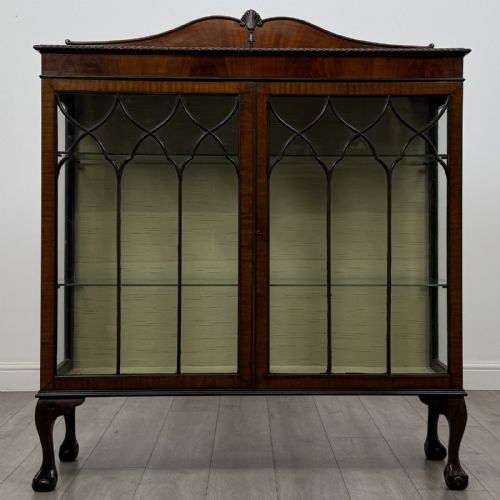
The most common versions on this page are Edwardian mahogany and oak display cabinets, often detailed with satinwood inlay or floral marquetry. Alongside upright freestanding cabinets, buyers encounter countertop display units, glazed bookcases, and glass-topped bijouterie tables intended for tabletop treasures.
Origins range from domestic English drawing rooms to commercial shops, producing both intimate pedestal vitrines and large double-door units. Walnut, kingwood, and painted finishes also appear, reflecting the diverse tastes of their original makers.
How they were made
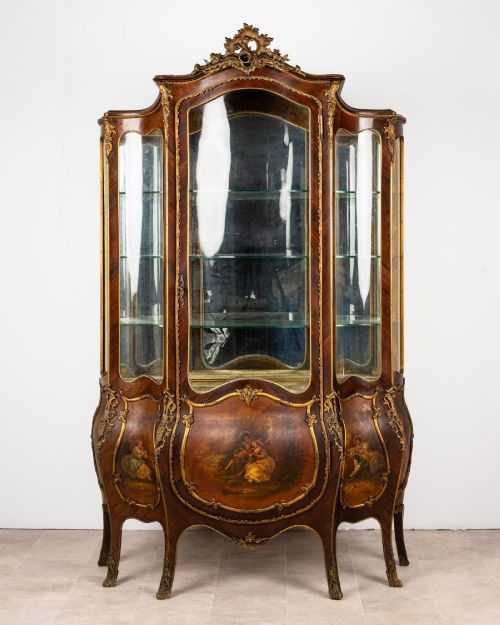
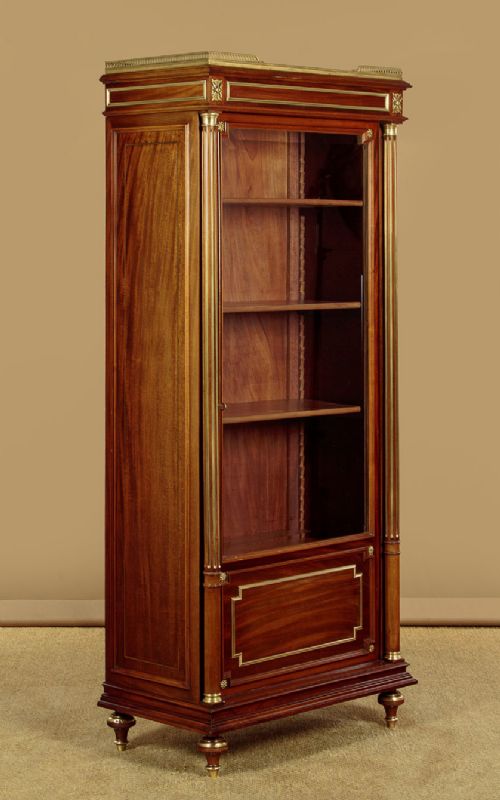
Cabinetmakers constructed these frames using solid timbers and veneers such as mahogany, oak, and walnut, frequently applying satinwood inlay or marquetry to enrich the exterior surfaces. Brass, ormolu mounts, and gilt metal hardware reinforce structural joints while adding decorative contrast to the timber.
Glazing forms the central functional element, requiring precise framing to support large glass panels and internal glass shelves safely. Fabric linings often back the interior spaces, offering a soft textural contrast to the reflective glass and polished wood.
Vintage Glass Vitrine Retail Price Guide 2026
Typical asking prices for vintage glass vitrine among the pieces listed under this phrase on Sellingantiques today, from the lower quarter to the upper quarter. They describe what is for sale here now, not the wider market.
Some shop cabinets retain the quiet echoes of trade, having spent a century guarding delicate trinkets before reaching the home.
What varies in quality
Quality rests in the crispness of the cabinetwork, from the fine execution of inlaid satinwood and carved mahogany details to the selection of figured walnut veneers. Superior examples maintain tight joints in their glazed doors and employ well-balanced proportions that elevate utilitarian display cases into accomplished furniture.
The sophistication of the hardware and secondary materials distinguishes fine workshop production from standard commercial output. Original bevelled glass panes, refined ormolu mounts, and adjustable internal shelving indicate a higher degree of initial craftsmanship.
F. Sage & Co·Maple & Co·François Linke
The Vintage Glass Vitrine Glossary
- Vitrine
- A glass-fronted cabinet designed for displaying fine objects or collections. They evolved from simple display cases into sophisticated architectural pieces of furniture.
- Bijouterie table
- A glass-topped display table specifically made for housing small valuables, medals, or jewellery. These tables often stand on slender legs with hinged glazed lids.
- Marquetry
- The art of applying decorative pieces of veneer to a structure to form intricate floral or geometric designs. Craftsmen select various coloured woods to create pictorial patterns.
- Satinwood
- A durable, lustrous timber from tropical trees used extensively for contrasting stringing and inlay work. Its pale golden colour brightens darker cabinet woods.
- Linenfold
- A style of wood carving that imitates folded linen panels, commonly found on oak furniture. This decorative motif adds texture to flat cabinet doors.
Vintage Glass Vitrine: Frequently Asked Questions
What is a vitrine used for?
A vitrine is used to display porcelain, glassware, silver, and small collections while protecting them from dust.
Historically placed in formal reception rooms, these cabinets allow objects to be viewed from multiple angles through glass panels.
How do I clean the glass shelves?
Glass shelves should be removed carefully and wiped down with a mild glass cleaner and a soft microfiber cloth.
Avoid spraying liquids directly inside the cabinet to prevent moisture from damaging the wooden frame or fabric backing.
Are vitrines suitable for small rooms?
Vitrines work well in compact spaces because their glass sides and doors reflect light and create an open visual feel.
Tall pedestal cabinets and countertop models provide display capacity without occupying excessive floor area.
How do I tell Edwardian from Art Deco?
Edwardian cabinets typically feature classical revival details, satinwood inlay, and carved mahogany frames influenced by eighteenth-century styles.
Art Deco examples embrace geometric shapes, streamlined symmetry, and circular or oval silhouettes with minimal surface ornamentation.