

Vintage Glass Table
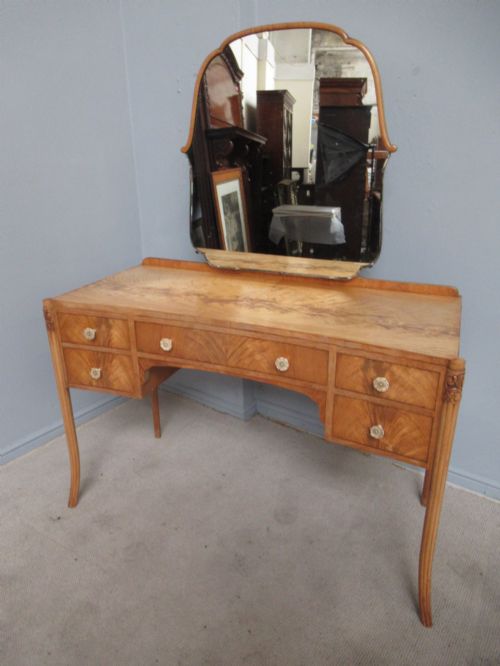
These vintage glass tables and allied forms span periods from the Victorian era to Art Deco, bringing distinctive reflective surfaces and classic frames into domestic interiors.
Vintage Glass Table
When searching for a vintage glass table, buyers frequently encounter related display pieces, occasional lamp tables, and illuminated forms from the nineteenth and twentieth centuries.
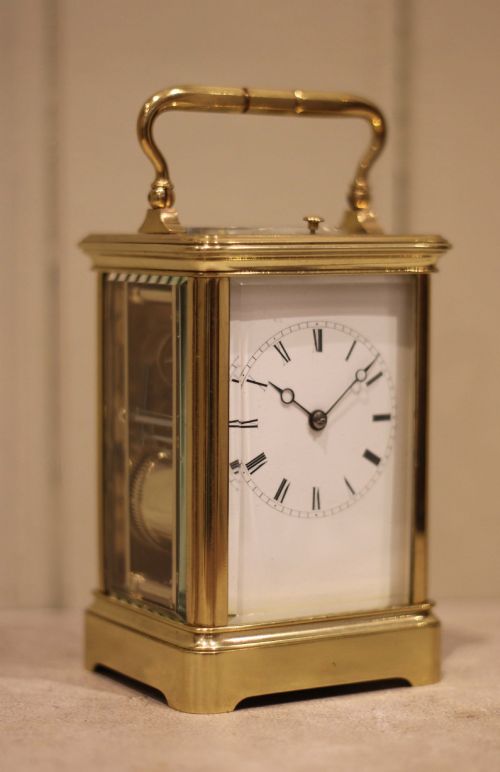
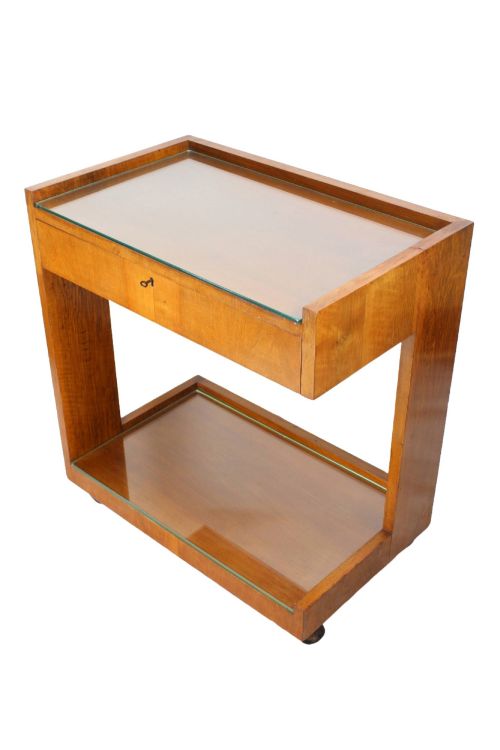
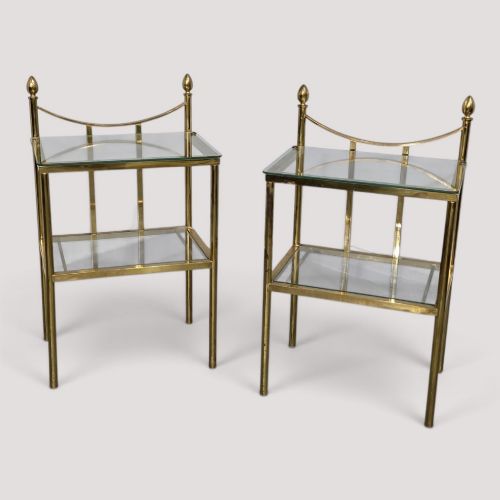
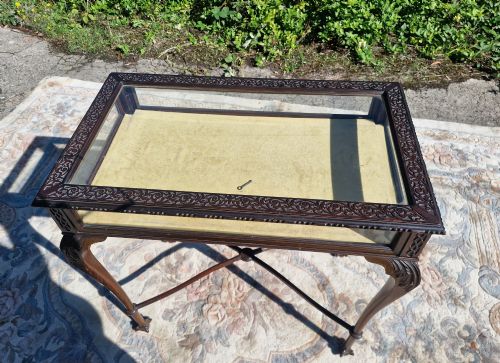
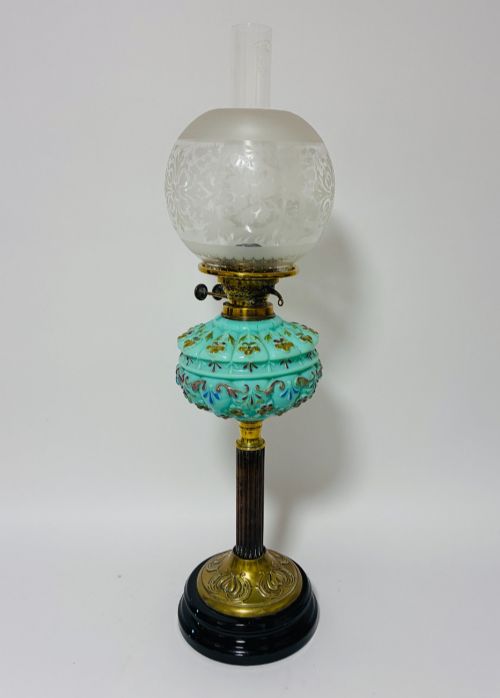
The selection here encompasses items ranging from Edwardian mahogany bijouterie display tables and Art Deco walnut trolleys to brass and glass lamp tables.
Origins stretch across British, French, and American workshops, drawing on styles such as Art Deco, Edwardian, Victorian, and Georgian.
How they were made
Construction relies on combinations of glass paired with traditional timber frames like mahogany, walnut, and maple, alongside structural metal elements in brass and sterling silver.
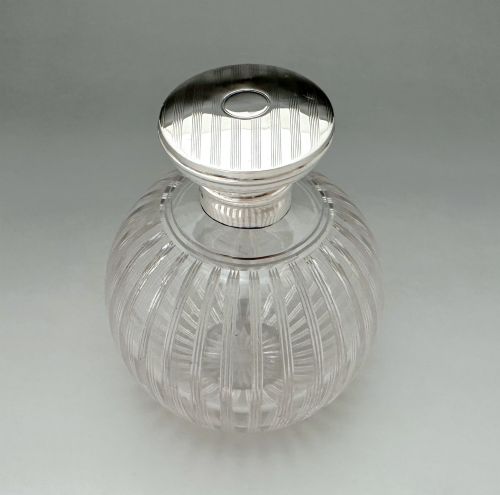
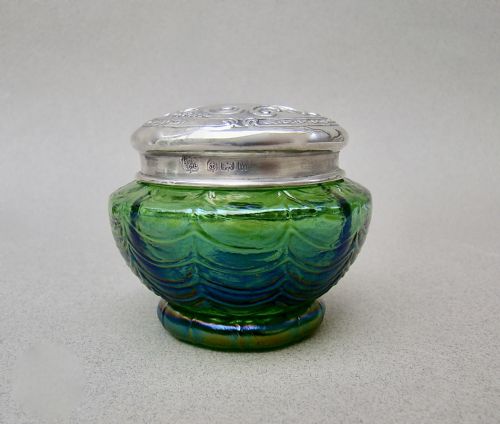
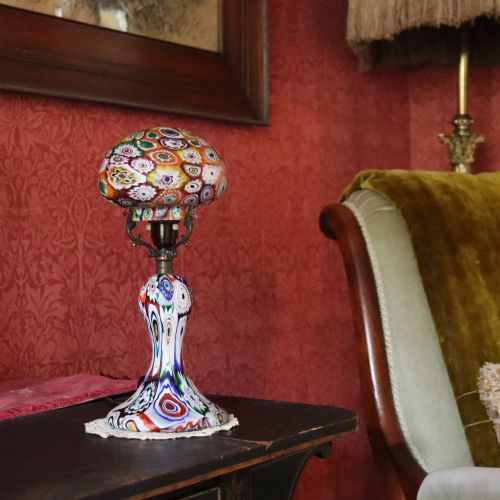
Makers utilised cut, overshot, and satin glass techniques for transparent and decorative components, integrating them securely into wooden or cast metal chassis.
Several tables roll on wheels, proving that even nineteenth-century ancestors appreciated the convenience of mobile tea and display trolleys.
What varies in quality
Distinctions in quality rest on the precision of the joinery in timber frames and the clarity, weight, and cut of the glass elements.
Purity of metal mounts, whether brass, silver, or plate, along with the integration between glass panels and their supporting structures, determines the standard of manufacture.
A. J. Pepper & Co·Henry Clifford Davis·Fratelli Toso·A. Bromet & Co·Heal & Sons·Stiffel USA·Stevens & Williams·François Linke·Tonnel Paris
The Vintage Glass Table Glossary
- Bijouterie table
- A glass-topped display table designed specifically for showcasing small valuable objects, medals, or trinkets. These typically feature hinged glazed lids.
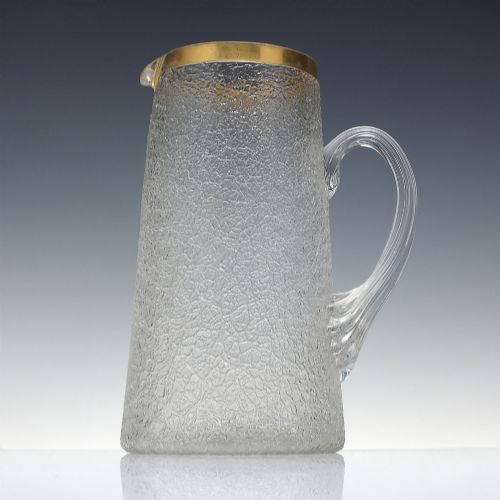
- Overshot glass
- A type of nineteenth-century glassware rolled over hot threads of glass to create a textured, icy exterior surface. This technique produces a tactile finish.
- Bijouterie
- Small decorative items and jewellery displayed within specialised glazed cabinets or tables. The term also describes the furniture built for this purpose.
- Cut glass
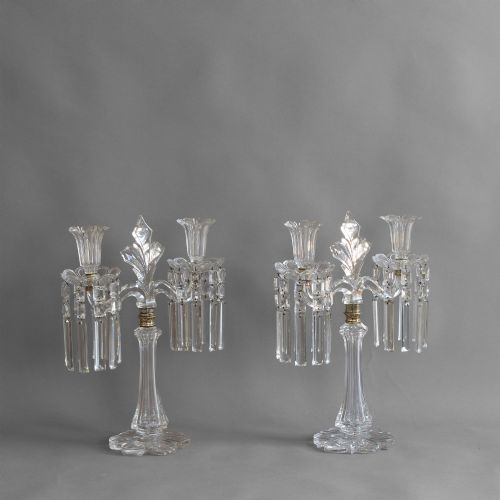
- Glassware shaped and patterned through abrasive wheel cutting to create deep, light-reflecting facets. This process demands considerable skill from the artisan.
Vintage Glass Table: Frequently Asked Questions
What periods do these glass tables and related pieces come from?
The available items span several design eras, including Victorian, Edwardian, and Art Deco periods, alongside nineteenth-century examples.
Craftsmanship reflects the prevailing aesthetic movements of those decades, using materials characteristic of each specific time frame.
How were glass display tables used originally?
Owners utilised bijouterie and display tables in drawing rooms to exhibit small collectibles, fans, and personal treasures safely under glass.
This kept delicate items free from dust while allowing visitors to inspect them easily from above.
What woods are commonly found with these glass tables?
Makers employed traditional cabinet timbers such as mahogany, walnut, maple, and kingwood for the frames and supporting legs.
These hardwoods provided the structural strength required to support heavy glass tops and display compartments.
How do I care for vintage glass furniture?
Cleaning requires simple, non-abrasive solutions applied to soft cloths to protect both the glass surfaces and the surrounding wooden or metal frames.
Harsh chemicals should be avoided to preserve original patinas on brass mounts and polished timber.