




Vintage Geometric Carpet
A vintage geometric carpet brings pattern and age to a floor, combining tribal designs with durable materials.
Vintage Geometric Carpet
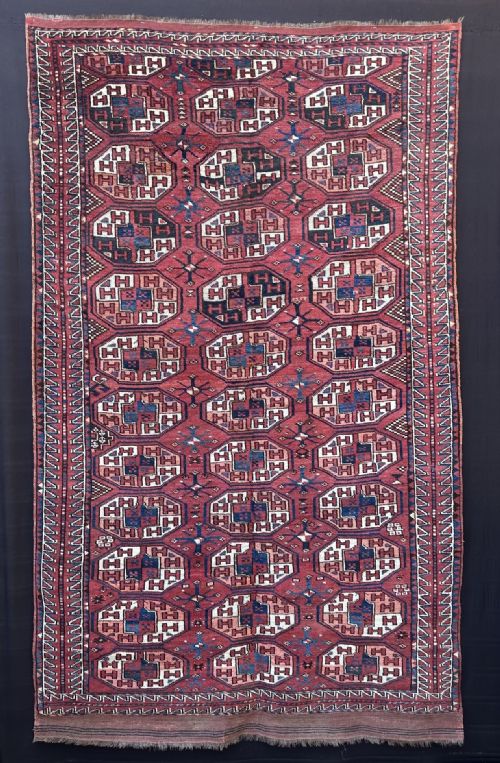
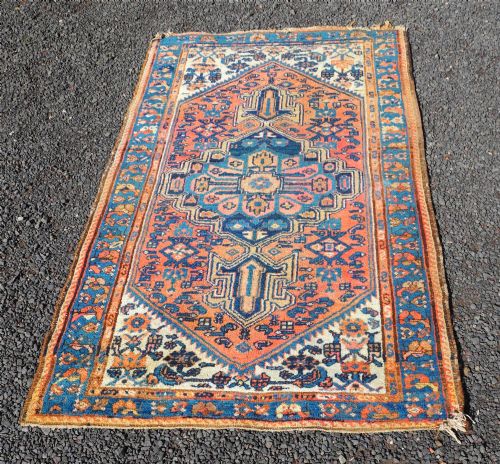
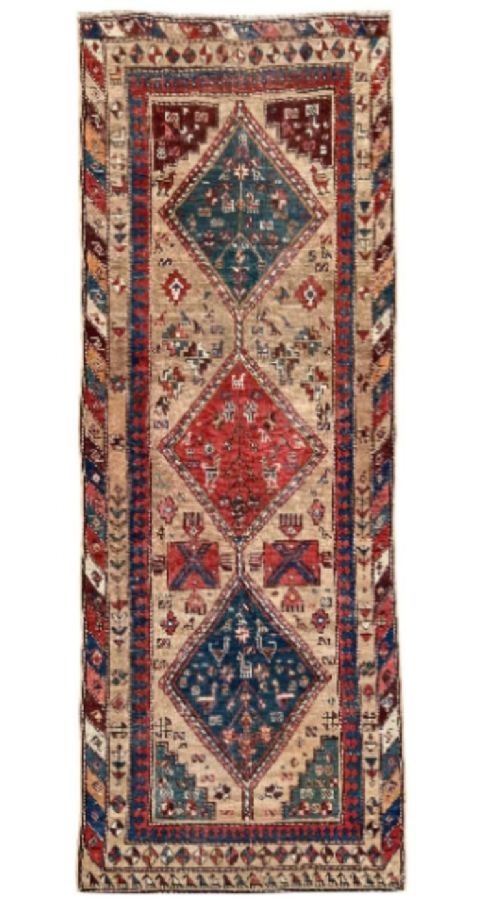
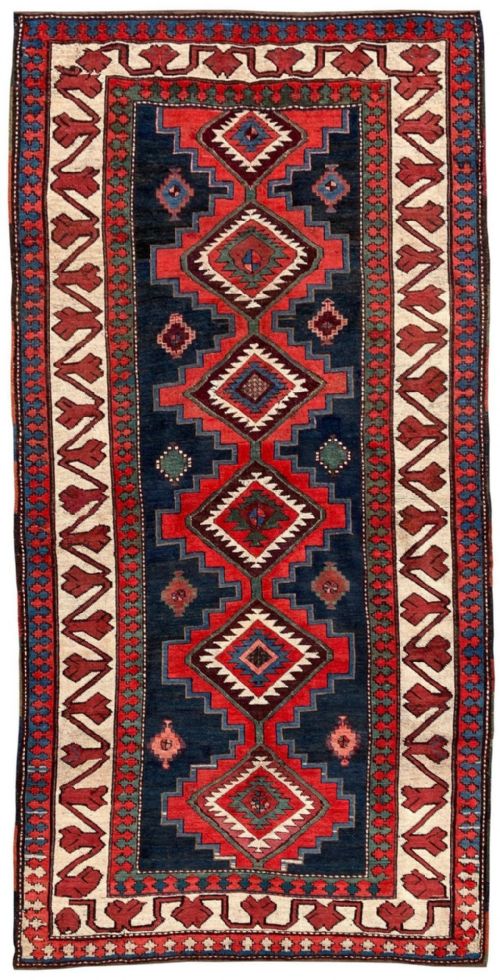
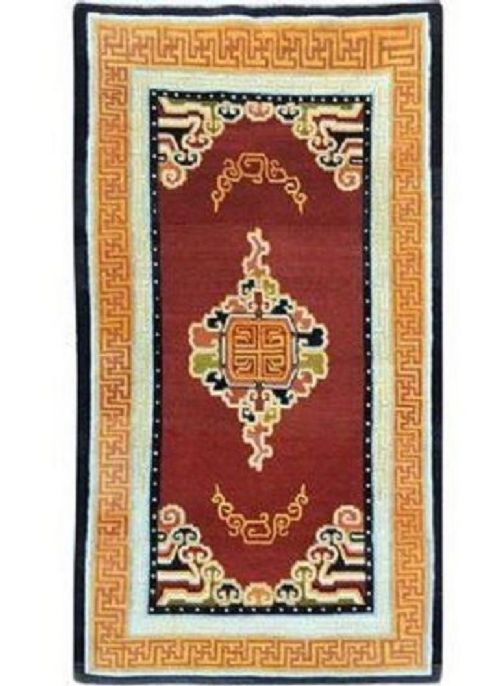
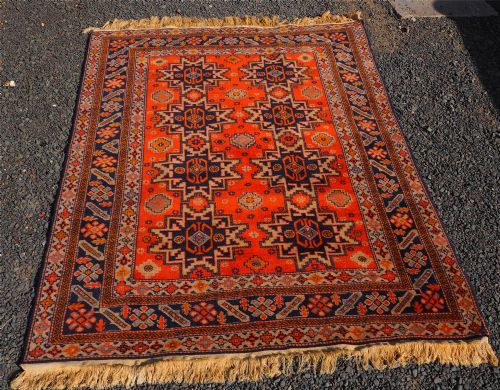
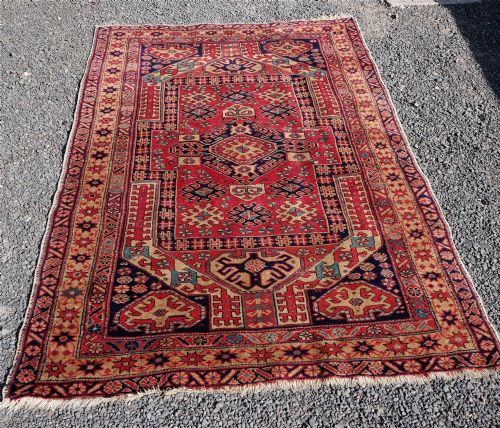
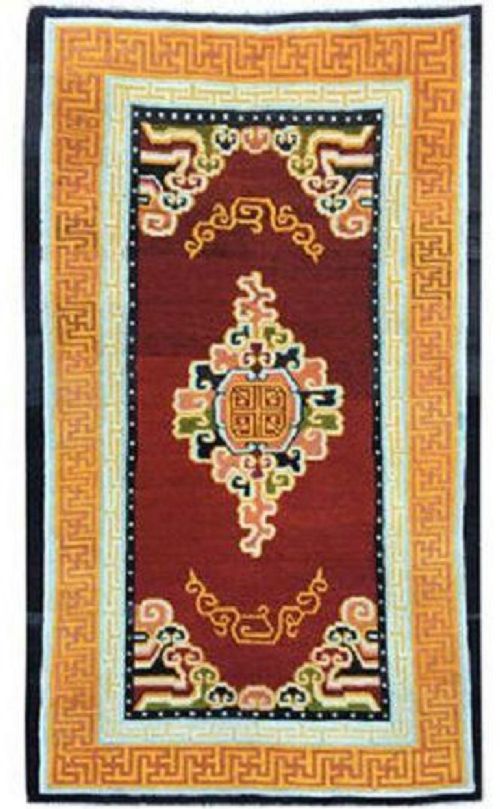
A vintage geometric carpet encompasses floor coverings featuring angular patterns, medallions, and lattice designs originating from various weaving traditions. When searching for a vintage geometric carpet, buyers encounter pieces that span from the late nineteenth century through to the early decades of the twentieth century.
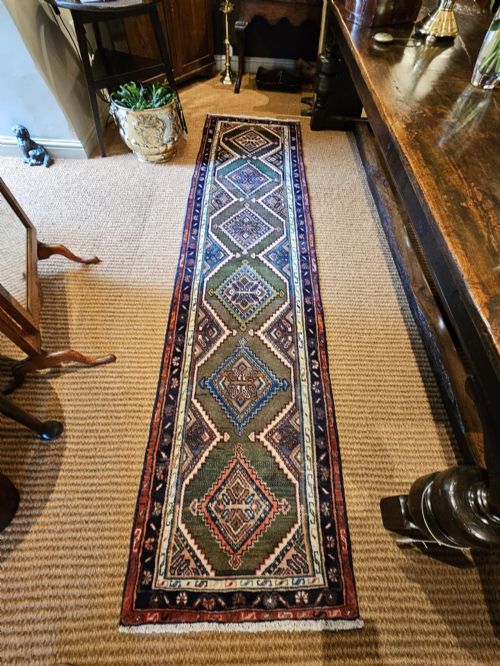
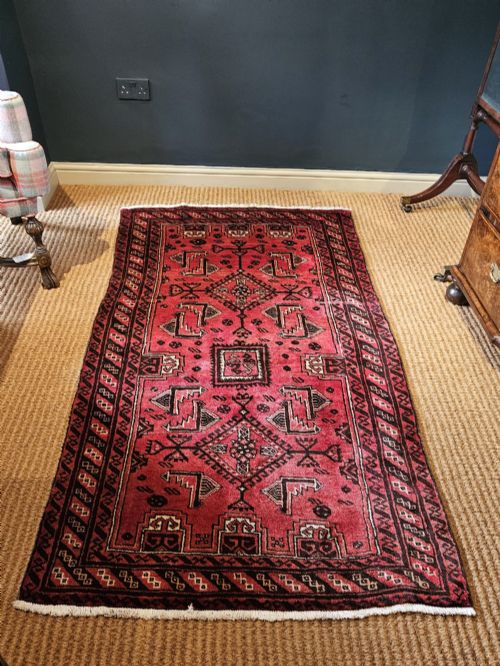
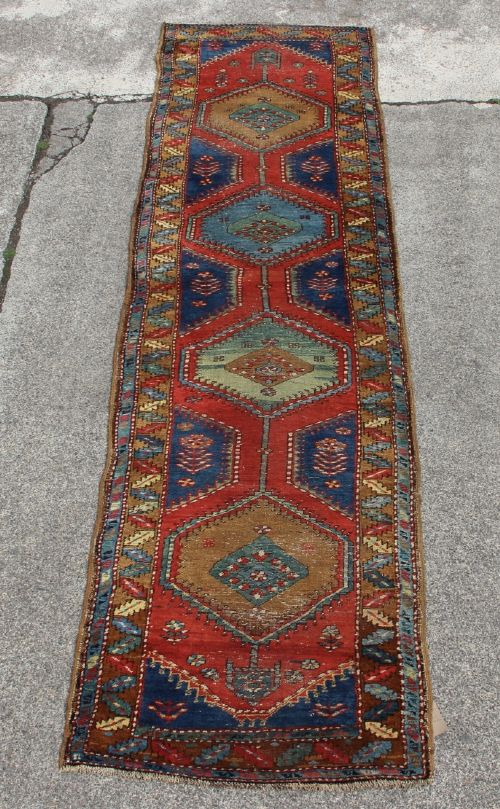
The selection here includes regional rugs, long runners for hallways, and smaller village carpets originating from Persia, the Caucasus, Turkey, Turkmenistan, and Tibet. These textiles range from Kurdish and Baluch tribal pieces to Heriz, Kazak, and Afshar productions.
How they were made
Weavers constructed these carpets predominantly using hand-spun wool and pure wool, often paired with cotton foundations for structural stability. Natural dyes provided the palette, yielding warm reds, olive greens, and mellow colours that developed character over time.
Certain Moroccan examples utilise sabra cactus silk, introducing alternative textures alongside traditional pile weaves. Hand-knotting and hand-weaving techniques ensured durable structures designed for heavy daily use in country houses and village settings.
Materials documented across the inventory include pure wool, hand-spun wool, cotton foundations, and sabra cactus silk.
What varies in quality
The standard of a woven carpet depends on the precision of the knotting, the complexity of the tribal design, and the integrity of the wool. Finely spun wool holds dye more evenly and retains structural resilience across decades of friction.
Distinction also lies in the saturation and retention of natural dyes, alongside the balance of the regional motifs such as cruciform medallions and lattice fields. Tribal pieces with clear provenance and untouched edges command greater attention from collectors.
The Vintage Geometric Carpet Glossary
- Pile
- The upright yarn loops or tufts forming the textured surface of a carpet. This layer absorbs foot traffic and displays the woven design.
- Medallion
- A central ornamental motif set within the field of a rug. It anchors the geometric symmetry of the composition.
- Lattice
- An open network of intersecting diagonal lines forming repeating geometric compartments across the carpet field. This framework often encloses smaller stylised floral or tribal motifs.
- Runner
- A long, narrow carpet format designed specifically for corridors, staircases, and hallways. These pieces accommodate restricted floor spaces while displaying continuous pattern repeats.
- Natural dye
- Colouring matter derived from plants, insects, or minerals rather than synthetic chemicals. These dyes yield nuanced tones that age with subtle variation.
Vintage Geometric Carpet: Frequently Asked Questions
Where should I place a runner rug?
Runners suit narrow spaces such as hallways, corridors, and galley kitchens where linear floor coverage adds warmth and texture. Their elongated format directs movement through domestic interiors while protecting high-traffic wooden or tiled flooring.
Ensure the dimensions leave a consistent border of exposed floor around the perimeter of the space. Measure the clearance required for doors to open freely over the pile thickness before positioning the piece.
How do I identify a tribal rug?
Tribal rugs typically feature asymmetric designs, bold geometric motifs, and abrash colour variations woven by nomadic or village communities rather than urban workshops. Common indicators include stylised animals, hooked polygons, and symbolic tribal markers passed down through generations.
The materials often reveal hand-spun wool with organic irregularities in the yarn texture and dye absorption. These pieces reflect the specific regional heritage of weavers from areas such as the Caucasus, Kurdistan, or Baluchistan.
How do I care for wool carpets?
Regular gentle vacuuming without a rotating brush roll prevents dust accumulation within the wool pile. Promptly blot liquid spills with a clean, dry white cloth rather than rubbing the fibres.
Rotate the carpet periodically to ensure even exposure to foot traffic and sunlight. Professional cleaning by specialists in antique textiles maintains the integrity of natural wool and organic dyes.
What defines an Anatolian rug?
Anatolian rugs originate from the regions of Turkey and typically incorporate distinctive village or prayer designs with rich historical symbolism. These pieces often utilise double knots and sturdy wool foundations suited for everyday utility.
The colour palettes frequently rely on saturated reds, blues, and earthy tones derived from native plants. Geometric borders and central mihrab arches distinguish these regional pieces from Persian or Caucasian counterparts.