

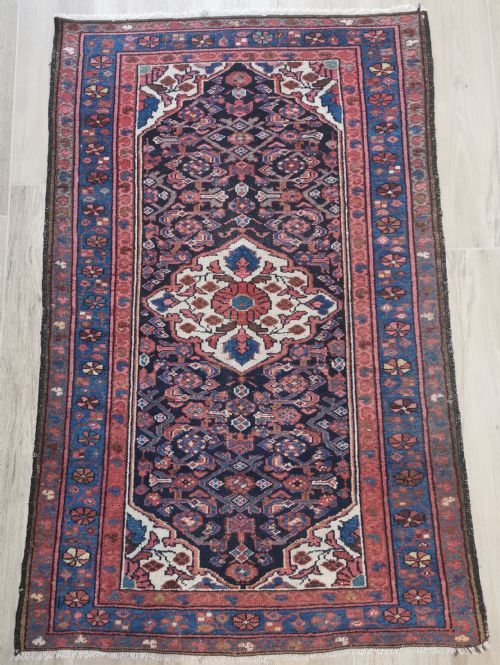

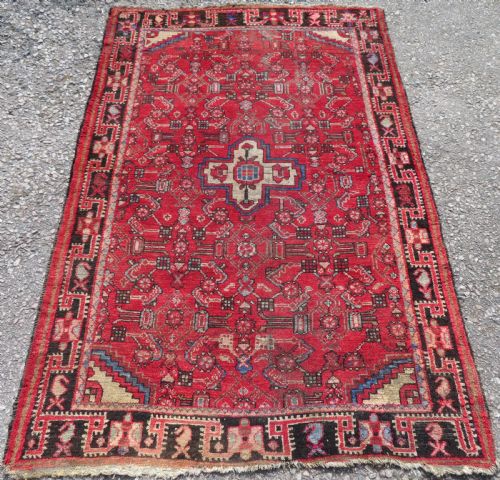
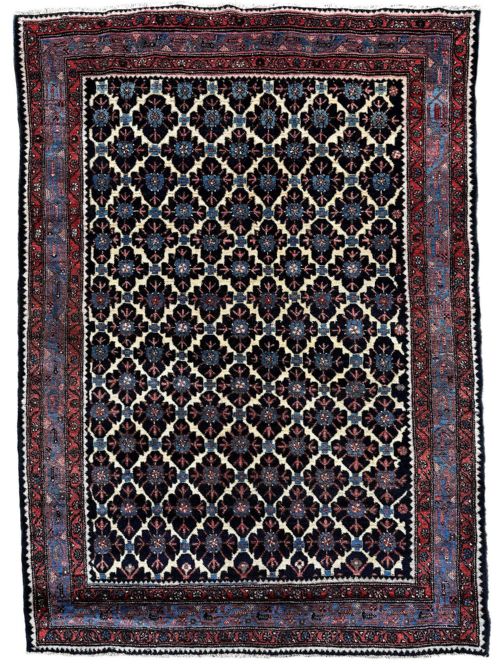


Hamadan Wool Rug
A hamadan wool rug brings enduring West Persian tribal warmth and rich village character to any interior.
Hamadan Wool Rug
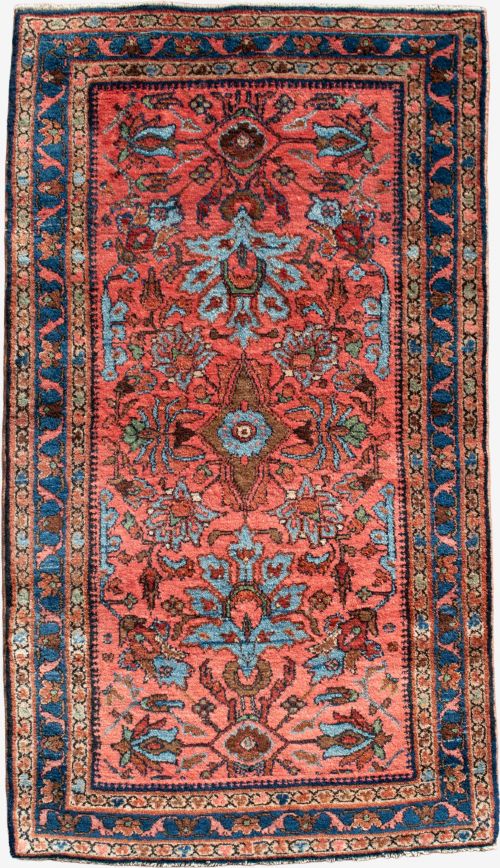
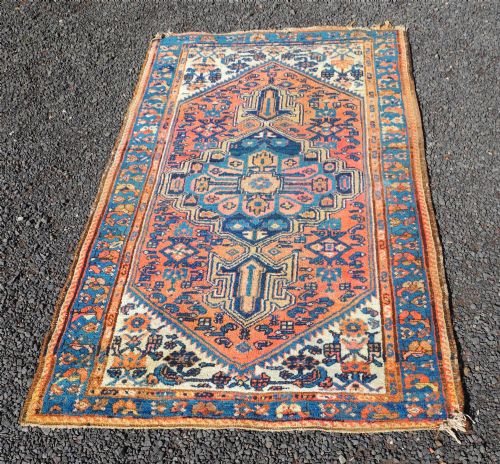
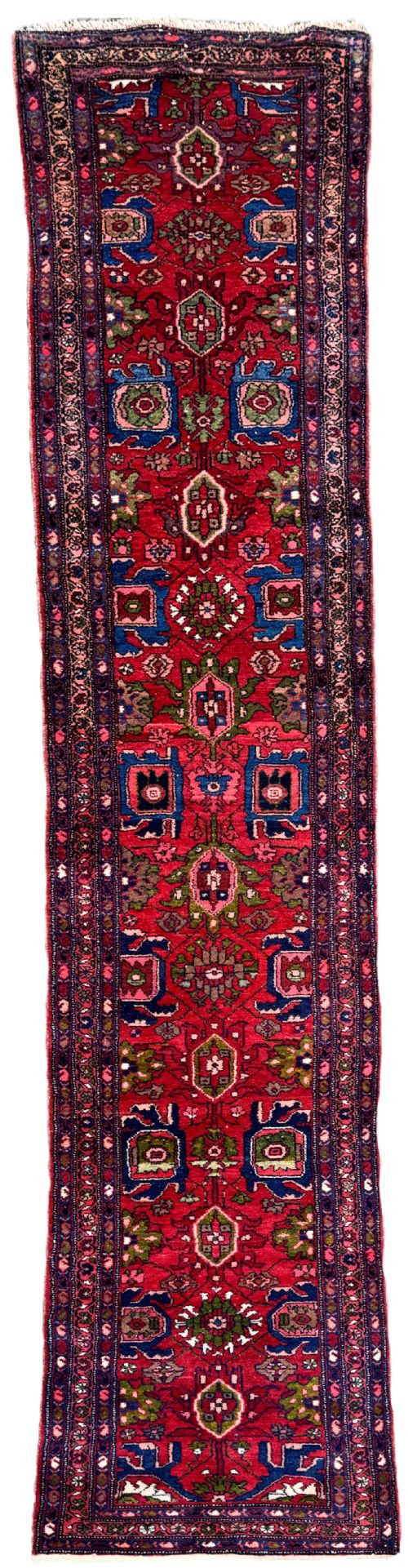
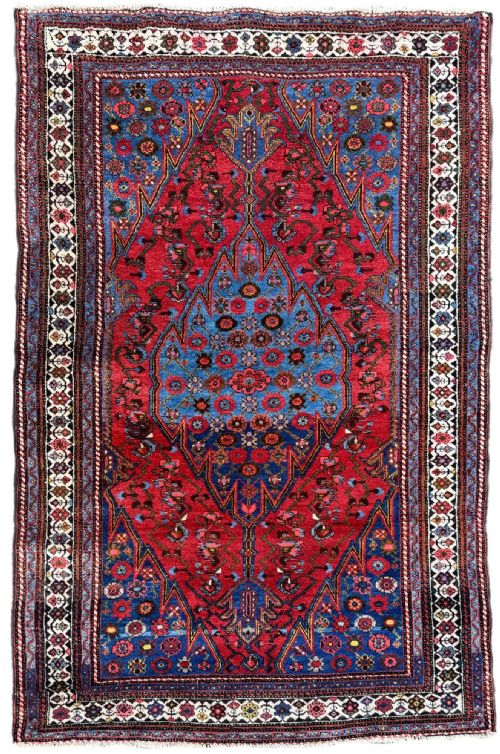
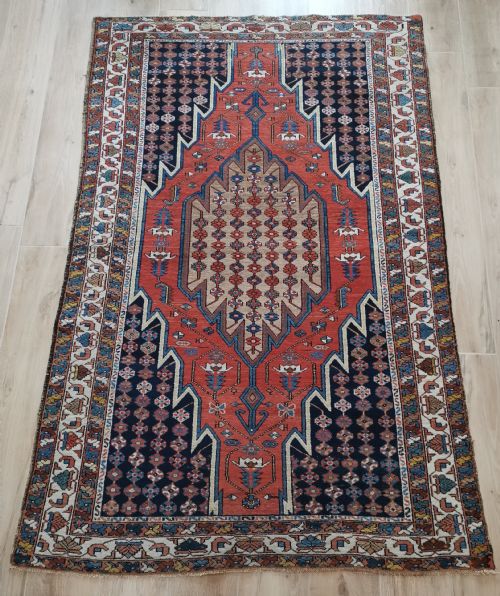
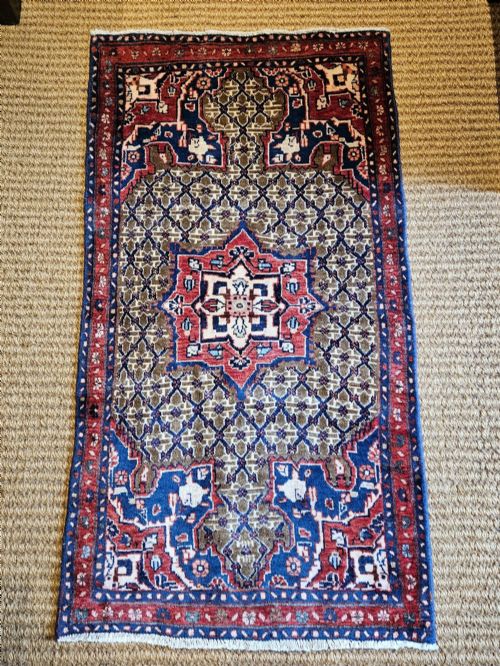
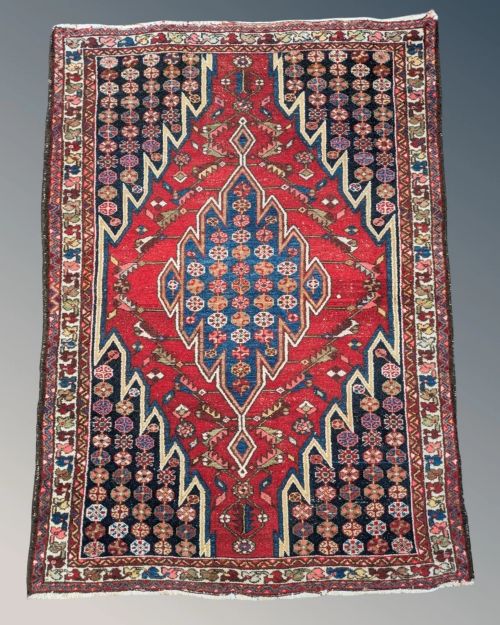
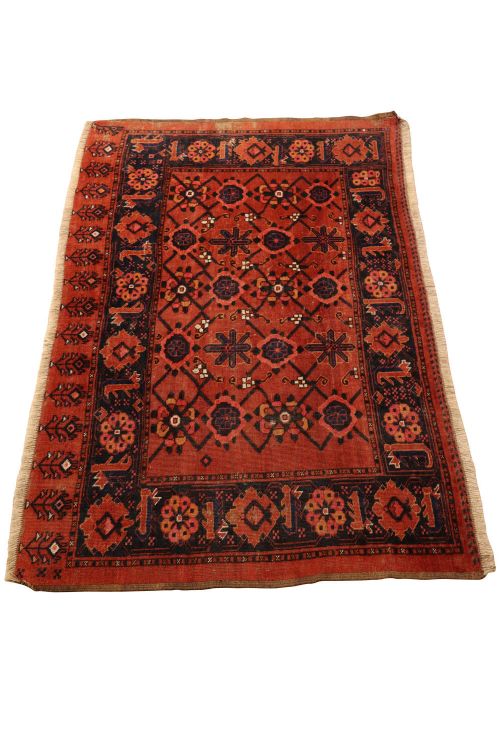
A hamadan wool rug represents the diverse weaving traditions of western Persia, encompassing village and tribal outputs that span the late nineteenth and early twentieth centuries. You will most frequently encounter rectangular area rugs and long hallway runners dating from the 1900s to the 1930s.
The selection includes specific regional variants such as Mazlaghan, Mishan Malayer, and Kurdish pieces alongside standard Hamadan floor coverings. These textiles range from compact hearth-sized mats to substantial kelleh carpets suited for larger reception spaces.
How hamadan wool rug items were constructed
These floor coverings utilise hand-knotted wool pile secured on sturdy cotton foundations, providing the structural resilience required for daily domestic use. Artisans relied on traditional village workshops and nomadic setups to produce dense, hard-wearing floor coverings.
Natural dyeing traditions combined with durable wool yarns to create deep tones that mellow gracefully over decades of foot traffic and exposure to light.
Hamadan Wool Rug Retail Price Guide 2026
Typical asking prices for hamadan wool rug among the pieces listed under this phrase on Sellingantiques today, from the lower quarter to the upper quarter. They describe what is for sale here now, not the wider market.
Some runners measure over ten metres long, suggesting they once lined the grand corridors of long-forgotten homes.
What varies in quality
Knot density and the fineness of the wool pile dictate the structural integrity and tactile pleasure of the weave. Tightly packed knots yield crisper geometric and floral motifs that hold their form securely.
The nuance and saturation of the dye palette contribute significantly to the visual depth of the piece. Uniformity in the foundation and balanced proportions across the field elevate the standing of individual carpets.
The Hamadan Wool Rug Glossary
- Hamadan wool rug
- A hand-knotted floor covering originating from the western Persian hub of Hamadan and its surrounding villages. These textiles typically combine wool pile with cotton foundations.
- Runner
- A long, narrow carpet format designed specifically for hallways, corridors, and staircases. This elongated shape accommodates restricted spatial layouts while adding patterned warmth.
- Kelleh
- A large format rectangular carpet, traditionally longer than it is wide, positioned centrally in substantial rooms. These pieces offer expansive fields for complex tribal designs.
- Hand-knotted
- A meticulous construction method where individual lengths of yarn are tied manually around the warp threads. This technique creates a secure pile that withstands generations of wear.
- Mazlaghan
- A distinct style of village rug associated with the Hamadan region, frequently recognised by bold central medallions and contrasting geometric borders.
Hamadan Wool Rug: Frequently Asked Questions
Where should I place a runner?
Runners suit narrow spaces such as hallways, landings, and corridors where traditional rectangular carpets do not fit. Their elongated format bridges rooms while protecting high-traffic wooden or tiled floors.
Ensure you measure the walkway carefully and allow a neat margin of bare floor around the edges to frame the pattern properly.
How do I clean my wool rug?
Regular gentle vacuuming without a rotating brush bar keeps dust from settling deep into the wool pile. Address spills immediately by blotting with a clean, dry cloth rather than rubbing the fibres.
Professional specialist cleaning is recommended every few years to preserve the integrity of the natural dyes and the cotton foundation.
Are these rugs durable enough for daily use?
These hand-knotted wool textiles were built for enduring household utility in busy domestic settings. The combination of dense wool pile and sturdy cotton warps handles everyday foot traffic remarkably well.
Using a quality underlay beneath the floor covering prevents slipping and reduces friction between the backing and the floorboards.
How do I identify a regional Persian weave?
Regional attribution relies on examining specific design motifs, colour palettes, and structural characteristics such as edge finishing and knotting style. Village weavers often incorporated geometric interpretations of traditional floral themes unique to their specific district.
Comparing the border arrangements and foundation materials helps distinguish Hamadan pieces from other West Persian traditions.