
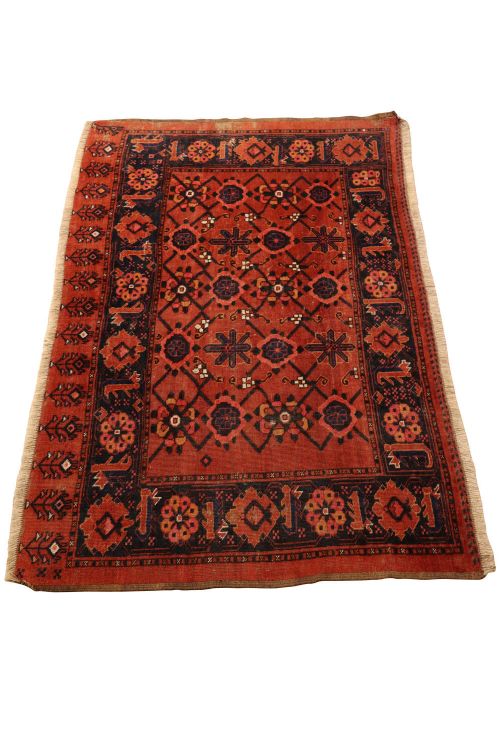


Antique Hamadan Carpet
An antique hamadan carpet brings the rich tradition of West Persian village weaving directly into your home.
Antique Hamadan Carpet
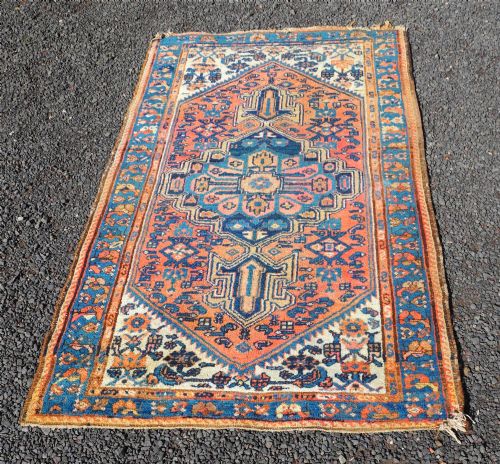
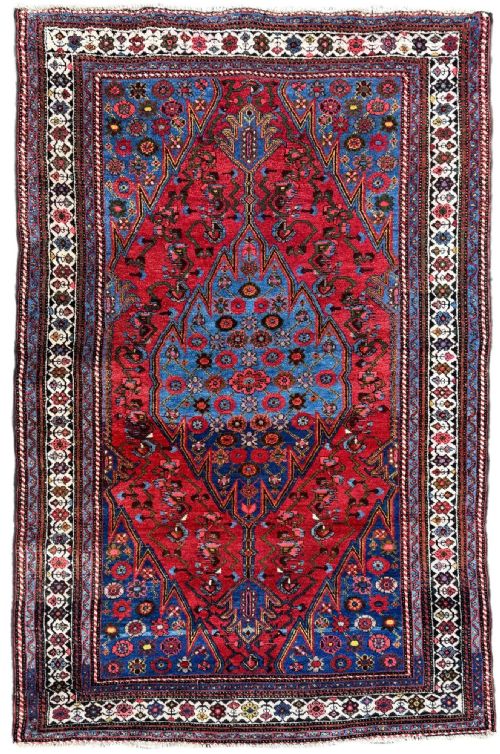
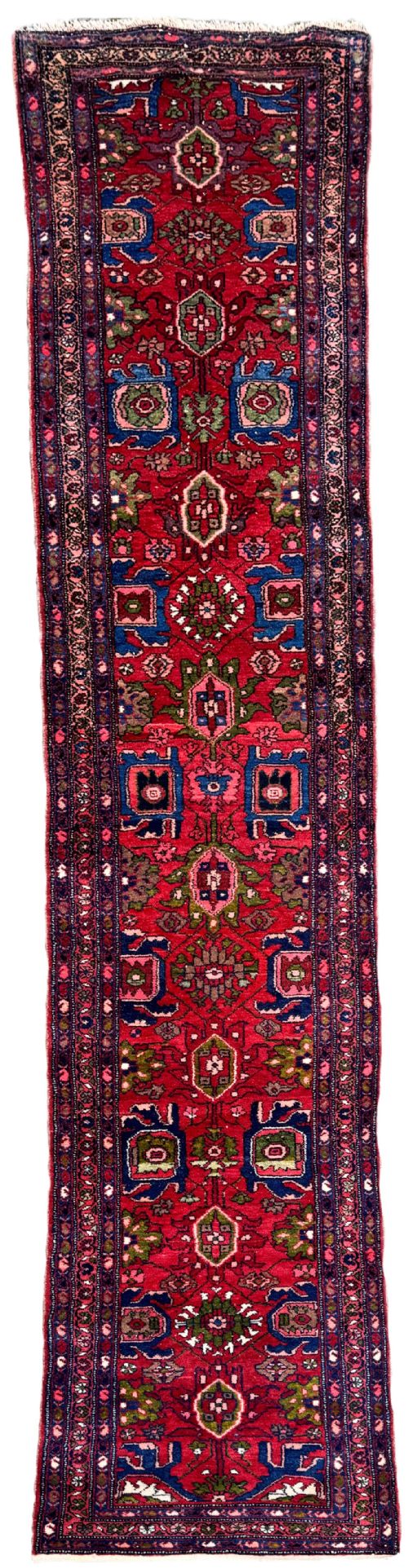
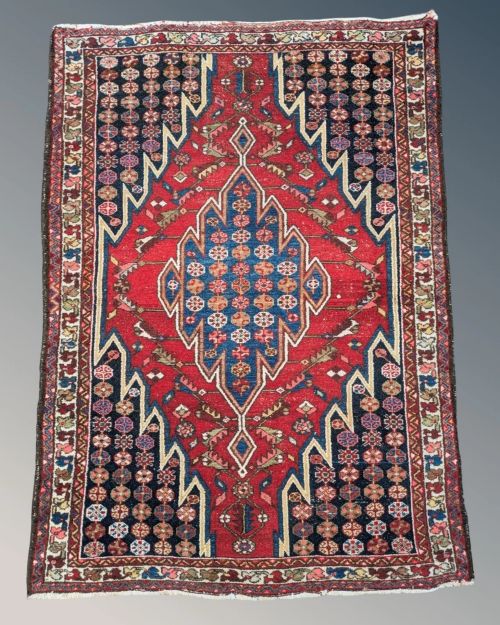
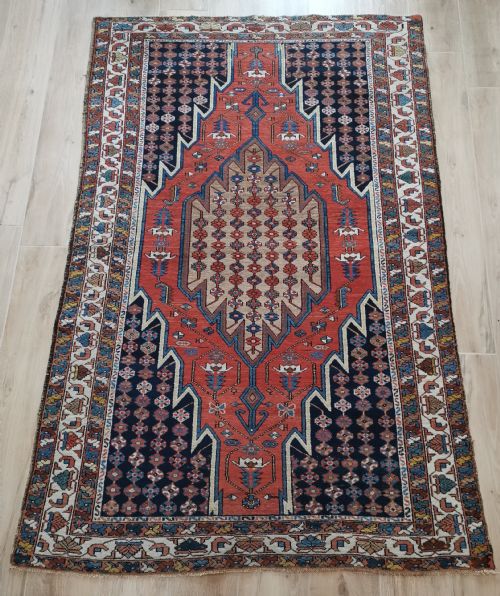
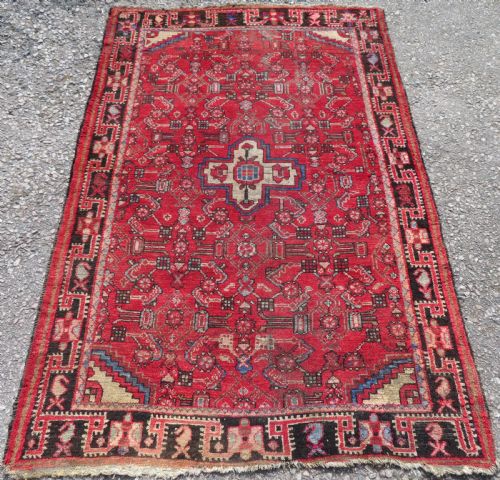
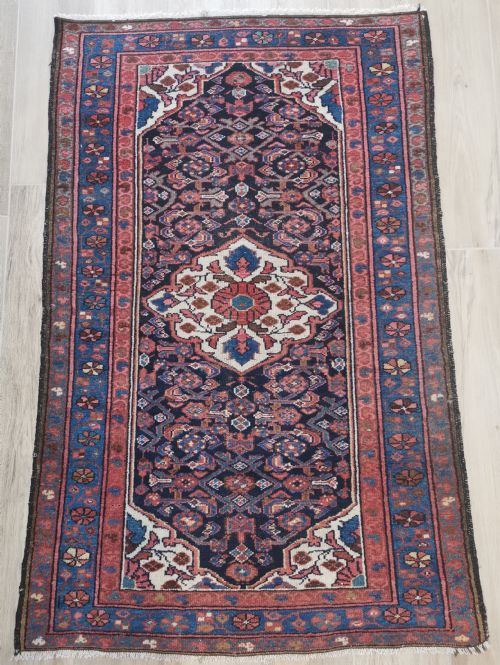
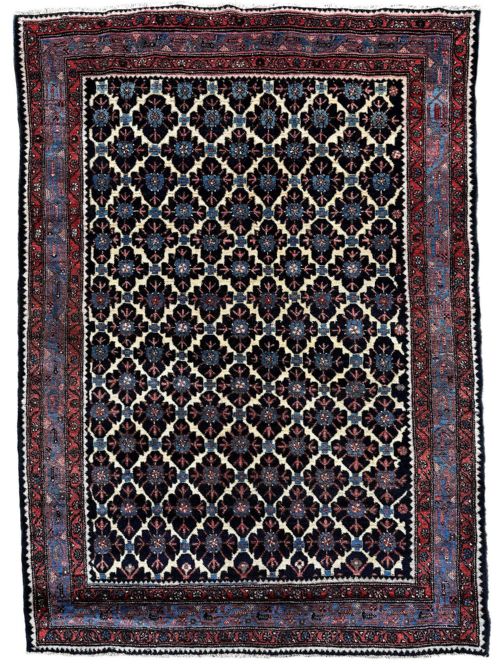
An antique hamadan carpet represents a diverse group of floor coverings originating from the hub of Hamadan and its surrounding villages in West Persia. These pieces range from intimate area rugs to long hallway runners and substantial kelleh formats, spanning periods from the late nineteenth century into the mid-twentieth century. Tribal weaving traditions heavily influence these carpets, incorporating styles identified with Kurdish and Malayer influences.
The most common formats met on this page are village rugs and narrow runners produced across various hamadan region settlements like Borodjert and Sanjan. Makers utilised traditional geometric motifs, medallion layouts, and all-over floral lattice designs. Such variety means buyers encounter both compact hallway runners exceeding four metres in length and broader, square room-sized carpets.
Materials and Construction
The physical construction of these carpets relies on natural textile fibres recorded consistently across the listings. Artisans used durable wool for the pile, providing resilience and warmth underfoot, while foundation structures typically employed cotton for stability and precise tension during knotting.
Makers executed these floor coverings using hand-knotted techniques characteristic of traditional Persian village production. This method results in dense pile structures capable of enduring generations of domestic use while retaining the character of West Persian design.
Antique Hamadan Carpet Retail Price Guide 2026
Typical asking prices for hamadan carpet among the pieces listed under this phrase on Sellingantiques today, from the lower quarter to the upper quarter. They describe what is for sale here now, not the wider market.
Village weavers often tucked small personal talismans and geometric surprises directly into the borders of their carpets, ensuring no two rugs are truly identical.
Evaluating the Weave
Quality in these textiles depends heavily on the density of the hand-knotted pile and the crispness of the design execution. Tighter knots allow intricate geometric and floral details to emerge with clarity, distinguishing finer village examples from coarser tribal work.
Condition also plays a significant role in distinguishing pieces within the range. Examples that retain an even, thick pile alongside original selvedges and ends demonstrate superior preservation compared to heavily distressed alternatives.
The Antique Hamadan Carpet Glossary
- Hamadan
- A major trading hub and weaving region in West Persia encompassing hundreds of producing villages. Carpets from this area often display robust village construction and adaptable geometric or floral layouts.
- Runner
- A long, narrow carpet format specifically proportioned for corridors, hallways, and staircases. These pieces provide functional floor coverage in confined architectural spaces.
- Kelleh
- A large rectangular carpet format traditionally used alongside matching room-sized carpets in Persian households. They offer substantial floor presence compared to standard area rugs.
- Hand-knotted
- A manufacturing technique where individual tufts of wool are tied by hand onto a cotton warp and weft foundation. This meticulous process ensures the longevity and structural integrity of the textile.
Antique Hamadan Carpet: Frequently Asked Questions
Where were antique hamadan carpets made?
These carpets originate from the city of Hamadan and the surrounding rural villages situated in the West Persian region. Weavers across this extensive district produced diverse textiles incorporating local tribal motifs and regional dyeing traditions.
Production spanned numerous settlements, including Borodjert and Sanjan, each contributing distinct design variations to the broader category.
How do I choose the right runner size?
Selecting a runner requires measuring your hallway or corridor carefully while leaving a uniform border of exposed flooring around the edges. Consider the length of the space, as options range from standard proportions to exceptionally long formats exceeding four metres.
Ensure doors swing clear of the rug's thickness, particularly if you choose a piece with a dense, heavy pile.
How should I care for a wool rug?
Maintain your wool floor covering through regular, gentle vacuuming without the beater bar engaged to protect the hand-knotted pile. Address spills immediately by blotting with a clean cloth rather than rubbing the fibres.
Professional cleaning tailored for antique textiles helps preserve the natural lanolin in the wool and keeps the colours vibrant.
How do I identify village rugs?
Village rugs often display asymmetric, spontaneous design interpretations rather than rigid, workshop-drawn precision. Look for characteristic West Persian colour palettes, regional motifs, and sturdy wool construction on cotton foundations.
Many examples incorporate distinctive Kurdish or Malayer stylistic influences that reflect the heritage of the specific weaving community.