
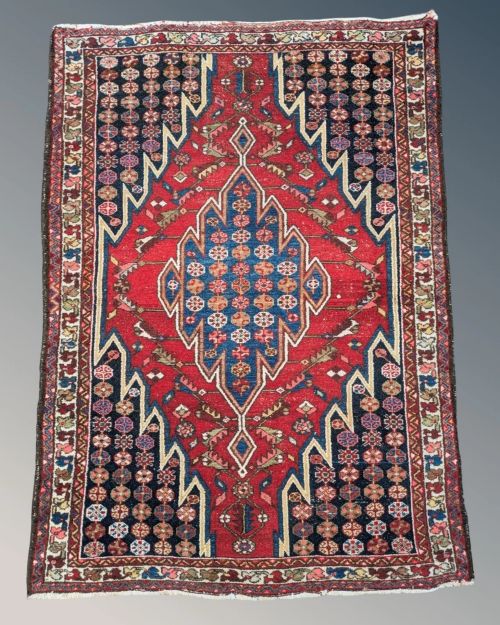
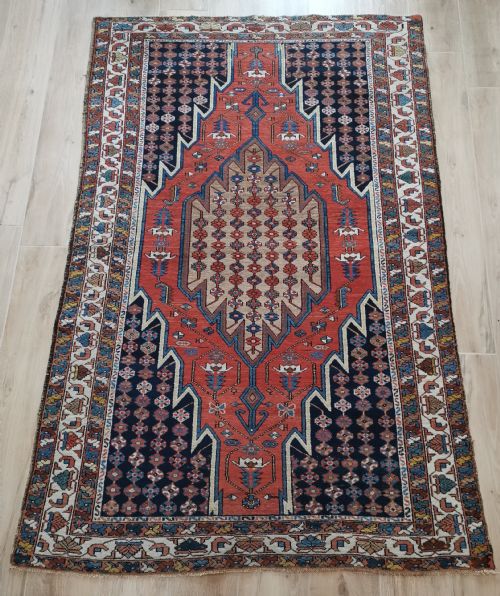
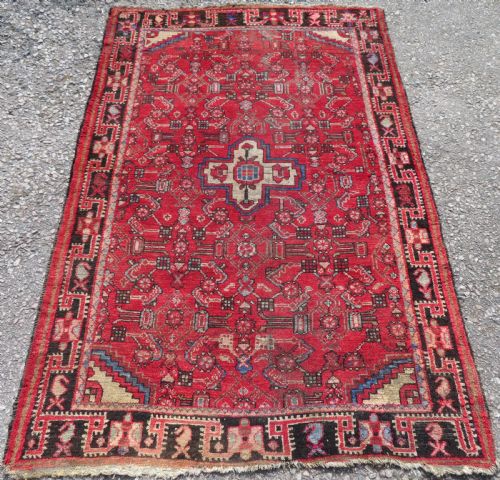
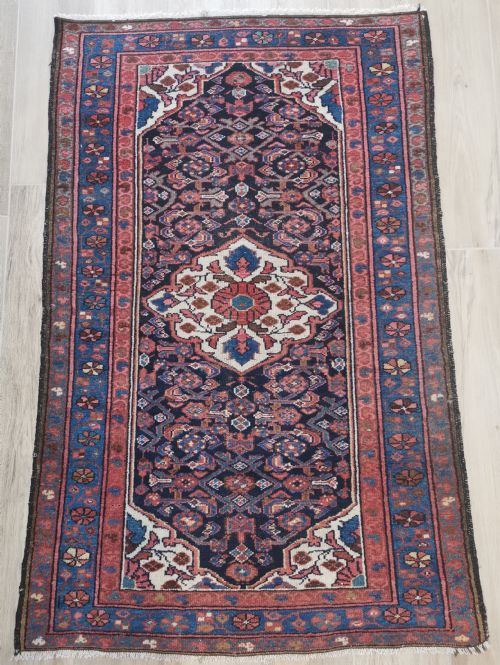


Persian Hamadan Rug
A genuine persian hamadan rug brings centuries of village weaving tradition into modern rooms through robust wool and distinctive geometric motifs.
Persian Hamadan Rug
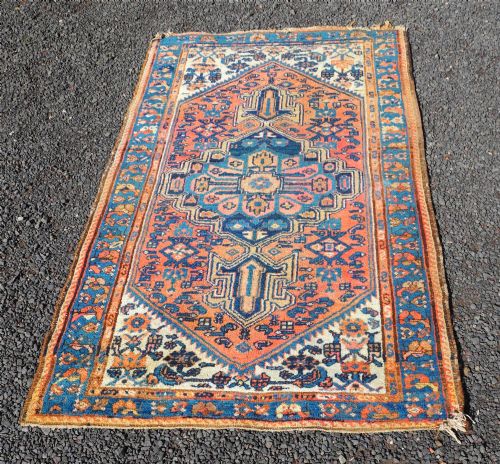
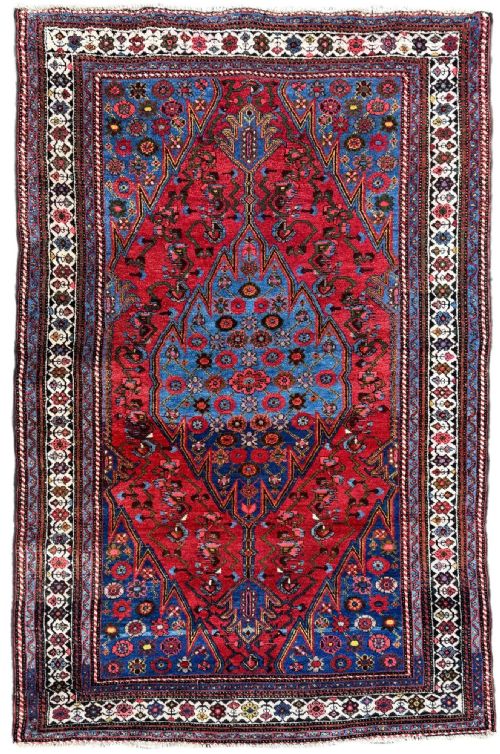
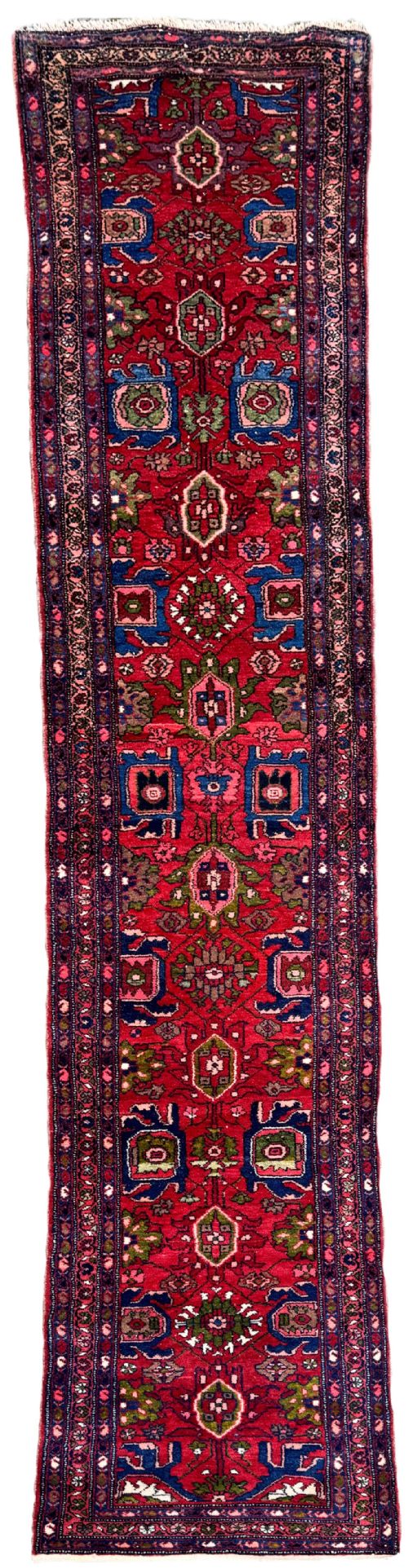
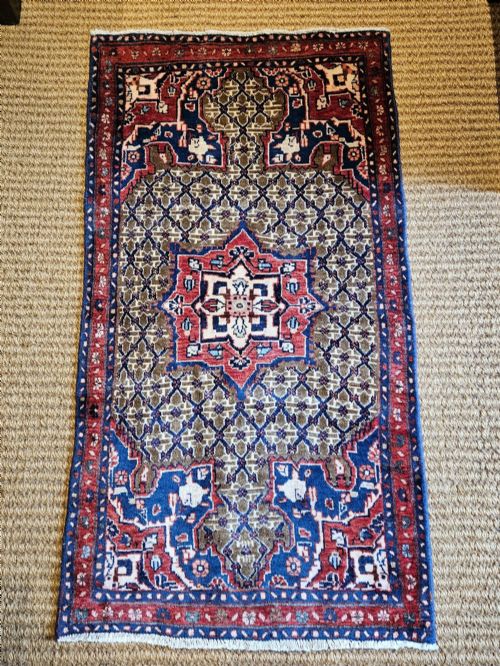
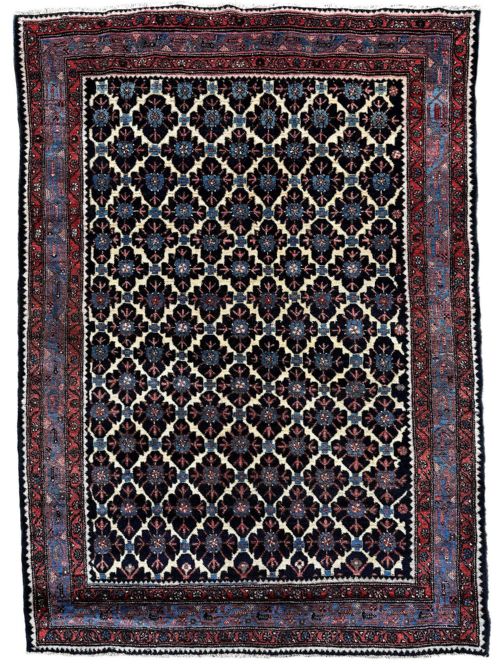
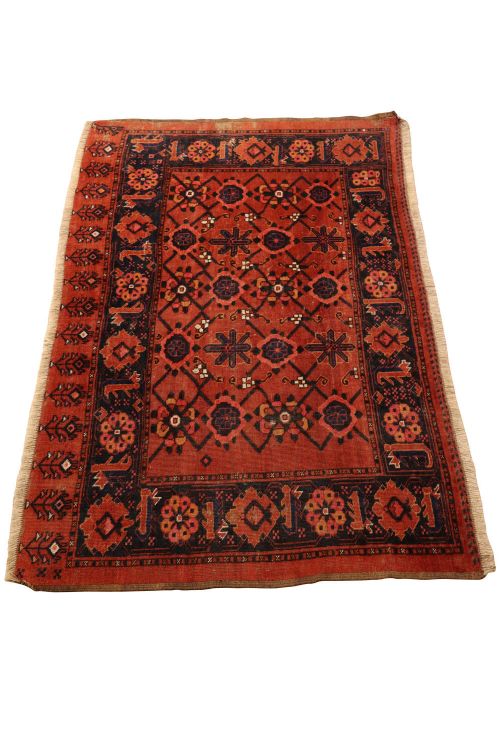
A persian hamadan rug originates from the vast network of weaving villages surrounding the ancient city of Hamadan in west Persia. These pieces date predominantly from the late nineteenth century through to the middle decades of the twentieth century. Buyers will encounter various formats, from compact hearth rugs to elongated hallway runners.
Village weavers produced these floor coverings using traditional methods passed down through generations rather than in centralized urban workshops. The designs often incorporate repeating motifs, medallions, and tribal patterns influenced by regional Kurdish, Malayer, and Mazlaghan aesthetics. Each carpet reflects the distinct character of the specific village where it was knotted.
Most examples available combine functional durability with folk art charm, making them practical for daily foot traffic in hallways, living rooms, and studies. The palette typically relies on rich indigo blues, madder reds, and natural wool tones that mellow gracefully over decades of use.
Materials and construction methods
Weavers constructed these carpets using durable hand-spun wool for the pile, which provides both resilience and a soft underfoot texture. The foundations rely on sturdy cotton or wool warps and wefts, hand-knotted to create dense structures designed to withstand decades of heavy household wear.
Natural dyes extracted from plants and minerals gave the wool its deep, enduring colours that age with a characteristic patina. Artisans utilised hand-knotting techniques, securing the pile with sturdy rows of knots that give the surface its characteristic dense and solid handle.
Listings span production dates from 1870 through to 1940, showcasing traditional wool and cotton construction from west Persian villages.
Factors of distinction
The quality of a persian hamadan rug depends heavily on the fineness of the knotting and the density of the wool pile. Finer examples display crisper geometric definition in the motifs and greater structural integrity across the foundation.
The complexity and creativity of the border designs and central medallions also separate standard village production from finer regional weaving. Preservation of the original edge bindings and fringe ends adds significant integrity to older pieces.
The Persian Hamadan Rug Glossary
- Warp
- The vertical threads stretched tightly on the loom before weaving begins. These foundation strings form the fringe at both ends of the finished carpet.
- Weft
- The horizontal threads passed back and forth across the warp strings to lock the knots in place. They provide structural stability to the body of the rug.
- Kelleh
- A large format rectangular carpet, typically longer than it is wide, designed for specific room proportions in traditional Persian homes.
- Herati
- A repeating floral lattice pattern featuring a central rosette enclosed by curved leaves, frequently found in village and tribal weaves.
- Medallion
- A symmetrical ornamental design centred in the middle of the carpet field, serving as the primary visual anchor for the composition.
Persian Hamadan Rug: Frequently Asked Questions
Where were these rugs made?
These pieces were woven by nomadic and village communities in the mountainous Hamadan region of west Persia.
Production centered around hundreds of surrounding settlements where families utilised locally sheared wool and traditional dyeing methods.
How do I clean an old wool rug?
Gentle surface cleaning and regular light vacuuming without the beater bar protect the delicate wool pile.
Professional textile conservators should handle deep washing to prevent dye migration and shrinkage in the natural fibres.
Can I use a runner in a hallway?
Elongated formats are specifically suited for narrow spaces like corridors, entryways, and stair landings.
Their dense wool construction provides high durability against daily foot traffic while adding warmth to transitional areas.
How do I date an older carpet?
Examining the dye types, structural materials, and wear patterns helps determine the likely period of manufacture.
Pieces from the nineteenth and early twentieth centuries often feature hand-spun wool and natural dye palettes that differ from later commercial production.