

19th Century Area Rug
A 19th century area rug brings a dense, shifting geography of natural dyes and tribal motifs directly to the floor.
19th Century Area Rug
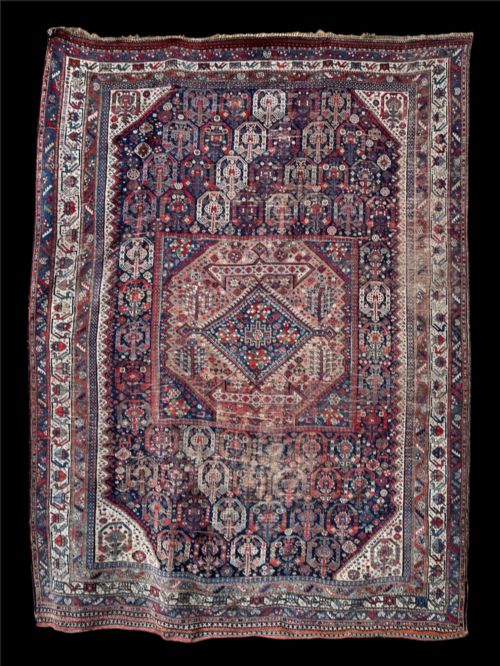
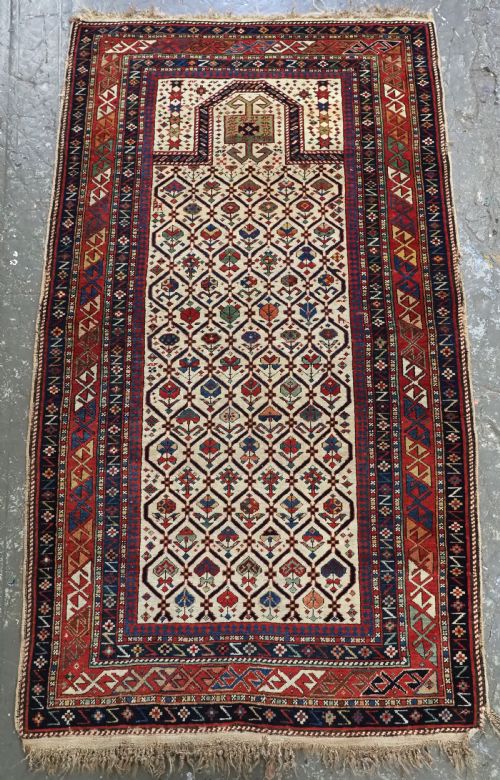
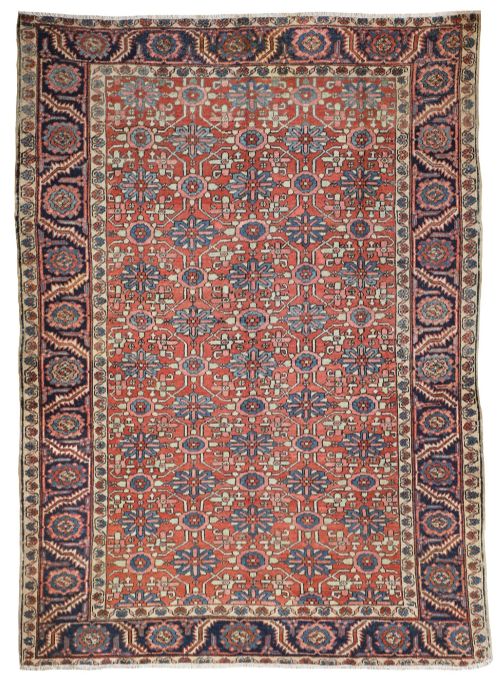
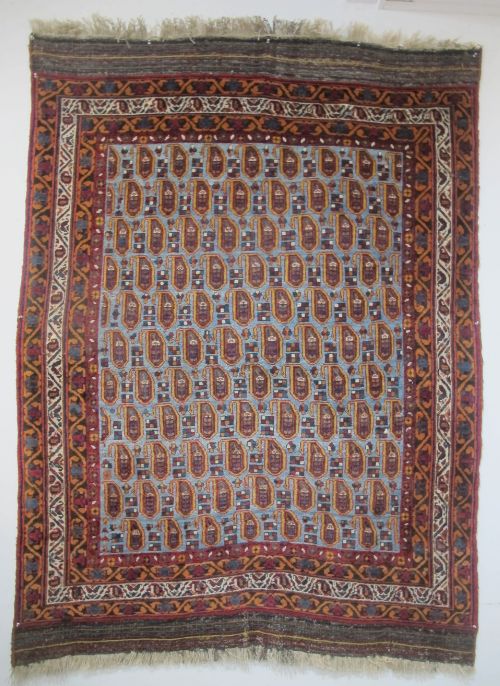
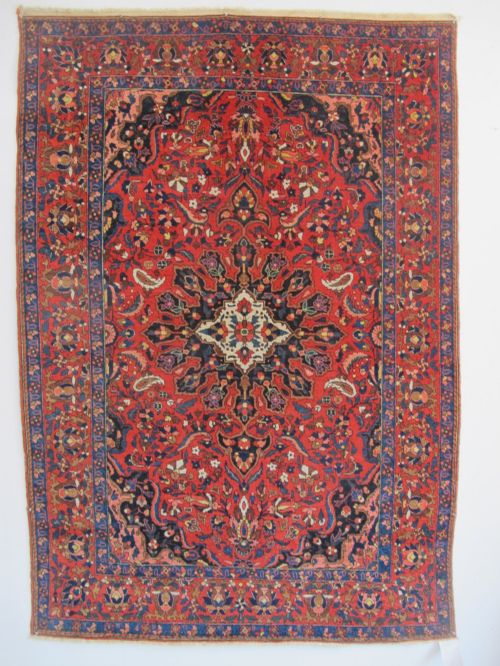
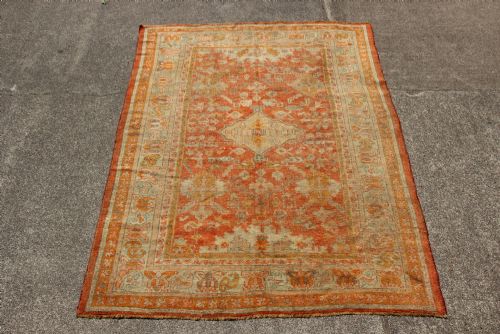
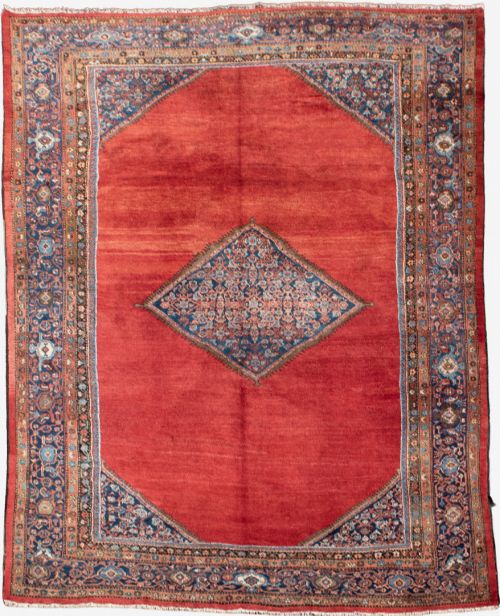
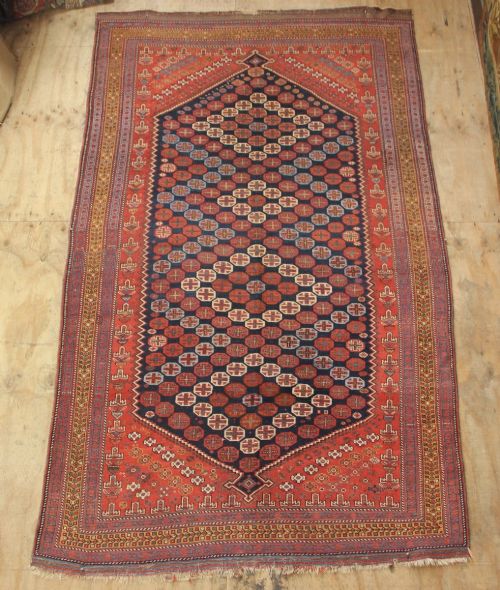
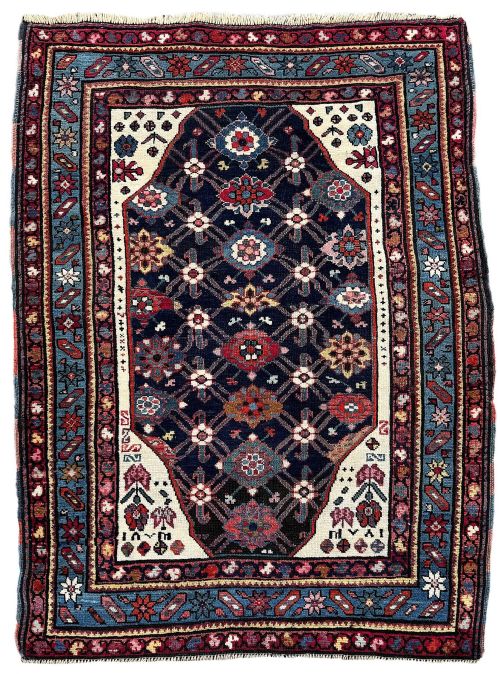
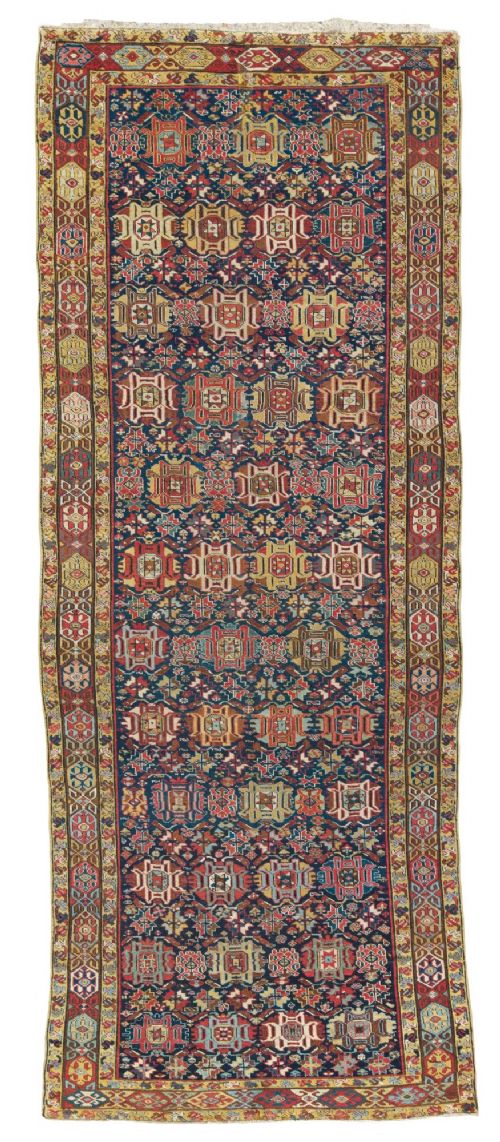
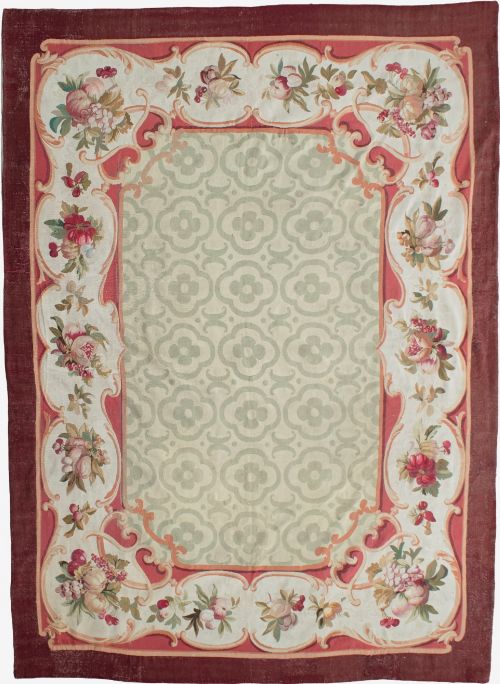
A 19th century area rug spans hand-knotted room-sized carpets and smaller floor coverings originating from Persia, the Caucasus, and Anatolia. These textiles function as durable, decorative furnishings born from centuries of regional weaving traditions.
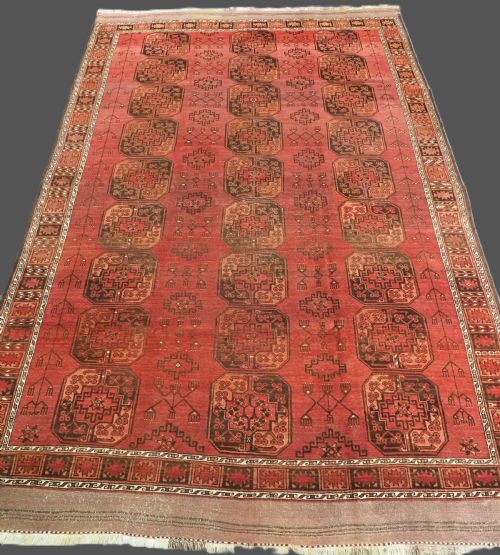
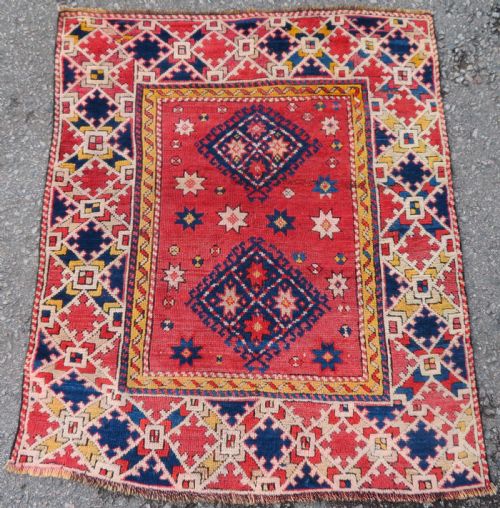
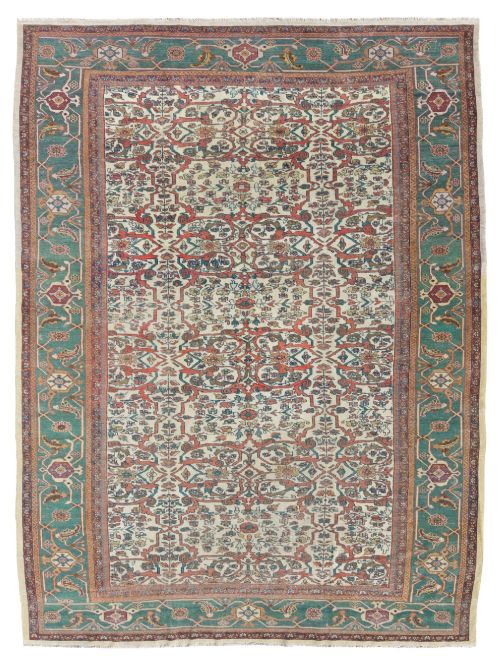
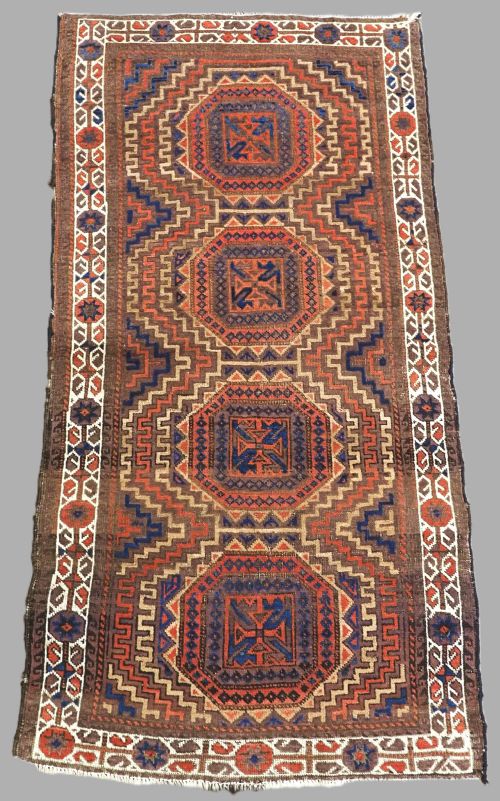
The pieces appearing here include Persian Sultanabad, Heriz, and Ferahan carpets alongside Caucasian Kazak, Karabagh, and Dagestan examples. Tribal formats such as Afshar, Baluch, and Turkmen rugs also appear frequently.
Makers ranged from village households working on vertical wooden looms to large urban workshops producing monumental carpets for export. Buyers encounter everything from intimate prayer rugs to expansive floor coverings measuring several metres across.
How They Were Made
Weavers knotted wool, cotton, and occasionally silk yarns by hand onto foundation warps and wefts using symmetrical or asymmetrical knots. The density of these knots determines the crispness of the geometric and floral motifs.
Natural dyes extracted from plants, roots, and insects provided the palette, producing rich reds, indigos, and soft yellows that age with subtle tonal variations. Cotton foundations provided structural stability while wool and silk formed the soft pile surface.
An observant weaver occasionally tucked a stray animal motif or a tiny accidental human silhouette directly into the geometric borders.
What Varies in Quality
The quality of a 19th century area rug rests on the handling of its wool, the saturation of its natural dyes, and the precision of its knotting. Superior examples display dense, supple piles that hold intricate designs with sharp clarity.
Compositional balance and drawing consistency separate masterworks from standard village pieces. A well-balanced field layout with harmonious colour transitions holds the eye far better than crowded or hastily executed designs.
The 19th Century Area Rug Glossary
- Gul
- A repeating octagonal or medallion motif found frequently in Turkmen and Baluch tribal rugs. These shapes often identified specific clans or tribal groups.
- Kelleh
- A long, narrow format carpet traditionally used in Middle Eastern interiors to run along the sides of a larger room space.
- Prayer rug
- A small rug featuring a mihrab or arch design at one end, which worshippers oriented towards Mecca during daily prayers.
- Warp
- The vertical threads stretched tightly on the loom before knotting begins, forming the foundational skeleton of the rug.
- Weft
- The horizontal threads passed back and forth between rows of knots to lock the pile firmly into place across the foundation.
19th Century Area Rug: Frequently Asked Questions
Can I use these rugs on high traffic floors?
Durable wool piles on sturdy cotton foundations handle moderate domestic walking traffic quite well. Placing a quality underlay beneath the textile reduces friction and prevents slipping.
Very fine silk examples or fragile room-sized carpets require lower traffic settings to prevent premature pile wear. Historic textiles benefit from occasional rotation to distribute wear evenly.
How do I identify a Caucasian rug?
Caucasian rugs typically showcase bold geometric medallions, stark primary colours, and sharp angular borders. The wool often feels crisp and the foundations frequently utilise white or dyed wool.
Weaving techniques from this region differ noticeably from the curved floral scrolls common in Persian workshop carpets. Regional subgroups like Kazak or Karabagh display distinctive colour palettes and strict structural habits.
What is a Sultanabad carpet?
Sultanabad carpets originate from the Arak region of Persia and feature large-scale, open floral patterns. Western export markets in the late nineteenth century drove demand for these grand, decorative room formats.
Subtle abrash and muted vegetable dyes gave these grand carpets an understated elegance suited to European drawing rooms. They remain prized for their balanced proportions and adaptable interior presence.