

Patterned Wool Area Rug
These patterned wool area rugs bring rich textures and traditional designs into a room, shaped by weaving traditions across Persia, the Caucasus, and Central Asia.
Patterned Wool Area Rug
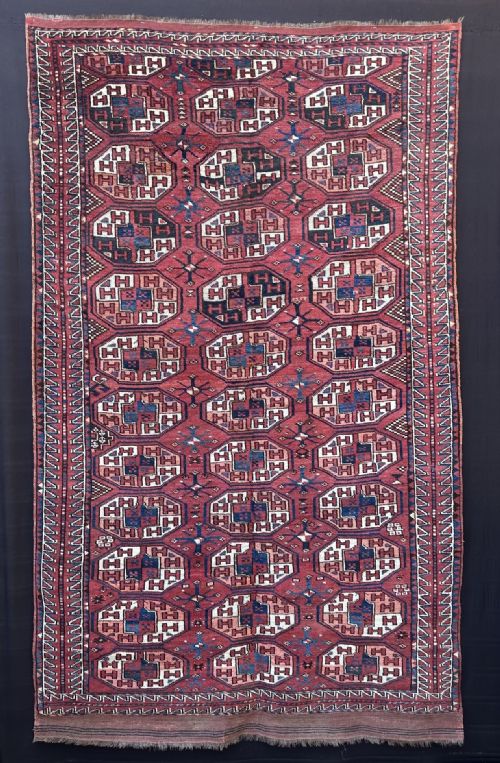
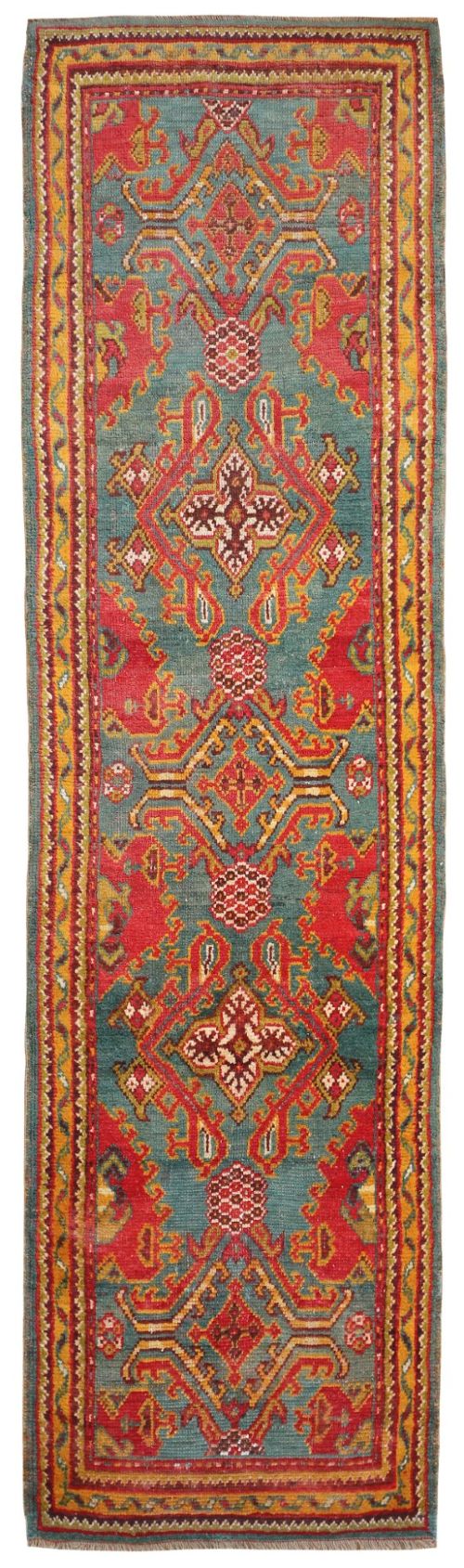
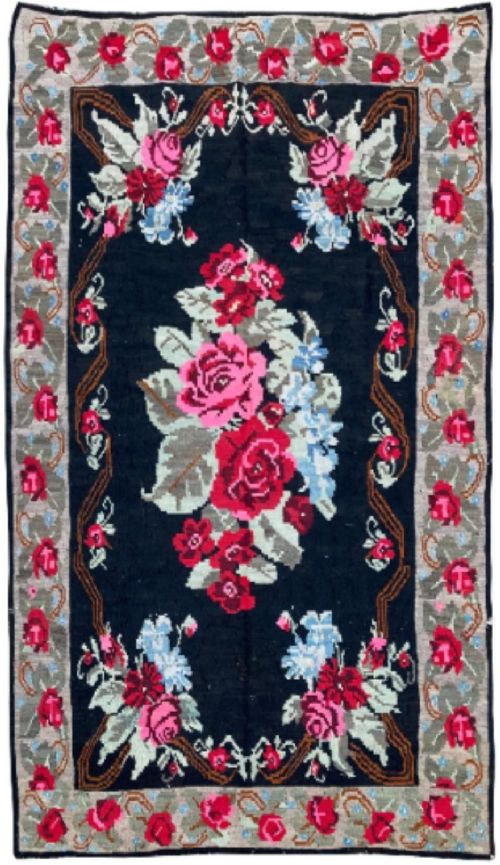
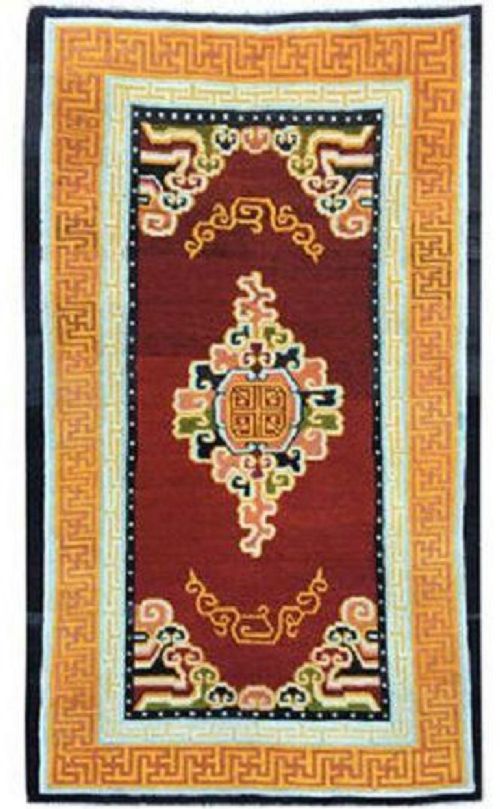
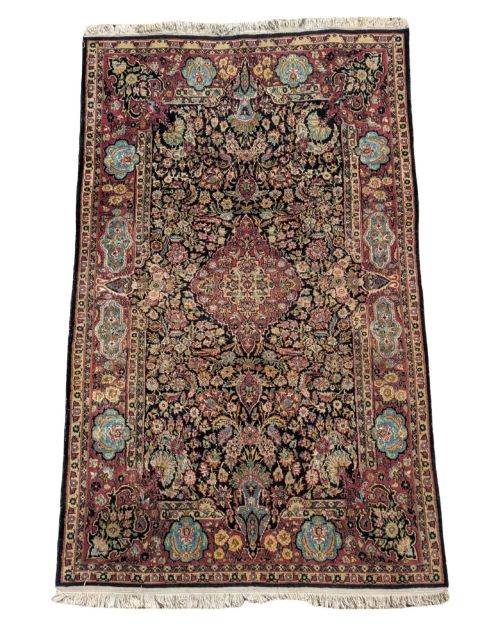
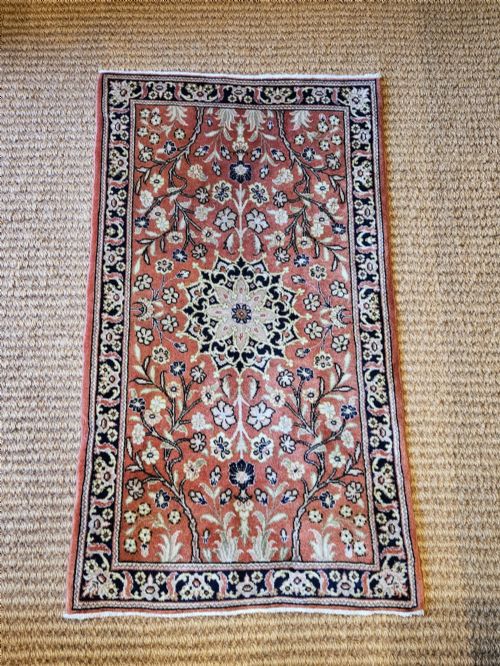
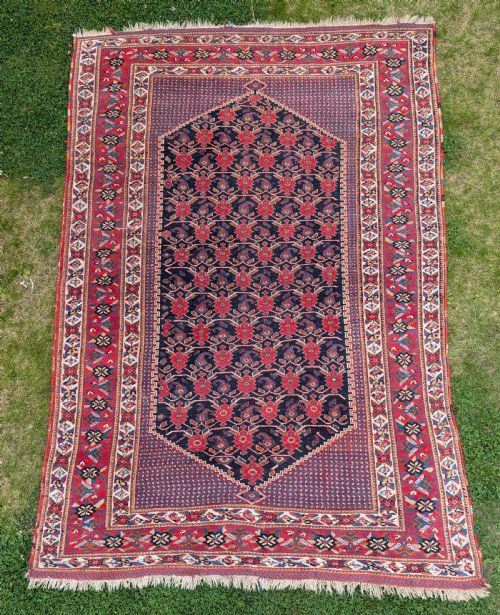
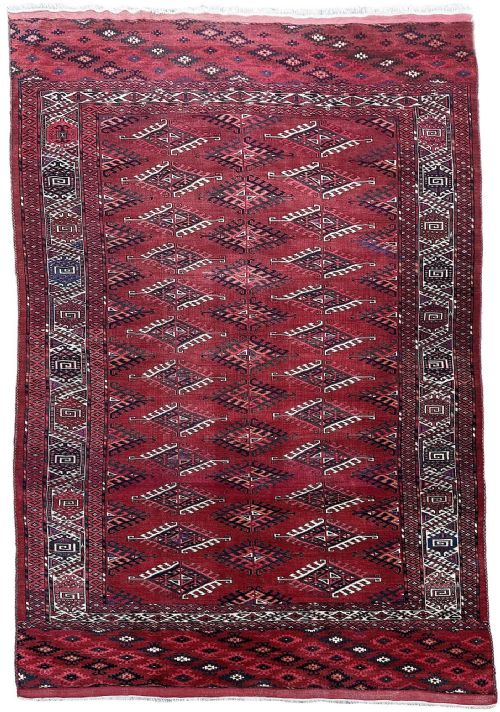
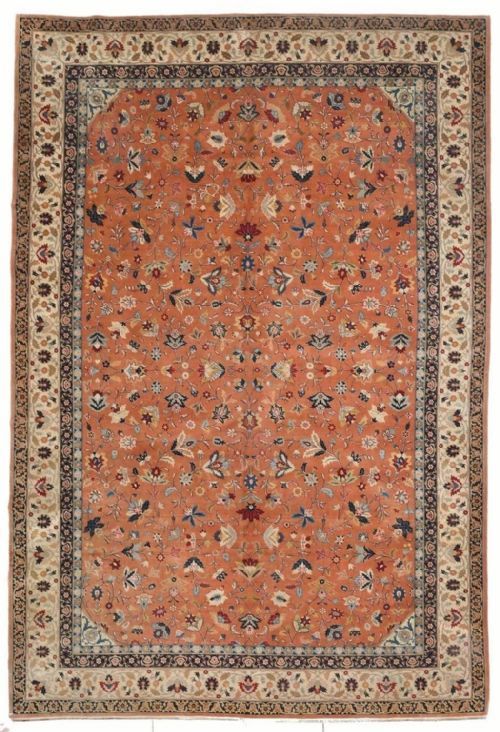
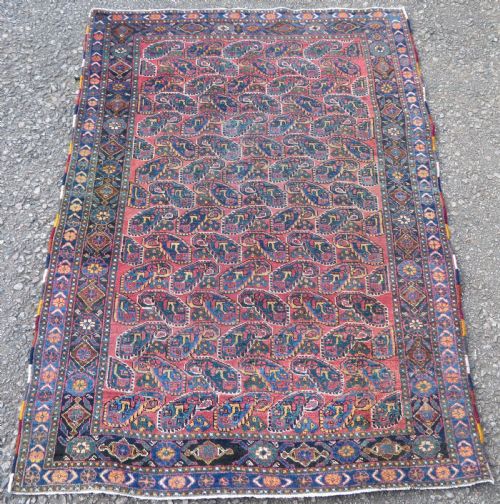
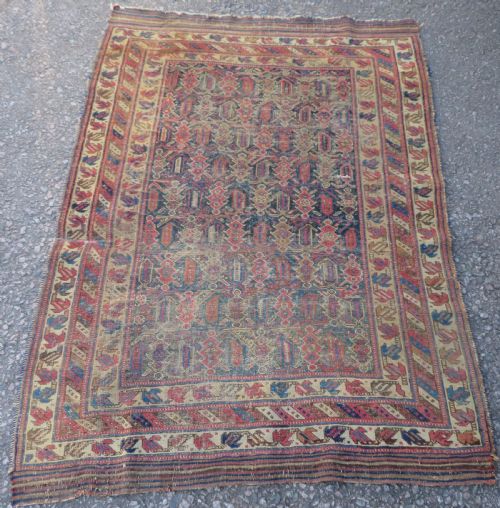
When searching for a patterned wool area rug, a buyer encounters woven floor coverings originating mainly from Persia, Turkey, the Caucasus, and Turkmenistan. These pieces span the nineteenth and early twentieth centuries, covering diverse regional styles from tribal formats to workshop carpets.
The selections available here run from hearth-sized mats and runners to large room-size carpets. Common regional types include pieces from Afshar, Kashan, Tabriz, Heriz, and various Turkmen tribes such as the Yomut and Ersari.
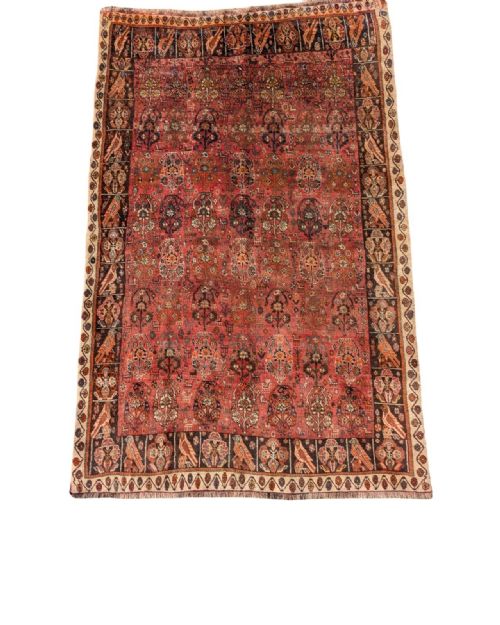
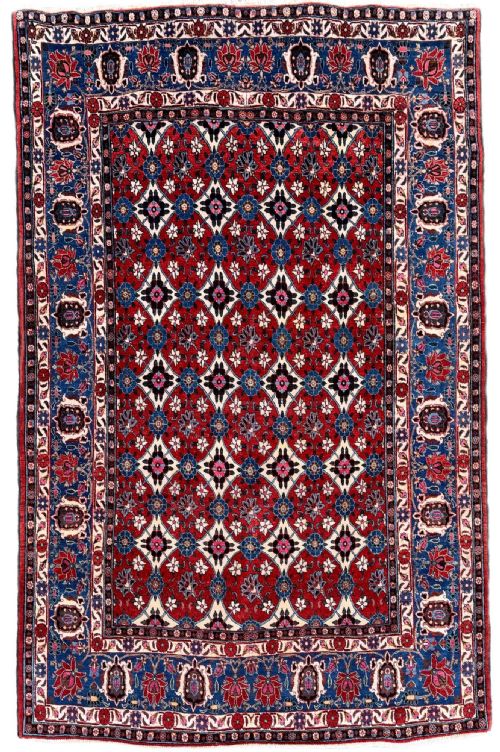
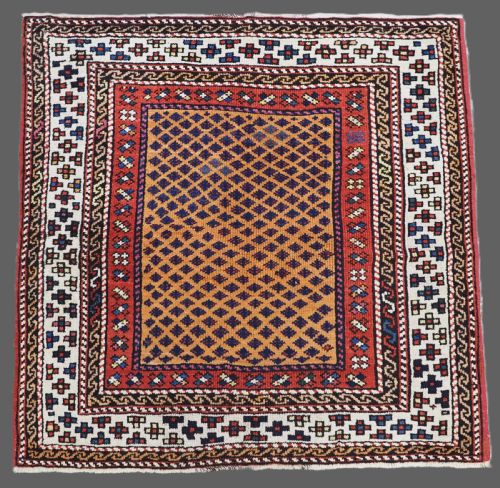
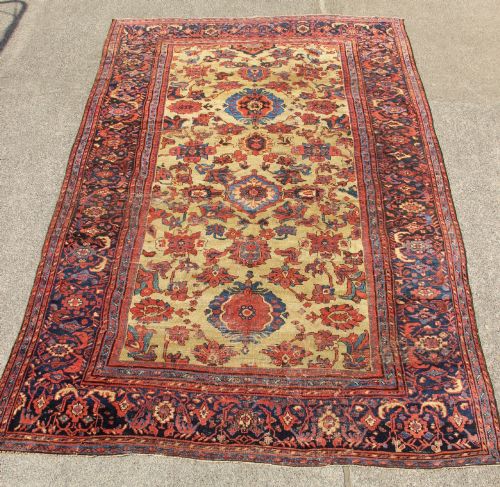
Most examples rely on traditional geometric, lattice, or all-over boteh designs worked in durable wool. Buyers will find both finely knotted city workshop carpets and heavier, rustic tribal weaves.
How They Were Made
The construction of these floor coverings relies on hand-knotted techniques using wool, often hand-spun, combined with cotton foundations and occasional silk highlights. Weavers tied individual knots onto warp and weft threads to build dense, hard-wearing piles.
Natural dyes provided the primary palette for colouring the wool yarns across these regional workshops and tribal camps. Artisans utilised plant and mineral sources to achieve deep reds, blues, and earth tones that mellow gracefully over time.
Patterned Wool Area Rug Retail Price Guide 2026
Typical asking prices for patterned wool area rug among the pieces listed under this phrase on Sellingantiques today, from the lower quarter to the upper quarter. They describe what is for sale here now, not the wider market.
Several nomadic tent door rugs preserve centuries-old tribal protective symbols within their borders.
What Varies in Quality
Quality in these woven textiles rests on the density of the knotting and the fineness of the materials selected. Tighter knots allow for sharper design definition and greater durability under foot traffic.
The handling of natural dyes and the consistency of the wool spinning also determine the visual depth of a piece. Finer examples display harmonious colour saturation and balanced proportions across the field and borders.
The Patterned Wool Area Rug Glossary
- Pile
- The upright yarn loops forming the soft surface of a rug. This layer absorbs wear and displays the woven pattern.
- Warp
- The vertical threads stretched tightly on the loom before weaving begins. Weft threads are interlaced across these to form the structural foundation.
- Weft
- The horizontal threads passed through the warp threads to hold the knots in place. Proper tension here ensures a stable rug structure.
- Boteh
- A traditional almond-shaped motif with a curved upper end. This ancient pattern appears frequently in Persian textile designs.
- Kilim
- A flat-woven rug produced without a pile. These pieces are constructed by tightly interweaving warp and weft threads.
Patterned Wool Area Rug: Frequently Asked Questions
How do I clean an antique wool rug?
Vacuum gently using a suction-only attachment without the beater bar to protect the wool pile.
For deeper cleaning, consult a specialist experienced in handling antique plant-dyed textiles rather than attempting home washing.
Can I place these rugs in high traffic areas?
Wool and cotton construction makes these rugs naturally resilient for everyday use in living spaces and hallways.
Using a quality underlay helps prevent slipping and reduces friction between the rug and the floorboards.
How do I identify a tribal rug from a city rug?
Tribal rugs typically feature geometric motifs, heavier wool, and slightly irregular designs woven on portable looms.
City carpets display finer, curvilinear patterns with symmetrical floral compositions produced in established workshops.
What causes colour variation in these rugs?
Natural dyes react to light and age over decades, creating subtle shifts in tone known as abrash.
This tonal variation results from different dye batches and adds character to hand-knotted textiles.