


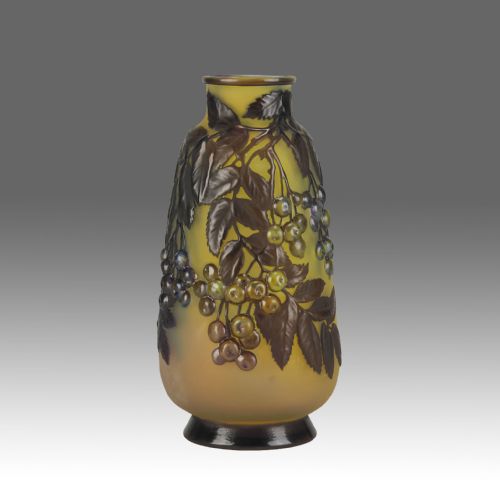


Vintage Frosted Vase
A vintage frosted vase brings tactile texture and soft light diffusion to a room, offering both decorative presence and classic twentieth-century design.
Vintage Frosted Vase
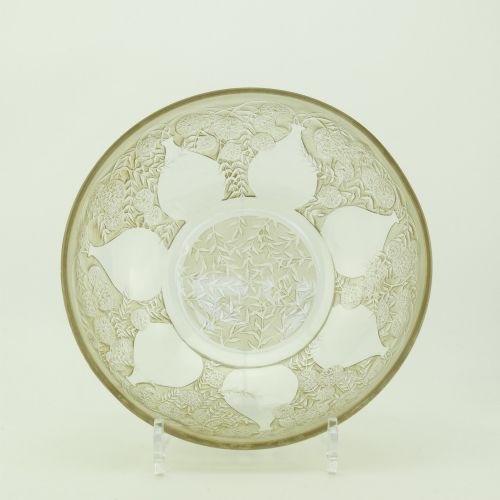
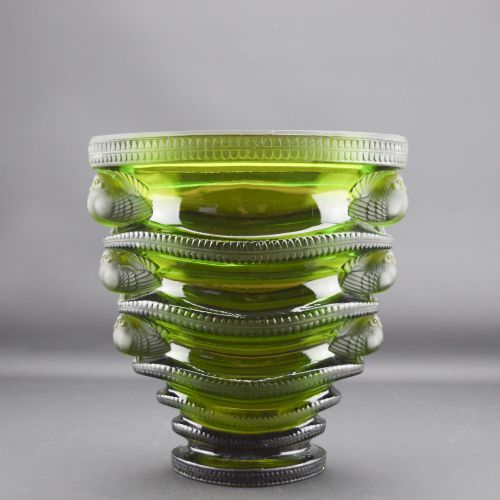
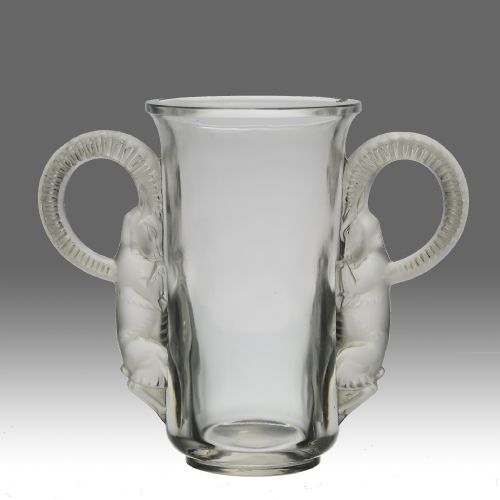
The version you are most likely to meet on this page is a piece of moulded or acid-etched glass originating from French workshops, frequently featuring floral or geometric motifs. These objects reflect the changing stylistic preferences from organic naturalism to sharp symmetry across the 1900s to the 1930s.
Materials and production techniques
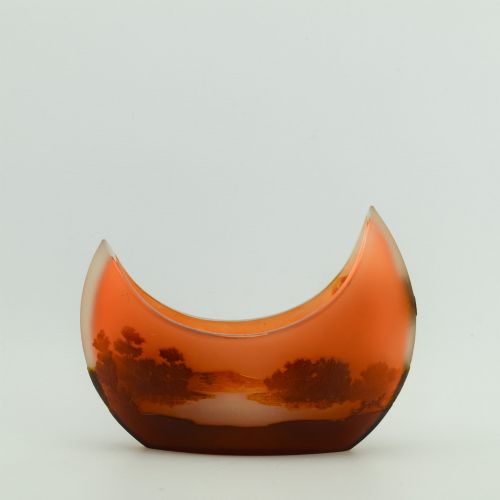
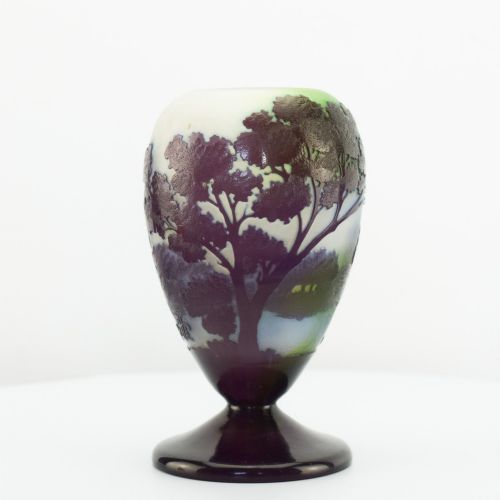
Makers utilised techniques such as acid-etching and moulding to achieve a characteristic matte or velvety surface texture on glass. Cameo glass vessels involved layering different colours of glass before carving away portions to reveal contrasting designs.
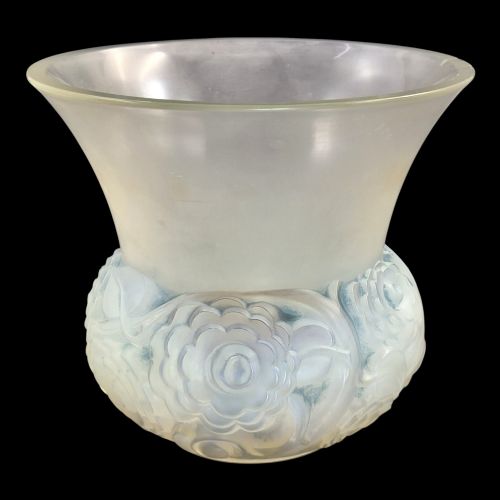
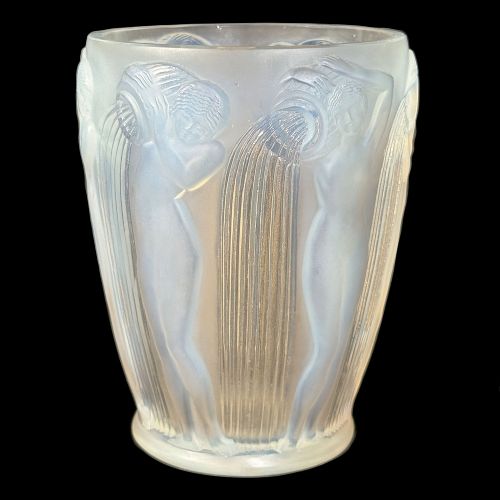
Opalescent and clear glass often received surface treatments to scatter light across the body of the vase. Enamel additions and geometric cutting further defined the decoration on pieces produced during the interwar period.
Listings feature items spanning the Victorian era through the 1930s, executed in frosted, cameo, and opalescent glass.
Factors of distinction
The refinement of the surface frosting and the crispness of the moulded relief separate exceptional examples from standard production. Sharp detailing in floral or aquatic motifs indicates superior execution by the glassmaker.
Depth of colour and optical play within opalescent or cameo layers dictate the visual impact of the piece. Clear signatures or attribution to prominent workshops add authority to the craftsmanship.
Rene Lalique·Galle·Daum·Thomas Webb and Sons·Legras
The Vintage Frosted Vase Glossary
- Acid-Etched Glass
- Glass treated with hydrofluoric acid to eat away the surface and create a frosted or textured finish. This technique allowed makers to produce intricate patterns without manual engraving.
- Cameo Glass
- Glass vessels made by fusing multiple layers of different coloured glass together. The outer layers are then carved away to create a raised design in relief.
- Opalescent Glass
- Glass that appears milky or bluish when viewed by transmitted light and yellowish or amber by reflected light. It creates a luminous glow popular in twentieth-century design.
- Moulded Glass
- Glass formed by pressing molten material into a metal or wooden mould. This process enabled the replication of complex relief decoration and sculptural forms.
- Lustre
- A ceramic or glass finish producing an iridescent metallic sheen. It reflects light in shifting colours depending on the angle of view.
Vintage Frosted Vase: Frequently Asked Questions
What is a vintage frosted vase?
A vintage frosted vase is a decorative glass vessel manufactured in the early twentieth century, utilising acid-etching or moulding techniques to create a non-reflective, tactile surface.
These pieces typically showcase Art Nouveau or Art Deco aesthetics, ranging from floral motifs to geometric patterns.
How do I identify Art Deco vases?
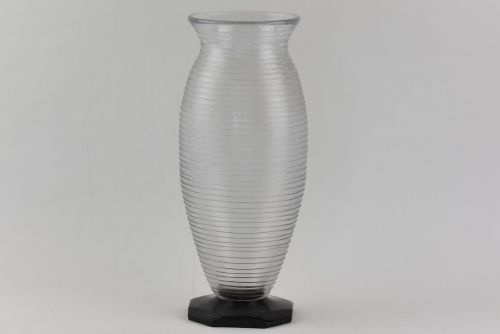
Art Deco vases feature stylised geometric patterns, symmetrical lines, and opaque or clear glass forms. They often date from the 1920s and 1930s.
The aesthetic moves away from organic curves toward industrial and architectural influences.
What is cameo glass?
Cameo glass involves fusing multiple coloured glass layers together before carving away the exterior to reveal a contrasting design in relief. It requires immense skill from the artisan.
This technique produced detailed landscape and botanical scenes.
How should I display a frosted glass vase?
Display these vases in spaces with direct natural light to accentuate the texture and opalescent qualities of the glass. Placing them on mantels or table centrepieces allows the material to catch the light.
Keep them clear of heavy traffic areas to protect the delicate surface finish.