


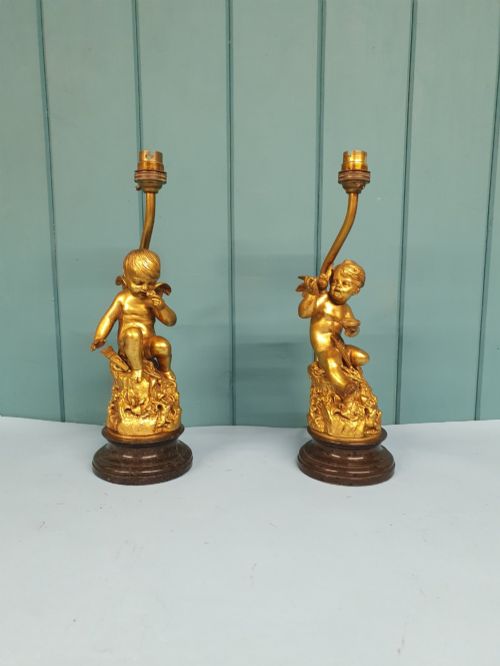
Vintage French Side Table
These vintage french side table pieces bring Continental elegance to a room, offering practical surface space paired with refined decorative presence.
Vintage French Side Table
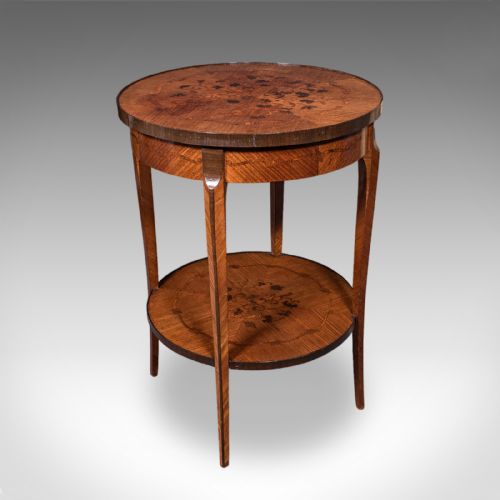
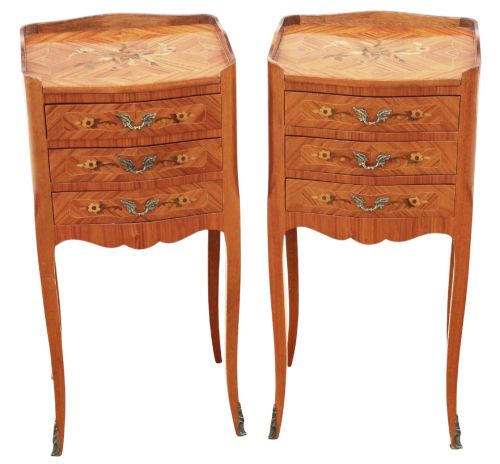
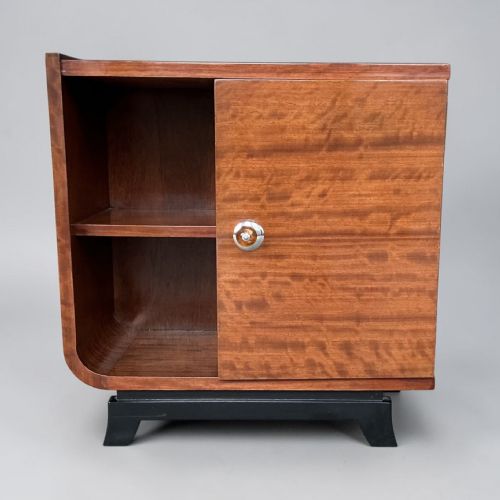
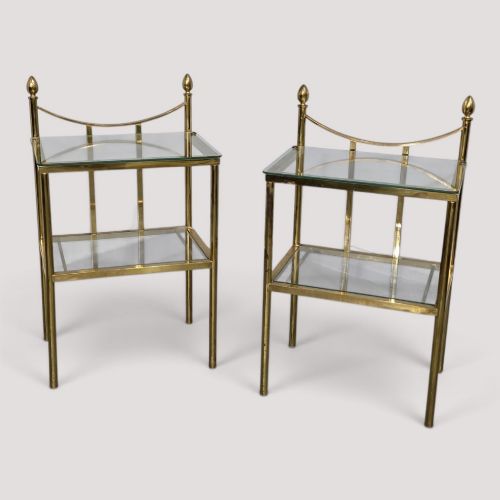
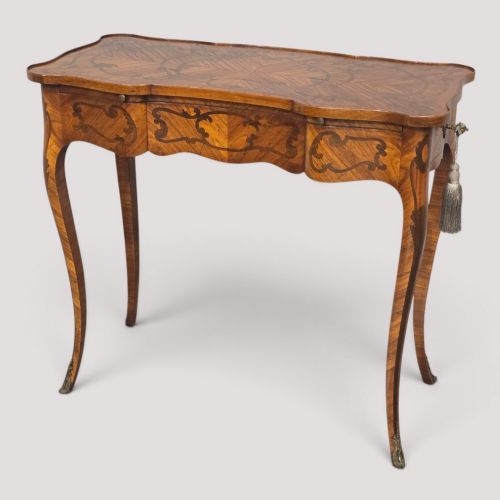
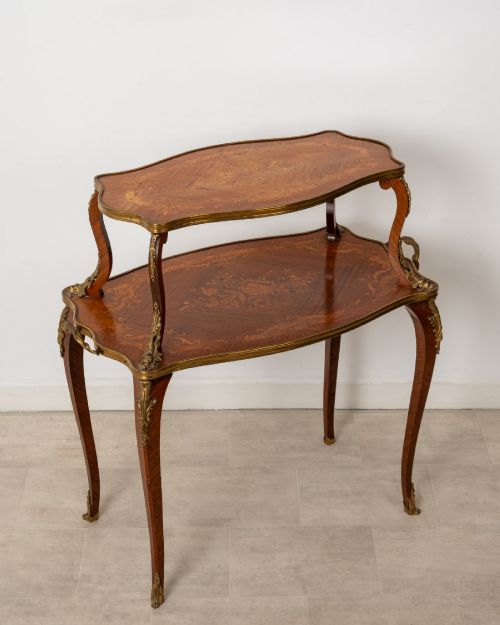
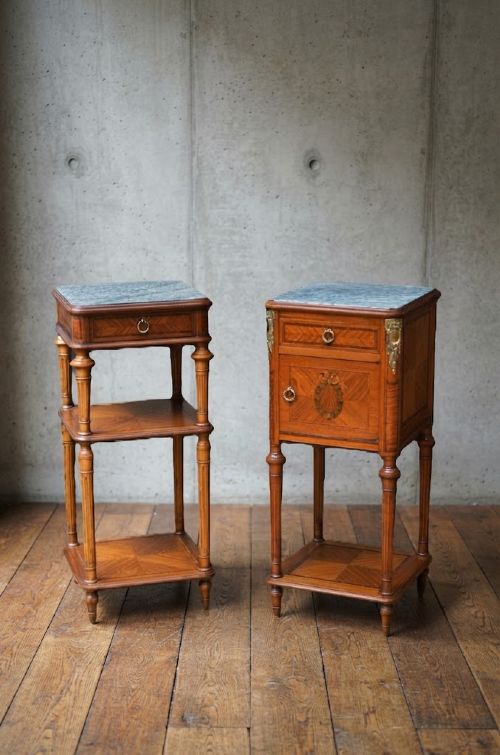
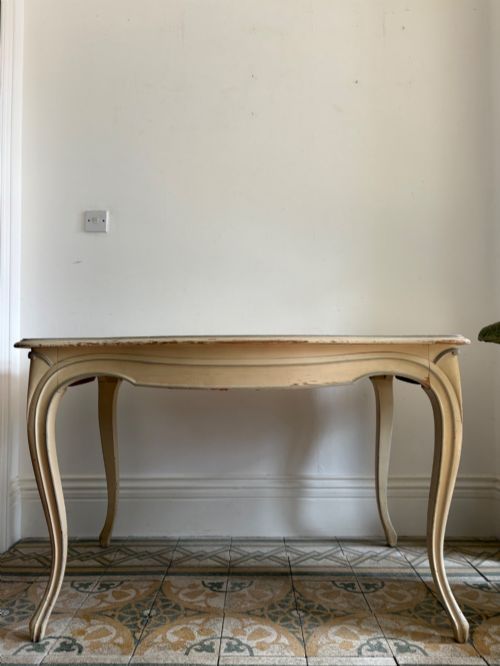
A vintage french side table encompasses a range of smaller occasional forms, including bedside cabinets, two-tier étagères, lamp tables, and freestanding centre tables. These items emerge from various periods spanning the nineteenth century through the 1930s, reflecting both formal revival aesthetics and simpler provincial designs.
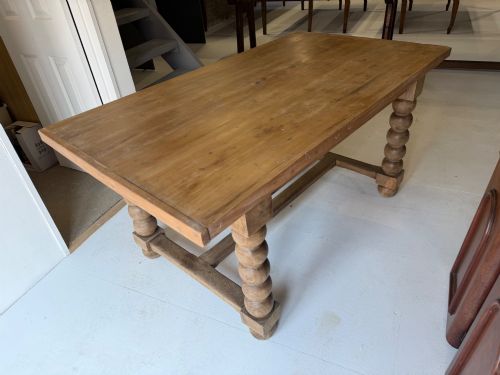
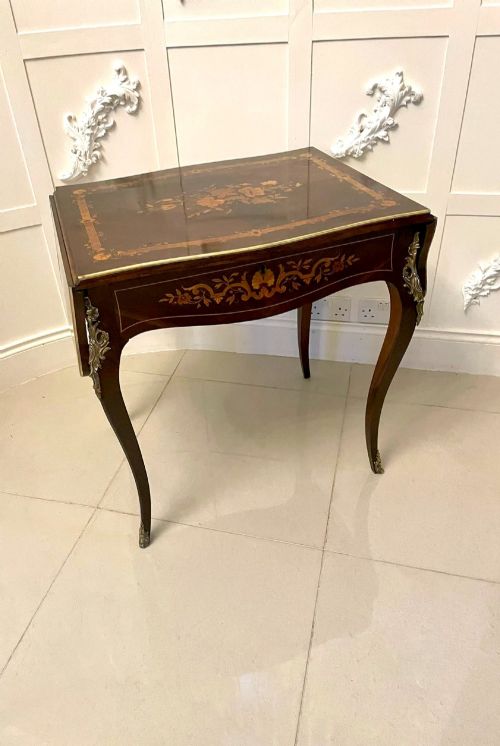
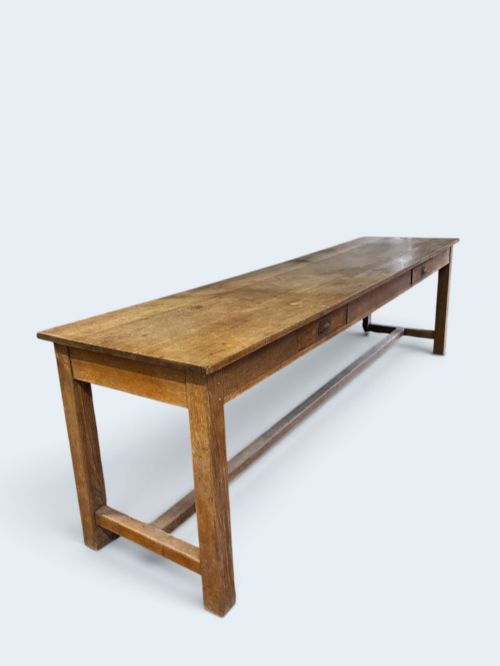
Pieces frequently display regional and stylistic diversity, moving from ornate Louis XV and XVI revivals with marquetry to clean-lined Art Deco interpretations and rustic farmhouse oak. Buyers often encounter variations designed for specific domestic duties, such as compact nightstands, writing desks, and narrow console tables.
The selection reflects both formal urban cabinet-making and unpretentious rural craftsmanship. Whether finished with rich gilding and ormolu mounts or left as pale oak and fruitwood, each piece serves as a functional anchor for a hallway, bedroom, or drawing room.
Materials and Construction
Cabinet-makers utilised dense hardwoods such as mahogany, walnut, kingwood, and satinwood, often applying intricate marquetry and parquetry veneers to flat surfaces. These timber structures frequently incorporate contrasting elements like boxwood stringing or fruitwood inlay to accentuate the geometric form.
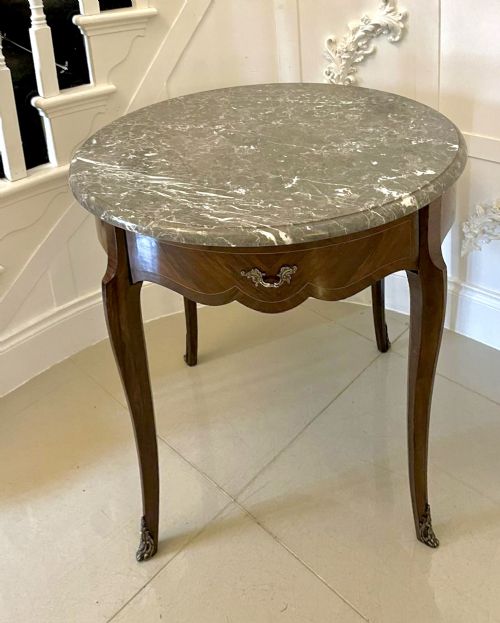
Many tables incorporate heavy white or veined marble tops fitted neatly into wooden or metal frames, alongside cast brass and ormolu mounts. Wrought iron and gilt bronze also appear in structural bases and lamp frames, particularly among pieces produced during the early twentieth century.
Surface treatments range from French polish and clear wax on figured timbers to cream and polychrome paint applications on provincial pine and beech. Joinery techniques prioritize stability in smaller footprints, utilising substantial corner blocks and dovetailed drawer construction where applicable.
The listings here feature oak, mahogany, walnut, and kingwood alongside marble, brass, and wrought iron across various nineteenth and twentieth-century periods.
Evaluation of Craftsmanship
Quality rests heavily on the precision of the timber selection and the crispness of the hand-cut marquetry patterns. Finer examples display continuous grain matching and meticulous attention to detail in floral or geometric wood veneers.
The integration of metalwork distinguishes superior pieces, notably where cast ormolu mounts fit snugly against curved timber profiles rather than sitting proud. Heavy marble slabs with polished bevelled edges and secure undersides also denote higher standards of workshop production.
Structural integrity in smaller supports, such as slender cabriole legs or bobbin turnings, dictates durability. Master makers achieved rigidity without bulk, ensuring joints remain tight and the overall silhouette maintains proportion and balance.
François Linke·E Rousseau
The Vintage French Side Table Glossary
- Marquetry
- Decorative veneer work arranged in pictorial or geometric patterns using various coloured woods. This technique requires exceptional skill to fit timber slivers tightly together.
- Ormolu
- Gilded bronze mounts applied to furniture for decorative effect. The metal is cast and chased before receiving a layer of gold amalgam.
- Étagère
- A small open shelving unit or side table with multiple tiers. These were popular for displaying ornaments or holding books.
- Cabriole leg
- A furniture leg that curves outward and then tapers inward, finishing in a pad, claw, or scroll foot. It mimics the shape of an animal's leg.
- Bureau plat
- A type of freestanding writing desk featuring a flat rectangular top and drawers in the frieze. These pieces are finished on all sides to allow placement in the centre of a room.
Vintage French Side Table: Frequently Asked Questions
What distinguishes a gueridon from a standard side table?
A gueridon is a specific type of small round table originating in France during the seventeenth century, typically supported by a central column or three sculptural legs.
Unlike standard rectangular side tables designed to sit flush against walls, traditional gueridons are intended to stand freely in the middle of a room for holding lamps or decorative objects.
How do I care for a marble-topped table?
Marble surfaces benefit from regular wiping with a soft, damp cloth and neutral soap to prevent staining from acidic liquids or oils.
Avoid abrasive cleaners and harsh chemical sprays that can etch the polished stone surface or damage adjacent wood and gilt mounts.
Where should I place an étagère?
An étagère works well in smaller alcoves or beside seating areas where vertical display space is needed without a heavy footprint.
The multiple tiers provide convenient surfaces for lamps, books, or small collections while maintaining an open, airy visual profile in the room.
How can I identify a Louis XV revival piece?
Louis XV revival furniture is characterised by asymmetrical ornamentation, flowing serpentine curves, and prominent cabriole legs.
These pieces frequently feature floral marquetry, naturalistic ormolu mounts, and a general absence of straight architectural lines.