
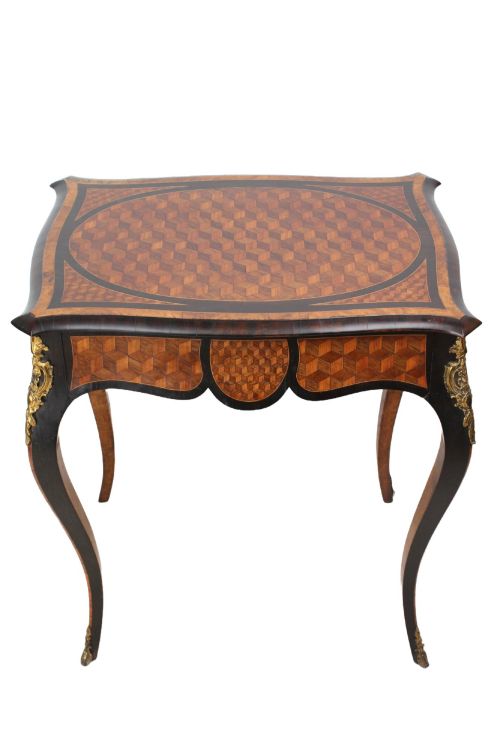
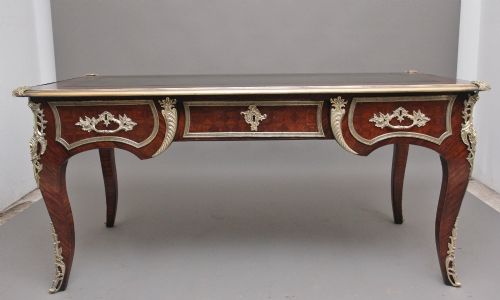
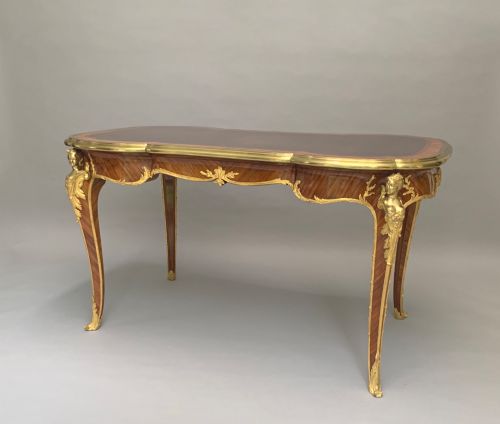
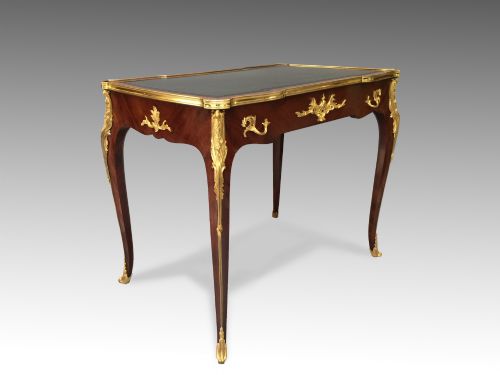
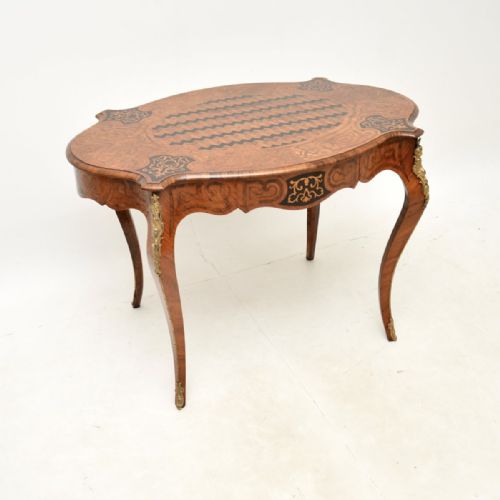
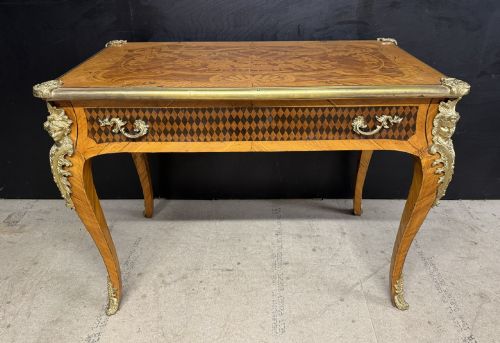
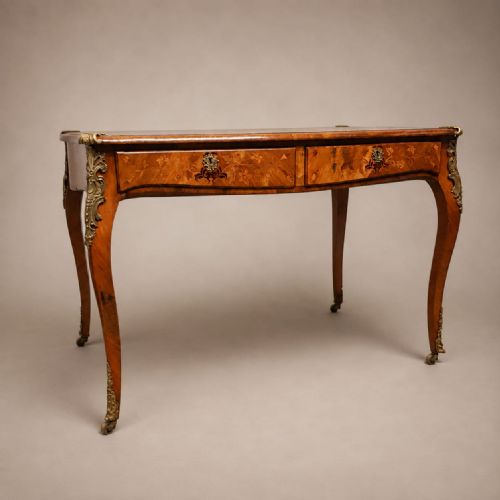
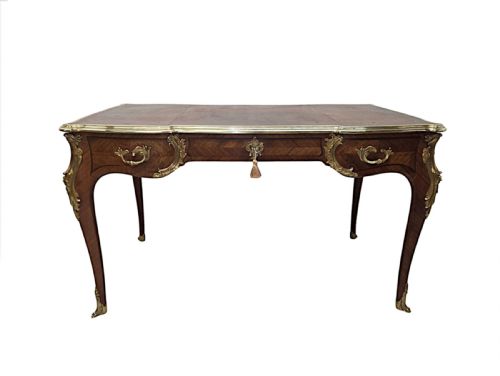
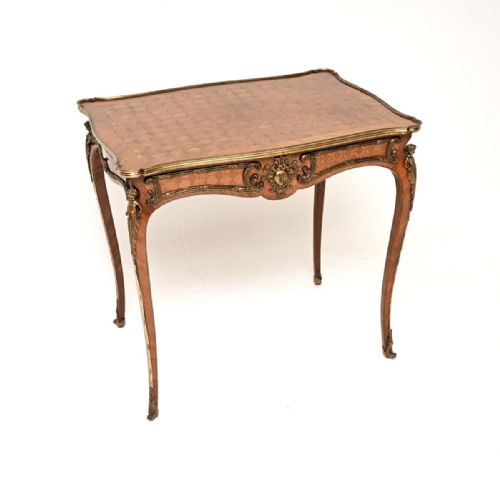
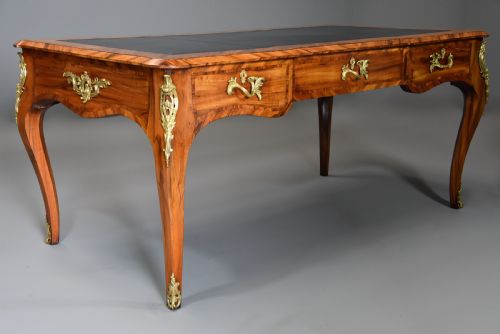
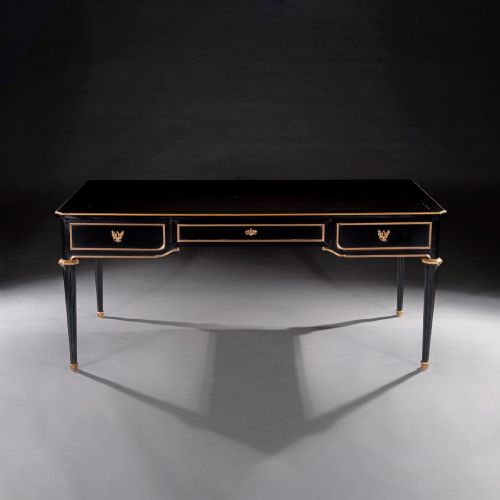
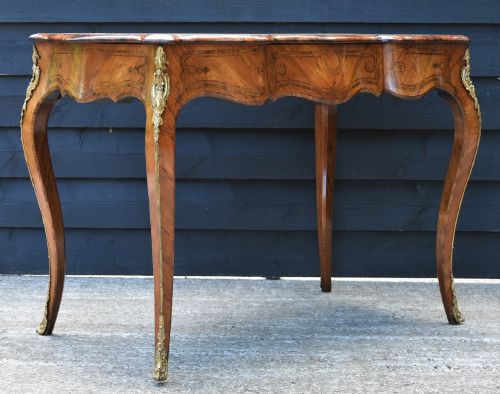
Ormolu Mounted Bureau Plat
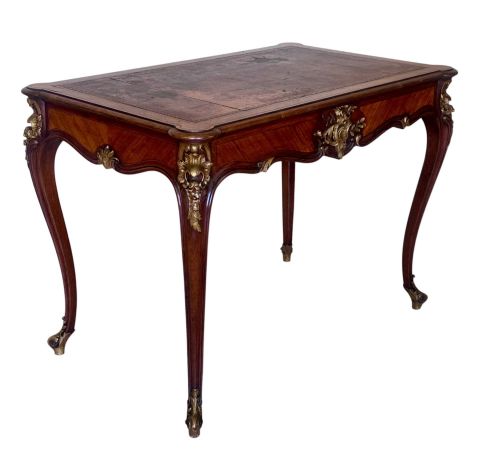
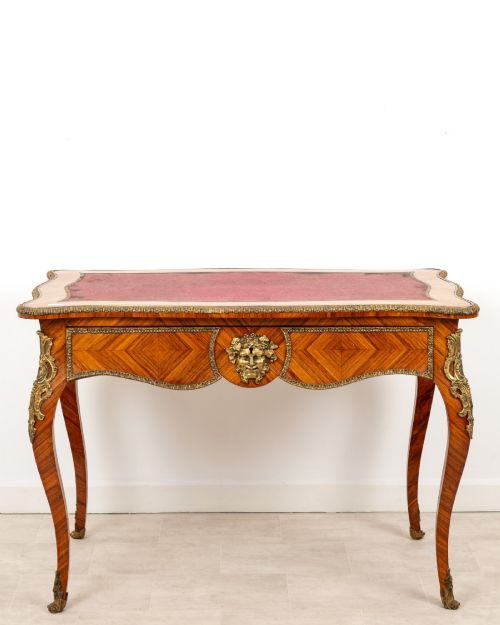
An ormolu mounted bureau plat brings grand writing surfaces and gilt decoration into a room, combining practical workspace with striking nineteenth-century French style.
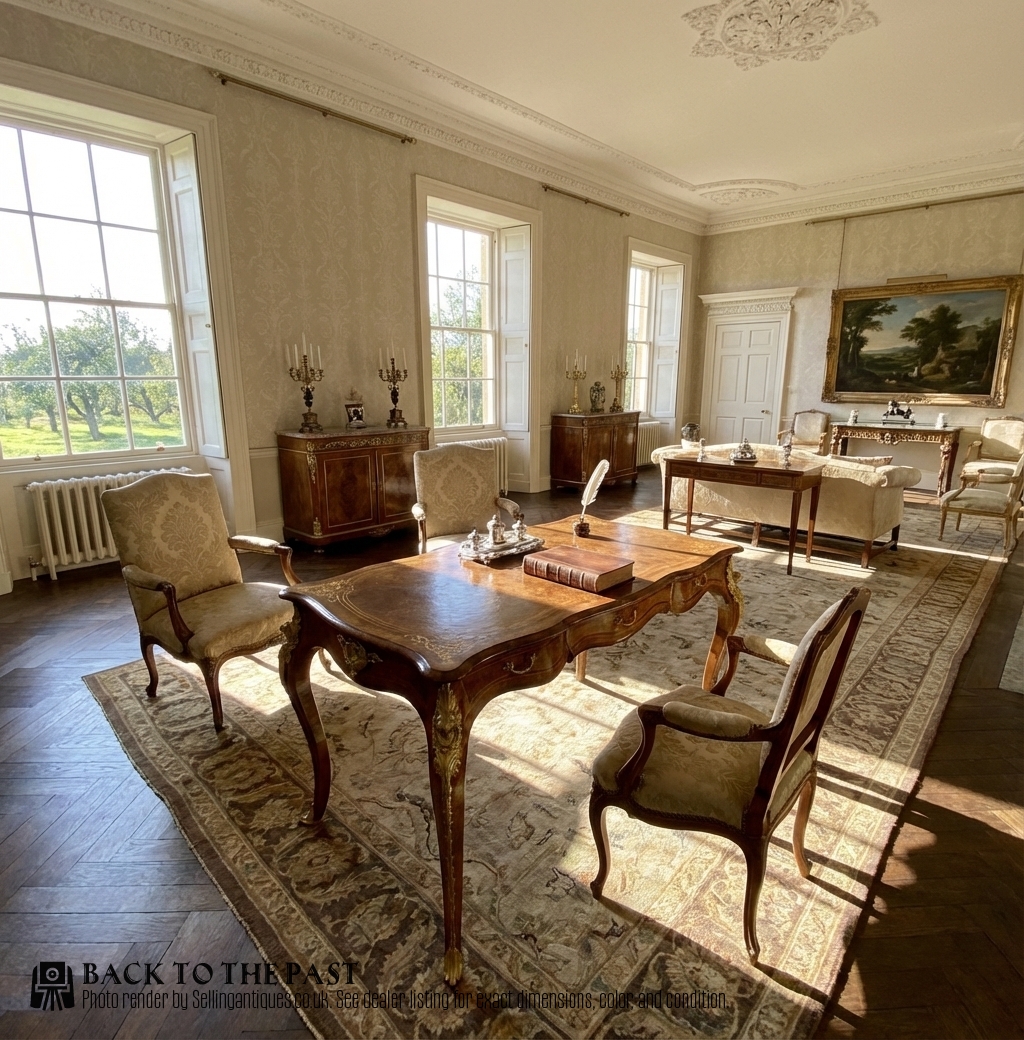
What an ormolu mounted bureau plat is
An ormolu mounted bureau plat functions primarily as a freestanding writing table or centre desk. Most examples encountered here belong to the nineteenth century, particularly the Louis XV revival and Napoleon III periods, drawing inspiration from earlier French court furniture.
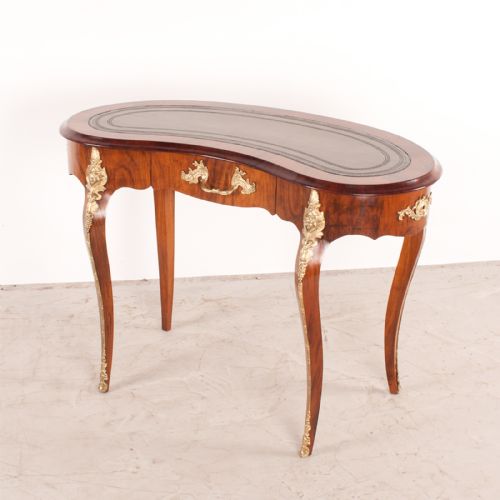
While many pieces originate from French workshops, English interpretations also appear, sometimes rendered in walnut or mahogany rather than exotic veneered timbers. These desks were designed to sit proudly in the middle of a room rather than against a wall.
How they were made
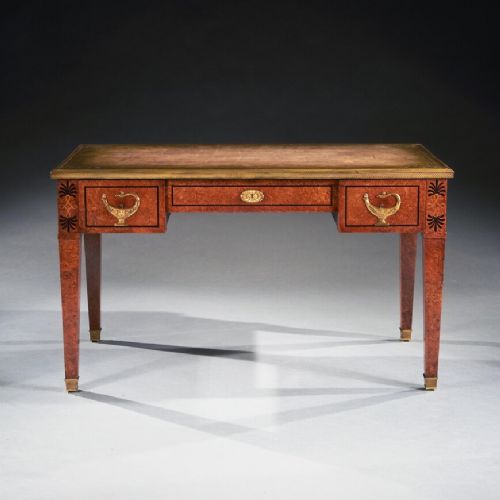
Cabinetmakers constructed the carcase from solid timbers such as mahogany or oak before applying decorative veneers like kingwood, rosewood, walnut or brass boulle work. Marquetry and parquetry patterns created intricate geometric or floral designs across the flat surfaces.
The defining ormolu mounts started as hand-chased bronze castings finished with mercury gilding or electroplating to achieve a brilliant golden lustre. These heavy metal ornaments were screwed or pinned carefully to the wooden frames to protect vulnerable edges and corners.
Retail Price Guide 2026
Typical UK retail prices for ormolu mounted bureau plat, calculated from the Sellingantiques database of over a million retail prices indexed since 2003. This retail price guide relies exclusively on Sellingantiques data; no external sources or auction records are used, so the figures do not describe the wider market.
Materials recorded across the archive include kingwood, rosewood, mahogany, walnut, brass, leather and gilt bronze.
What varies in quality
The crispness of the cast bronze mounts distinguishes standard production from the work of master ateliers. Finer pieces exhibit deeply chased details in the ormolu where individual feathers, leaves and scrolls retain sharp edges and varied textures.
The choice and execution of timber veneer also dictate the hierarchy of these desks. Matched symmetrical grain patterns, precise parquetry and the integration of secondary timbers within secret drawers demonstrate superior craftsmanship.
Francois Linke·Edwards and Roberts·Hopilliart Paris
The Ormolu Mounted Bureau Plat Glossary
- Ormolu
- Gilt bronze ornamentation applied to furniture, cast and hand-chased to achieve a bright golden appearance. It protects corners and adds ornamental splendour.
- Bureau plat
- A flat-topped writing table, usually freestanding with one or more drawers in the frieze. This form developed in France during the seventeenth century.
- Kingwood
- A dense, richly grained tropical timber prized for its distinctive dark violet and golden-brown stripes. It frequently forms the surface veneer on nineteenth-century revival desks.
- Boulle work
- Marquetry consisting of tortoiseshell and brass inlay, named after the master cabinetmaker André-Charles Boulle. It adds dramatic contrast and shimmer to furniture surfaces.
- Marquetry
- Decorative veneer arranged in pictorial or abstract patterns across wooden panels. Artisans cut thin slices of different coloured woods to assemble the design.
Frequently Asked Questions
Where should I place a bureau plat?
Because these desks are finished on all sides for freestanding use, they look best positioned in the middle of a study or living room. Allowing space around the piece reveals the full extent of the ormolu mounts and veneered back panels.
Ensure direct sunlight does not hit the leather writing surface or polished timber veneers for extended periods. Positioning the desk away from intense heat sources prevents the wood from drying and cracking.
How do I care for the leather top?
The inset leather panel benefits from occasional treatment with a neutral leather balm to keep the surface supple and prevent it from drying out. Avoid harsh chemical cleaners that can strip the gold tooling around the edges.
Use a soft, dry cloth to remove dust from both the leather and the surrounding timber. Moisture should be kept away from the gilt bronze mounts to prevent tarnishing.
How can I tell a revival piece from an older original?
The vast majority of these desks date from the nineteenth century, reflecting nineteenth-century revivals of earlier French monarchical styles. Construction details, machine-cut screws and secondary woods often help distinguish these later interpretations from eighteenth-century examples.
Examine the construction of the drawer linings and the underside of the desk for tool marks and timber ageing. Maker signatures or stamps on the bronze mounts can also clarify the exact period of manufacture.
Were these desks used for writing?
These tables served primarily as correspondence desks for writing letters and managing personal affairs in grand homes. The wide tops provided ample space for paper, inkstands and writing accessories.
Frieze drawers often housed secret compartments or fitted trays to hold pens, sealing wax and stationery. Despite their decorative appearance, they remained fully functional pieces of executive furniture.