
Late 19th Century Desk
A late 19th century desk brings substantial timber and period character to a study.
What these desks are
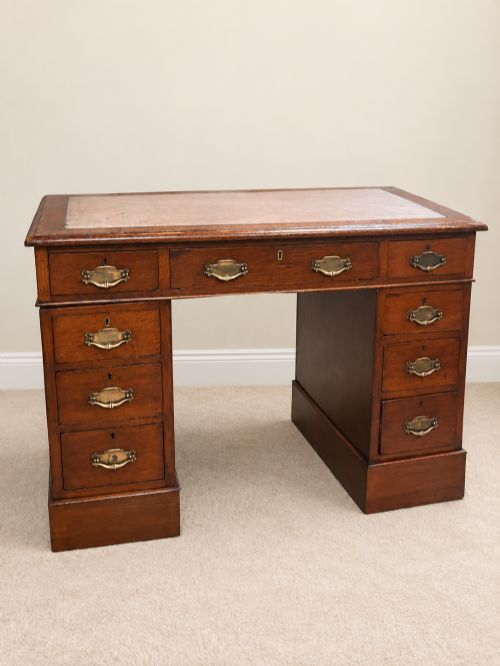
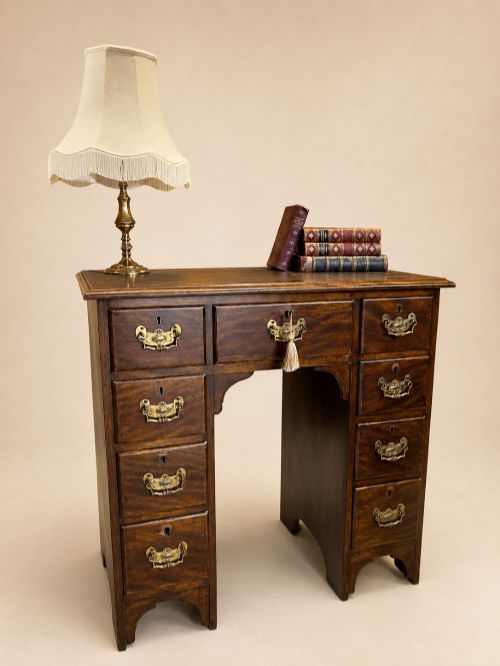
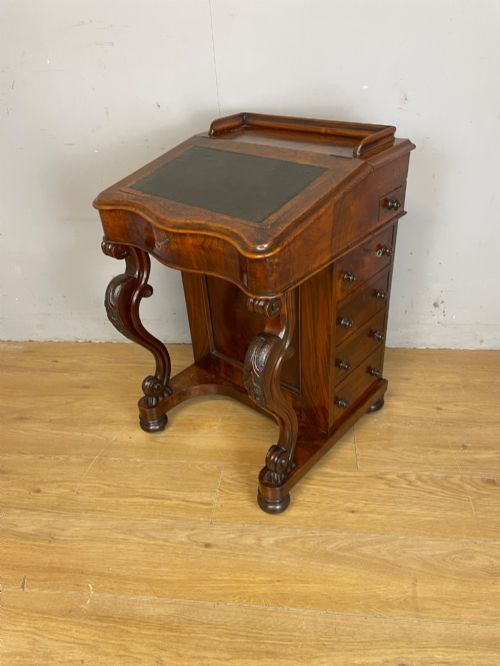
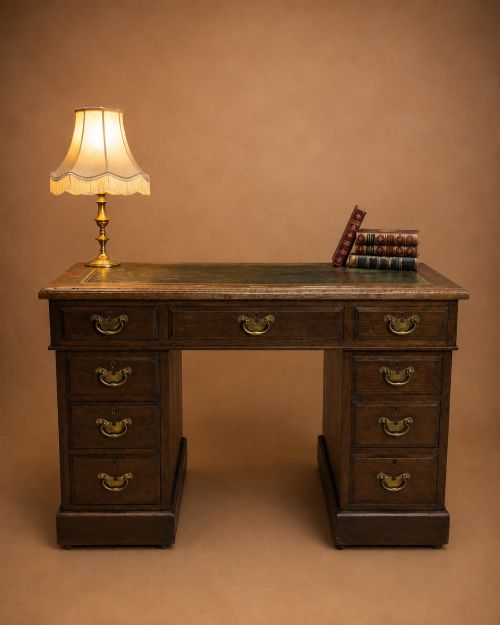
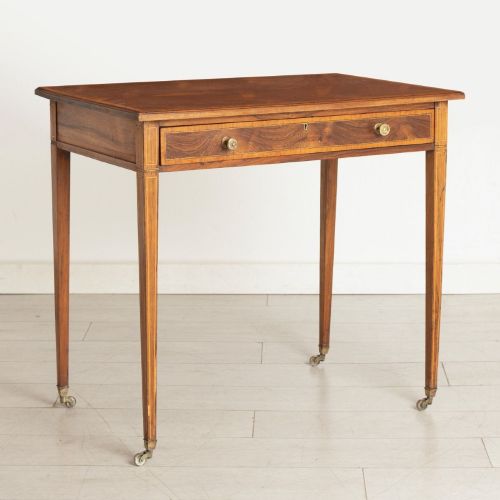
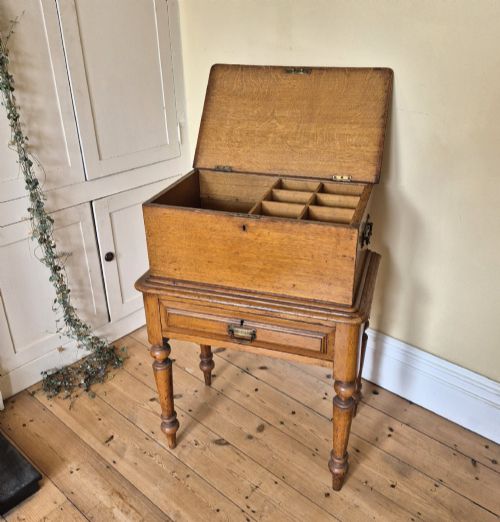
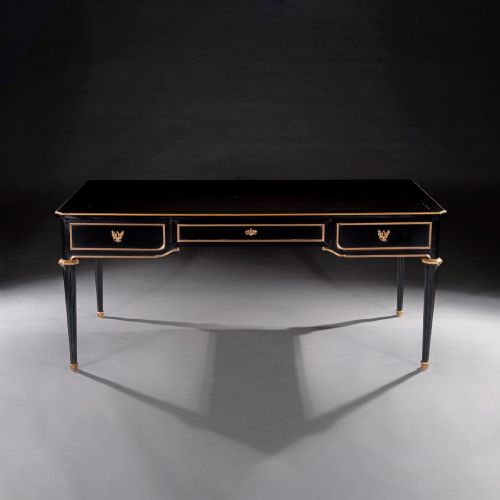
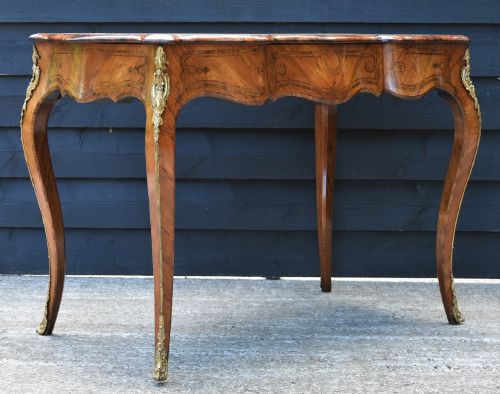
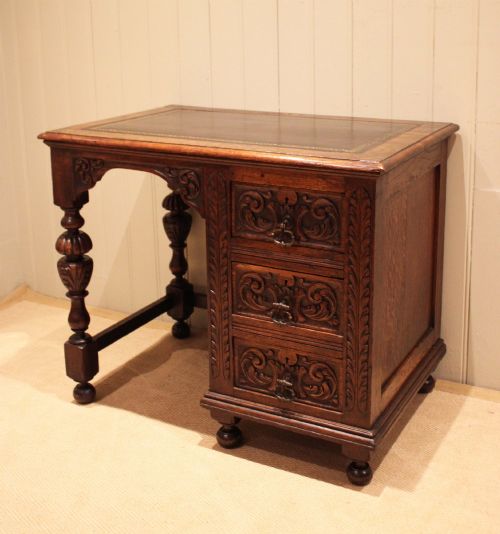
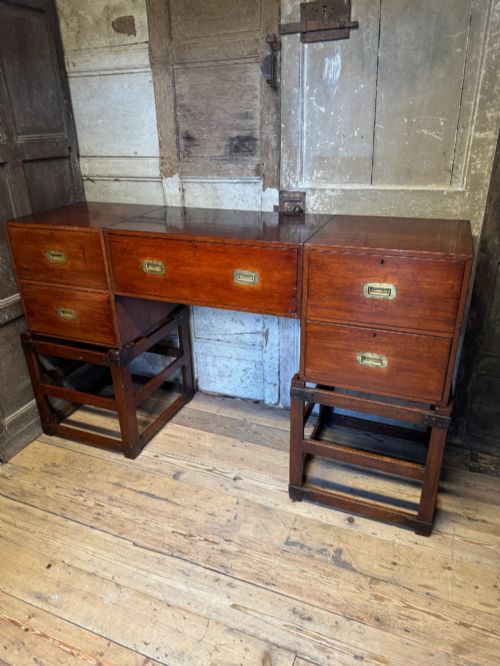
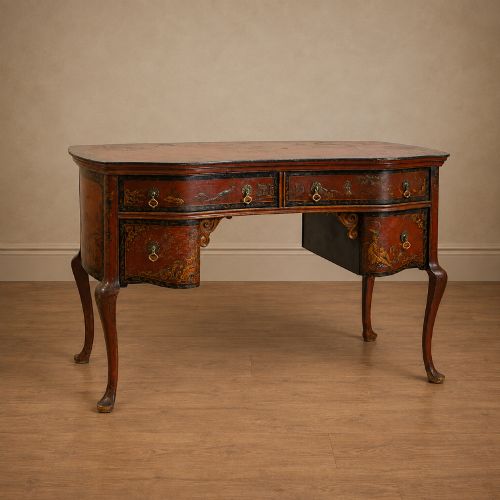
A late 19th century desk encompasses utilitarian pedestal forms and decorative writing tables produced during the Victorian era and the decades around eighteen hundred and ninety. These pieces served the administrative needs of homes and offices, utilising traditional layouts like kneehole configurations, partners setups, and freestanding writing tables. You will frequently encounter mahogany and oak pedestal desks alongside French writing tables finished in walnut, kingwood, and marquetry.
The styles span British Victorian interpretations, Jacobean revivals, and continental movements including Louis XV Revival, Napoleon III, and Japanese Meiji period examples. Formats range from large breakfront twin-pedestal partners desks down to compact ladies writing tables and tambour front variants. Each object reflects the period preference for heavy, functional timbers combined with ornate decorative detailing.
What varies in quality
The distinction between standard utility furniture and superior examples lies in the selection of timber figures and the execution of decorative details. Desks utilising highly figured oak, book-matched mahogany, or intricate marquetry inlay represent higher tiers of craftsmanship compared to plain surfaces. The presence of hand-tooled leather skivers, cast ormolu mounts, and solid brass hardware elevates a piece above standard commercial production.
Structural complexity also defines the grading of these desks, with breakfront pedestals, partners configurations, and serpentine shapes requiring greater carpentry skill than simple rectangular writing tables. The integration of specialised mechanisms, such as tambour shutters or revolving components, demonstrates advanced construction standards within the period.
Retail Price Guide 2026
Typical UK retail prices for late 19th century desk, calculated from the Sellingantiques database of over a million retail prices indexed since 2003. This retail price guide relies exclusively on Sellingantiques data; no external sources or auction records are used, so the figures do not describe the wider market.
Desk tidies and perpetual desk calendars prove that Victorian office clutter is an enduring human tradition.
Heal And Son
The Late 19th Century Desk Glossary
- Pedestal desk
- A heavy writing table supported by two vertical banks of drawers, with a central space for the user's legs.
- Partners desk
- A large double-sided desk designed for two people to work opposite one another, featuring drawers and cupboards on both faces.
- Skiver
- A panel of leather inset into the top surface of a desk to provide a smooth writing substrate, often decorated with gold tooling.
- Marquetry
- Decorative patterns formed by fitting together thin slices of various coloured wood veneers onto a structural surface.
- Ormolu
- Gilt bronze mounts applied as decorative ornamentation to the corners, legs, and aprons of continental furniture.
- Tambour
- A flexible shutter made from narrow strips of wood glued to canvas, allowing a desk top to slide open horizontally.
Frequently Asked Questions
What is a pedestal desk?
A pedestal desk is a heavy freestanding writing table supported by two structural columns of drawers flanking a central kneehole space. These pieces provided substantial storage and surface area for administrative work in nineteenth century studies.
Today, they function well as central executive desks in home offices, offering generous proportions and deep storage drawers for modern stationery and equipment.
What woods were used for these desks?
Cabinet makers predominantly utilised mahogany and oak for British institutional and domestic furniture, supplemented by walnut, satinwood, and Japanese hardwood. Continental pieces frequently employed kingwood with marquetry inlay and walnut with ormolu mounts.
These timbers were chosen for their density and grain figure, taking a polished finish that highlighted the natural patterns of the wood over decades of use.
How do I care for a leather desk top?
The leather top, or skiver, requires gentle cleaning with a damp cloth and occasional treatment with specialist leather balms to prevent drying and cracking. Avoid using harsh chemical solvents or placing hot cups directly onto the leather surface.
Preserving the original skiver maintains the historical character of the piece, though worn examples can be re-tooled by professional conservators using traditional methods.
What styles are common in late nineteenth century desks?
Common styles include utilitarian Victorian mahogany and oak pedestal models, alongside revival designs such as Louis XV, Jacobean, and Sheraton Revival. French bureau plat tables and decorative walnut writing desks also appear frequently from this era.
Selecting a style depends on the interior setting, as heavy oak revival pieces offer a traditional architectural presence while French kingwood tables provide lighter decorative accents.