

French Mahogany Desk
When you search for a french mahogany desk, you enter a world of refined writing surfaces shaped by classic continental cabinetmaking traditions.
French Mahogany Desk
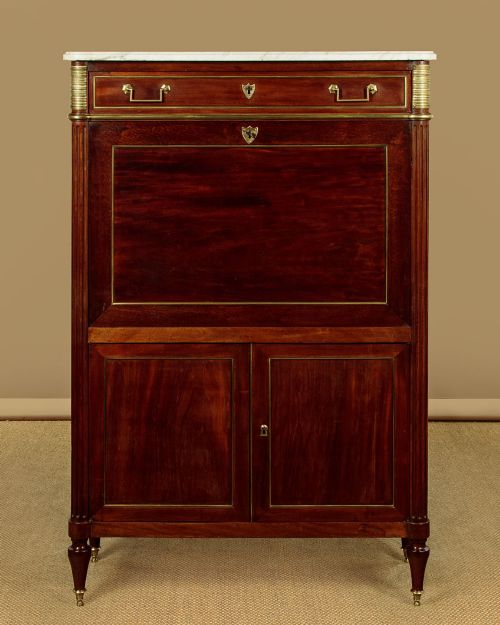
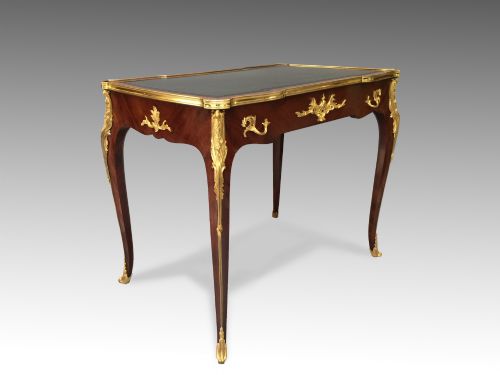
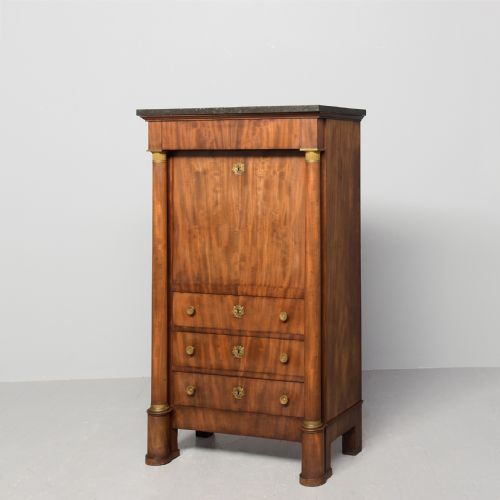
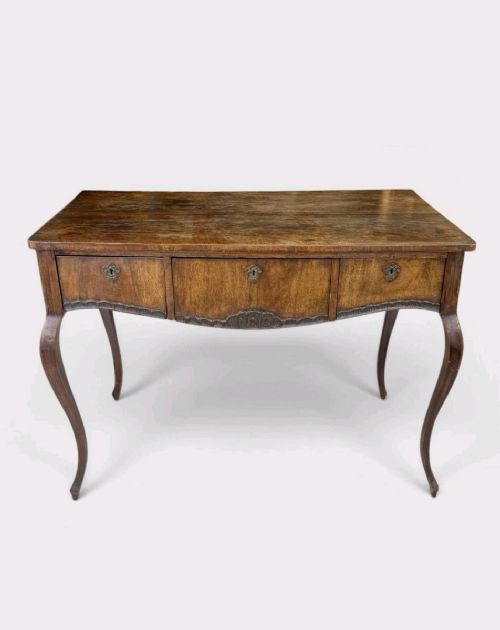
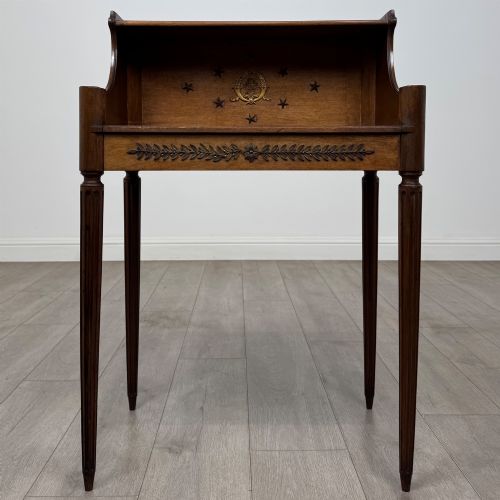
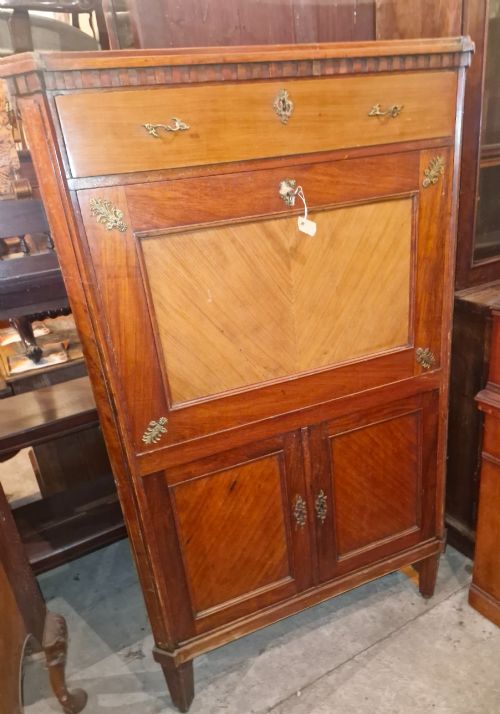
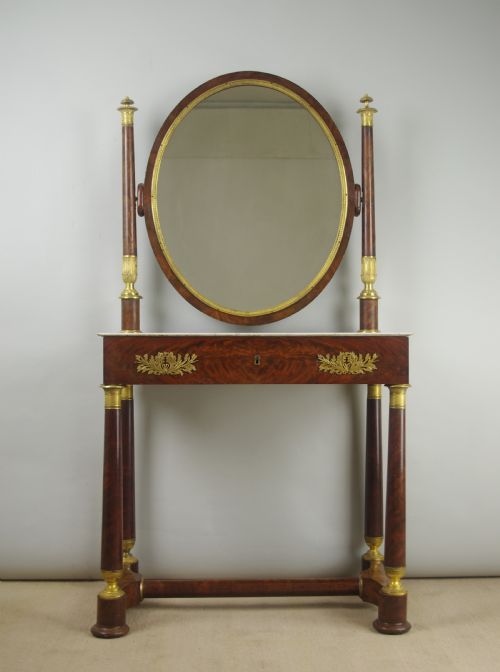
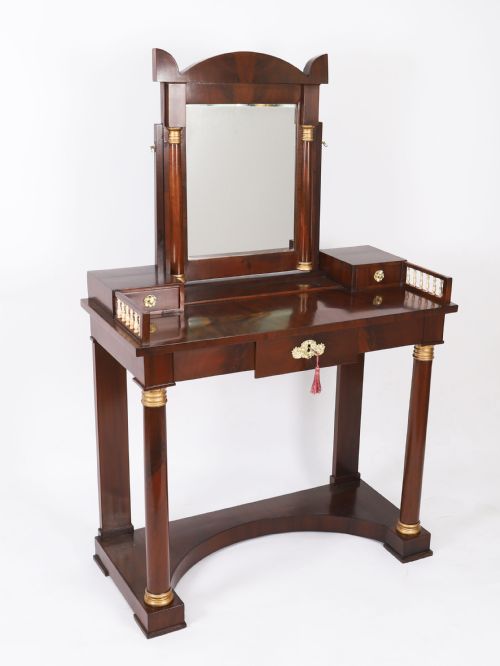
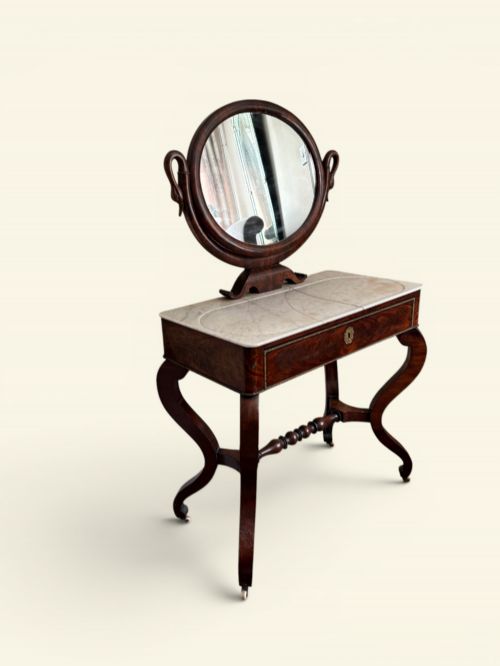
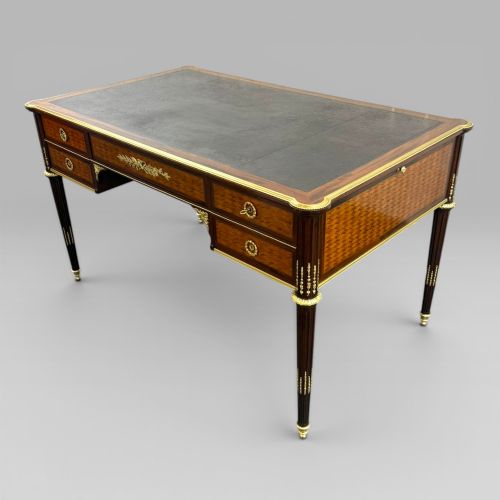
A french mahogany desk encompasses several distinct utilitarian forms designed for correspondence and administration, ranging from the upright secretaire abattant to the wide bureau plat and pedestal table. These pieces emerge predominantly from nineteenth-century workshops, drawing upon earlier eighteenth-century proportions and later revival movements.
The buyer frequently encounters variations that include drop-front writing compartments, leather-inset tops, and concealed drawers suited for private documents. Examples span formal empire expressions with strict symmetry to lighter louis-style occasional writing tables.
Makers often integrated compartments for stationery alongside structural drawers, balancing utility with strict aesthetic hierarchy. Pieces reflect the prevailing tastes of european interiors, utilising dense timber grains to assert presence within a room.
Materials and Construction
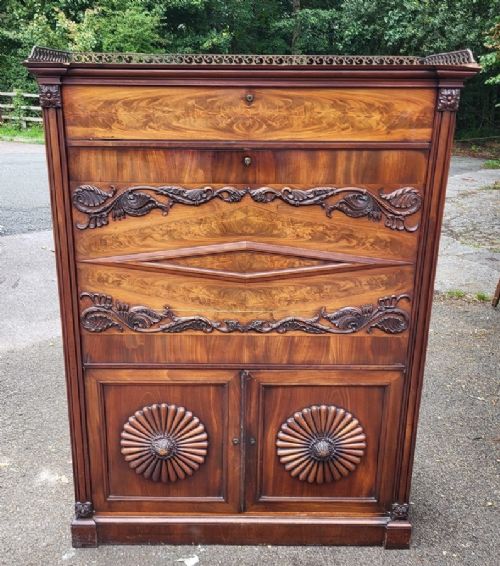
The primary structural timber is mahogany, frequently selected in figured or flame varieties to create undulating visual patterns across large vertical and horizontal surfaces. Cabinetmakers combined solid construction with precise veneers laid over secondary framing timbers to ensure stability.
Metal ornamentation plays a structural and decorative role, with cast brass, gilt bronze, and ormolu mounts framing corners, drawer fronts, and key escutcheons. Insets of tooled leather provide the writing surface, bordered by subtle gilt tooling or brass stringing.
Stone surfaces appear frequently on specific forms, utilising marble slabs fitted neatly to the upper tiers of secretaires and console tables. Interior elements often incorporate secret compartments operated by hidden spring mechanisms or sliding panels.
French Mahogany Desk Retail Price Guide 2026
Typical asking prices for french mahogany desk among the pieces listed under this phrase on Sellingantiques today, from the lower quarter to the upper quarter. They describe what is for sale here now, not the wider market.
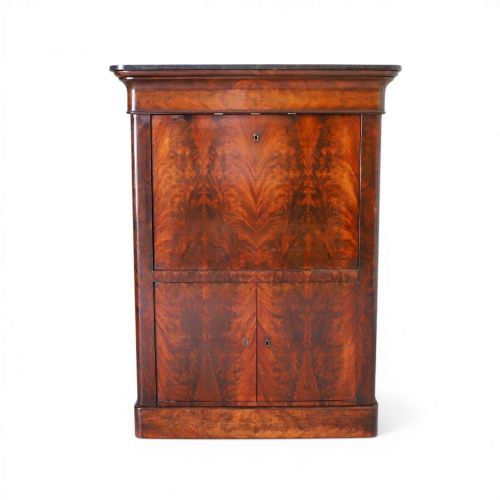
Listings demonstrate an abundance of nineteenth-century forms, with flame mahogany and marble-topped secretaires appearing alongside brass-inlaid writing tables.
Assessing Excellence
The distinction between ordinary and superior pieces rests upon the precision of the cabinetmaker's joinery and the selection of the mahogany veneer. Superior examples display continuous, book-matched grain patterns across entire drawer banks rather than mismatched patches of timber.
Chiselling and fire-gilding define the calibre of applied ormolu mounts, where crisp detailing and heavy metalwork signal superior workshop output. Inferior pieces rely on stamped, lightweight brass with shallow relief and minimal hand-finishing.
The integrity of internal secondary woods, hand-cut dovetailing on drawer boxes, and the retention of original locks and keys elevate a piece. Master workshops integrated structural bracing that prevented warping without sacrificing the clean architectural lines of the silhouette.
François Linke·Edwards & Roberts·Walker and Hall·Maurice & Marcel Moulin Favre-Bulle·Jean-Joseph Chapuis·Krieger
The French Mahogany Desk Glossary
- Secretaire abattant
- A tall, upright cabinet featuring a hinged fall-front writing surface that conceals fitted interior drawers and pigeonholes. This vertical form maximises storage while occupying minimal floor space.
- Ormolu
- Gilded bronze mounts applied to the angles, feet, and friezes of fine furniture. The technique involves applying a mercury-gold amalgam to cast bronze before firing.
- Flame mahogany
- A veneer cut from the fork of the mahogany tree where the branch meets the trunk, producing a distinctive flickering flame-like pattern. It was prized for principal display surfaces.
- Tambour
- A flexible sliding shutter formed of narrow strips of wood glued to a canvas backing, allowing small cylinder desks to enclose their writing slopes smoothly.
French Mahogany Desk: Frequently Asked Questions
What is a bureau plat?
A bureau plat is a flat-topped writing table featuring drawers within the frieze, designed to stand away from the wall in the centre of a room. These tables often incorporate mounted bronze accents and leather surfaces.
Cabinetmakers constructed these desks for formal salons and studies, ensuring all sides received careful finishing since the back remained visible during use.
How do I identify flame mahogany?
Flame mahogany displays a dramatic, swirling grain pattern that resembles flickering fire tongues, achieved by cutting through the timber at the junction of branches. This figuring appears on prominent surfaces like fall-fronts and desk lids.
Makers arranged these distinctive veneers symmetrically to create balanced optical designs across the width of the furniture.
Where were secretaire abattants placed?
These upright writing cabinets found their places in bedrooms, private boudoirs, and libraries where floor space was at a premium. The drop-front allowed owners to write letters without deploying a larger standalone table.
Inside, small drawers and pigeonholes held stationery, wax seals, and inkwells safely out of sight when the fall-front remained locked.
What distinguishes empire style desks?
Empire style furniture relies on architectural symmetry, classical proportions, and restrained mahogany surfaces punctuated by bright ormolu mounts. Motifs often draw inspiration from ancient Roman and Greek archaeology.
These pieces project formal dignity through rectilinear geometry, solid pillar supports, and unadorned expanses of dark tropical wood.
How should I care for leather desk tops?
Leather writing surfaces benefit from gentle cleaning using specialised leather balms that prevent drying and cracking over time. Avoid harsh chemical cleaners or excess moisture during maintenance.
Using blotters during writing protects the vintage leather from ink stains and deep scratches while preserving the original gilt toolwork.