
Vintage French Art Glass
These vintage french art glass pieces bring distinctive twentieth-century design and colour into a room.
Vintage French Art Glass
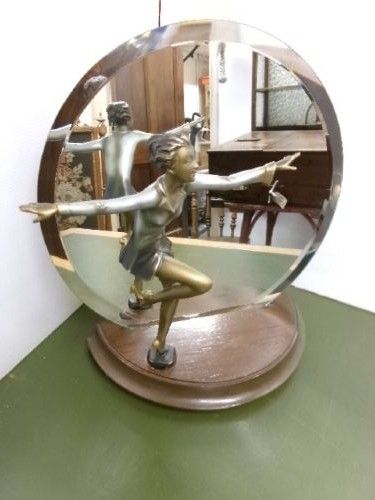
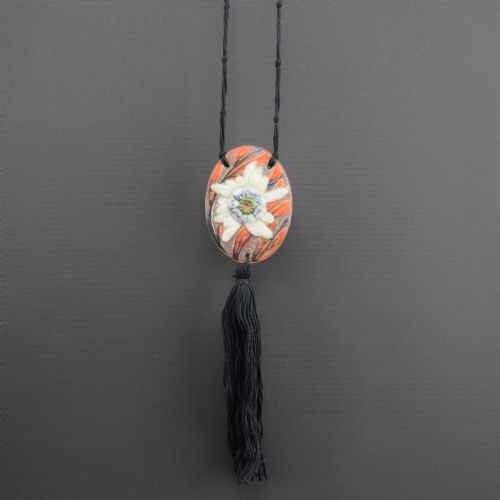
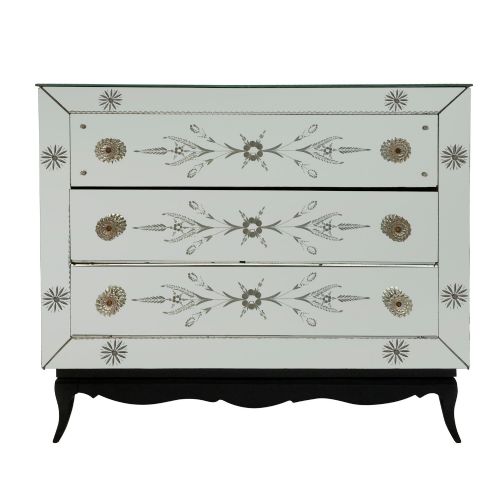
Vintage french art glass encompasses decorative objects from the late nineteenth and early twentieth centuries, spanning periods such as 1900, 1910, 1920, and 1930. When searching this phrase, buyers encounter forms ranging from vases and car mascots to perfume bottles, bowls, and table lamps.
The objects frequently display Art Nouveau, Art Deco, and French Mid-Century styles. Pieces originate from makers and glassworks operating during these periods, utilising moulded, frosted, opalescent, and clear glass.
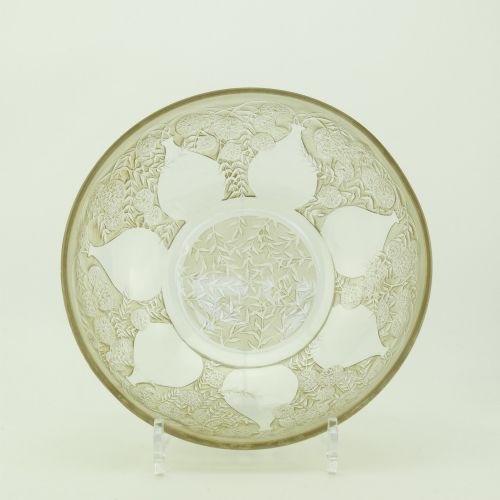
Vases and decorative vessels appear alongside lighting fixtures and small accessories like powder boxes and paperweights. These items capture the changing aesthetic shifts from organic floral motifs towards geometric modernism.
What varies in quality
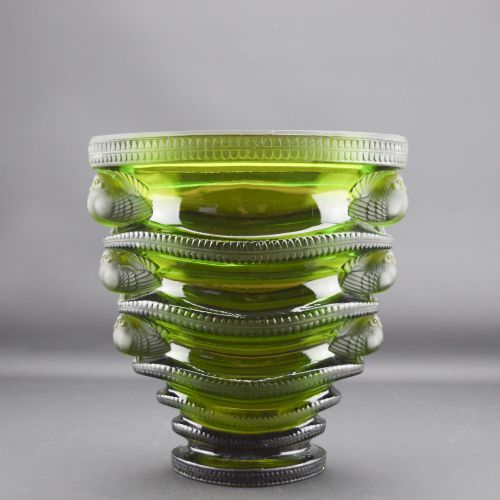
Quality depends on the crispness of the moulded detail and the depth of the glass colour. Pieces with distinct signature marks and complex multi-layered acid-etching or pate de verre work stand apart.
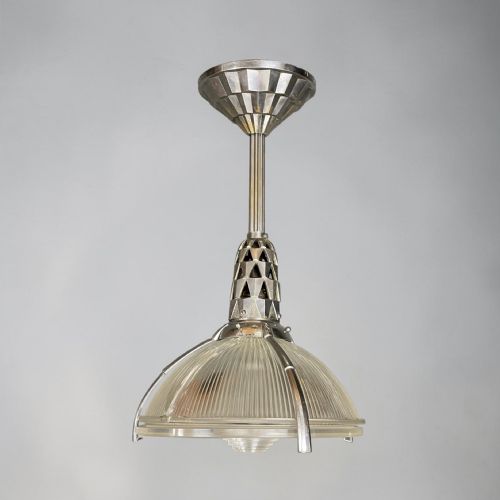
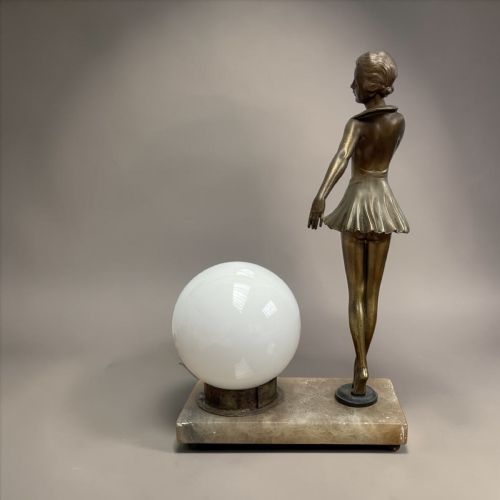
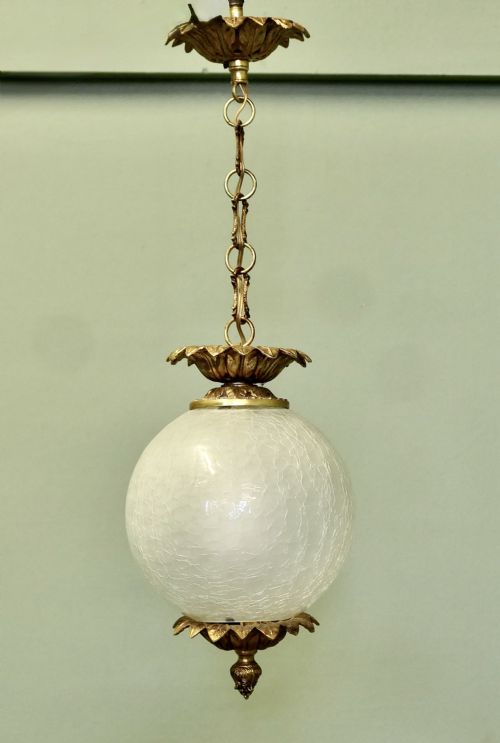
The integration of metal mounts, whether bronze, brass, or wrought iron, contributes to the overall cohesion of lamps and decorative objects. Finer examples maintain crisp sculptural definitions in both the glass body and any accompanying metalwork.
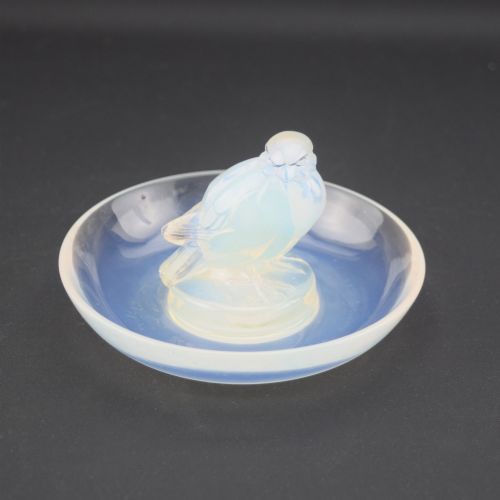
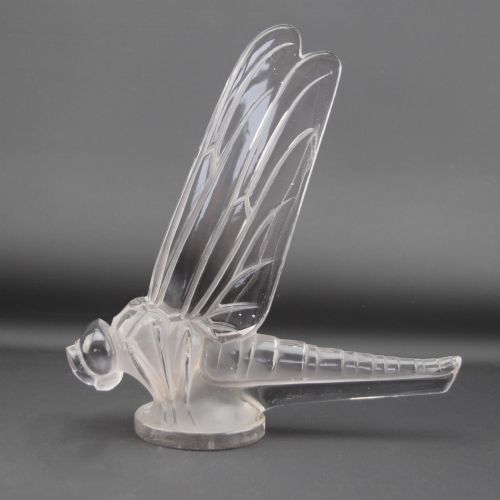
Glass beetles, butterflies, love birds, and leaping greyhounds regularly feature perched atop ashtrays, clocks, and radiator caps.
Rene Lalique·Galle·Daum·Argy Rousseau·Amalric Walter·Baccarat·Charles Schneider·Daum Freres
The Vintage French Art Glass Glossary
- Opalescent Glass
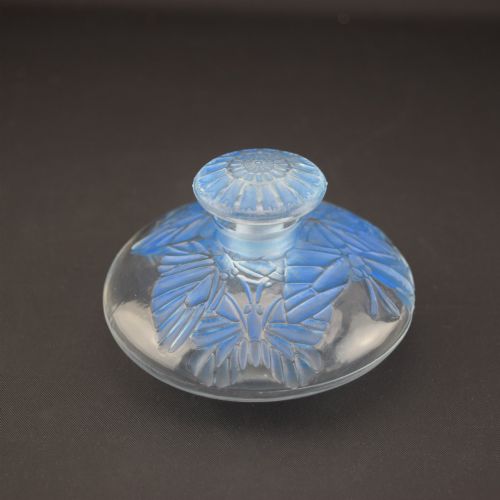
- Glass that milky-blue or white appearance when lit, scattering light across moulded reliefs. This effect appears frequently in decorative bowls and vases from the 1920s.
- Cameo Glass
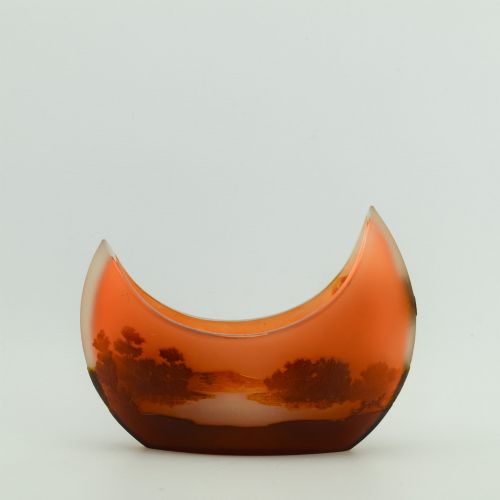
- Glass vessels formed of multiple fused layers that are carved or acid-etched to reveal contrasting background colours. Landscapes and floral scenes are common motifs in this technique.
- Pate de verre
- A glass-casting method where finely crushed glass is packed into a mould and fused in a kiln. This produces dense objects with granular textures and varied colour gradations.
- Frosted Glass
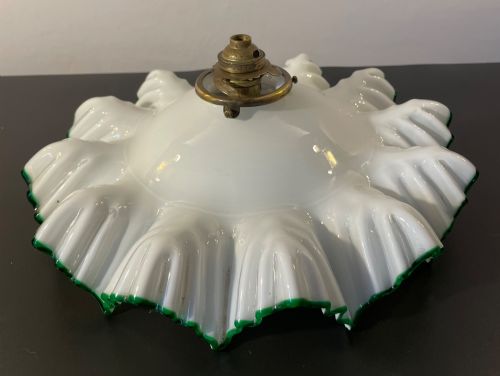
- Glass treated to achieve a matte, non-reflective surface finish through acid-dipping or sandblasting. It diffuses light gently in lampshades and small sculptural figurines.
Vintage French Art Glass: Frequently Asked Questions
How do I identify vintage french art glass?
Look for distinct stylistic indicators from the Art Nouveau and Art Deco periods, including moulded signatures or etched factory marks on the base.
The weight, clarity, and tactile qualities of the glass, whether opalescent, cameo, or frosted, help separate period originals from later reproductions.
What styles are common in these pieces?
The primary styles span ornate, nature-inspired Art Nouveau curves alongside the cleaner geometric lines of Art Deco and French Mid-Century design.
Objects frequently reflect the aesthetic preoccupations of the 1920s and 1930s, incorporating stylised flora, fauna, and abstract motifs.
How were these glass items used originally?
Many pieces served as functional decorative items in homes, ranging from perfume bottles and powder boxes to table lamps and wall clocks.
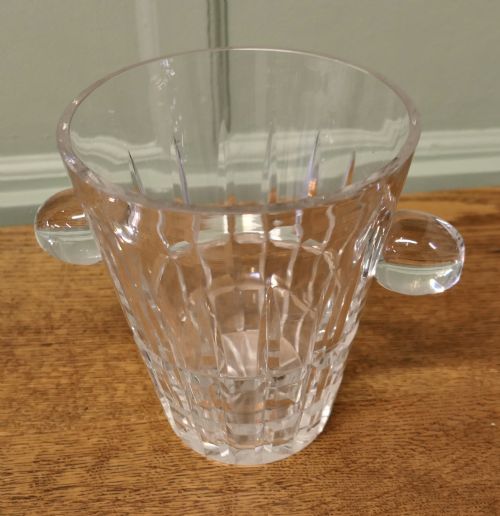
Larger objects included vases, car mascots, ice buckets, and serving trays designed for affluent interwar interiors.
How should I display art glass at home?
Position glass objects near natural light sources or under dedicated cabinet lighting to highlight the translucent qualities of opalescent and coloured crystal.
Ensure items with delicate moulded elements or combined metal bases sit on stable surfaces away from heavy foot traffic.