




Moulded Opalescent Glass
These pieces of moulded opalescent glass catch the light with milky blue and amber tones, prized by collectors for their tactile relief and sculptural weight.
Moulded Opalescent Glass
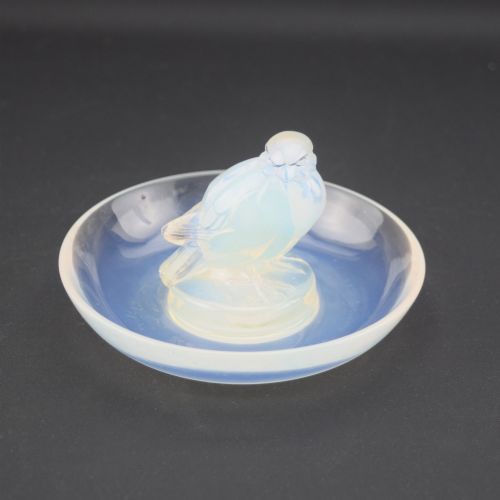
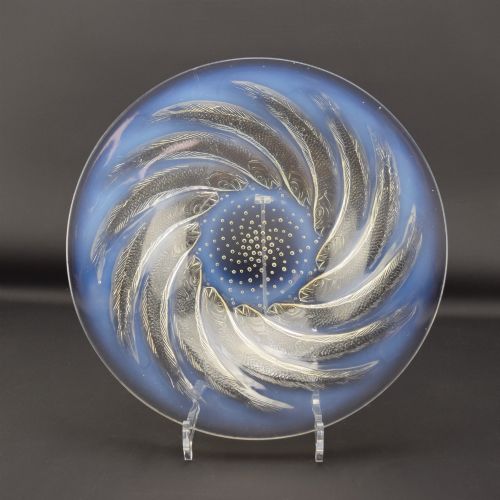
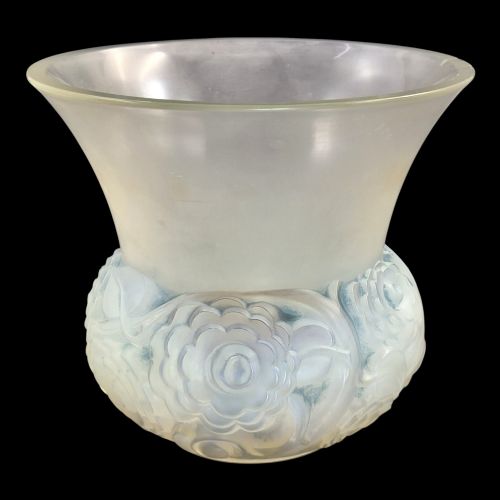
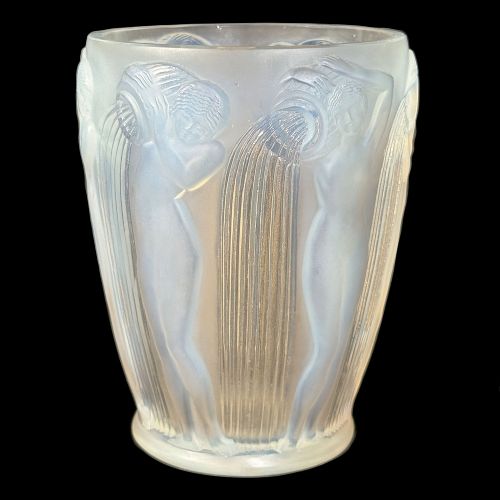
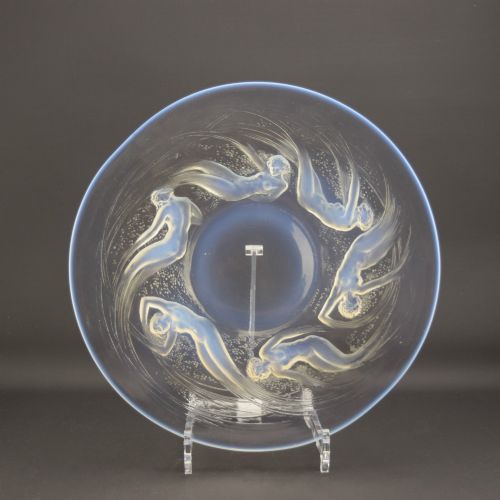
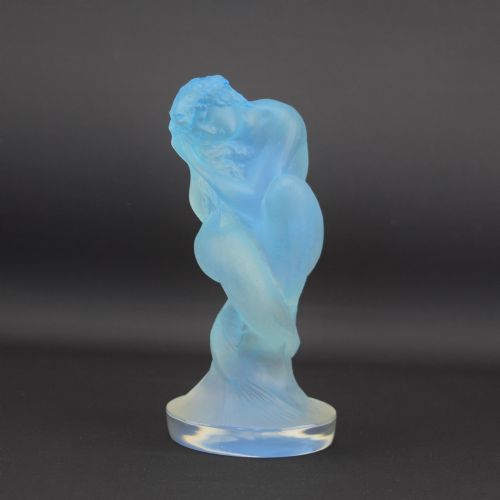
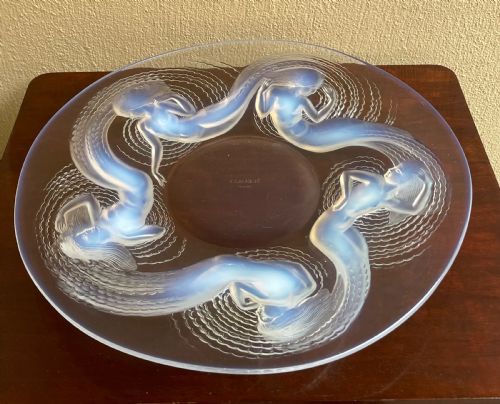
Moulded opalescent glass brings together decorative bowls, vases, plates, figurines, and car mascots created primarily during the early decades of the twentieth century. When you search for moulded opalescent glass, you encounter French output dominated by Art Deco and Art Nouveau aesthetics, alongside British production.
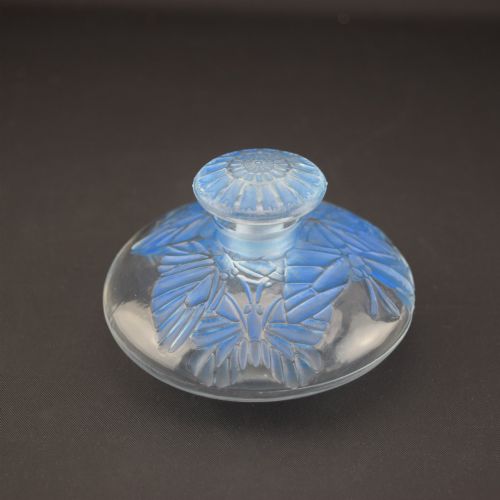
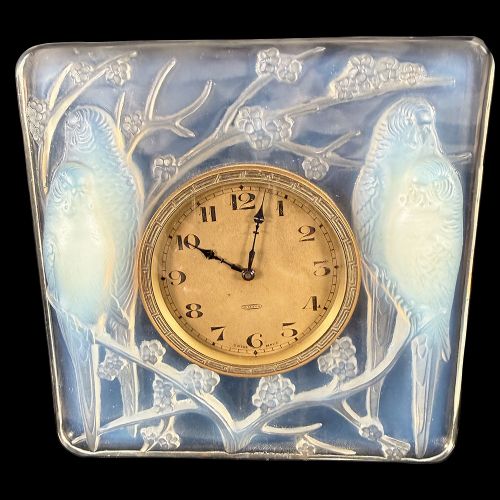
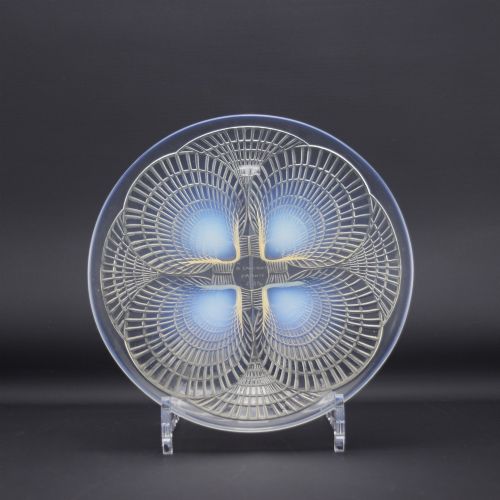
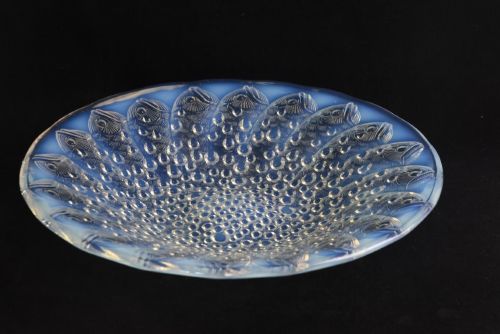
Vases and shallow bowls form the core of the items listed, often displaying botanical motifs like ferns, flowers, and fruit alongside animal figures. These objects shift in appearance depending on the light source, turning from pale milky white to luminous blue when lit from the front.
The objects originate predominantly from French ateliers working in the Edwardian period through the interwar years, utilising metal mounts or glass alone to create functional and decorative items for the home.
How they were made
Makers produced these items by pressing molten glass into metal moulds or blowing glass into shaped vessels, incorporating bone ash or other agents to create the characteristic milky opalescence. The surface relief was often accentuated by staining, frosting, or enamelling the recessed details.
Pressed glass techniques allowed workshops to achieve sharp, three-dimensional figurative elements on bowls, boxes, and car mascots. Subsequent cooling and polishing determined the crispness of the final design against the translucent body.
Drivers in the nineteen-twenties bolted illuminated glass birds and nymphs to their radiator caps, turning evening traffic into a glowing menagerie.
What varies in quality
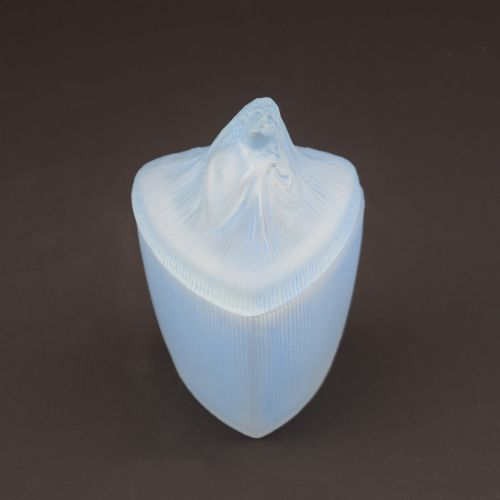
Quality rests in the depth of the opalescent fire and the crispness of the moulded relief, where finer examples display sharp definition in feathers, petals, and human forms. The interaction between the milky highlights and the clear or tinted background glass dictates visual success.
The authority of the signature and the balance of the proportions separate standard production from masterworks. Pieces retaining original metal fittings or specific colour stains command greater visual depth.
Rene Lalique·G Vallon·Etling·Marius Ernest Sabino·Jobling
The Moulded Opalescent Glass Glossary
- Opalescent glass
- Glass that diffuses light to display a milky blue or amber glow, typically appearing at the edges or in raised relief. This optical effect results from the chemical composition reacting during cooling.
- Moulded glass
- Glass shaped by being pressed or blown into a prepared matrix rather than free-blown. This technique allows for repeatable decorative patterns and high-relief imagery.
- Coupe ouverte
- An open bowl or shallow dish designed for display or utility. These items frequently feature repeating botanical or aquatic motifs across the interior.
- Car mascot
- A sculptural glass ornament mounted on the radiator cap of an automobile. These pieces required sturdy construction to withstand vibration and outdoor elements.
- Frosted glass
- Glass treated by acid-etching or sandblasting to create a matte, textured surface. This finish diffuses light and highlights the contours of the moulded design.
Moulded Opalescent Glass: Frequently Asked Questions
What makes opalescent glass change colour?
The optical phenomenon stems from light scattering through micro-crystals suspended within the glass matrix, causing the material to appear milky white or blue when lit from the front and amber when backlit.
This deliberate chemical reaction creates the characteristic fiery glow that collectors look for in interwar decorative pieces.
How should I display opalescent glass?
Place these items near natural light sources or on illuminated shelves where light can pass through the body and catch the raised milky reliefs.
Direct directional lighting enhances the contrast between the translucent background and the opalescent highlights.
Are all pieces signed?
Many objects carry moulded signatures, etched names, or painted marks corresponding to the maker or studio, though unmarked production also exists from the period.
Signatures vary from raised block capitals to handwritten script depending on the workshop and the date of manufacture.
What is the difference between a vase and a coupe?
Vases are vertical vessels designed to hold flowers, whereas coupes are wide, shallow open bowls intended for display or table use.
Both forms utilise the same moulded opalescent techniques but serve entirely different decorative functions in domestic settings.