



Vintage Fireside Armchair
A vintage fireside armchair brings character and warmth to a room, offering deep seats and robust timber construction.
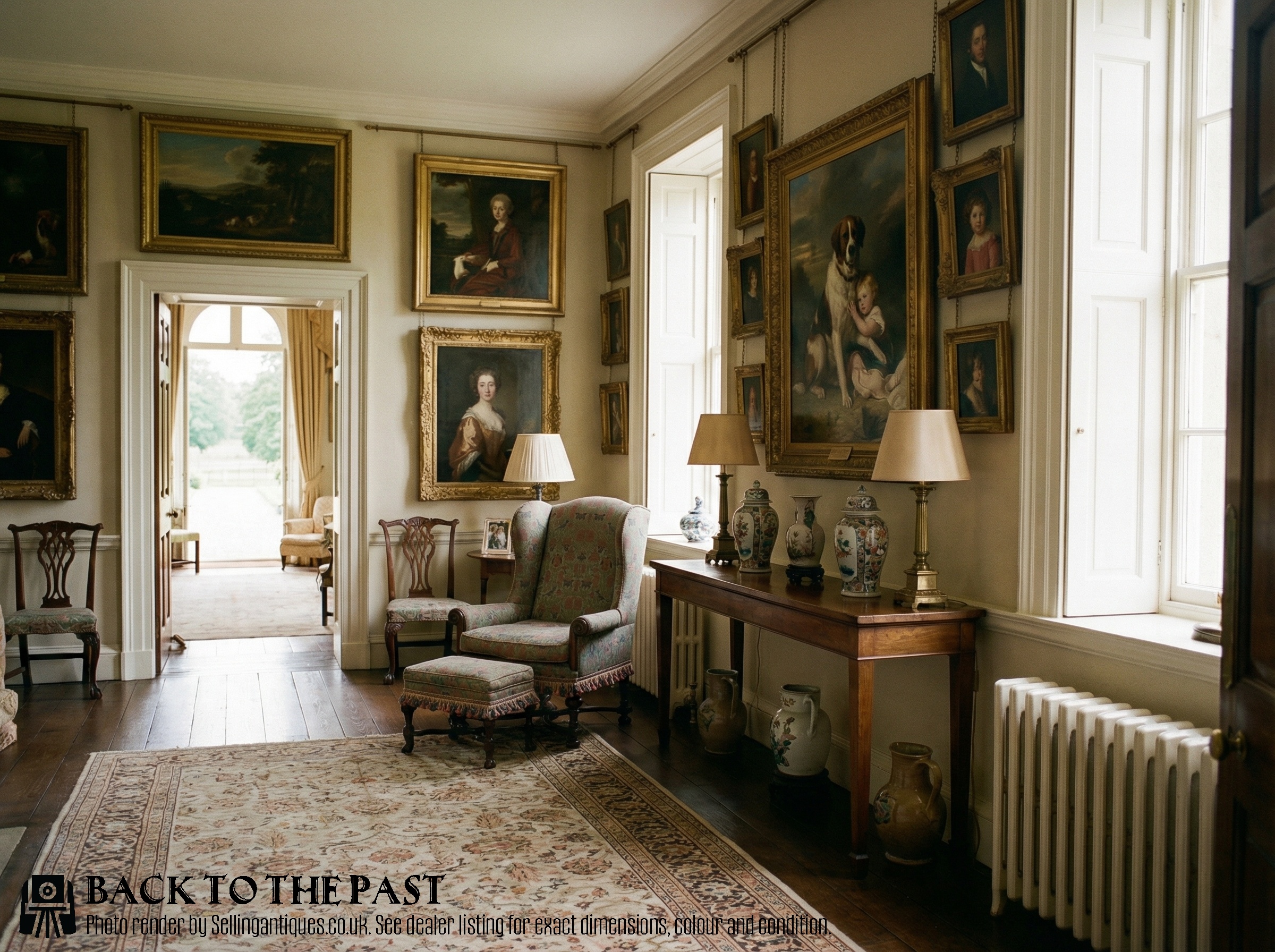
What They Are
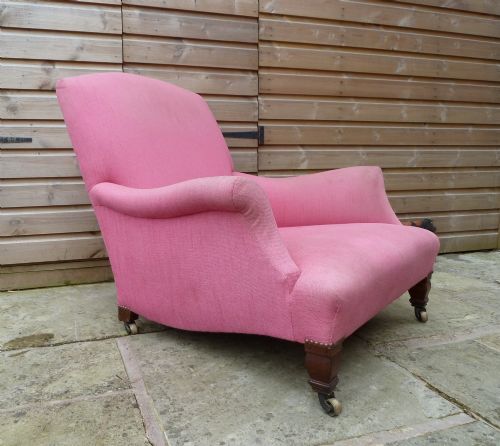
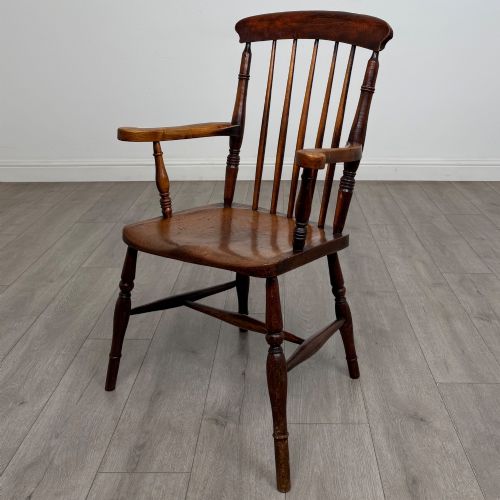
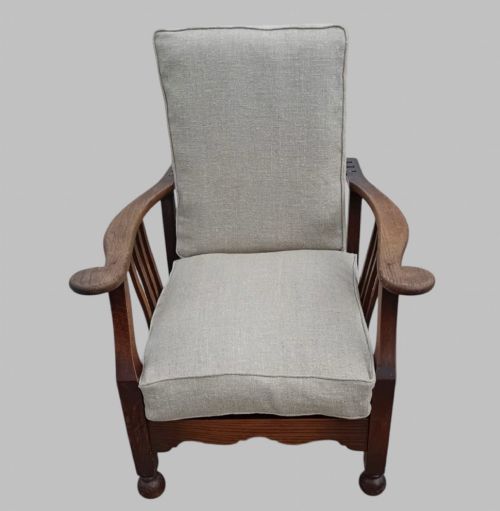
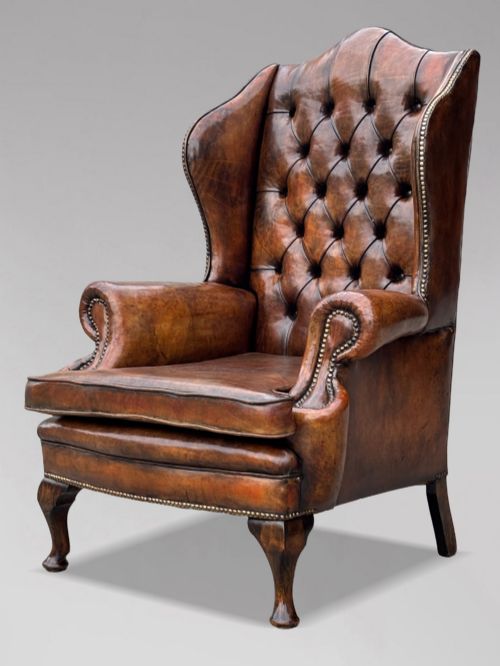
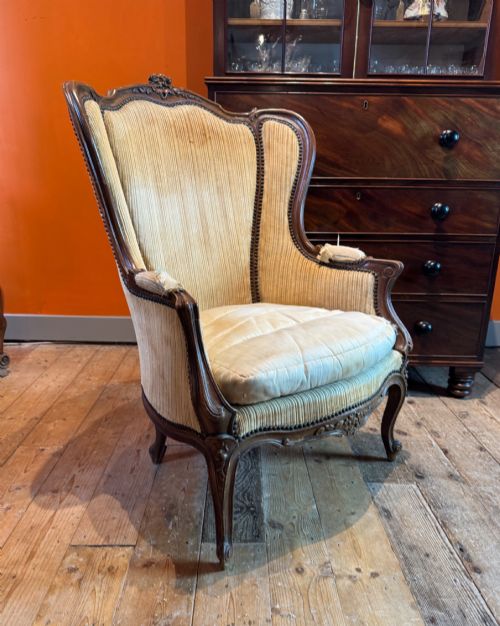
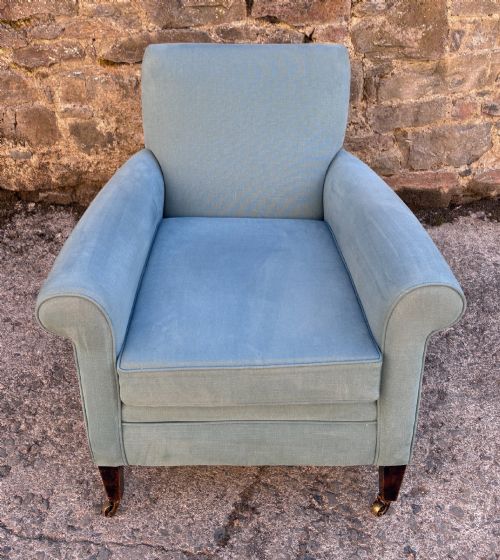
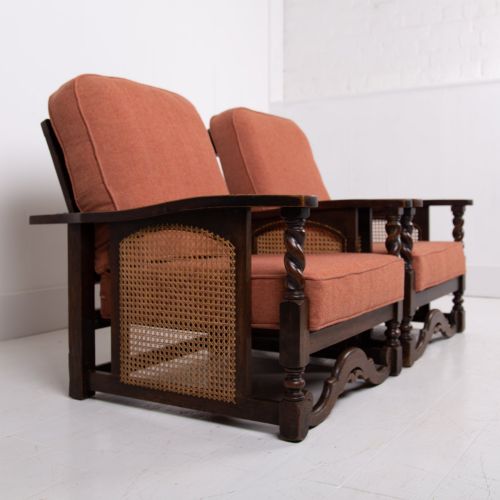
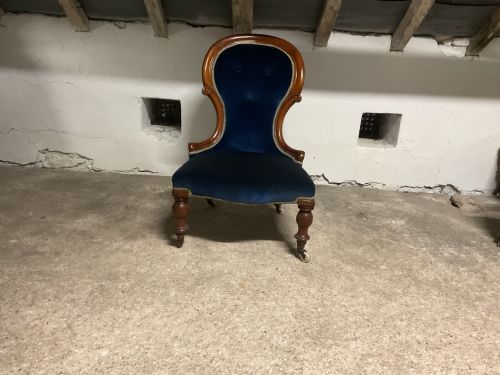
A vintage fireside armchair represents a diverse group of seating designed for comfort near the hearth, spanning from the eighteenth century through to the twentieth century. The selection includes Windsor forms, wing armchairs, and library seating.
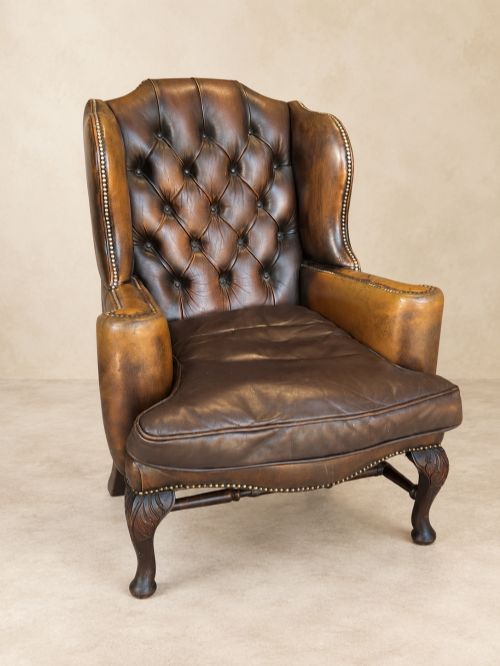
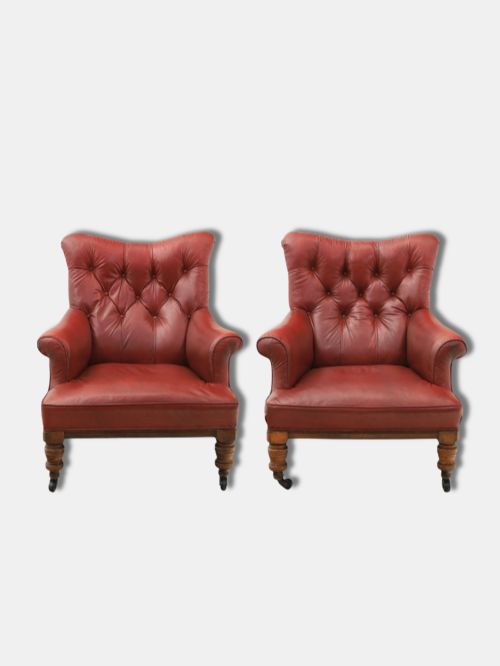
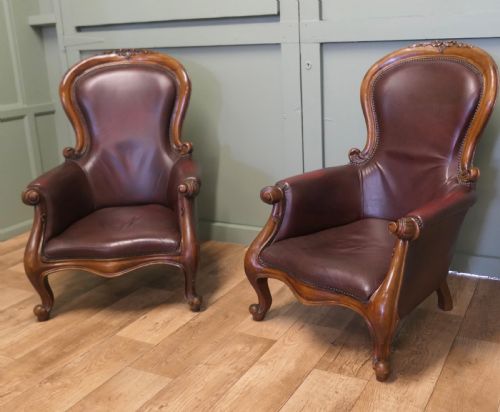
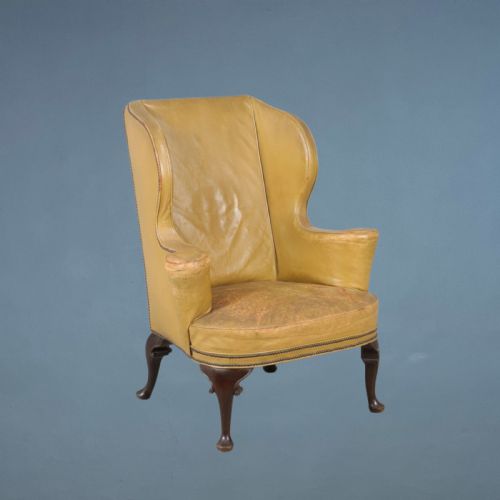
The materials recorded in these pieces include elm, yew, ash, and wood, frequently paired with fabric, damask fabric, and feather fill. Upholstered versions like the Edwardian winged armchair and George IV tan leather armchairs sit alongside vernacular timber Windsors.
Makers drew on English country house, Edwardian, Georgian, primitive country, Queen Anne, and George IV traditions. Buyers encounter everything from rustic comb-back seating to refined cabriole-leg examples.
How They Were Made
Makers utilised native British hardwoods such as elm, ash, and yew for the frames and spindles of Windsor designs, shaping solid timber seats and bending wood for backs. Joinery relied on traditional pegging and turning techniques.
Upholstered forms incorporated substantial internal stuffing and feather fill, covered in textiles ranging from damask fabric to tan leather. Winged designs provided practical protection from draughts near open fires.
Retail Price Guide 2026
Typical UK retail prices for vintage fireside armchair, calculated from the Sellingantiques database of over a million retail prices indexed since 2003. This retail price guide relies exclusively on Sellingantiques data; no external sources or auction records are used, so the figures do not describe the wider market.
Materials documented across the inventory include solid woods like elm, ash, and yew alongside textiles such as damask fabric and leather.
What Varies in Quality
The distinction between standard examples and the top of the range rests on timber selection and vernacular fluidity, particularly in Windsor chairs where the grain of the elm seat and the choice of yew wood define the piece. Refined carving and proportion elevate eighteenth-century pieces.
In upholstered varieties, quality shows in the structural integrity of the wing frame and the integrity of materials like original leather or damask fabric. The harmony of period details, such as cabriole legs, separates ordinary seating from finer examples.
The Vintage Fireside Armchair Glossary
- Windsor
- A wooden chair constructed with a solid shaped seat into which the legs and back spindles are direct-tenoned. These chairs often combine ash and elm.
- Cabriole leg
- A furniture leg that curves out and then in, resembling the leg of an animal. This style appeared frequently on eighteenth-century seating.
- Comb back
- A Windsor chair style where the top rail resembles the spine of a comb, with vertical spindles rising through it. It provides sturdy back support.
- Damask fabric
- A reversible figured fabric used for upholstery, known for intricate patterns woven into the cloth. It adds texture and traditional appearance.
- Feather fill
- Interior padding using natural feathers for soft cushioning. It provides traditional comfort within upholstered armchair cushions.
Frequently Asked Questions
What is a Windsor armchair?
A Windsor armchair is a wooden seat featuring a solid carved timber base with independent legs and spindles fitted directly into the seat.
These chairs rely on vernacular woodworking methods rather than heavy upholstery, making them durable and visually light.
How do I identify a Georgian armchair?
Georgian armchairs often display period characteristics such as cabriole legs, polished wood frames, and restrained classical proportions.
They reflect the design priorities of the eighteenth century, balancing formal elegance with functional domestic use.
Where should I place a fireside chair?
These armchairs suit living spaces, studies, and reading corners where their supportive backs and comfortable seats can be fully appreciated.
Their varied timber and upholstered finishes allow them to anchor both rustic country interiors and formal rooms.
What woods were used in these chairs?
Cabinet makers and country joiners utilised native British timbers including elm, ash, yew, and general hardwoods.
Elm was frequently chosen for seats due to its resistance to splitting, while ash and yew provided strength for spindles and arms.
Are these chairs comfortable for daily use?
Many examples incorporate deep cushioning, feather fill, or ergonomic wooden comb backs designed for extended sitting.
Upholstered variants offer padded support, while wooden Windsor chairs provide structured posture near a hearth.