


Antique Leather Seat
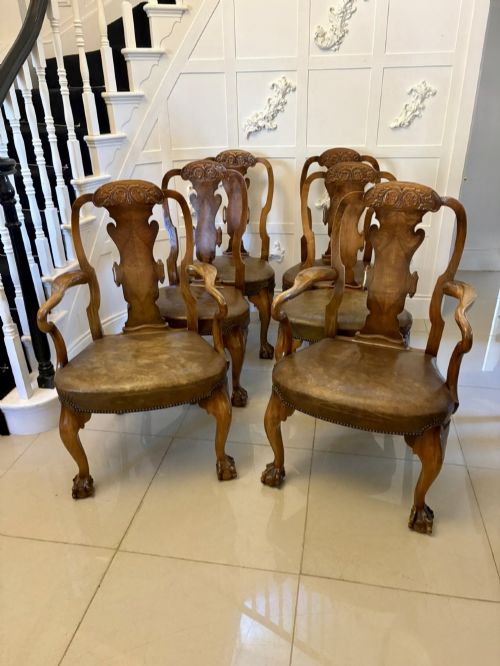
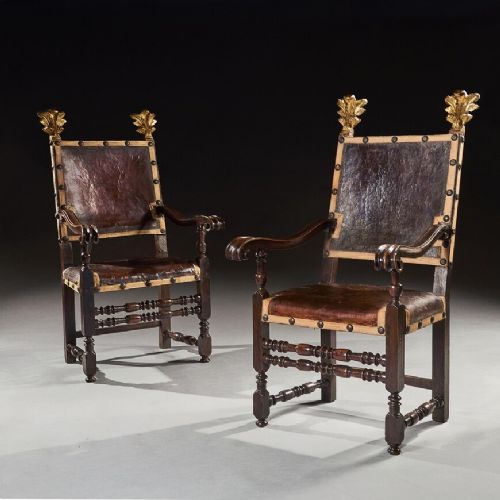
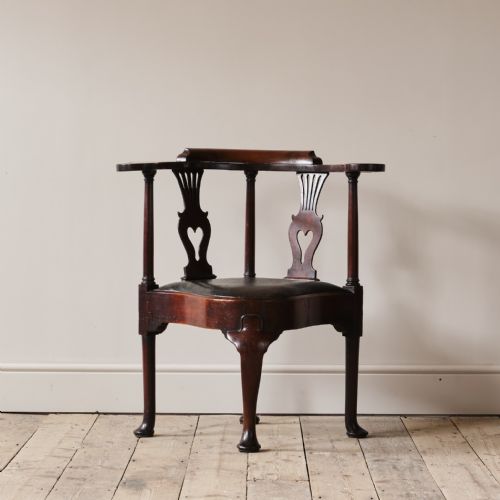
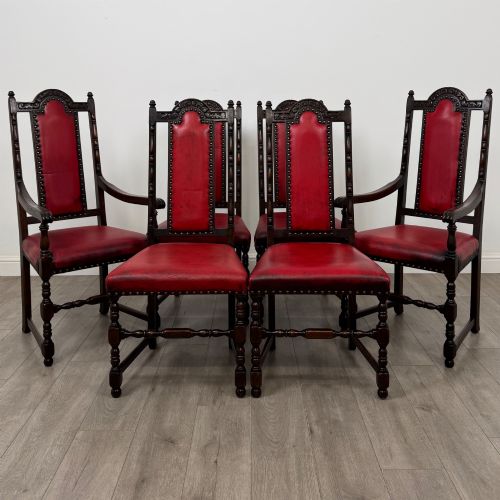
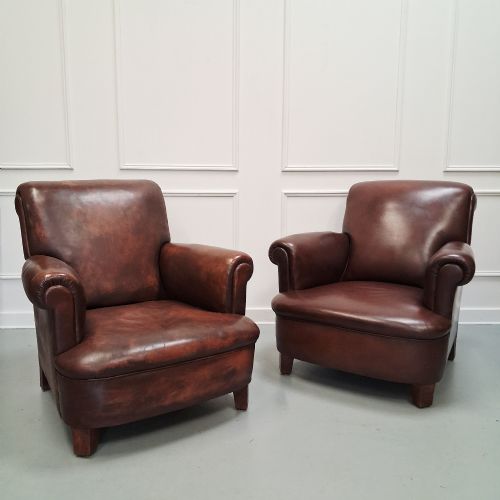
An antique leather seat spans centuries of craft, from sturdy oak office chairs to deep Victorian library armchairs and club fenders.
Antique Leather Seat
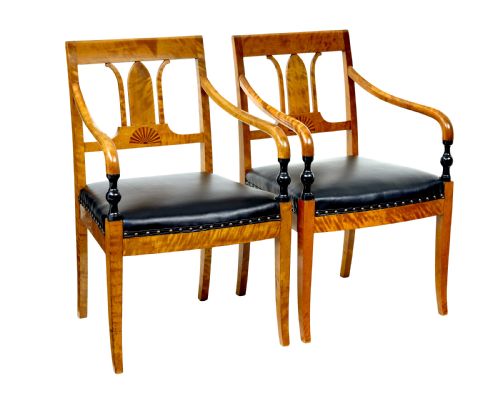
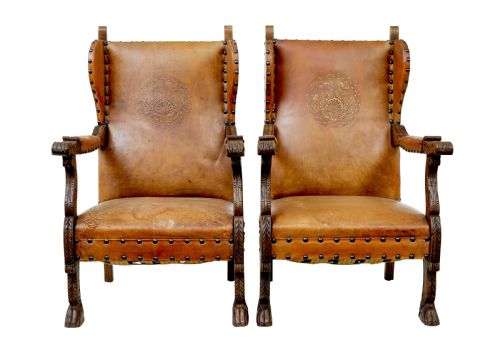
An antique leather seat encompasses a broad spectrum of domestic and working furniture, from dining sets and library armchairs to revolving desk chairs and club fenders.
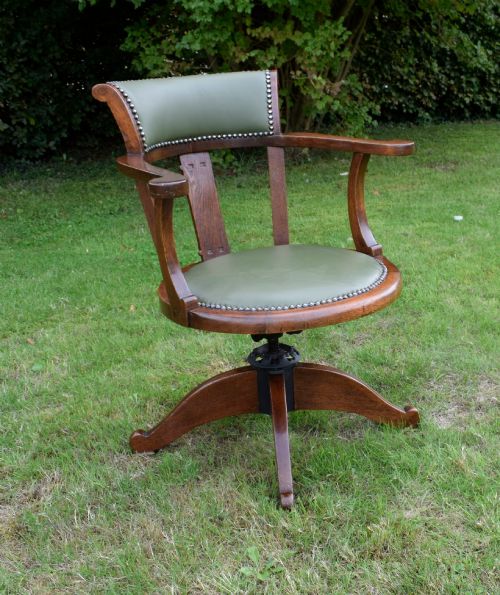
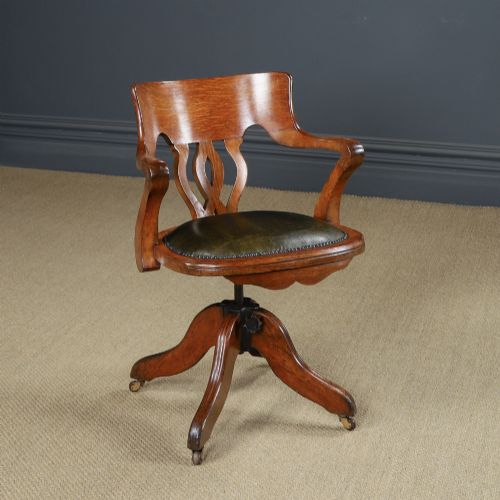
The most common examples encountered in this category are Victorian and Edwardian desk chairs in oak or mahogany, alongside 19th-century dining chairs with leather pads.
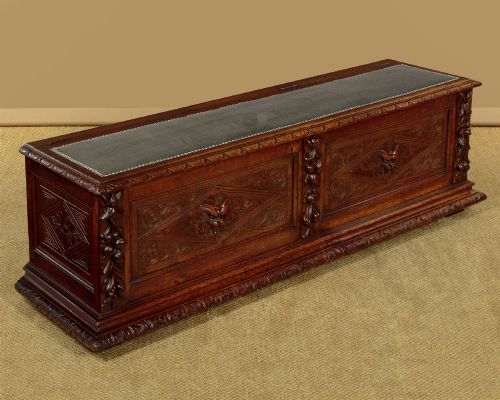
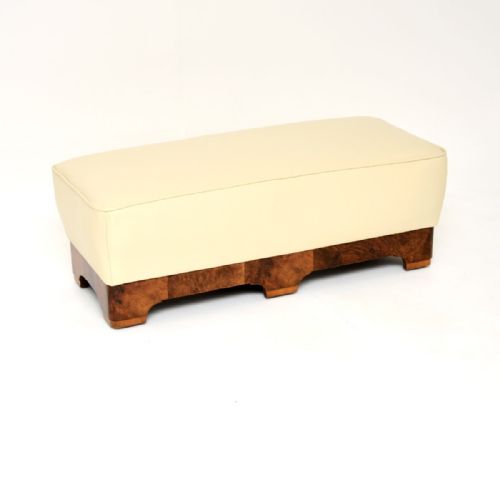
Seating arrangements also stretch to low footstools, ottomans, window benches, and fender seats designed to sit around a hearth.
How they were made
Makers relied primarily on native timbers such as mahogany, oak, walnut, and beech to construct robust frames, often employing hand-carving and traditional joinery.
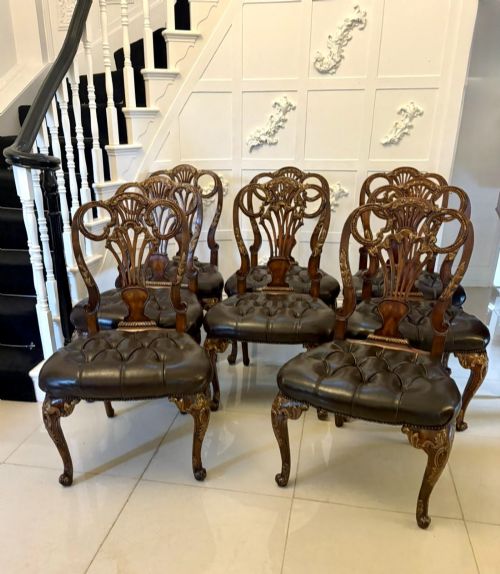
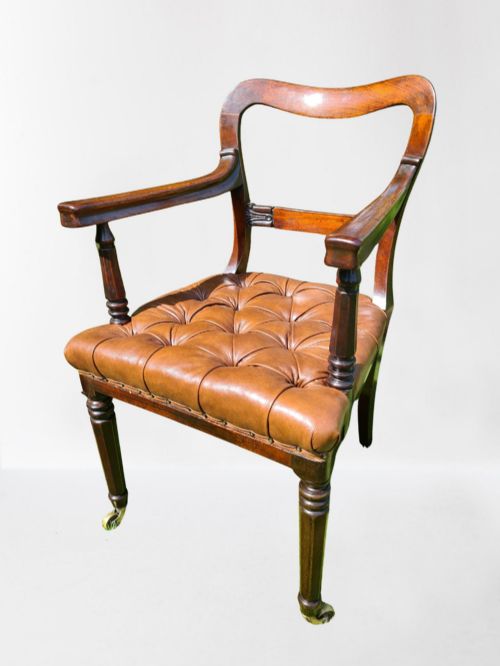
Upholstery involved stretching cattle hide over stuffing, frequently secured with brass upholstery tacks or finished with deep button tufting.
Metal components like iron, brass, and ormolu appeared on swivel mechanisms, club fenders, and decorative mounts.
Antique Leather Seat Retail Price Guide 2026
Typical asking prices for leather seat among the pieces listed under this phrase on Sellingantiques today, from the lower quarter to the upper quarter. They describe what is for sale here now, not the wider market.
Listings feature oak, mahogany, walnut, and birch frames paired with brass and iron hardware across multiple centuries.
What varies in quality
The distinction between standard utility seating and exceptional pieces rests on the crispness of the timber carving and the architectural proportions of the frame.
Leather selection dictates the tactile experience, moving from utilitarian split hides to supple, hand-dyed English leathers that develop rich patinas over time.
Internal engineering - such as smooth-turning swivel screw mechanisms in desk chairs or sturdy frame bracing - separates enduring examples from lesser builds.
The Antique Leather Seat Glossary
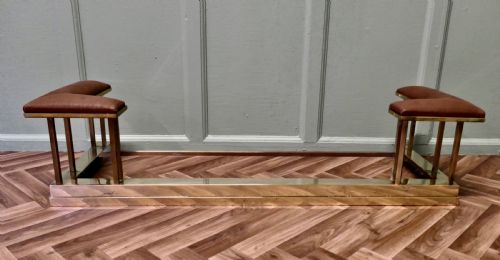
- Club Fender
- A low, padded hearth seat built with a metal frame, allowing people to sit directly around an open fireplace.
- Gainsborough Chair
- A wide, upholstered armchair with open padded arms, originating in the mid-18th century and typically set on a mahogany frame.
- Gusset
- A triangular piece of leather or fabric inserted to strengthen or expand a corner seam on upholstered items.
- Button-Back
- An upholstery technique where depressions are formed in the leather by pulling tufting buttons deep into the padding.
- Carver
- An armchair designed to match a set of dining chairs, traditionally placed at the head of the table.
Antique Leather Seat: Frequently Asked Questions
How do I date an antique desk chair?
Dating relies on identifying the underlying timber, turning styles, and mechanical complexity. Earlier pieces from the Georgian era display simple spindle or solid back designs, while Victorian and Edwardian examples often introduce revolving mechanisms and cast-iron bases.
Hardware components, such as slotted screws or patent brass plates, further anchor a piece to a specific decade. Examining the wear patterns on the wooden base and seat edge also provides clues regarding its operational age.
Are club fenders meant for sitting?
Club fenders were originally constructed to bring seating closer to the hearth while protecting occupants from stray embers. The padded top rails are reinforced to support body weight comfortably during use.
Many incorporate brass or iron frames with adjustable widths to fit various fireplace hearths. Their sturdy construction ensures they function as both architectural furniture and practical seats.
How should I care for vintage leather?
Vintage leather benefits from regular dusting and occasional treatment with specialist leather balms to maintain flexibility. Avoid placing antique seats in direct sunlight or near heat sources, which can dry out the hide.
Preserving the original patina involves retaining minor scuffs and marks that tell the story of the piece. Gentle cleaning preserves both the structural integrity and the historical finish.