




Vintage Fireplace Log Supports
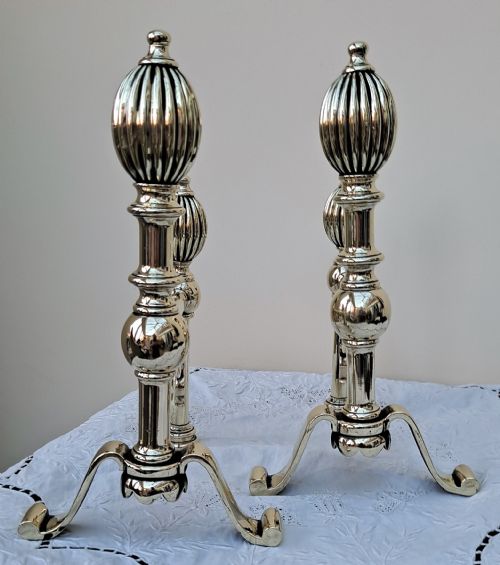
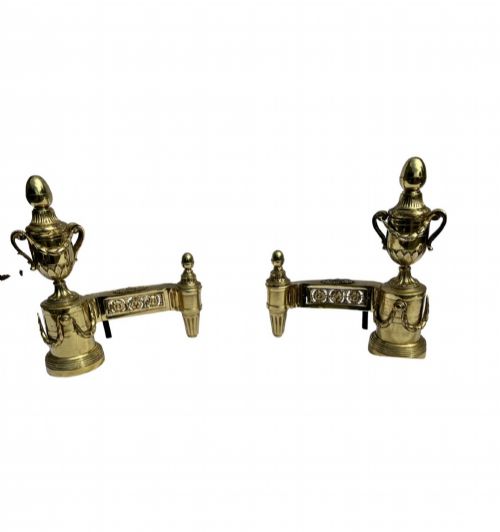
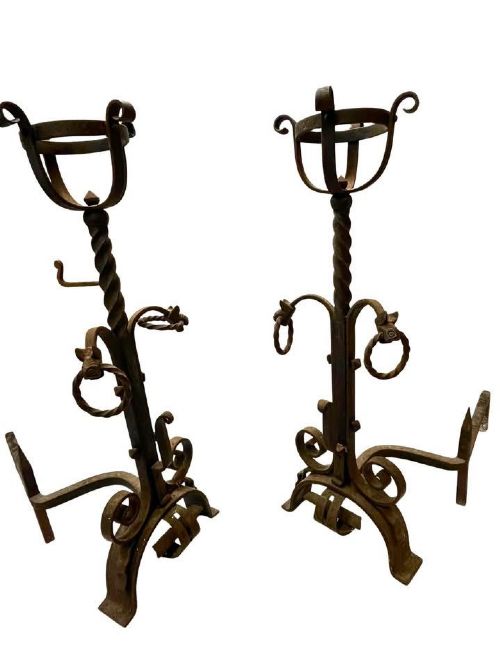
These vintage fireplace log supports, known widely as andirons or firedogs, hold wood above the hearth to feed the fire air from beneath.

Vintage Fireplace Log Supports
Vintage fireplace log supports appear here in forms spanning the sixteenth century to the Edwardian period, with Victorian and nineteenth-century examples forming the core of the selection.
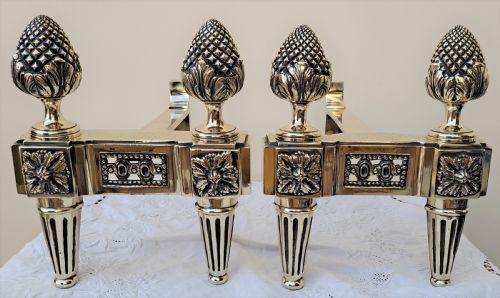
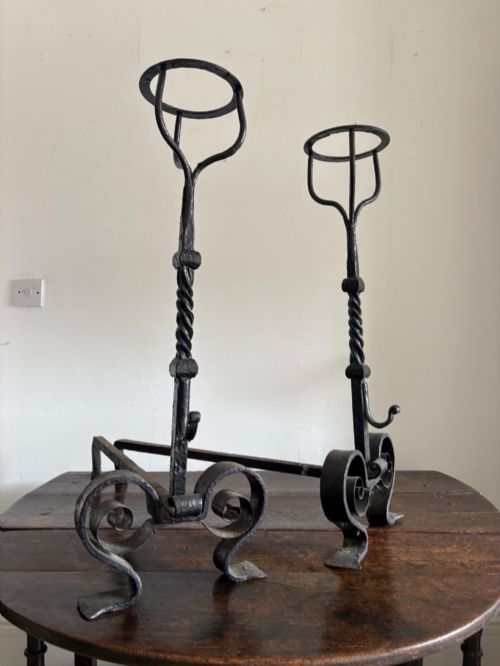
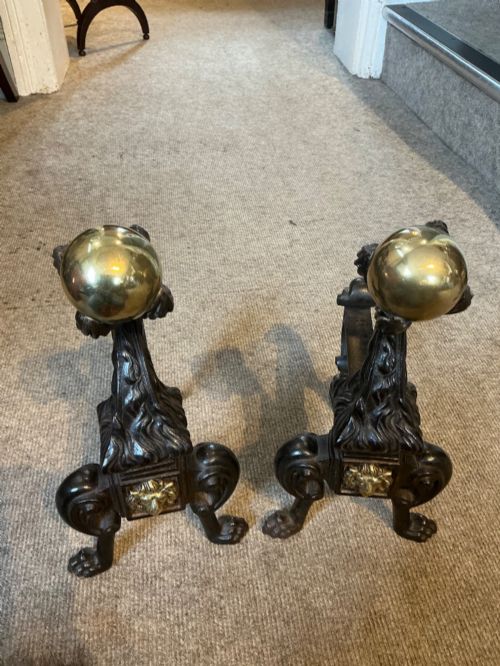
Buyers encounter heavy cast iron, wrought iron, and polished brass pairs built to support heavy timber inside open hearths, occasionally accompanied by matching fireside tool rests.
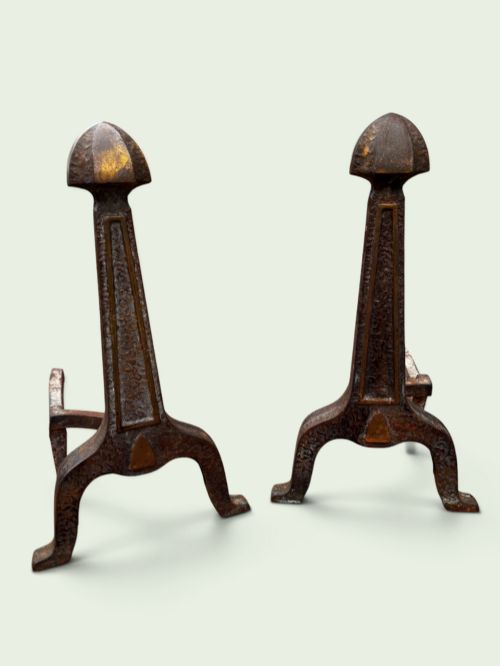
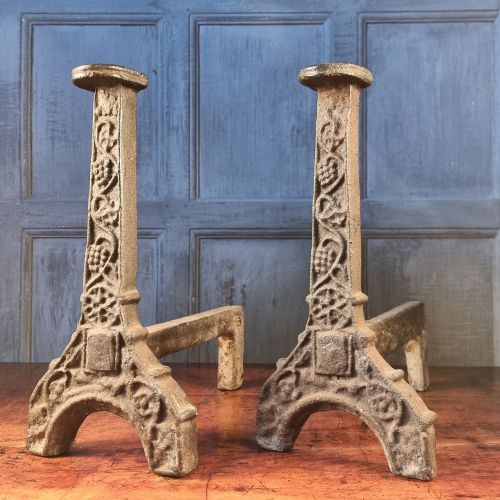
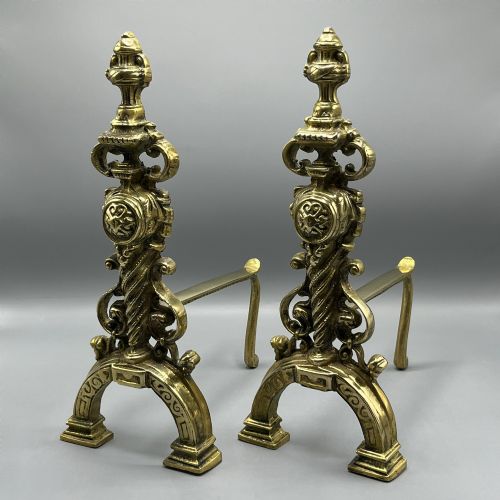
The styles range from severe Gothic Revival and sixteenth-century Gothic designs to ornate Victorian, Regency, and Arts and Crafts pieces.
How they were made
Blacksmiths and metalworkers shaped these objects using traditional forging, hand-forging, and casting methods in iron, copper, and solid brass.
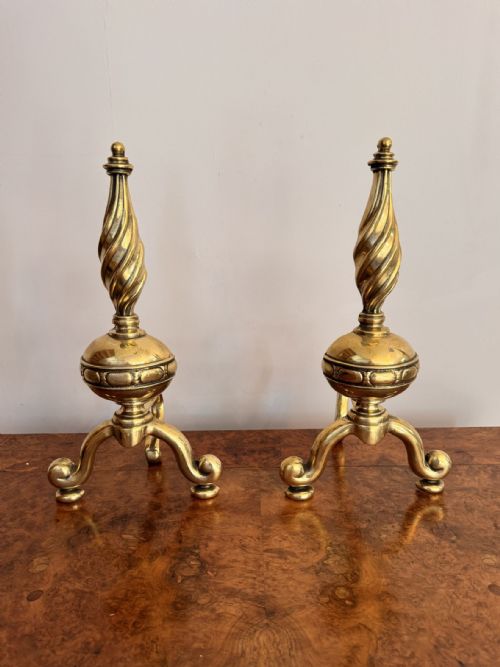
Early sixteenth-century pieces utilise heavy cast iron with dates and structural elements cast directly into the metal, while later Victorian versions often combine solid brass finials with robust iron billets.
Materials across these listings concentrate heavily on solid brass, cast iron, and wrought iron, with occasional copper elements.
What varies in quality
Weight and structural thickness separate substantial hearth furniture from lighter decorative pieces, as genuine log supports required density to bear shifting timber and intense heat.
Casting sharpness and the crispness of hand-forged details determine the refinement of the work, distinguishing simple utilitarian irons from ornate display pieces.
The Vintage Fireplace Log Supports Glossary
- Andirons
- Supports for logs in an open fireplace, traditionally made in pairs. They elevate the wood to improve airflow and combustion.
- Firedogs
- An alternative term for andirons, consisting of a horizontal billet raised on legs. They often feature decorative vertical fronts.
- Billets
- The horizontal iron bars of andirons that directly bear the weight of the logs. These bars take the brunt of the heat.
- Gothic Revival
- A nineteenth-century architectural and decorative style drawing on medieval forms. This aesthetic appears frequently in heavier iron hearth pieces.
- Finials
- The ornamental termination at the top of an andiron front. Brass examples often feature urn or sphere shapes.
Vintage Fireplace Log Supports: Frequently Asked Questions
Are these log supports safe to use in a working fireplace?
Most historic iron and brass pairs were built for active hearth use and remain robust enough to hold burning wood.
Buyers should verify that the horizontal billet length and overall weight suit the dimensions of their specific fireplace opening.
How do I clean brass and iron fire dogs?
Brass components respond well to gentle cleaning with traditional metal polishes to maintain their bright surface without removing historical patina.
Wrought and cast iron parts benefit from a light application of oil or wax to prevent rust in damp environments.
What is the difference between andirons and firedogs?
The terms describe the exact same objects used to support firewood in an open hearth.
Regional preferences and individual maker descriptions usually determine which word appears in a listing title.
How do I date a pair of antique log supports?
Dating relies on identifying stylistic markers, such as Gothic Revival motifs, Arts and Crafts forged lines, or Victorian brass casting techniques.
Certain early iron pieces even bear cast dates directly on the metal surface.