



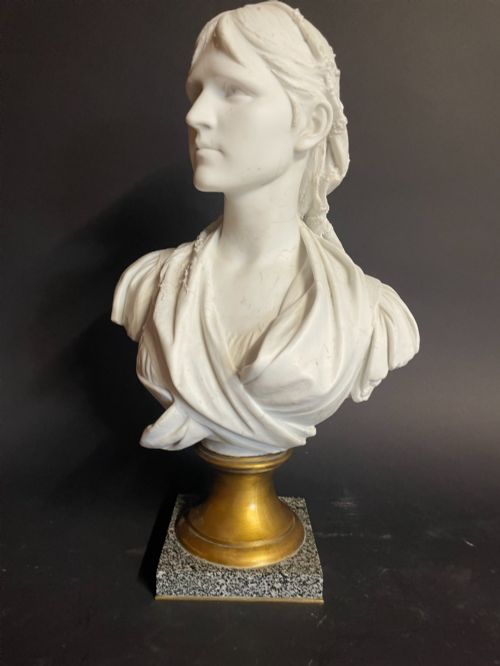
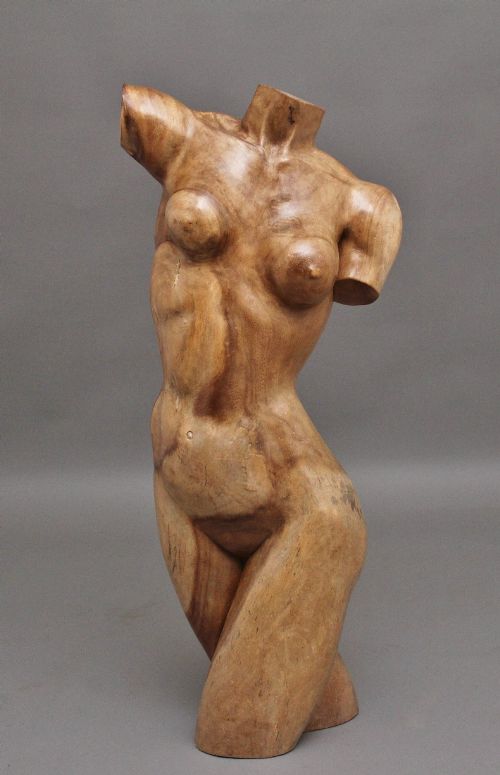
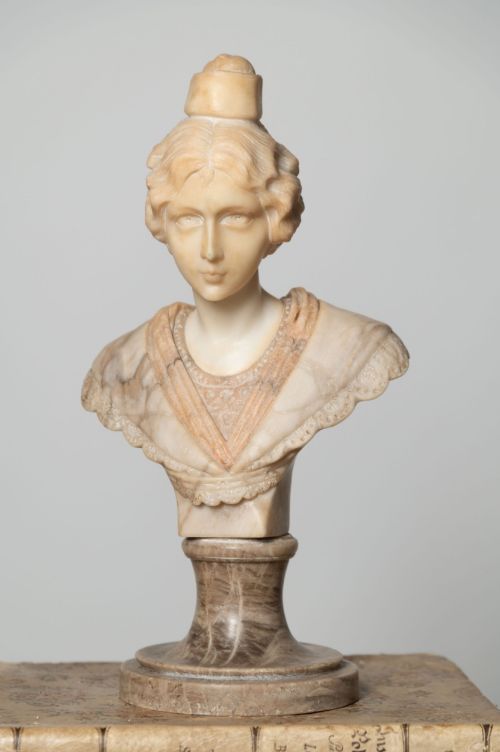
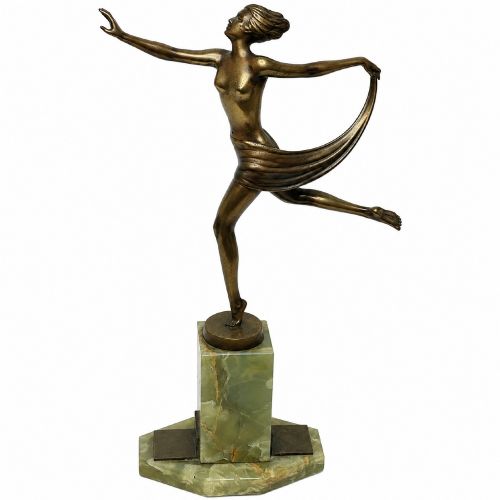
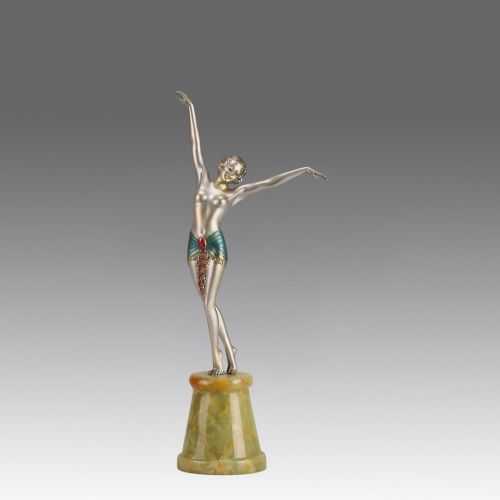
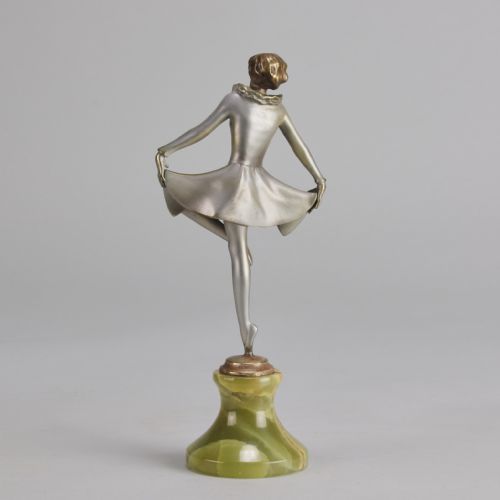
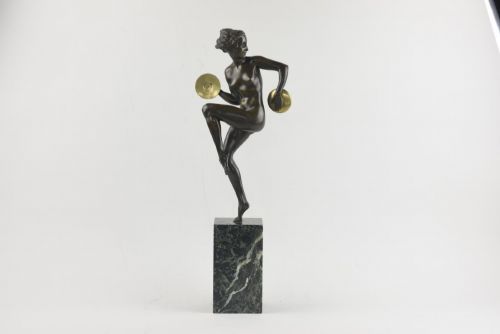
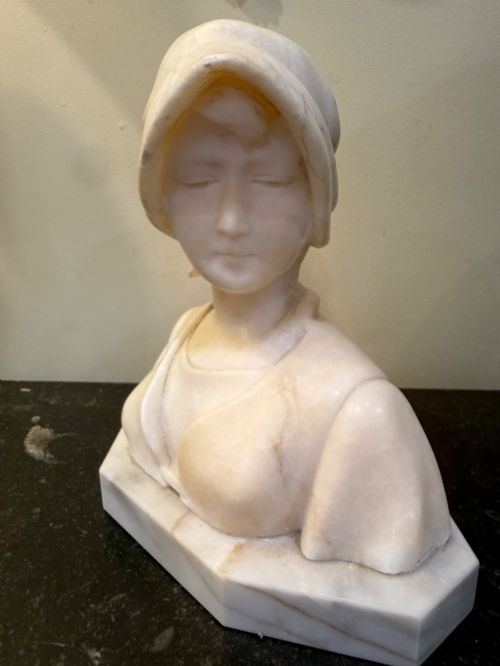
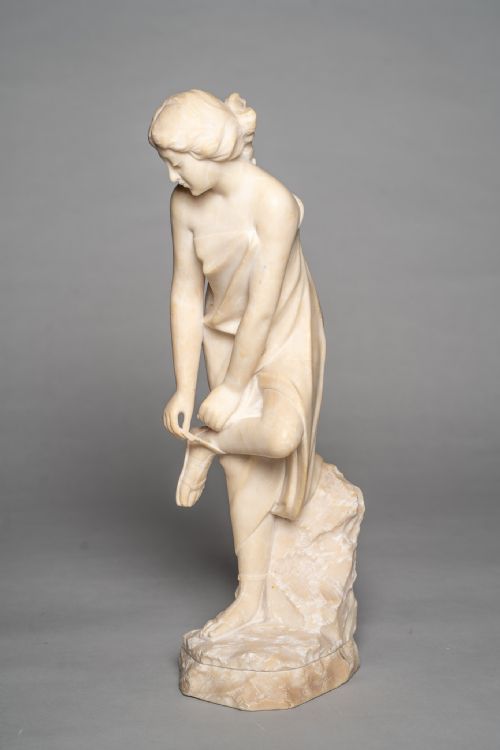
Vintage Female Figure Statue
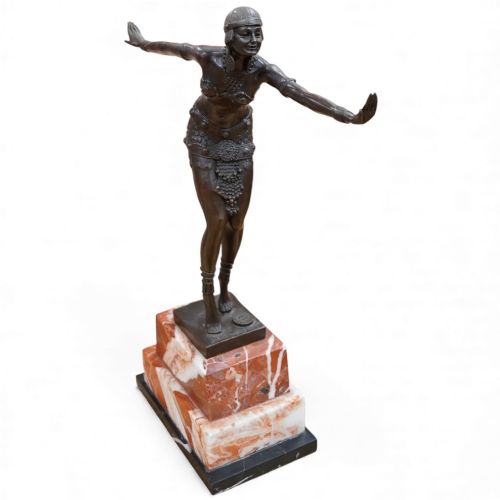
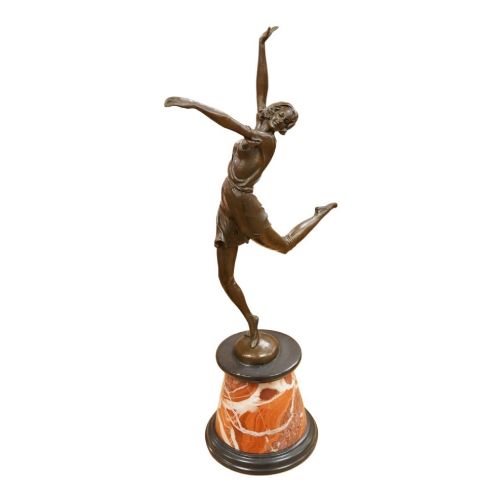
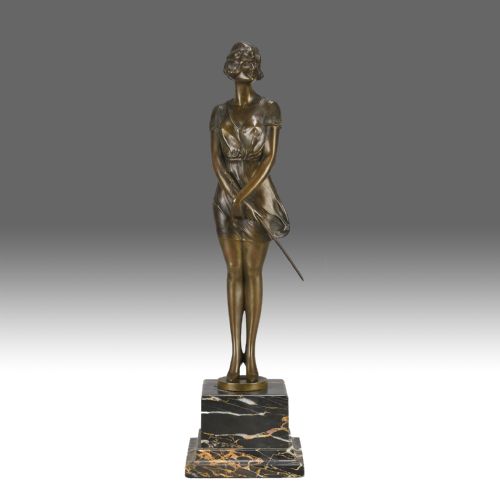
A vintage female figure statue brings motion and character into a room, spanning delicate porcelain dancers and commanding bronze studies.
Vintage Female Figure Statue
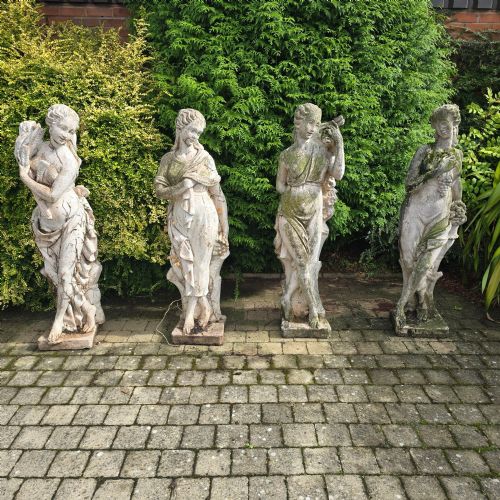
A vintage female figure statue encompasses diverse sculptural forms, from slender dancers to classic busts, spanning periods like the Victorian era, the Edwardian years, and the early twentieth century. Buyers encounter smaller cabinet figurines alongside substantial life-sized garden statues and indoor sculptures.
The aesthetic vocabulary stretches from nineteenth-century neoclassical interpretations and romantic nineteenth-century nymphs to sleek Art Deco modernism and Arts and Crafts simplicity. Origin points include French ateliers, Austrian foundries, Italian carving studios, and English porcelain works.
Forms serve multiple decorative functions, appearing as dedicated gallery sculptures, functional advertising mannequins, and allegorical representations of seasonal themes. Materials range across carved stone, cast metals, and glazed ceramics, offering varied visual textures for interior spaces.
How They Were Made
Metal sculptures utilise traditional bronze casting, often enhanced with cold-painted polychrome surfaces or gilded finishes, alongside spelter and chrome-plated metal alternatives. Foundries poured these alloys into complex moulds before applying intricate surface decoration by hand.
Stone and mineral pieces rely on skilled hand carving, shaping alabaster, marble, and onyx to capture soft drapery and facial expressions. Cast stone and reconstituted options utilise poured aggregate mixtures for robust garden statuary.
Ceramic figures involve moulded porcelain bodies finished with detailed hand painting and glazed highlights, particularly seen in factory productions from English and continental makers.
The documented periods stretch from Victorian and Edwardian origins through 1920s and 1930s Art Deco.
What Varies in Quality
The refinement of the sculptured form dictates excellence, separating life-like anatomical precision and expressive movement from rigid or generic casting. Artisanal touch remains vital, distinguishing hand-chased metal details and delicate facial painting from mass-produced uniformity.
Material selection establishes the baseline, with dense veined marble, heavy cast bronze, and translucent alabaster commanding greater presence than lighter spelter or composite substitutes. Preserved original surfaces, such as intact cold-painted pigments or patinas, elevate the integrity of a piece.
Bruno Zach·Pierre le Faguays·Ferdinand Preiss·Josef Lorenzl·Aurore Onu·James Hadley·H. Schubert·Zoldan Kovats·Georges-Charles Coudray·Sibylle May·Auguste Moreau·Demetre Chiparus
The Vintage Female Figure Statue Glossary
- Cold-painted bronze
- A technique where bronze figures are painted with oil or enamel colours after casting, without subsequent firing. This surface treatment allows for vibrant clothing and skin tones but is susceptible to flaking over decades.
- Spelter
- A zinc alloy commonly utilised as an economical alternative to bronze for sculptural figures. It is softer and lighter than bronze, frequently given a bronze-like metallic finish.
- Alabaster
- A fine-grained, translucent stone used extensively for nineteenth-century carved busts and reclining figures. Its softness permits intricate drapery carving but makes the material vulnerable to scratching.
- Polychrome
- The practice of decorating sculptural surfaces in multiple colours. It brings realism to ceramic figures and metallic dancers alike.
- Neoclassical
- A style drawing inspiration from the classical art and culture of ancient Greece and Rome. Figures from this tradition often wear classical drapery and emulate antique marble proportions.
Vintage Female Figure Statue: Frequently Asked Questions
Where should I place a heavy marble sculpture?
Heavy stone and marble pieces require sturdy, level furniture or dedicated plinths capable of supporting substantial dead weight safely. Positioning them away from high-traffic walkways prevents accidental impacts.
Adequate ambient lighting helps accentuate the carved contours and natural veining of stone surfaces without exposing the material to direct, damaging sunlight.
How do I care for cold-painted bronze figures?
Maintenance involves gentle dusting with a soft, dry brush to remove particulate matter without disturbing fragile pigments. Moisture and chemical cleaners must be avoided entirely.
Keeping these statues in stable indoor environments protects the delicate painted surfaces from humidity fluctuations that cause flaking.
What distinguishes Art Deco statues from Victorian pieces?
Art Deco statues favour stylised geometry, dynamic poses, and modern materials like chrome alongside bronze, reflecting interwar aesthetics. Their lines are sharp and directional.
Victorian and earlier nineteenth-century works lean towards romanticism, classical revival themes, and naturalistic proportions rooted in historical traditions.
Can garden statues stay outside year-round?
Weather resistance depends entirely on the specific material composition, with cast stone and reconstituted stone handling outdoor exposure better than delicate alabaster or painted metals. Freezing water can crack porous stone.
Sheltered placement or indoor storage during winter months preserves surface integrity and prevents frost damage on vulnerable garden figures.