

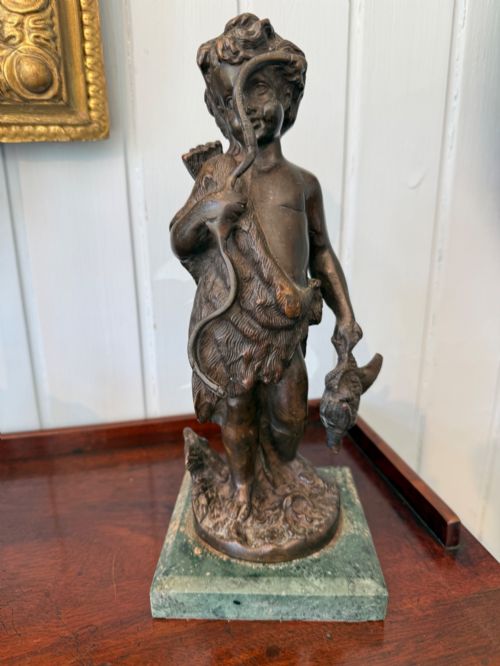
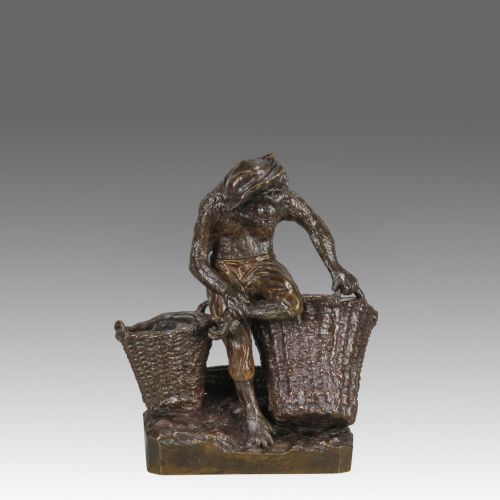
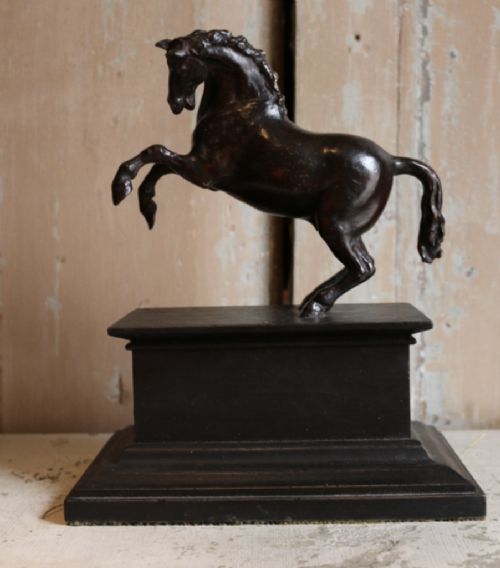


Patinated Metal Statuette
A patinated metal statuette brings home the substantial weight and dark, weathered surface of historic sculpture.
Patinated Metal Statuette
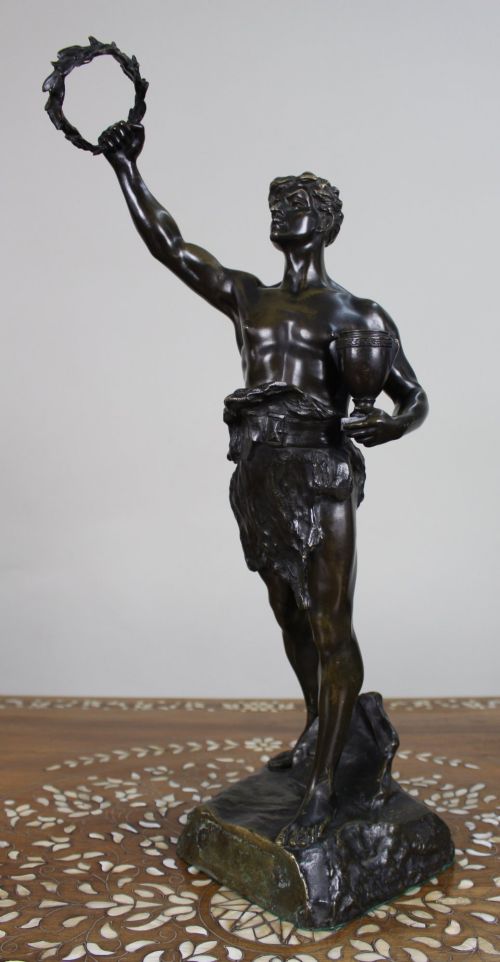
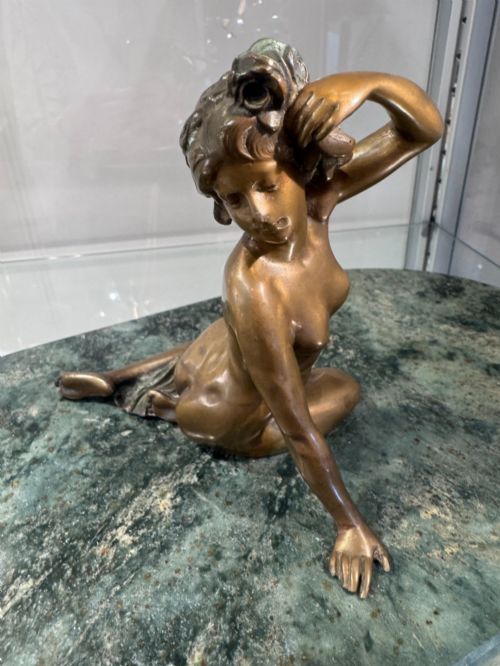
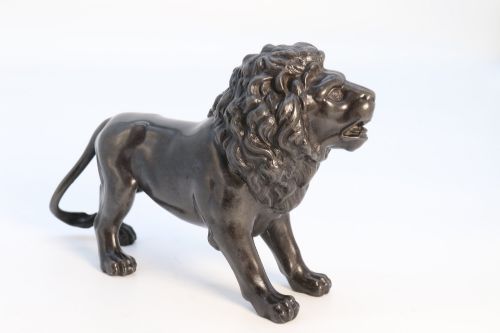
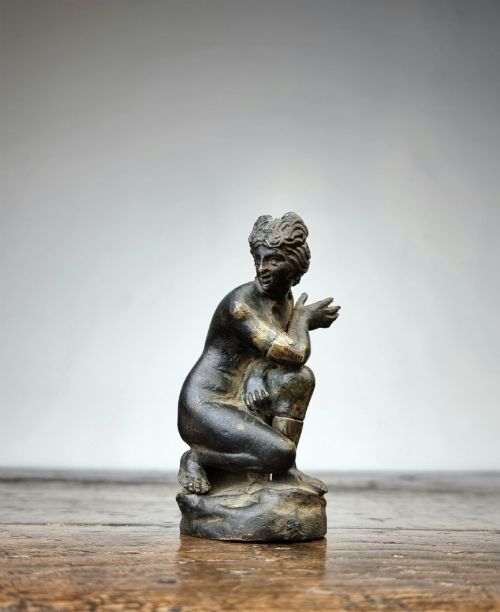
A patinated metal statuette is a small sculptural figure cast in materials such as bronze, spelter, or pewter, often treated with chemical finishes to create deep surface colour. When searching for a patinated metal statuette, collectors encounter subjects ranging from classical mythology and historical figures to animalier studies and Art Deco dancers. These figures frequently stand on integral or added bases of marble, onyx, or wood.
The selections span multiple centuries, with nineteenth-century French casts, Grand Tour souvenirs, and twentieth-century Art Deco creations appearing regularly. Figures take the form of nudes, animals, putti, and literary characters, reflecting the sculptural tastes of their respective periods. Most examples are small enough to sit on a desk or mantelpiece.
Makers and foundries of varying renown produced these works, from signed artist editions to unsigned workshop pieces. While many follow classical or academic traditions, others capture the distinct stylistic shifts of the early twentieth century. Buyers select these objects for their decorative presence and tangible connection to historical metalworking.
How they were made
The distinct patination is achieved by applying acids, heat, and chemicals to the metal surface to induce controlled oxidation. This process yields colours ranging from deep chocolate brown and verdigris green to near-black tones. Some pieces incorporate cold-painted pigments or partial gilding directly over the patinated surface.
Listings span periods from the seventeenth century through the mid-twentieth century, featuring materials like bronze, spelter, marble, and onyx.
What varies in quality
The integration of the figure with its base is another indicator of merit. Better examples use dense, figured marble, onyx, or inlaid wood that complements the proportions of the metalwork. Signed pieces by recognised sculptors or established foundries generally demonstrate superior artistic conception and technical execution compared to anonymous workshop output.
Josef Lorenzl·Christophe Fratin·Jean Jules Salmson·Bruno Zach·Louis Ernest Barrias·Ferdinand Pautrot
The Patinated Metal Statuette Glossary
- Patination
- The chemical or thermal treatment applied to metal surfaces to alter their colour and texture. It protects the metal while giving the statuette its characteristic aged appearance.
- Spelter
- A zinc-based alloy commonly used as a less expensive alternative to bronze during the nineteenth and twentieth centuries. It is often given a bronze-like coating to imitate heavier metal.
- Animalier
- A nineteenth-century artistic style focused on the realistic depiction of animals, particularly in motion or combat. Artists working in this genre studied anatomy closely through life observations.
- Grand Tour
- A cultural journey undertaken by wealthy young Europeans in the eighteenth and nineteenth centuries to study classical art. Souvenirs included small bronze copies of famous antiquities.
- Cold-painted
- A technique where paint is applied to a bronze object without subsequent firing or heat bonding. This method allowed for vivid polychrome finishes on small figures.
Patinated Metal Statuette: Frequently Asked Questions
What is spelter?
Spelter is a zinc alloy that makers utilised as a cost-effective substitute for bronze, particularly in decorative figures during the Victorian and Art Deco eras.
It is lighter than bronze and typically softer, requiring careful handling to prevent bending or surface wear.
What was the Grand Tour?
The Grand Tour was a traditional trip through Europe taken by collectors to acquire classical culture and art.
Tourists often purchased small bronze statuettes of ancient statues as portable souvenirs for their homes.
How do I date a bronze figure?
Dating relies on stylistic clues, foundry marks, clothing styles, and the type of material used for the base.
Art Deco figures often feature geometric bases and modern dress, while nineteenth-century pieces frequently lean towards classical subjects or animalier realism.