




1930s French Art Deco
When you search for 1930s french art deco, you encounter streamlined geometric forms, rich woods, and moulded glass that define modernist interior design.
1930s French Art Deco
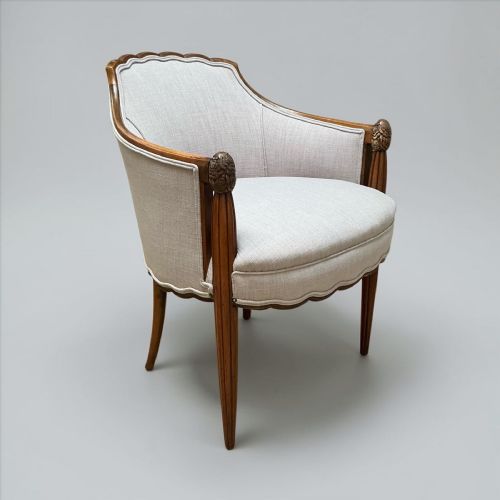
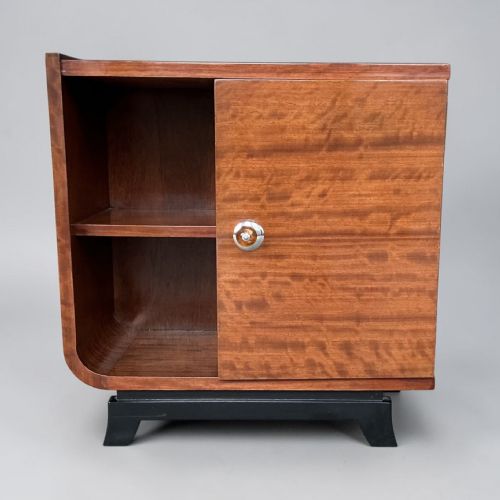
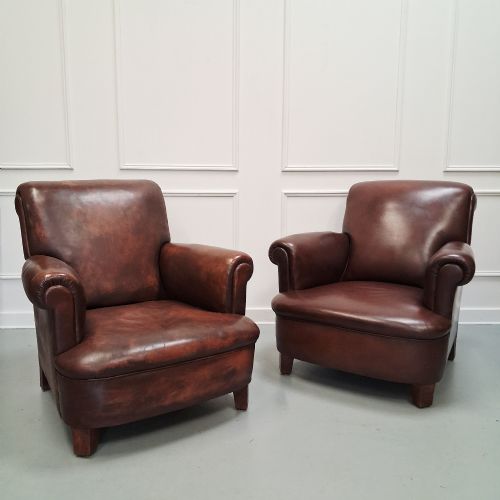
Items associated with 1930s french art deco span functional furniture, sculptural lighting, and decorative accessories designed during the interwar period. The selection includes substantial walnut sideboards, compact bedside cabinets, and generous leather club chairs tailored for domestic comfort.
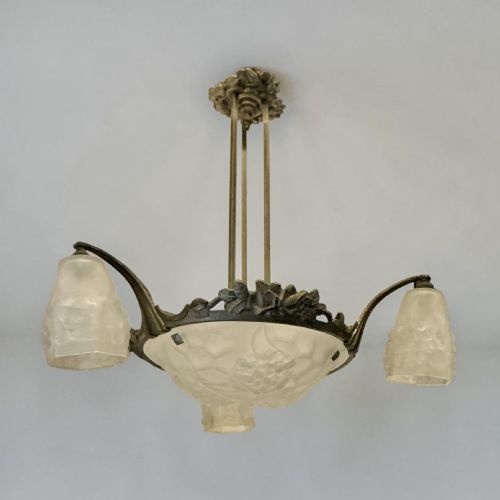
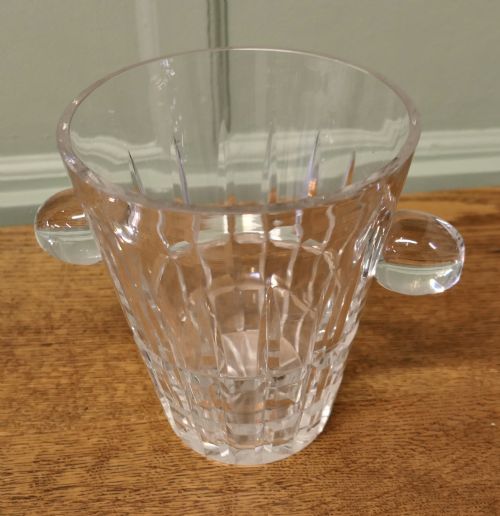
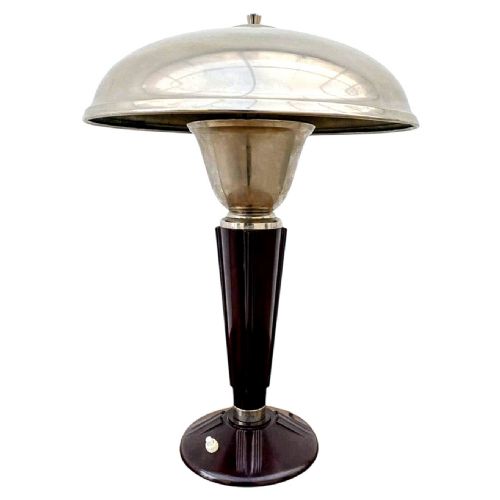
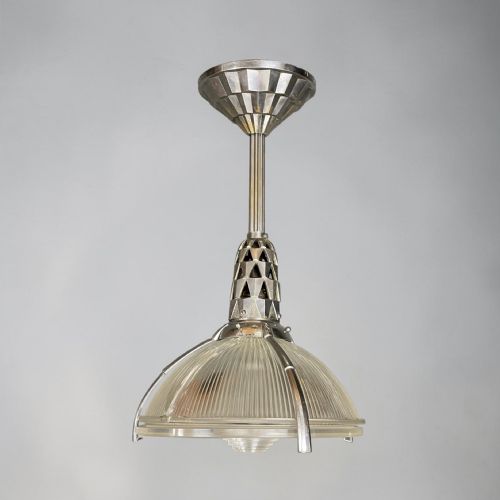
Lighting forms a prominent category, featuring opalescent glass shades, wrought iron bases, and figural spelter or bronze table lamps. Tableware and barware also feature heavily, from crystal ice buckets to silver-plated cocktail shakers.
The dominant style draws on clean lines, symmetrical profiles, and exotic materials that reflect Parisian taste of the era. Buyers will find both large case furniture and smaller mantel clocks or desk accessories representing this aesthetic.
Materials and Construction Techniques
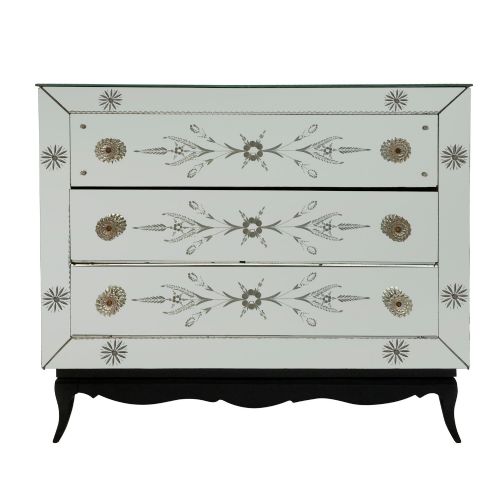
Cabinet makers utilised dense hardwoods such as walnut, rosewood, and palisander, frequently applying delicate parchment or mirrored glass inlays to drawer fronts and panels. Structural frames often combined oak or mahogany carcasses with rich exterior veneers.
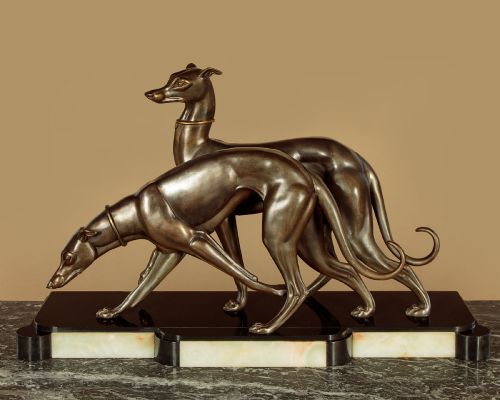
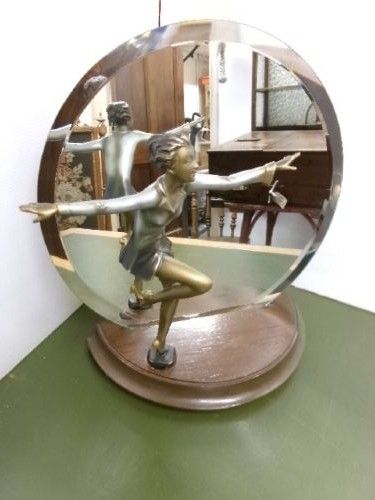
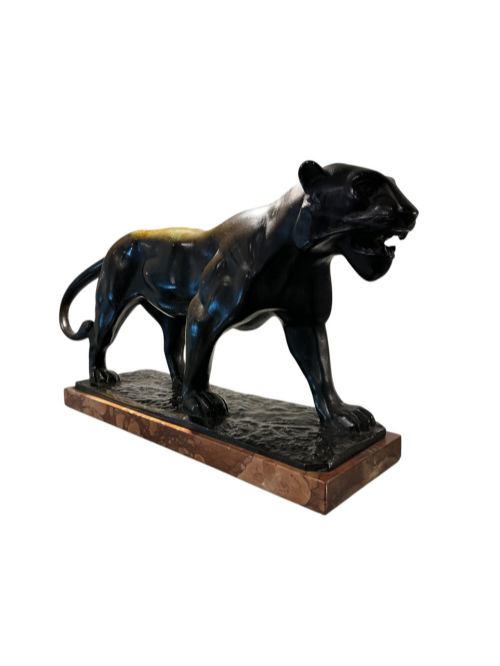
Metalwork involved cast bronze, spelter, chromium plating, and wrought iron, particularly for sculptural animal figures and lamp bases. Foundry work captured fine details in dancers and wildlife subjects.
Glass production relied on acid-etching, moulding, and pressing techniques seen in opalescent vases, coloured lamp shades, and decorative chargers by notable glasshouses.
The inventory records functional barware such as silver-plated cocktail shakers, crystal wine coolers, and hock glasses alongside larger sideboards.
Distinguishing Quality and Execution
The standard of execution depends heavily on the integration of materials, where precision in parchment inlay and veneer matching distinguishes superior case pieces from simpler production items. Heavy cast bronze figures display sharper chiselling and finishing than lighter spelter alternatives.
Glass quality is judged by the depth of the opalescence, the crispness of the moulded relief, and the weight of the crystal. Signed pieces by established makers typically exhibit tighter tolerances and more refined surface patination.
Eileen Grey·Émile-Jacques Ruhlmann·Rene Lalique·Maurice Jallot·Irénée Rochard·Muller Frères
The 1930s French Art Deco Glossary
- Spelter
- A zinc alloy commonly utilised as a substitute for bronze in decorative figures and lamp bases during the period. It accepts patination and metallic paint finishes readily.
- Bakelite
- An early synthetic phenol formaldehyde resin employed for clock cases, desk items, and lamp components. It offers a dense, durable structure with characteristic colour depth.
- Parchment
- Animal skin stretched and glued as a decorative veneer onto wood surfaces, providing a smooth, matte finish on select cabinets and commodes.
- Palisander
- A dense, dark tropical hardwood with prominent grain patterns, favoured by French designers for luxury furniture surfaces.
- Opalescent glass
- Glass containing mineral additives that scatter light to produce a milky, multi-coloured glow, frequently used in decorative vases and lighting.
1930s French Art Deco: Frequently Asked Questions
How do I identify genuine 1930s French Art Deco furniture?
Authentic pieces rely on characteristic timber selections like walnut and rosewood, paired with geometric silhouettes and architectural proportions. Look for traditional joinery methods hidden beneath decorative veneers and parchment panels.
Maker signatures or foundry marks stamped into metal elements or cast into glass provide further confirmation of period origin. Examining the construction reveals the hand-finished nature typical of Parisian workshops from the era.
What rooms suit 1930s French Art Deco lighting?
Table lamps with opalescent glass or frosted shades provide soft, diffused illumination that complements sitting rooms, studies, and bedrooms. Their sculptural bases serve as decorative focal points even when unlit.
Matching the scale of the lamp to the surface size ensures balanced proportions within the interior scheme. Pairs of lamps work effectively on sideboards or flanking a mantelpiece.
How should I care for leather club chairs?
Leather club chairs require regular conditioning with appropriate balms to maintain suppleness and prevent the hide from drying out. Keeping them away from direct heat sources protects the natural finish.
Gentle cleaning with a soft, dry cloth removes dust from the button-back crevices and stitched seams. Preserving the original patina involves avoiding harsh chemical cleaners.
Where were Art Deco clocks placed?
Mantel clocks and desk clocks were designed for prominent display on mantelpieces, side tables, and office desks. Their geometric chromium and Bakelite frames caught the light in principal reception rooms.
Alarm clocks often featured on bedside tables, combining utility with compact modernist styling. Movement mechanisms ranged from eight-day spring drives to early electric systems.