
Vintage English Porcelain Plate
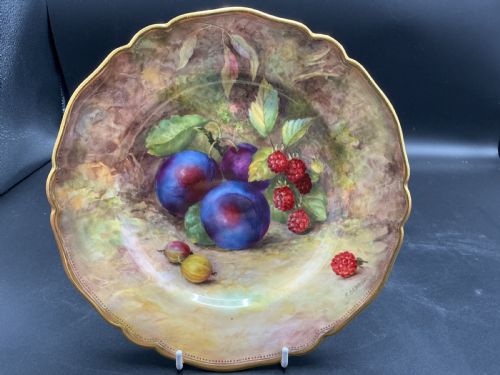
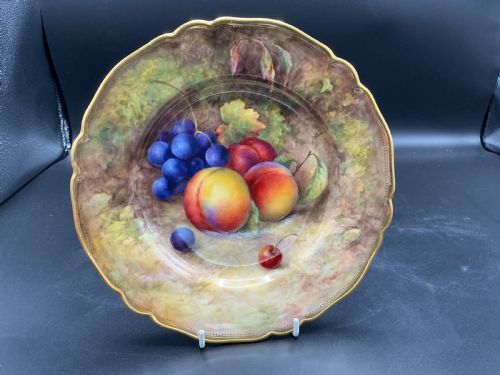
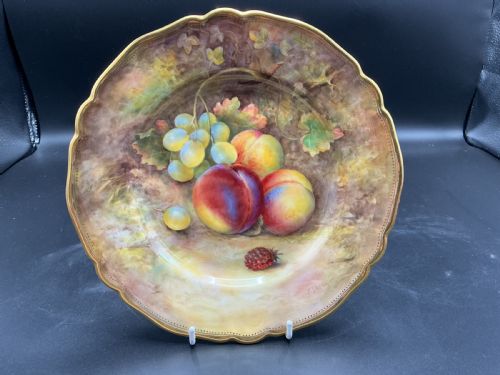
When you search for a vintage english porcelain plate, you are looking at centuries of fired clay, hand-painted fruit, and gilt edges.
Vintage English Porcelain Plate
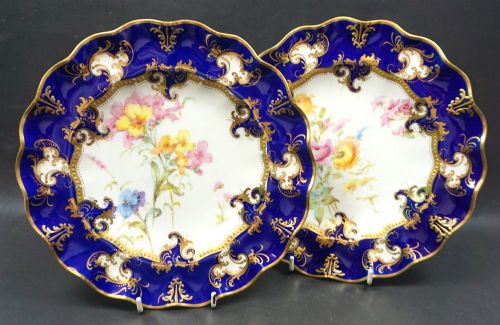
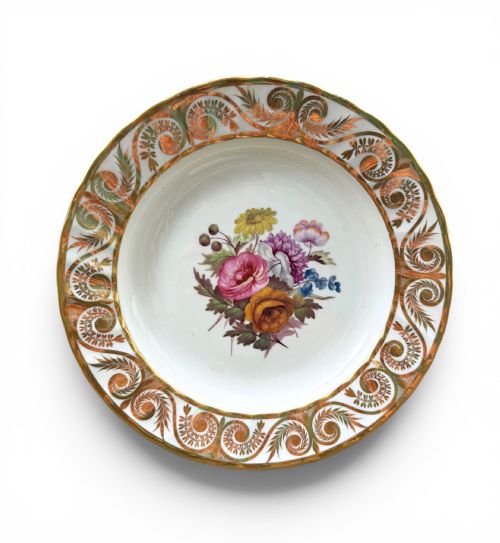
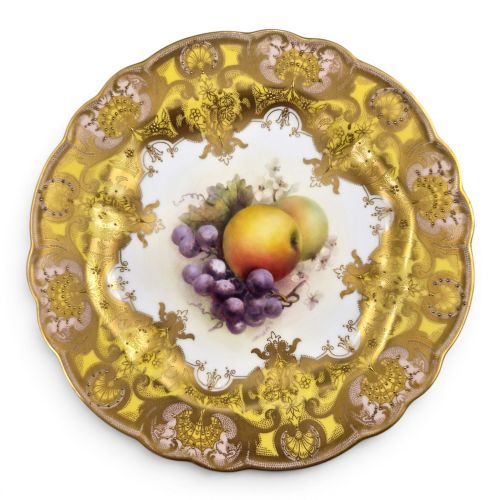
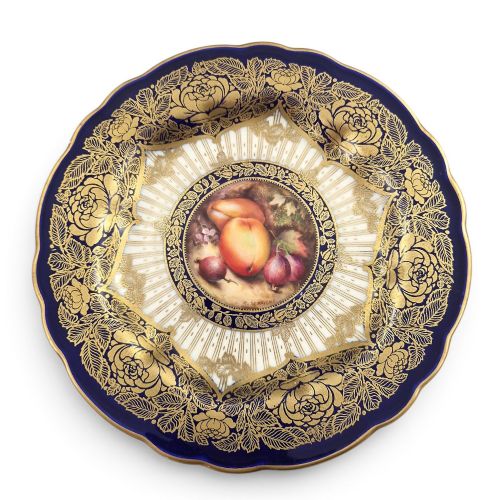
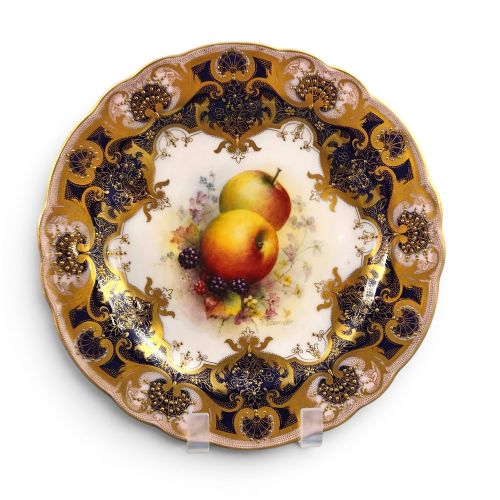
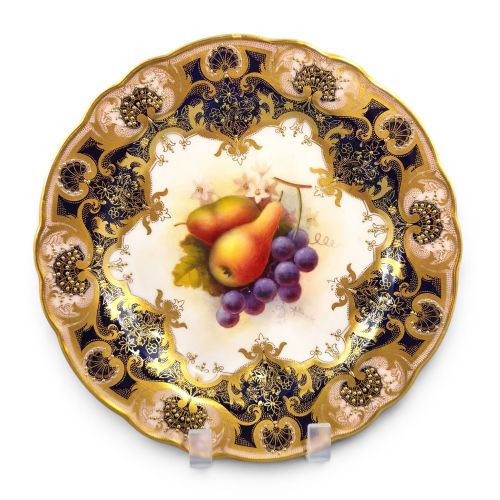
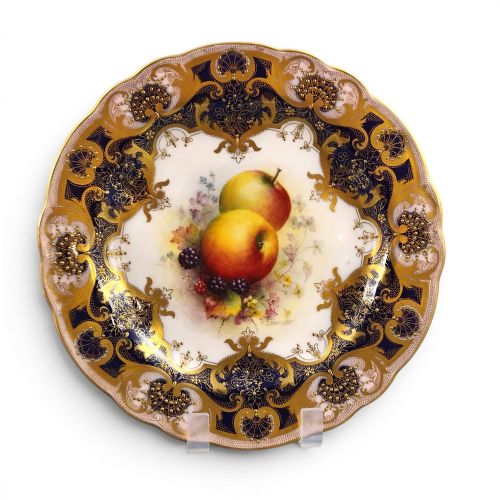
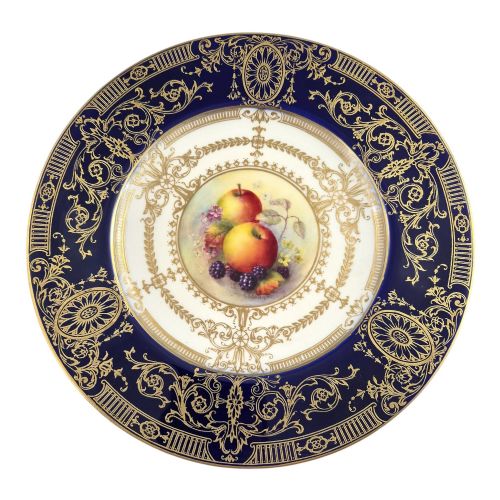
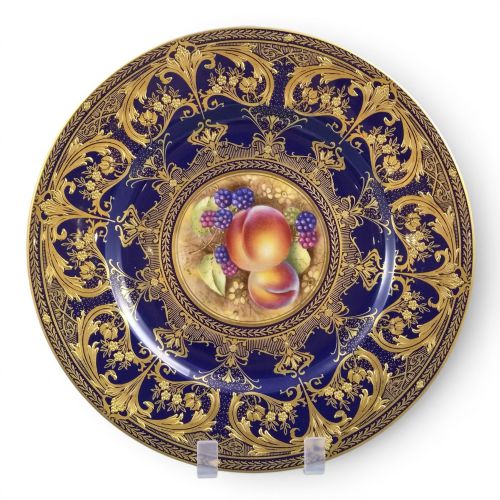
A vintage english porcelain plate is a ceramic vessel meant for display or service, originating from periods spanning the eighteenth century through the mid twentieth century. The most common examples you will encounter on this page take the form of cabinet plates, dessert dishes, and soup plates.
These items were produced by historic potteries across England, including famous names like Royal Worcester and Spode. They range from formal nineteenth century dinner services to individual decorative pieces painted by named artists.
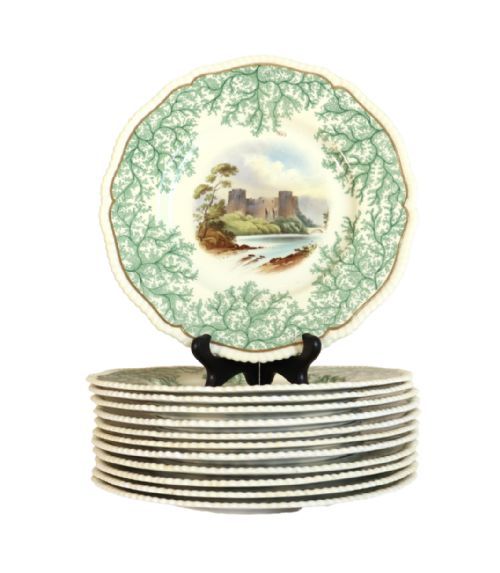
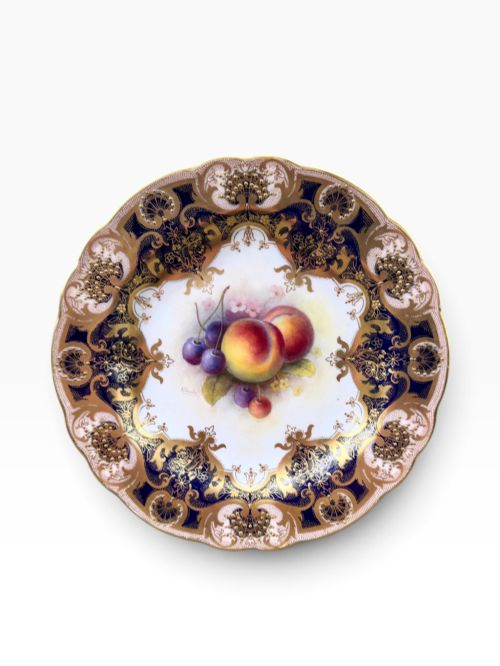
Makers utilised various forms such as square lobed dishes, rope edge plates, and basketweave patterns. Buyers seek them out for their traditional craftsmanship, botanical illustrations, and hand-painted fruit motifs.
How they were made
Potters shaped porcelain, bone china, earthenware, and ironstone before firing the bodies in kilns. Many pieces incorporated structural elements like silver plate or ironstone to increase durability.
Decoration relied on hand-painted enamels, applied gold leaf, and rich gilding. Skilled artists painted botanical studies, landscapes, and fruit directly onto the glazed surface before secondary firing.
Listings feature porcelain, bone china, earthenware, and ironstone across periods from the eighteenth century through the mid twentieth century.
What varies in quality
The standard of a vintage english porcelain plate is determined by the skill of the artist and the prestige of the factory. Pieces painted by known porcelain artists command greater interest than standard factory output.
Execution of hand-painting, crispness of gold leaf application, and complexity of the ceramic body separate finer cabinet specimens from everyday wares.
Royal Crown Derby·Royal Worcester·Royal Doulton·New Hall·Mason·Coalport·Spode·Minton
The Vintage English Porcelain Plate Glossary
- Cabinet plate
- A decorative ceramic plate intended for display in a cabinet rather than for dining use. These often feature elaborate hand-painted scenes and gilt borders.
- Bone china
- A type of soft-paste porcelain containing animal bone ash, resulting in a strong, milky-white body. It allowed makers to produce thinner walls while retaining durability.
- Gilding
- The application of gold leaf or gold paint to ceramic surfaces. This technique highlights rims, handles, and borders.
- Ironstone
- A heavy, durable type of earthenware patented in the nineteenth century. It offered a robust alternative to standard porcelain.
- Imari
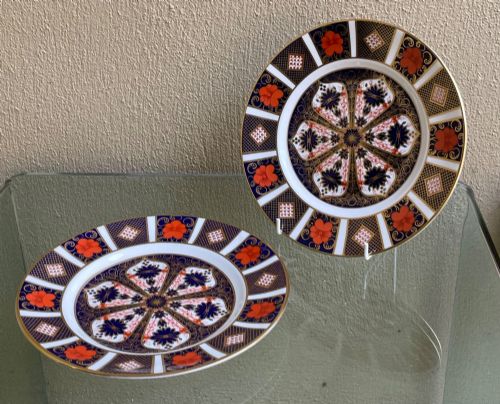
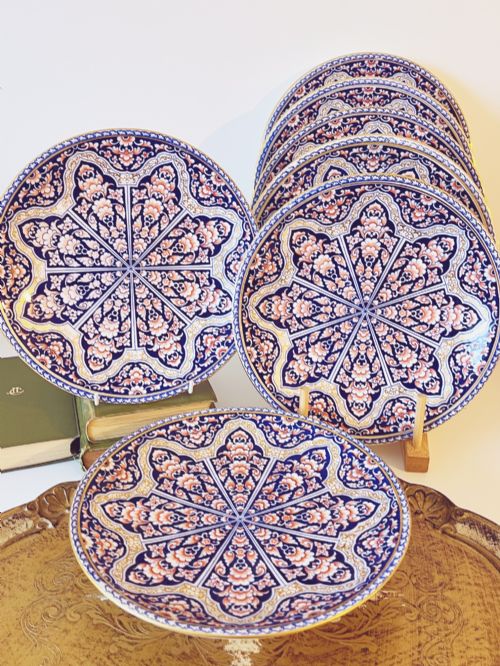
- A decorative style inspired by Japanese export wares featuring iron red, underglaze blue, and gold. English factories frequently adopted these patterns on plates and dishes.
Vintage English Porcelain Plate: Frequently Asked Questions
How do I display a cabinet plate?
Cabinet plates are best shown using specialised wall hangers or sturdy plate stands inside glass-fronted furniture. This keeps them safe from accidental knocks while allowing the painted details to catch the light.
Ensure the display location avoids direct sunlight to protect hand-painted enamel colours and gold leaf details from fading over decades.
Can I use these plates for dining?
While historic plates were functional items, vintage examples featuring delicate enamel and heavy gilding are generally reserved for display or light dessert service. Hand washing is essential to preserve the glaze and metallic details.
Avoid placing these ceramics in modern dishwashers or microwaves, as harsh detergents and high heat will damage the antique surfaces.
How do I identify the maker?
Makers usually marked their porcelain on the underside using painted signatures, impressed stamps, or printed factory ciphers. These marks often include specific date codes or registry numbers.
Consulting manufacturer reference books helps match these symbols to exact operating decades and individual artists.
What is the difference between porcelain and ironstone?
Porcelain is a vitrified ceramic fired at high temperatures, resulting in a fine, translucent body. Ironstone is a dense, opaque earthenware developed to resist chipping during daily use.
Plates made from porcelain often appear lighter and more delicate, whereas ironstone pieces feel heavier and thicker in the hand.