
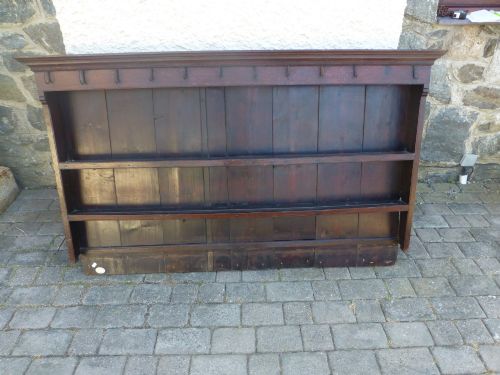
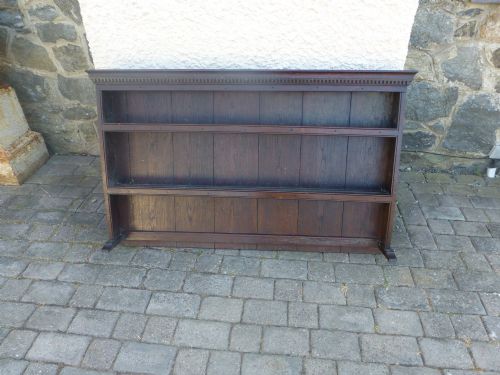
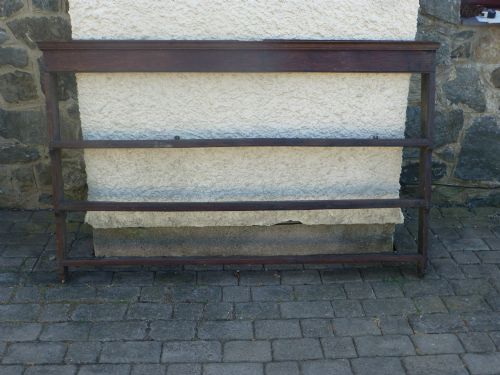
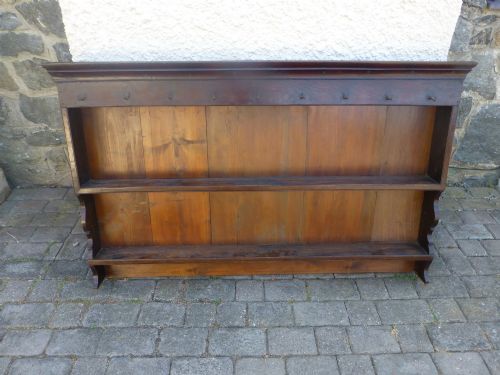


Vintage Dresser Plate
These vintage dresser plate finds bring utilitarian joinery and practical wall display together, offering the ideal way to house family ceramics.
Vintage Dresser Plate
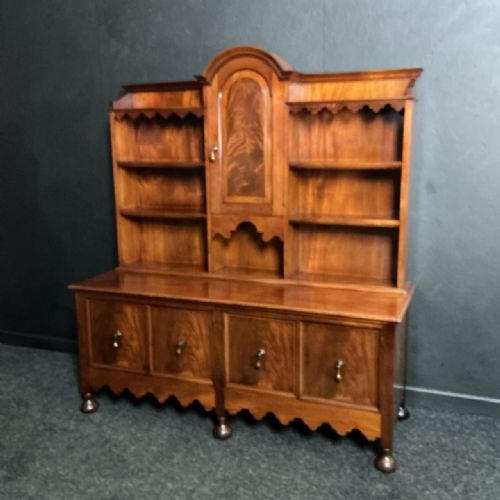
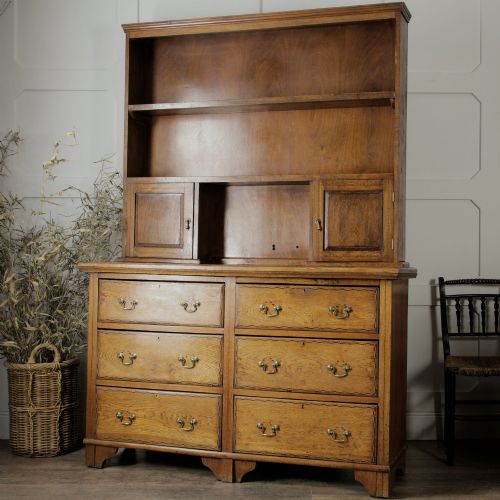
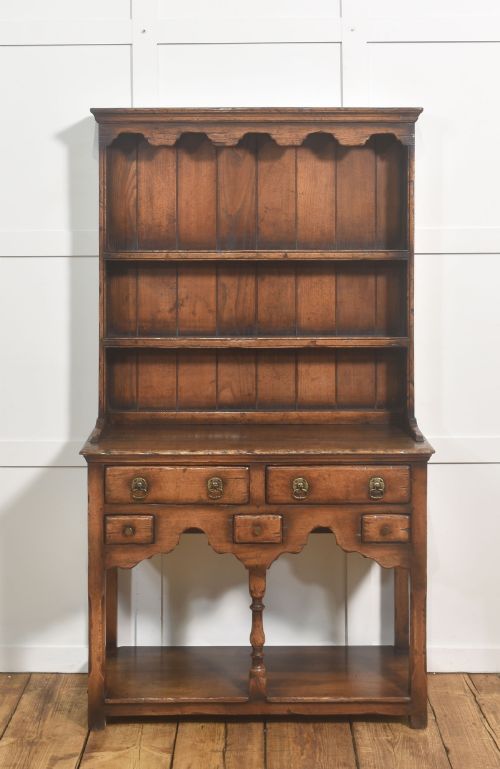
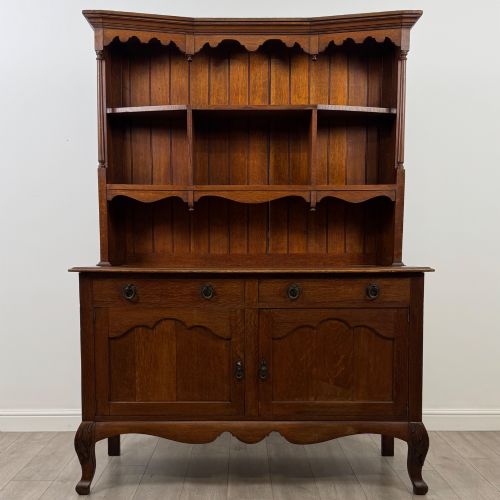
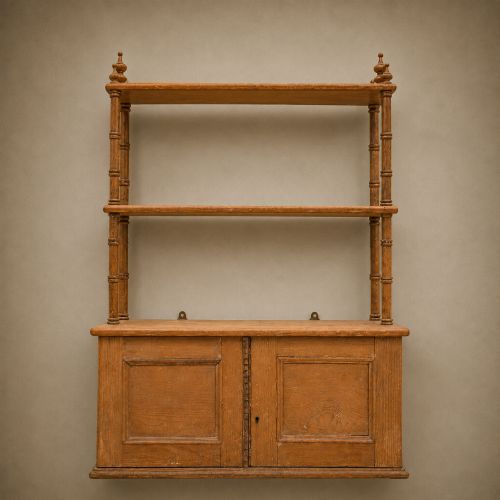
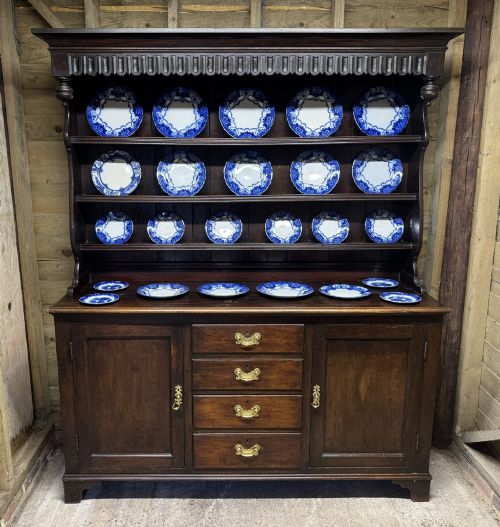
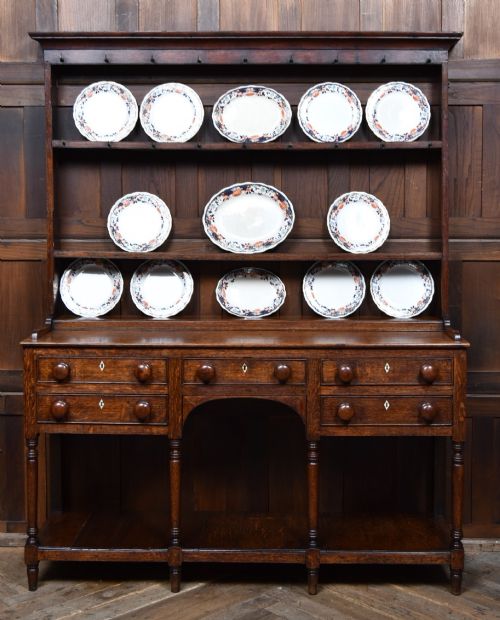
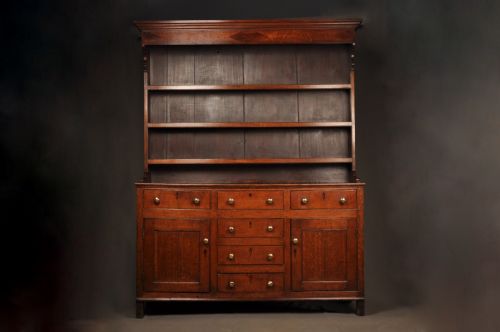
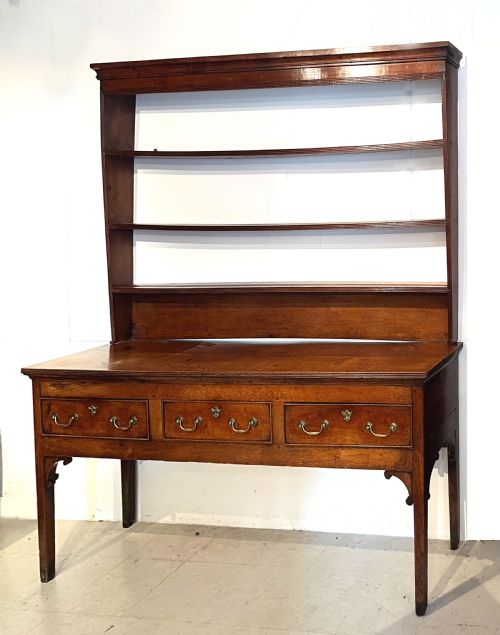
When you search for vintage dresser plate items, you encounter functional oak and pine wall racks, plate rails, and larger country dressers designed to display crockery securely. The pieces seen here span the eighteenth, nineteenth, and early twentieth centuries, reflecting utilitarian kitchen storage traditions from Wales, England, and Denmark.
Most examples combine open shelving for plates with lower base cabinets, pot boards, or wall-hanging configurations. Regional variations such as Welsh dressers and West Country iterations dominate the selection, utilising solid timber construction built for daily domestic service.
How they were made
Joiners built these pieces primarily using solid oak, pine, and mahogany, often employing traditional pegged joints and hand-planed boards for the shelves and backing. Metal elements such as brass or iron fixtures, along with painted finishes, appear selectively to reinforce structural points and provide surface protection.
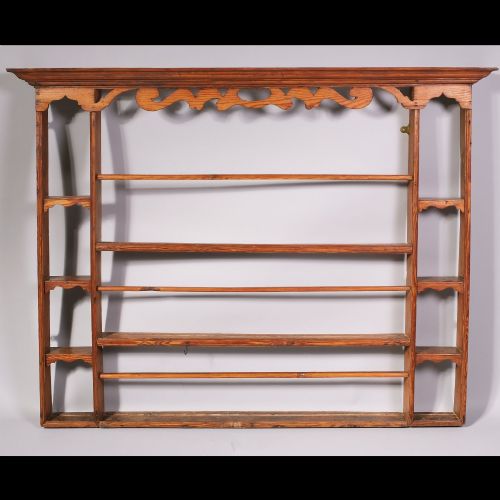
Makers constructed plate racks with carefully grooved bases and vertical slats or retaining rails designed to hold heavy ceramic plates upright against the wall without slipping.
One unexpected nineteenth-century Welsh dresser arrived carrying traces of café snow from Snowdon.
What varies in quality
The degree of preservation in the timber and the integrity of the original joints determine the standing of each piece. Superior examples retain their unblemished original surface patination, untouched backboards, and balanced proportions without excessive structural timber replacement.
Finer items demonstrate deliberate moulding profiles along the cornice and shelf edges, whereas simpler utility pieces rely on straightforward, unadorned board construction intended strictly for functional service.
The Vintage Dresser Plate Glossary
- Delft rack
- A wall-mounted wooden shelf featuring narrow tiers designed specifically for displaying tin-glazed earthenware plates upright. These shelves protect tableware while keeping everyday ceramics within arm's reach in the kitchen.
- Pot board
- A low horizontal slatted shelf fitted between the lower legs of an open dresser base. Historically, kitchen staff placed heavy pots and metal domestic utensils on this open lower tier.
- Welsh dresser
- A large kitchen storage unit originating in Wales that pairs an enclosed lower cupboard base with an open multi-tiered plate rack superstructure. They served as the central storage hub for rural households.
- Cornice
- The decorative moulded projection running along the uppermost horizontal edge of a wall rack or dresser top. It crowns the structure and frames the display shelves below.
Vintage Dresser Plate: Frequently Asked Questions
How do I hang a heavy oak plate rack?
Secure the back frame directly into wall studs using heavy-duty steel brackets or mirror plates rated for the combined weight of the timber and your ceramics.
Distribute your heaviest platters across the lower tiers to maintain a stable centre of gravity once loaded.
Are these plate racks deep enough for modern dinner plates?
Most historical plate racks feature shallow display grooves intended for earthenware and smaller serving dishes rather than oversized contemporary dinnerware.
Check the groove depth and rail clearance in the listing details before attempting to display thick modern stoneware.
How do I clean antique pine and oak surfaces?
Dust the timber regularly with a dry, soft lint-free cloth and apply natural beeswax sparingly to nourish the dry wood grain.
Avoid chemical sprays and excessive water, which can damage aged painted finishes and lift historical patination.
What is the difference between a dresser and a wall rack?
A dresser comprises a complete floor-standing unit with a lower storage cabinet or base joined to an upper plate display superstructure.
A wall rack consists solely of the upper hanging shelving component designed to attach directly to a kitchen or dining room wall.