

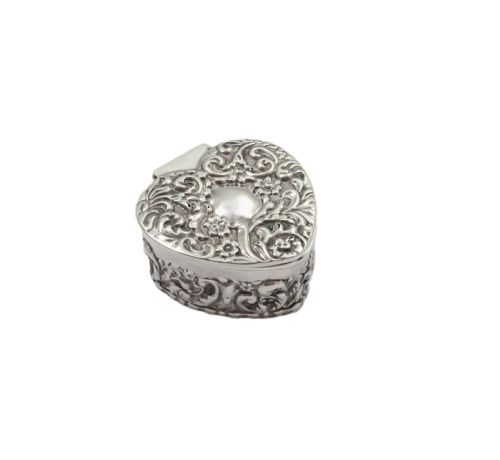


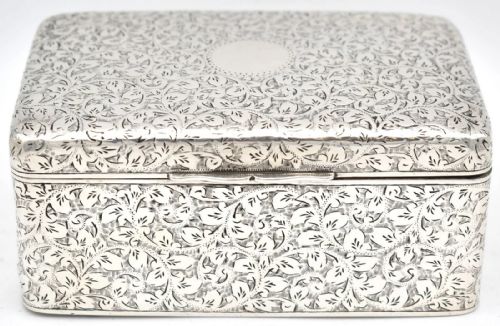
Vintage Dresser Box
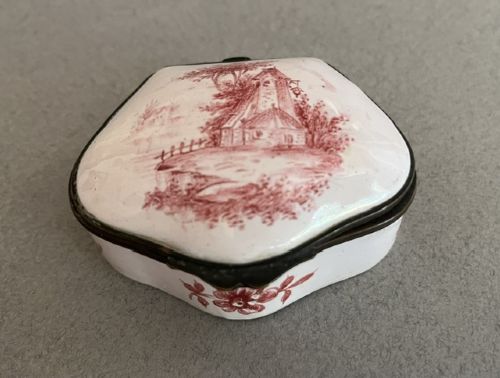
A vintage dresser box sits on a dressing table to hold small valuables, trinkets and cosmetics.
Vintage Dresser Box
A vintage dresser box is typically a small lidded receptacle designed for use on a dressing table or vanity. The selection spans utilitarian trinket vessels and decorative powder bowls used during the early twentieth century.
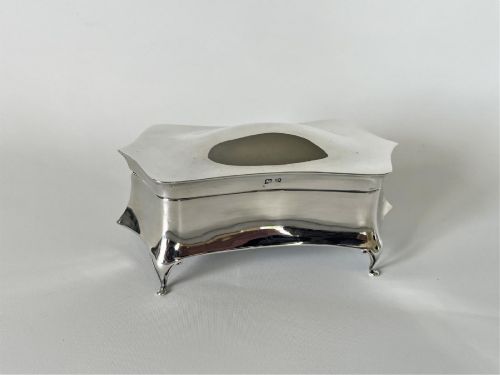
The objects take many forms, including porcelain powder jars surmounted by half dolls, hinged sterling silver trinket boxes, and heavy crystal receptacles mounted in ormolu. These pieces turn up in styles ranging from Edwardian floral engraving to geometric Art Deco designs.
Materials and construction
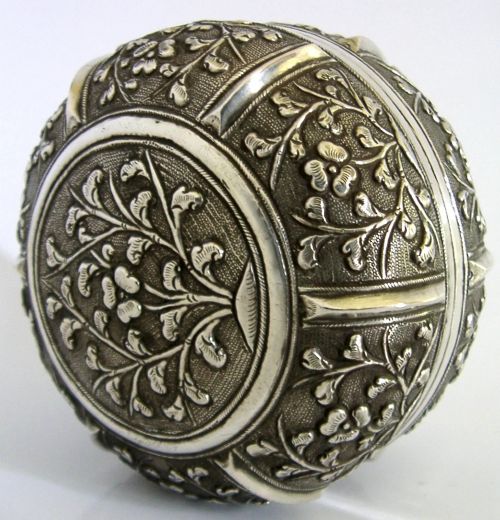
Makers utilised a diverse palette of materials, combining sterling silver and plate with glass, crystal, ceramics and porcelain. Metal items often show cast or engraved ornamentation, while ceramic powder boxes feature hand-painted glazes and moulded figural lids.
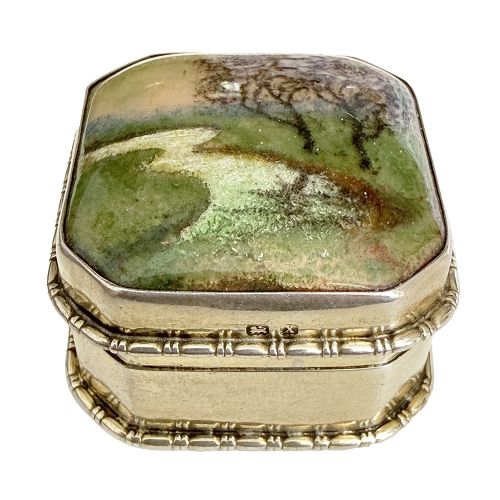
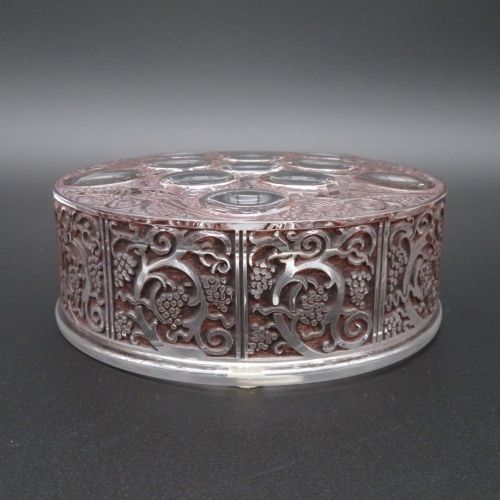
Many glass and crystal pieces incorporate gilded bronze or ormolu mounts. Stoneware and porcelain containers rely on kiln firing, sometimes pairing with enamel work or mounted gemstones like lapis lazuli.
Flapper girls peek out from under ceramic powder bowl lids, bringing a touch of jazz-age powder-room glamour straight to the modern dressing table.
Distinctions in quality
Quality rests on the integrity of the materials and the precision of the workmanship. Sterling silver pieces show crisp hallmarks and well-fitted hinges, whereas finer porcelain examples display delicate, hand-finished painting on the figures and lids.
The weight of the crystal and the clarity of the mould distinguish better glass containers from standard wares. Maker attribution, such as pieces bearing identifiable silversmith marks or ceramic factory stamps, elevates the standing of an individual box.
Fleetwood Varley·W.M.F.·A & J Zimmerman Ltd·René Lalique·Josef Margold
The Vintage Dresser Box Glossary
- Half doll
- A ceramic torso without legs, manufactured to sit atop the lid of a powder box or tea cosy. These figures are characteristic of the early twentieth century.
- Ormolu
- Gilt bronze mounts applied to furniture, glass, or porcelain objects. The technique involves a mercury-gilding process on brass or bronze.
- Sterling silver
- An alloy of silver containing ninety-two point five percent silver and seven point five percent other metals, typically copper. Most quality British and foreign boxes carry assay marks denoting this standard.
- Powder box
- A lidded vessel created to hold loose cosmetic face powder on a dressing table. They frequently feature ceramic bowls paired with figural or decorative lids.
- Trinket box
- A small container intended for holding rings, pins, and personal jewellery. These items appear in silver, glass, and wood.
Vintage Dresser Box: Frequently Asked Questions
What were vintage dresser boxes used for originally?
These small containers held items needed at the dressing table, including face powder, hair pins, cufflinks, and rings. Ladies and gentlemen kept them close at hand for daily grooming routines.
Over time, many of these receptacles transitioned from functional vanity accessories to purely decorative display pieces in the bedroom or drawing room.
How do I date a porcelain powder box?
Dating relies heavily on the style of the decoration, the clothing of any figural elements, and factory stamps on the base. Art Deco geometric motifs and flapper figures point firmly to the nineteen-thirties.
Examining the glaze type and any impressed numbers beneath the ceramic provides further clues to the period of manufacture.
Are silver dresser boxes marked with hallmarks?
Most pieces made from solid silver bear stamps indicating the metal purity, the maker, and the year of assay. These marks help verify the origin and age of the item.
Silver-plated versions use alternative stamps that denote the plating company or quality standard rather than precious metal purity.
How should I clean a vintage glass box?
Glass and crystal components respond well to gentle washing with warm water and mild soap. Metal mounts such as ormolu require careful handling to avoid removing the gilding.
Harsh chemical polishes should be kept away from antique surfaces, particularly painted ceramic details and delicate metal joins.