


Vintage Decorative Ceramic
Vintage decorative ceramic pieces span centuries of kilns and styles, offering striking colour and form to elevate any room.
Vintage Decorative Ceramic
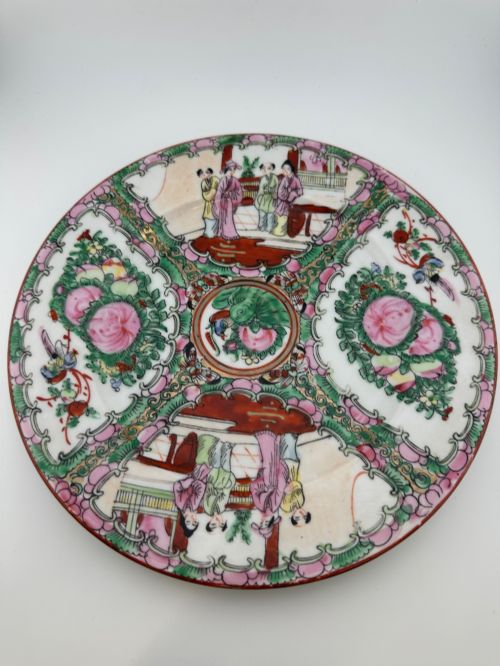
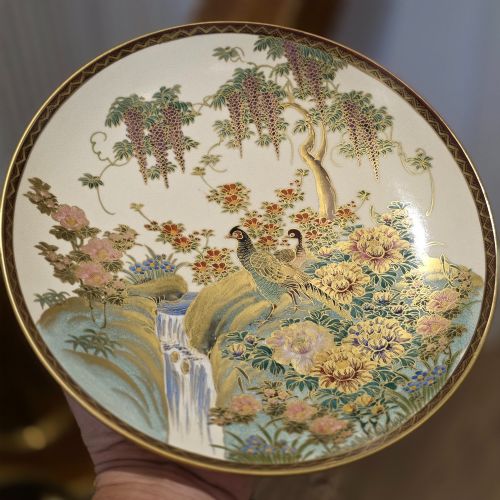
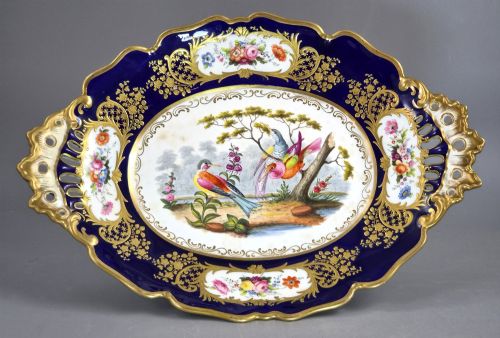
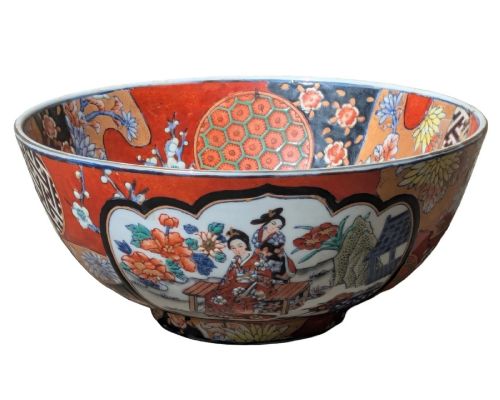
When searching for vintage decorative ceramic, buyers encounter a diverse selection of vessels, tableware, and display objects produced across the eighteenth, nineteenth, and early twentieth centuries. The inventory reflects international traditions, ranging from English earthenware and porcelain to Japanese Imari and Satsuma wares, alongside continental faience and Delft.
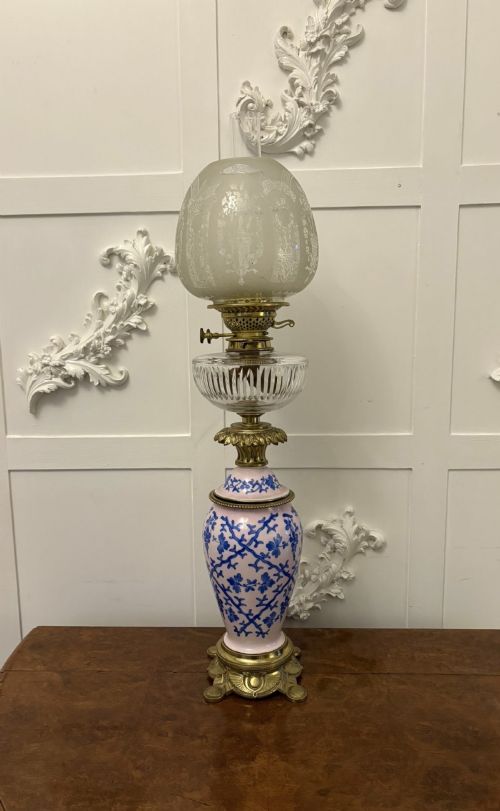
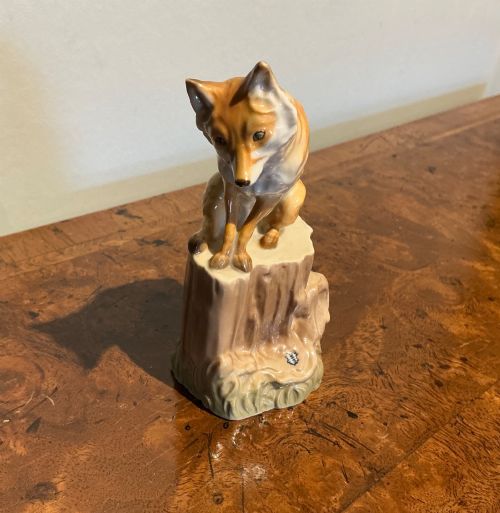
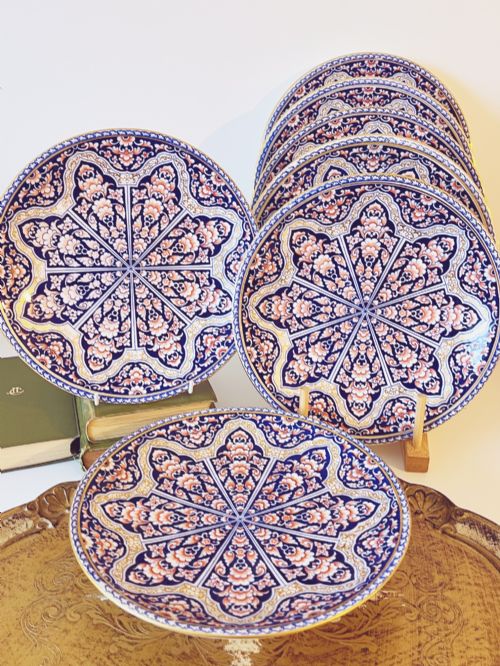
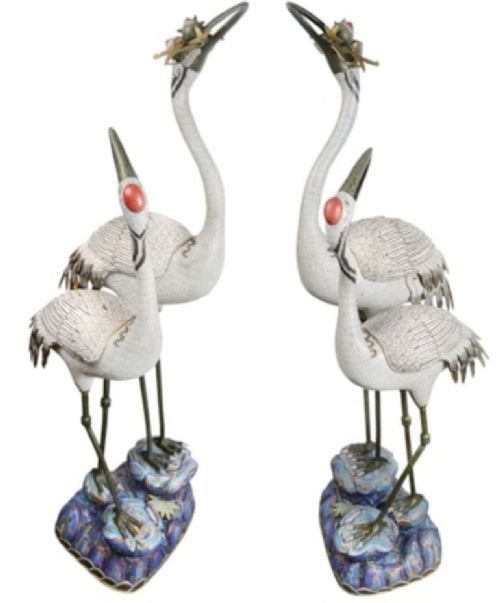
The objects themselves serve primarily decorative and ornamental purposes rather than utilitarian ones, taking forms such as large charger plates, painted cabinet plates, exhibition vases, and sculptural table lamps. These items bring distinct historical character and varied glazing techniques into domestic spaces.
How they were made
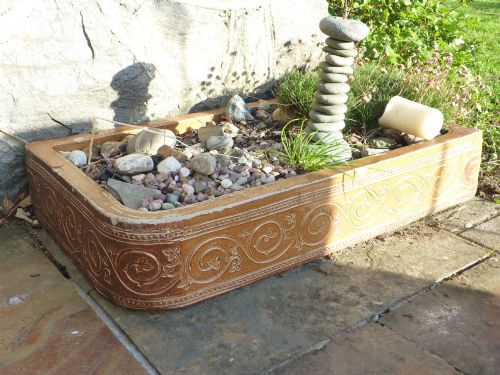
Potters and ceramists shaped these pieces using foundational materials like porcelain, earthenware, and terracotta, often applying rich glazes, enamel, or transferware printing to create intricate surface patterns. Techniques such as salt glazing, pate sur pate, and lustre work required precise kiln temperatures and skilled hand-painting.
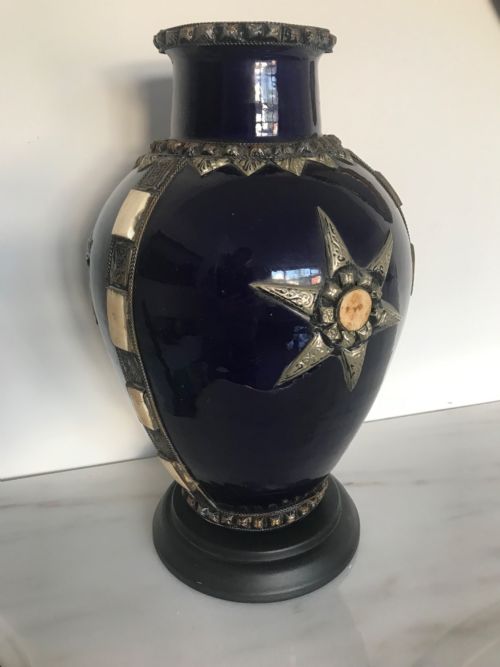
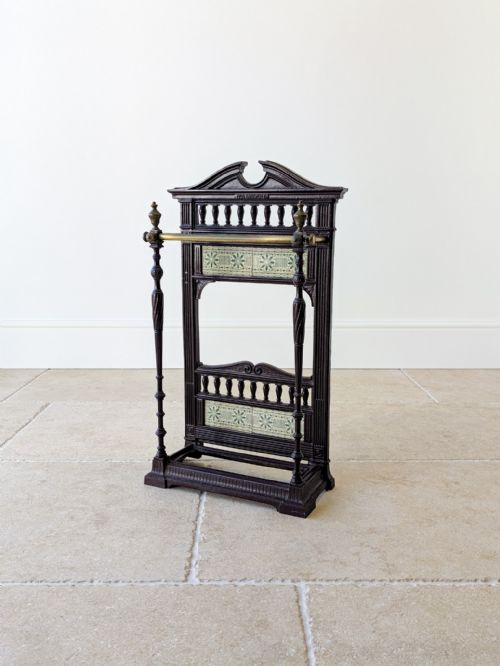
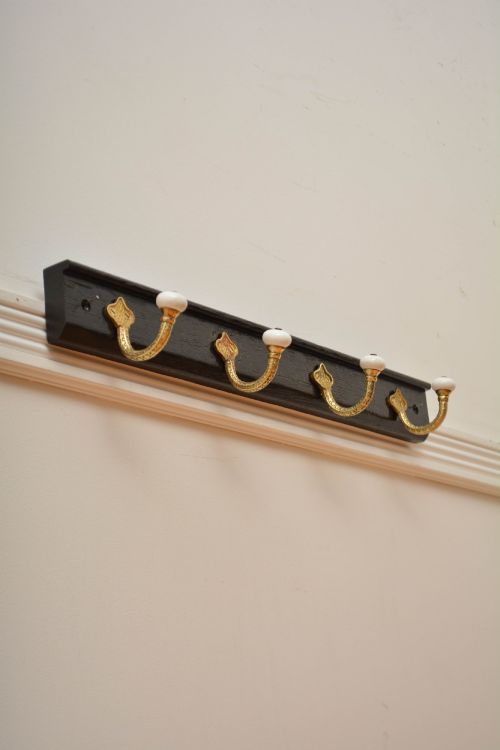
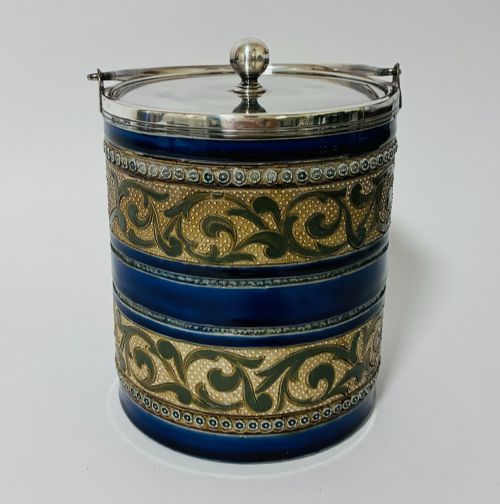
Many works combine ceramic bodies with secondary materials like brass mounts, silver-plated hardware, or ebonised wood bases to form composite decorative objects such as biscuit barrels, lamps, and wall brackets.
Listings feature porcelain, earthenware, and terracotta forms spanning the eighteenth century through the Art Deco era.
What varies in quality
Quality in these ceramics rests on the precision of the hand-painted detail, the depth and stability of the glaze, and the artistic ambition of the form. Pieces painted by named studio artists or produced by distinguished factories show superior control over colour saturation and line work.
The presence of supplementary decorative elements, such as gold leaf detailing, cast metal mounts, or finely sculpted figurative additions, elevates the overall execution and separates standard production wares from exhibition-grade pieces.
Royal Crown Derby·Royal Worcester·Doulton Lambeth·Coalbrookdale
The Vintage Decorative Ceramic Glossary
- Charger plate
- A large decorative plate or dish intended for display on a wall, sideboard, or table rather than for serving food.
- Transferware
- A pottery decoration technique where a design is engraved on a copper plate, printed onto paper, and transferred onto the ceramic surface before glazing.
- Imari
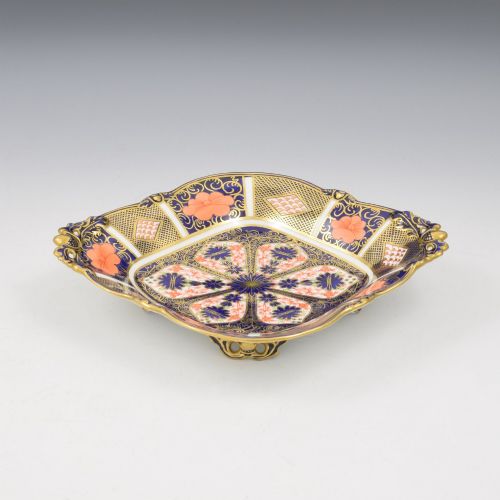
- A style of Japanese porcelain featuring a distinct palette of underglaze blue, iron red, and gilt, widely emulated in European kilns.
- Pate sur pate
- A porcelain manufacturing technique where a relief design is built up layer by layer using liquid clay slip onto an unglazed body.
- Faience
- Tin-glazed earthenware produced in Europe, known for its opaque white surface and painted polychrome or blue designs.
Vintage Decorative Ceramic: Frequently Asked Questions
How do I clean ceramic vases?
Dust these items gently with a dry microfiber cloth to protect fragile surface glazes and hand-painted details from abrasion.
Avoid submerging pieces that feature metal mounts, gilt highlights, or historic repairs in water to prevent tarnishing and material degradation.
Are these plates meant for dining?
Most charger plates and cabinet pieces serve decorative display functions rather than active dining use due to their age and delicate painted surfaces.
Examine the backstamps and surface wear to determine whether an item was built for domestic service or purely for visual ornamentation.
What is Japanese Imari?
Japanese Imari refers to porcelain exported from the port of Imari, defined by bold underglaze blue and iron red decoration accented with gold.
This aesthetic heavily influenced European ceramic design throughout the eighteenth and nineteenth centuries, inspiring local interpretations.
How do I date antique ceramics?
Dating relies on maker marks, impressed factory stamps, registration numbers, and stylistic cues characteristic of specific periods like the Victorian era or the Arts and Crafts movement.
Comparing the paste composition, glaze characteristics, and potting techniques to documented examples helps narrow down the decade of production.