

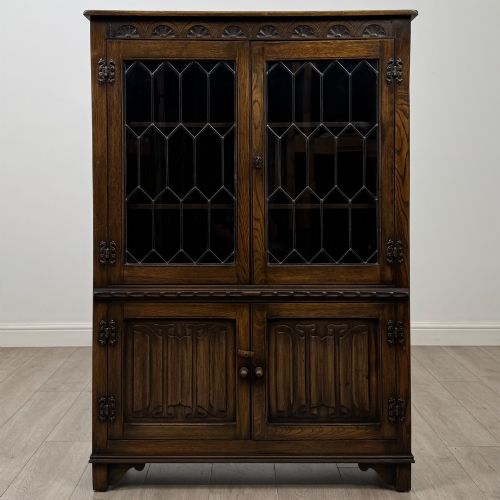
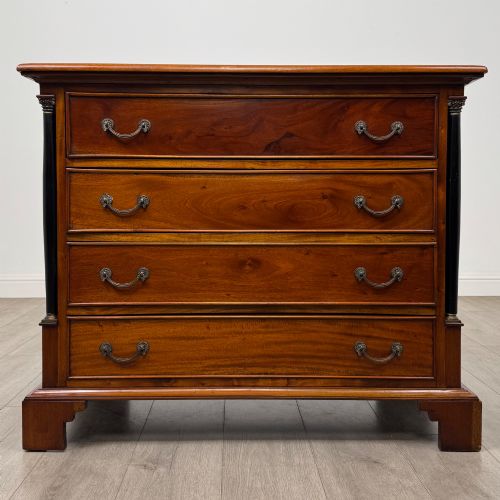
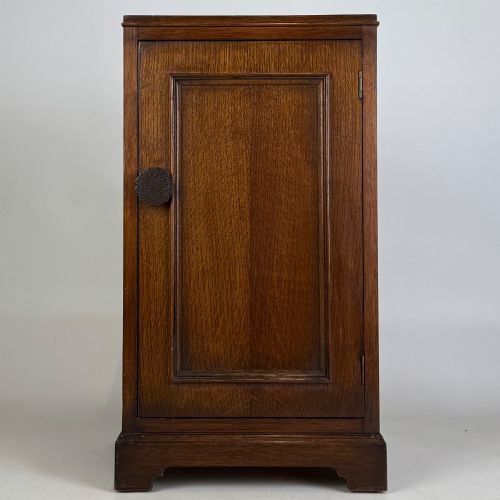
Vintage Dark Storage Cabinet
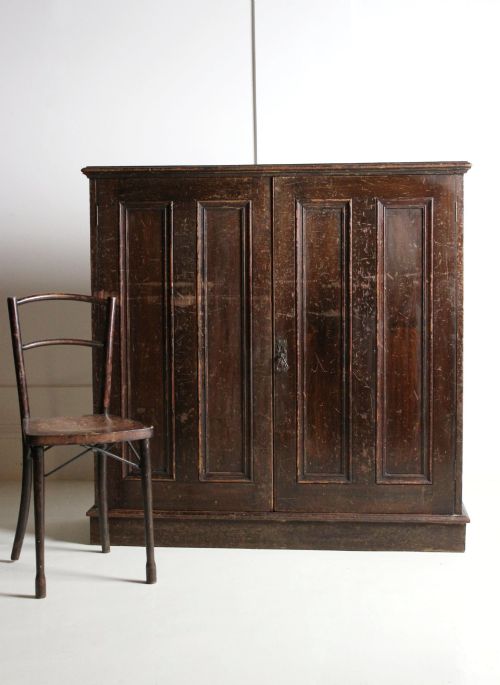
A vintage dark storage cabinet brings solid wood and metal utility to a room, holding everything from books to linens with quiet strength.
Vintage Dark Storage Cabinet
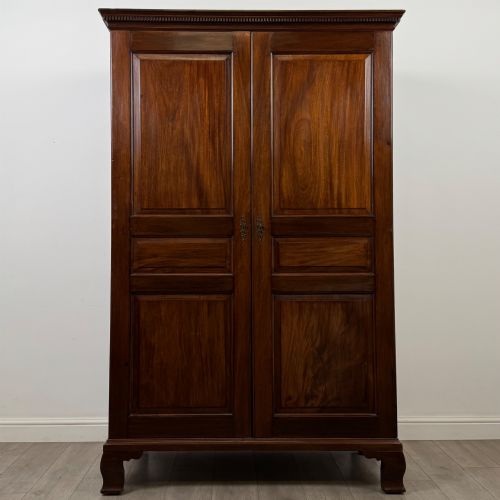
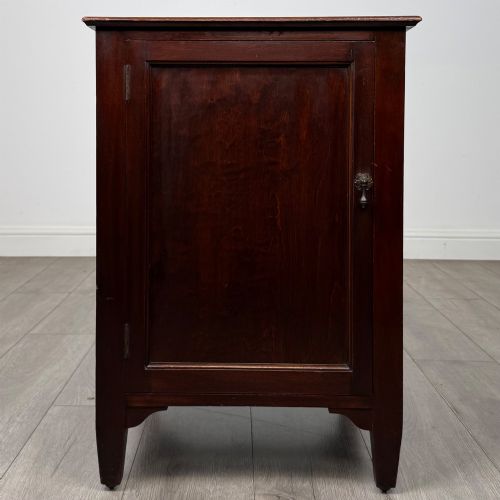
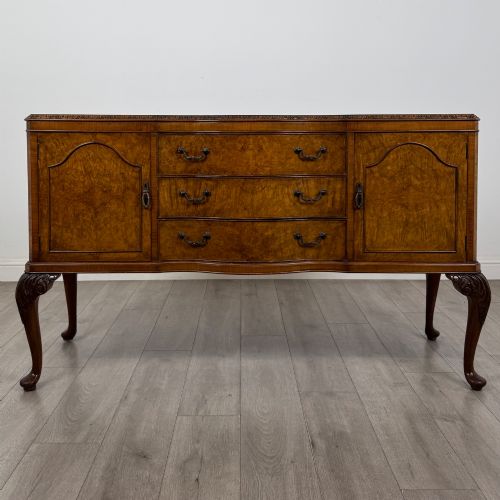
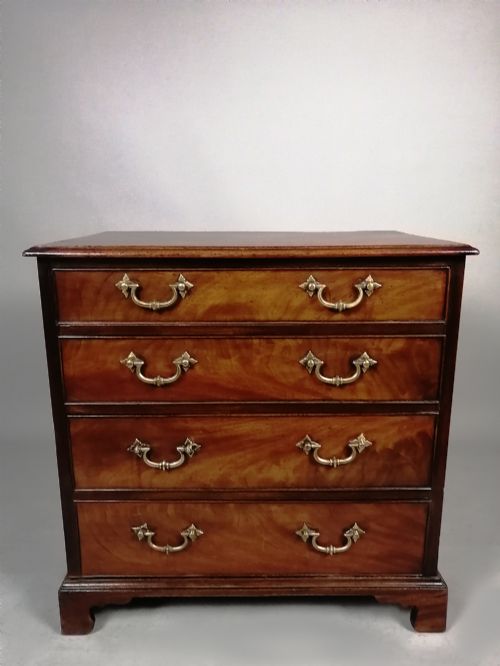
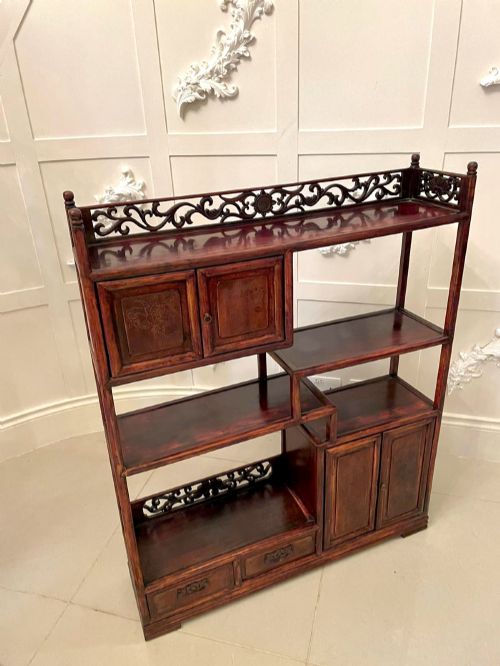
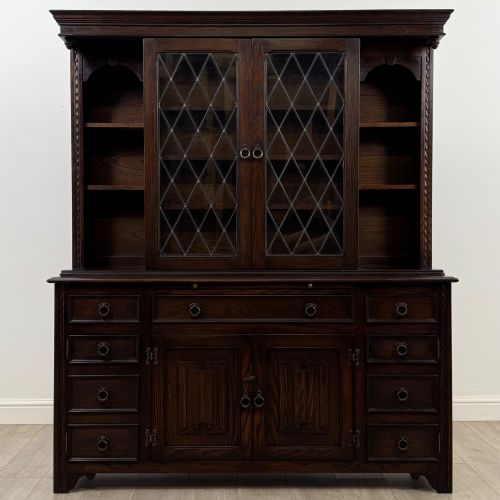
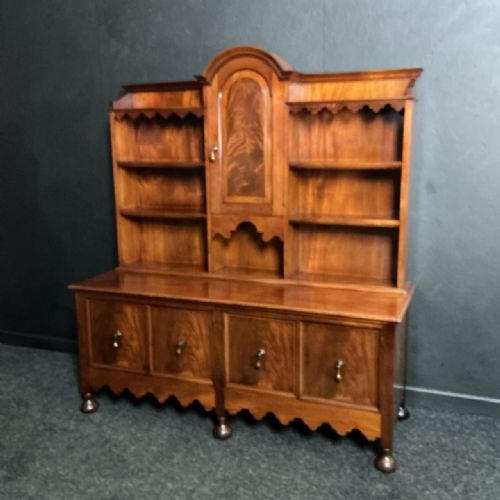
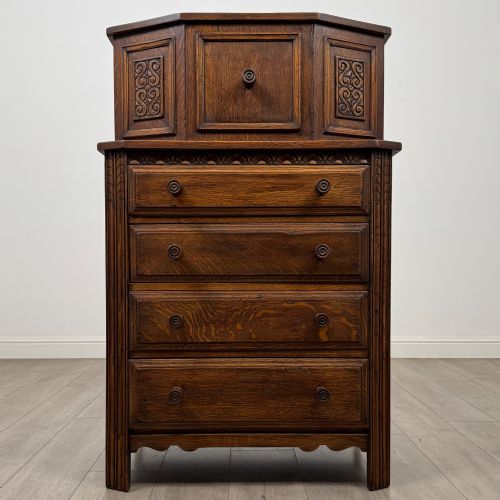
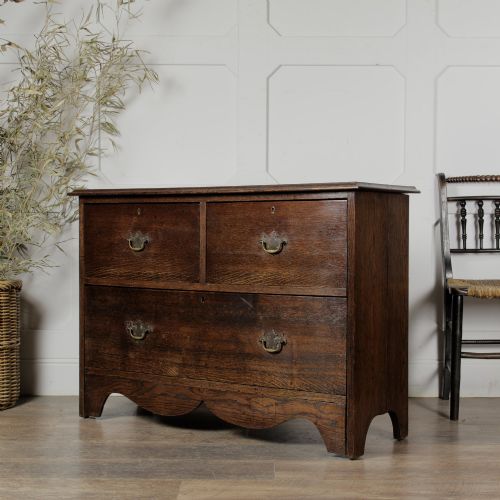
When you search for a vintage dark storage cabinet, you encounter a wide array of functional domestic furniture spanning several centuries. The listings show pieces grouped under forms such as cupboards, sideboards, chests of drawers, bookcases, and filing cabinets.
Edwardian and Victorian examples dominate the selection, alongside items from the 19th century, Georgian periods, and the early 20th century. These utility items range from small bedside cabinets to large court cupboards and barrister stacking bookcases.
Solid oak and mahogany provide the primary structural forms, complemented by occasional pieces in pine, walnut, and metal. The stylistic influences stretch from Jacobean Revival and Arts and Crafts to French Provincial and Georgian style.
Materials and Construction
Cabinet makers relied heavily on robust timbers like oak and mahogany to build durable frames that withstand decades of use. Iron, brass, and wrought hardware add functional strength and operational detail to doors, drawers, and tambour fronts.
Surface treatments and joinery methods reflect the specific period of manufacture, utilising carved details, linenfold panels, and inlaid satinwood or rosewood. Glass panels appear in display cabinets, while canvas and metal feature in industrial items from the late 19th century.
A 19th-century bank of twenty-five drawers originally kept order at Luxmore's of Ilfracombe before finding its way to the marketplace.
Assessing Quality and Build
The distinction between ordinary utility pieces and finer examples rests on the selection of timber and the execution of carved or inlaid details. Solid wood construction throughout commands greater regard than veneered surfaces applied to secondary woods.
GM Elwood for JS Henry·Denby & Spinks·Maples & Co.
The Vintage Dark Storage Cabinet Glossary
- Tambour
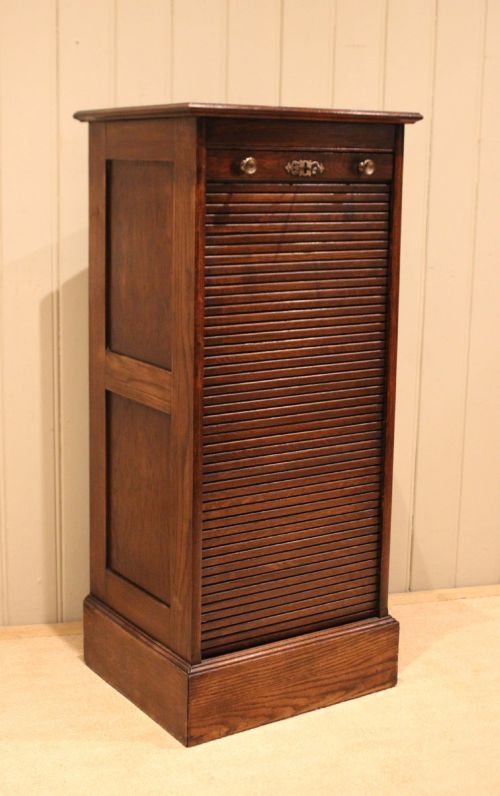
- A flexible door constructed from narrow vertical strips of wood glued to canvas, allowing it to slide open around a curve. This mechanism appears on specialised filing cabinets and office furniture.
- Linenfold
- A style of wood carving that imitates folded linen drapery, frequently found on panels of Edwardian and earlier oak cupboards. It provides texture and decorative depth to flat wooden surfaces.
- Cellarette
- A lockable container or cabinet designed to hold bottles of wine and spirits safely. Georgian examples often feature fitted interiors to keep bottles secure.
- Chiffonier
- A low sideboard or cabinet equipped with drawers and shelves, popular during the Victorian period. It serves to display decorative objects while offering enclosed storage.
- Court cupboard
- A traditional heavy oak sideboard or storage unit featuring an upper recessed section supported by pillars. These substantial pieces originate from earlier centuries and carry deep historical carvings.
Vintage Dark Storage Cabinet: Frequently Asked Questions
What periods do these dark storage cabinets come from?
The pieces span multiple eras, including Georgian, Victorian, Edwardian, and the early 20th century. Each period introduces distinct design characteristics, from heavy oak carvings to refined mahogany veneers.
Makers across these eras utilised traditional timber construction techniques, ensuring that items ranging from 19th-century cupboards to 1920s bookcases retain their structural integrity.
How are tambour front cabinets different?
Tambour fronts utilise narrow strips of wood mounted on a flexible backing to slide smoothly around curved tracks. This clever design saves space in compact rooms by eliminating swinging doors.
Such mechanisms appear primarily on specialised filing cabinets and office furniture from the early 20th century, combining practicality with distinctive tactile appeal.
Where were these cabinets used in a home?
Depending on their specific form, these units served various domestic spaces. Sideboards and cupboards found places in dining rooms for tableware, while chests of drawers and wardrobes managed bedroom storage.
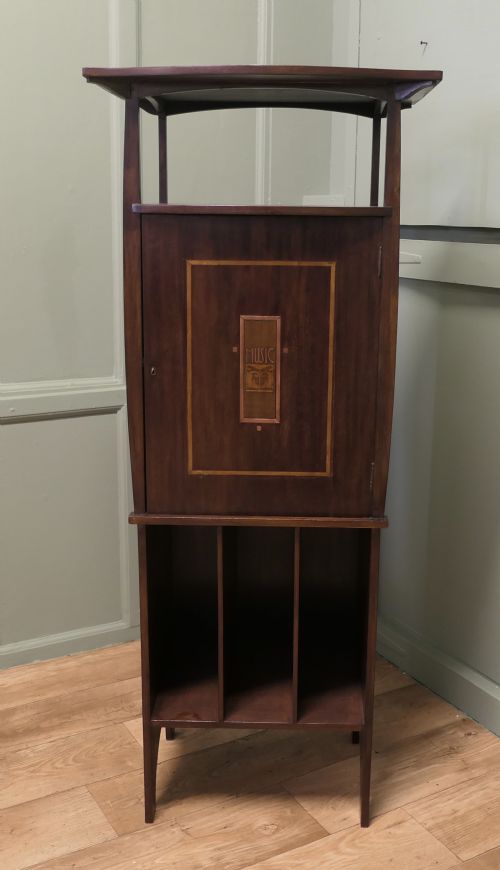
Smaller items like bedside cabinets and music cabinets accommodated specific personal items in parlours and sleeping quarters.
How do I care for dark wood furniture?
Maintaining oak, mahogany, and walnut surfaces requires gentle dusting with a soft cloth and avoiding direct exposure to strong sunlight. This preserves the rich finish and prevents the wood from drying out over time.
Applying appropriate wax occasionally helps nourish the antique timber and maintain its natural lustre without sealing the grain.